






10 Best Things to Do and See in Hanoi: A First-Timer’s Guide
Hanoi is a city where centuries-old traditions blend seamlessly with modern life. Vietnam’s capital is a fascinating destination of ancient temples, colonial architecture, bustling street markets, and vibrant café culture. From the peaceful shores of Hoan Kiem Lake to the lively streets of the Old Quarter, every corner of the city tells a story shaped by more than a thousand years of history.
For first-time visitors, deciding what to do and see in Hanoi can be overwhelming. The city offers everything from iconic landmarks and UNESCO-listed heritage sites to authentic food experiences and cultural activities that reveal the true character of local life. Whether you’re interested in history, architecture, cuisine, or simply soaking up the atmosphere, Hanoi has something to offer every type of traveller.
This guide brings together the 10 best things to do and see in Hanoi, combining the city’s most famous attractions with memorable local experiences. Use it as your starting point to discover why Hanoi remains one of Southeast Asia’s most captivating capitals.
1. Visit Hoan Kiem Lake & Ngoc Son Temple
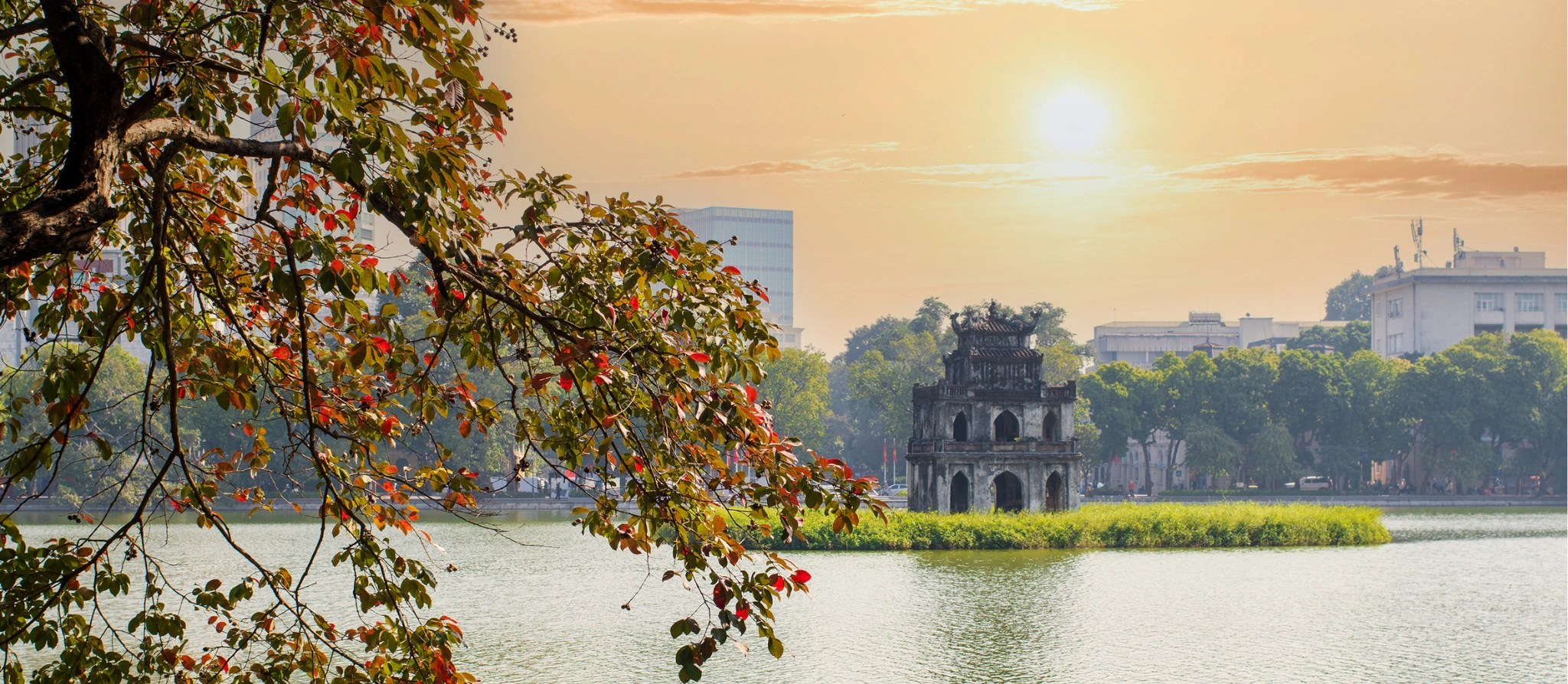
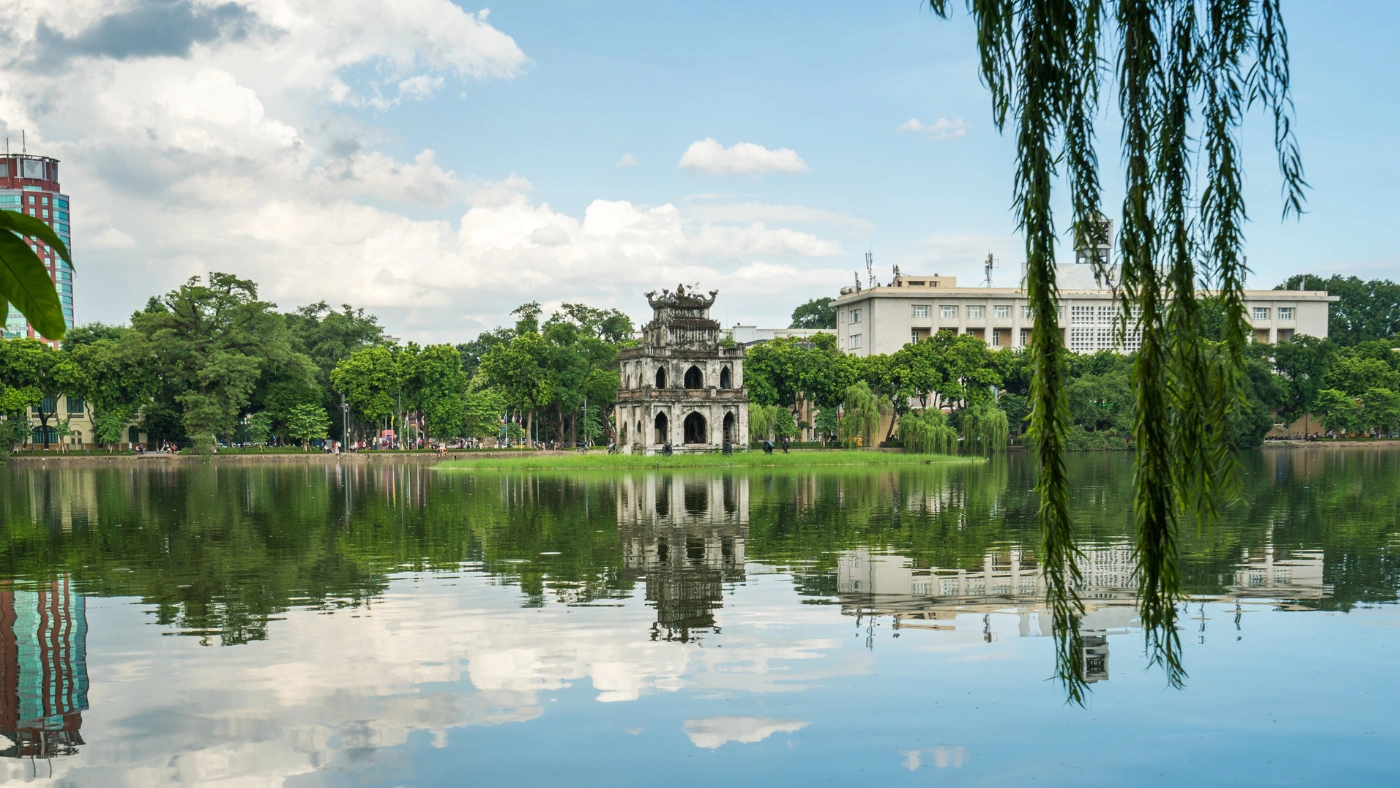
No list of the best things to do and see in Hanoi would be complete without a visit to Hoan Kiem Lake. Located in the heart of the city, this scenic lake serves as both a cultural landmark and a daily gathering place for locals. Early each morning, residents come here to practice tai chi, jog along the waterfront, or simply enjoy the peaceful atmosphere before the city awakens.
At the northern end of the lake stands Ngoc Son Temple, one of Hanoi’s most iconic spiritual sites. Connected to the shore by the striking red The Huc Bridge, the temple is dedicated to revered scholars and national heroes. Its tranquil setting and traditional architecture offer a glimpse into the city’s rich cultural heritage.
Beyond its historical significance, Hoan Kiem Lake provides an excellent introduction to Hanoi’s unique rhythm of life. Street musicians, families, photographers, and café-goers all converge around the lake throughout the day, creating a vibrant yet relaxed atmosphere. Whether you’re visiting at sunrise, sunset, or any time in between, this is one of the most rewarding places to experience the spirit of Hanoi.
Friendly Tips:
- Visit early in the morning to experience local life and cooler temperatures.
- Cross The Huc Bridge to explore Ngoc Son Temple and learn about its history.
- Bring a camera, as the lake is particularly photogenic at sunrise and sunset.
- Combine your visit with nearby attractions such as St. Joseph’s Cathedral and Hanoi Old Quarter.
>>> See more: 4 Unique coffee shops in Hanoi
2. Explore the Ho Chi Minh Mausoleum
One of the most significant historical sites in Vietnam, the Ho Chi Minh Mausoleum is a must-visit for travellers interested in understanding the country’s modern history. Located in Ba Dinh Square, this imposing granite structure is the final resting place of President Ho Chi Minh, the revolutionary leader who played a central role in Vietnam’s struggle for independence.
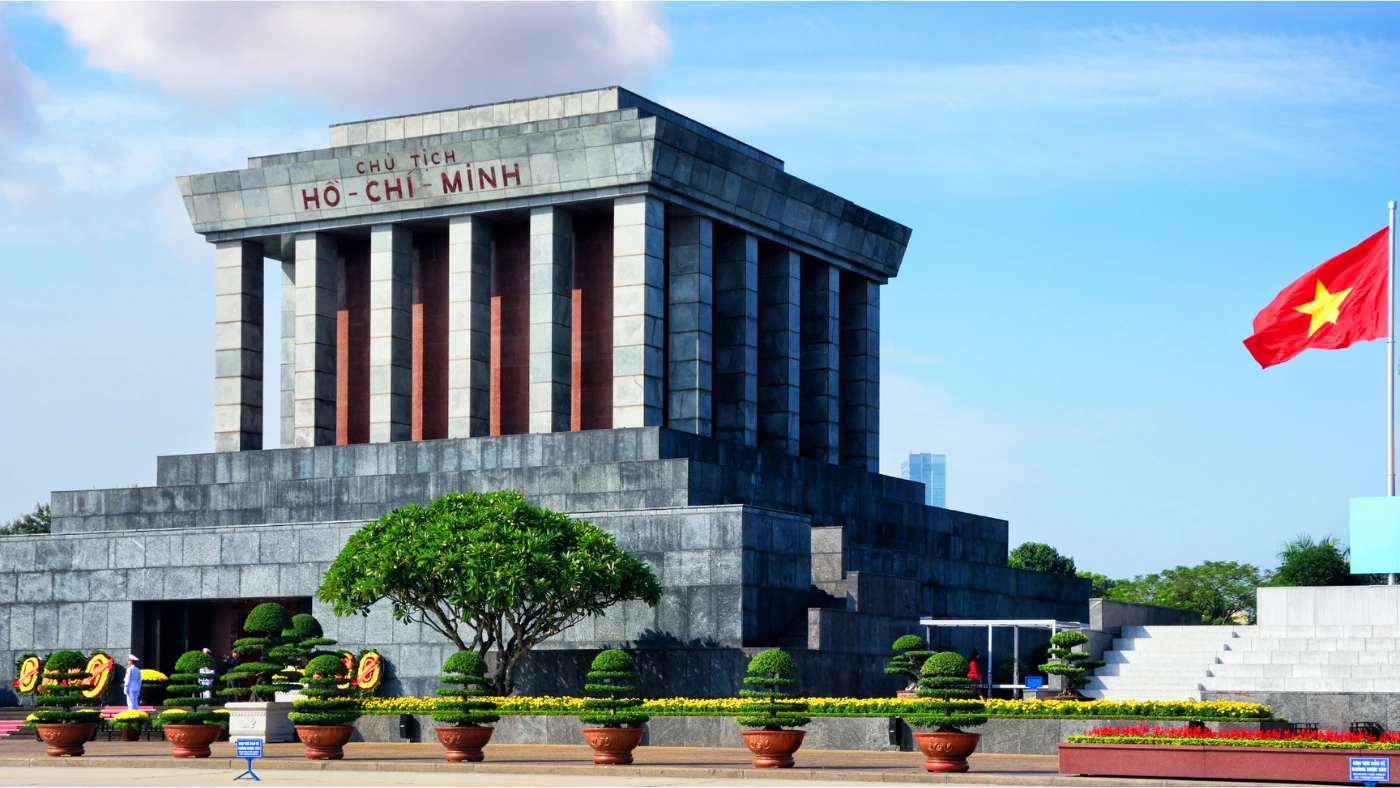
Visiting the mausoleum offers a deeper insight into the immense respect that Vietnamese people continue to hold for “Uncle Ho.” The atmosphere is solemn and dignified, with visitors moving quietly through the building to pay their respects. For many Vietnamese, the site represents not only a tribute to a national leader but also a symbol of unity and resilience.
The surrounding complex is equally worth exploring. Nearby, you’ll find Ho Chi Minh’s Stilt House, where he lived and worked for many years, as well as the Presidential Palace and beautifully landscaped gardens. Together, these sites provide a fascinating look into the modest lifestyle and enduring legacy of one of Vietnam’s most influential figures.
A visit here also offers a glimpse into an important part of contemporary Vietnamese culture and identity. Whether you’re interested in history, politics, or simply gaining a better understanding of the country, the Ho Chi Minh Mausoleum is one of the most meaningful places to see in Hanoi.
Friendly Tips:
- Dress respectfully by wearing clothing that covers your shoulders and knees.
- Arrive early in the morning to avoid long queues, especially during weekends and public holidays.
- The Ho Chi Minh Mausoleum is typically open from Tuesday to Sunday, with seasonal hours:
- 7:30 AM–10:30 AM in summer (April-October).
- 8:00 AM–11:00 AM in winter (November-March).
- Photography is not permitted inside the mausoleum.
- Check opening hours in advance, as the mausoleum closes on certain afternoons and during annual maintenance periods.
3. Discover the Temple of Literature
Among the most important cultural landmarks in Hanoi, the Temple of Literature offers visitors a journey through nearly a thousand years of Vietnamese history and scholarship. Founded in 1070 during the Ly Dynasty, the temple was originally dedicated to Confucius and later became Vietnam’s first national university, educating generations of scholars, mandarins, and royal officials.
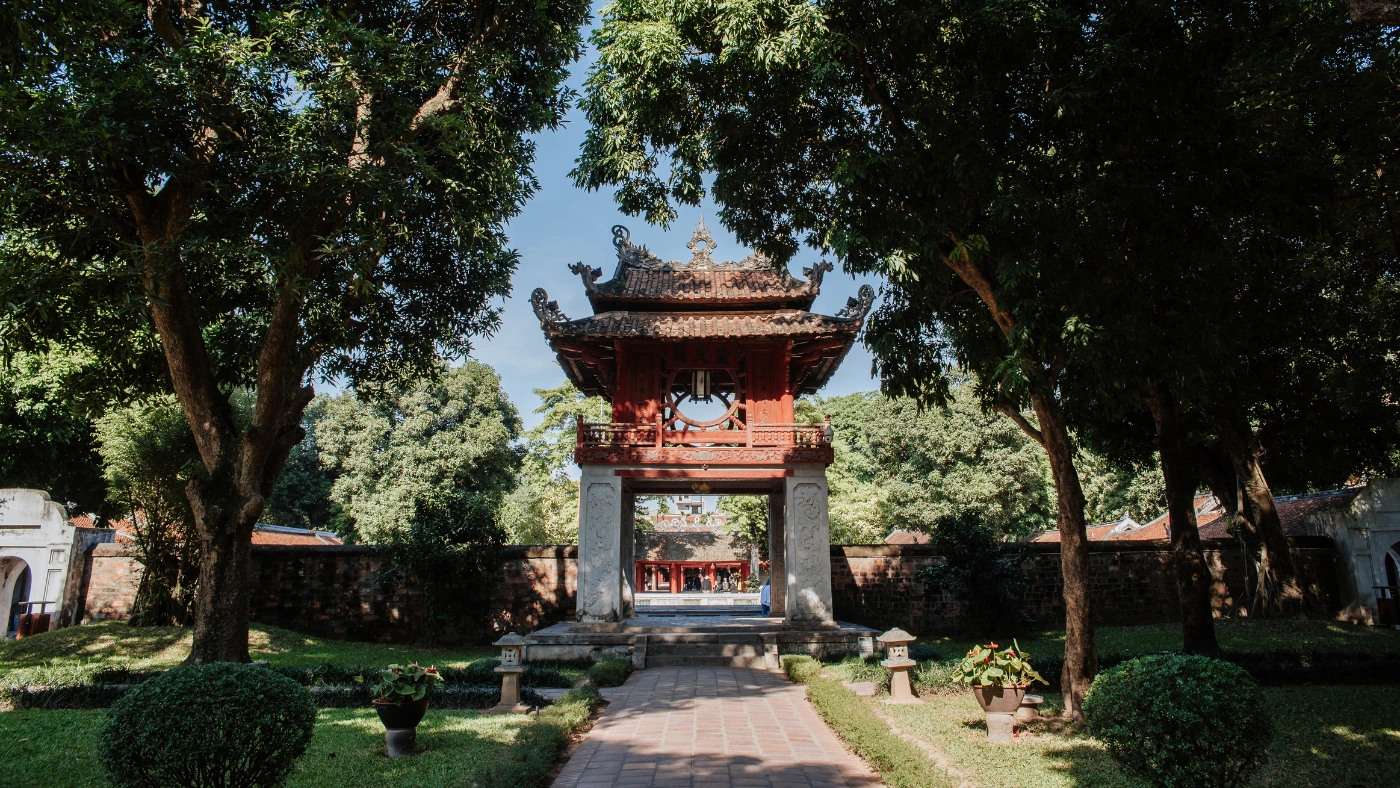
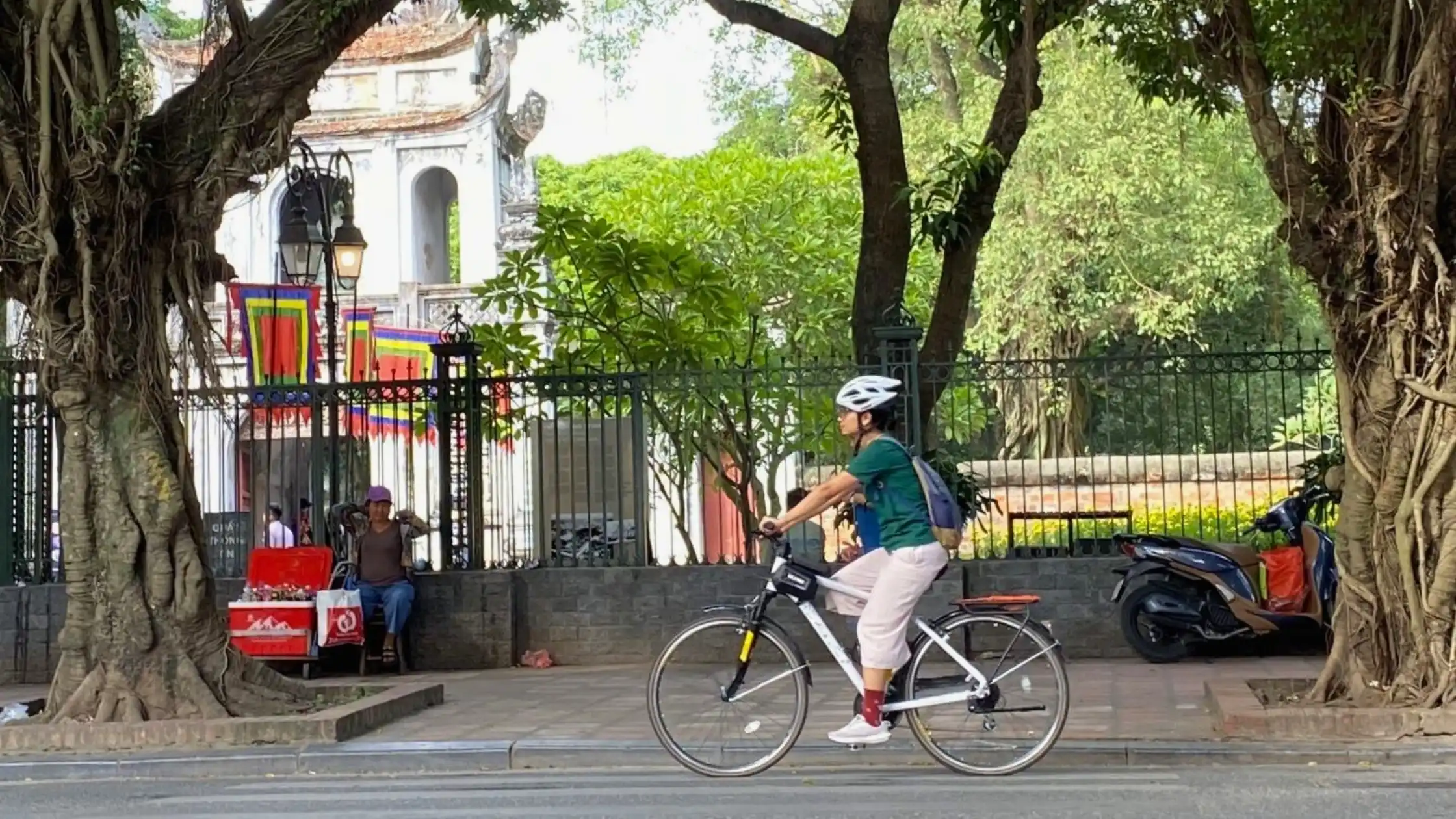
As you pass through its ancient gates, the noise of the city quickly fades away. The complex unfolds through a series of elegant courtyards, lotus ponds, traditional pavilions, and beautifully preserved architecture that reflects the values of learning and respect deeply rooted in Vietnamese society. Walking through these peaceful grounds feels like stepping back in time.
One of the site’s most remarkable features is the collection of stone steles mounted on the backs of giant turtles. These inscriptions record the names of successful doctoral candidates from royal examinations, celebrating academic achievement and preserving the legacy of Vietnam’s scholars. Today, many students still visit the temple before important exams to pray for good luck and success.
Beyond its historical significance, the Temple of Literature remains one of the most photogenic places in Hanoi. Its harmonious design, shaded walkways, and traditional architecture make it a favourite destination for both local visitors and international travellers. For anyone seeking to understand Vietnam’s cultural heritage, this is one of the most rewarding places to visit in Hanoi.
Friendly Tips:
- Visit early in the morning or late afternoon for cooler temperatures and fewer crowds.
- Allow at least one to two hours to fully explore the complex.
- Look for the stone steles that commemorate Vietnam’s most accomplished scholars.
- Visit during lotus season for particularly beautiful photographs.
- Dress respectfully, as the site remains an important cultural and educational symbol.
4. Wander Through Hanoi Old Quarter
If there is one place that captures the essence of Hanoi, it is the Old Quarter. This historic district, located just north of Hoan Kiem Lake, has been the commercial heart of the city for centuries. Its maze of narrow streets, traditional shop houses, and bustling markets offers visitors a fascinating glimpse into both Hanoi’s past and present.
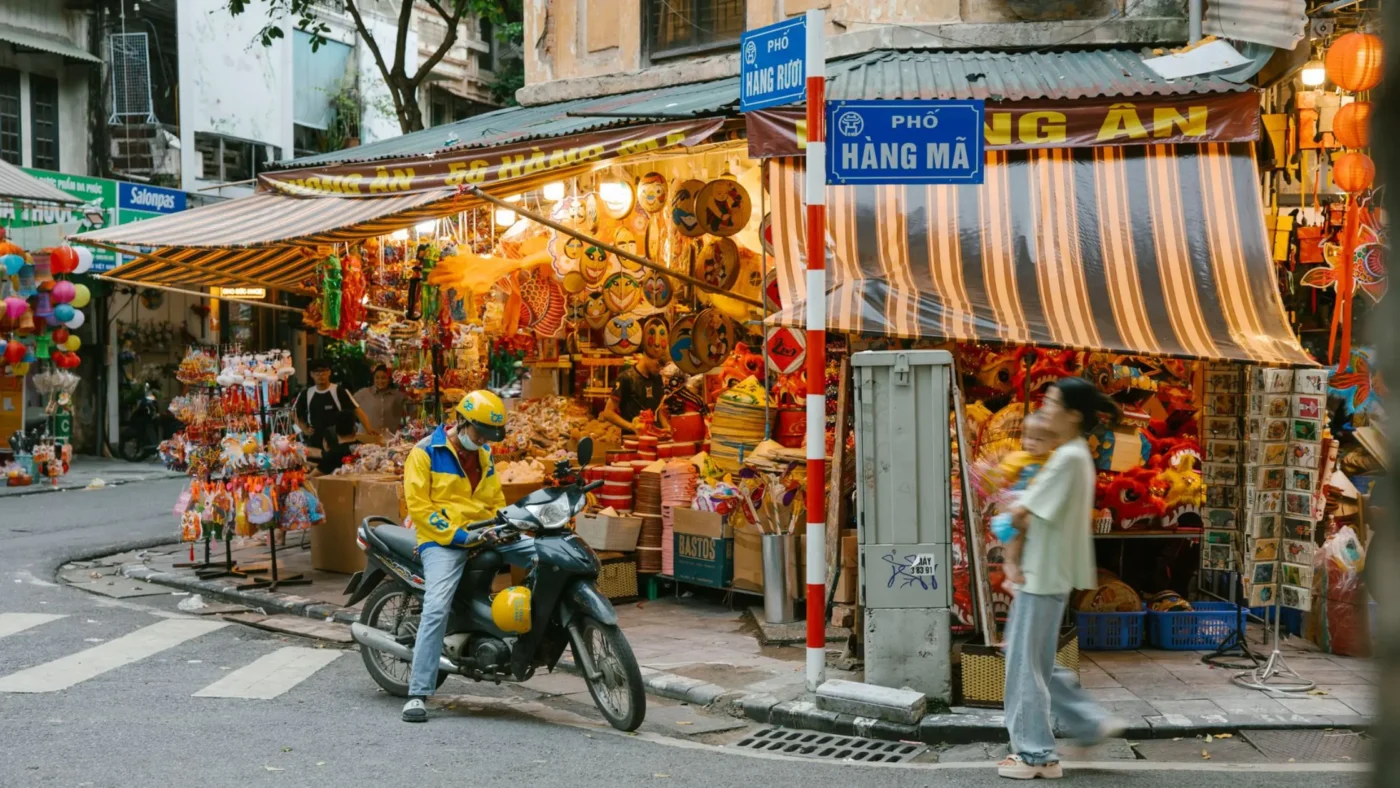
The Old Quarter is often known as the “36 Streets,” with many roads traditionally named after the goods once sold there. While modern businesses have transformed the area over time, traces of these historic trades remain visible. As you wander through the neighbourhood, you’ll encounter everything from family-run workshops and local eateries to boutique shops, art galleries, and hidden temples.
There’s no better way to soak up the Old Quarter than from the seat of a cyclo — Hanoi’s iconic three-wheeled bicycle taxi. As your driver pedals slowly through the maze of streets, you’ll pass rows of shophouses, street vendors, and hidden temples.
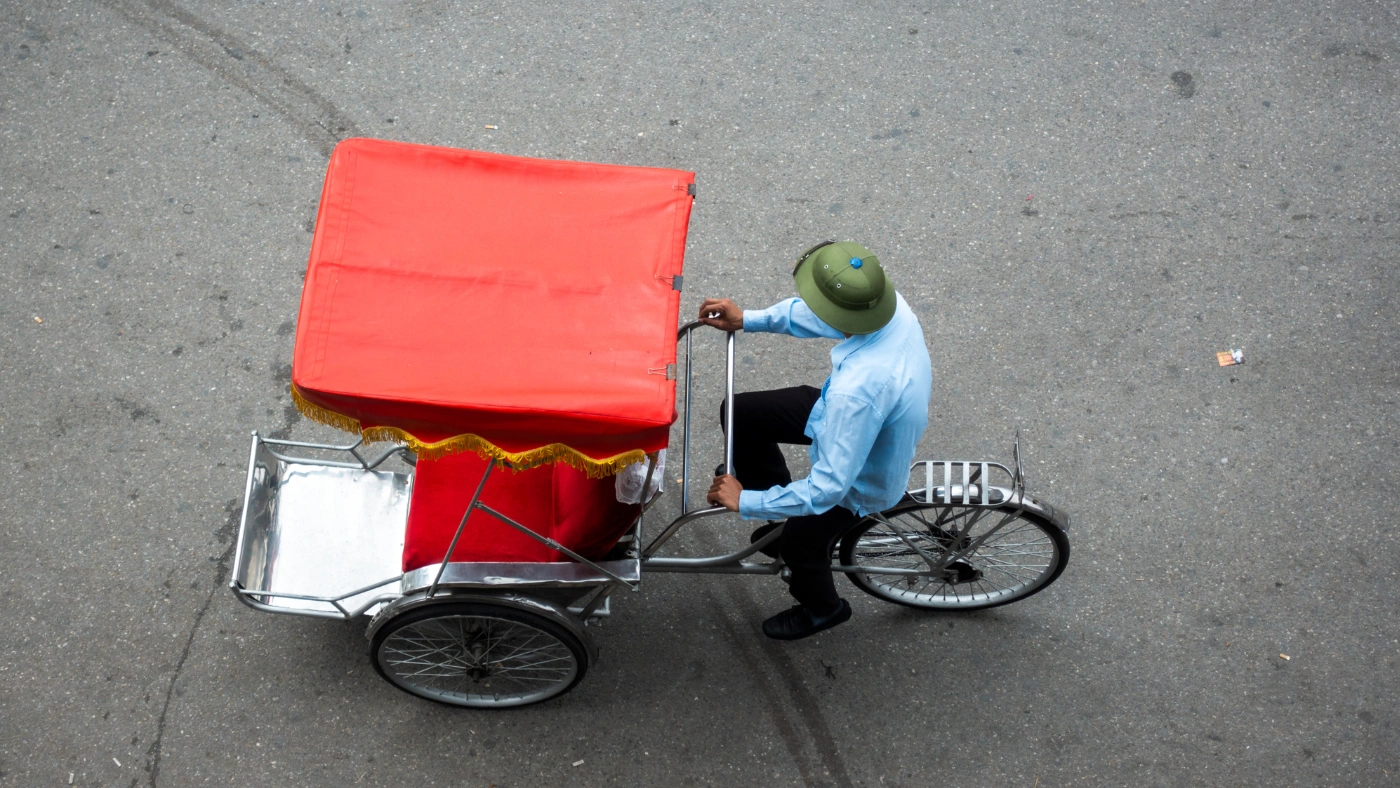
The ride gives you time to notice the details — families cooking together in tiny kitchens, vendors balancing bamboo poles heavy with fruit, and the constant buzz of scooters. It’s a window into the everyday life of Hanoi, best enjoyed at a leisurely pace.
What makes the Old Quarter truly special is its energy. Motorbikes weave through crowded streets, vendors prepare food on tiny plastic stools, and locals go about their daily routines just as they have for generations. Every turn reveals something unexpected, whether it’s a quiet courtyard, a centuries-old communal house, or a tucked-away café overlooking the rooftops.
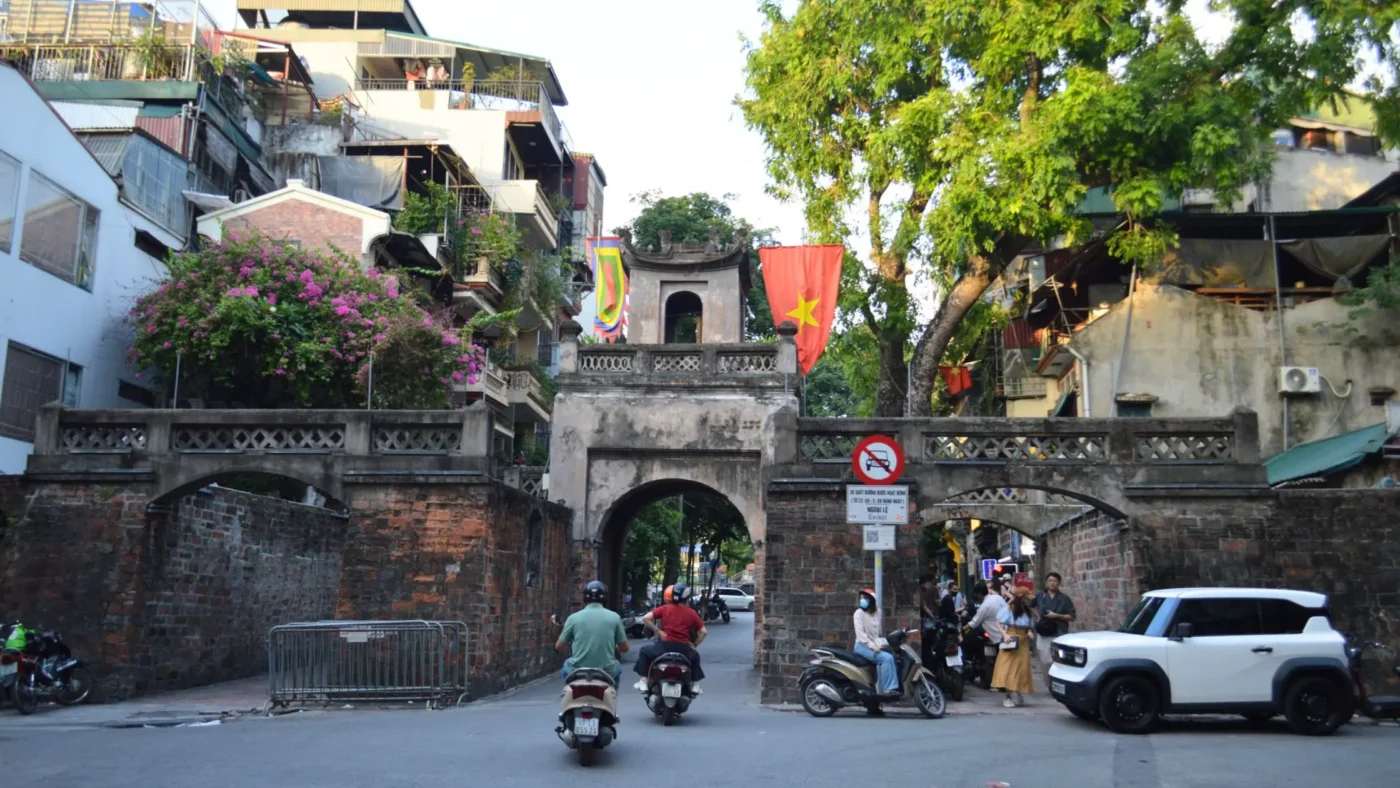
The district is also one of the best places in Hanoi to experience the city’s famous street food culture. From steaming bowls of pho and bun cha to freshly brewed Vietnamese coffee, culinary discoveries await around almost every corner. Exploring without a fixed itinerary is often the best way to appreciate the charm and character of this remarkable neighbourhood.
For many visitors, the Old Quarter becomes their favourite part of Hanoi because it offers a perfect blend of history, culture, food, and everyday local life. It is not simply a place to visit but an experience to immerse yourself in.
Friendly Tips:
- Explore on foot to fully appreciate the atmosphere and discover hidden corners.
- Visit both during the day and in the evening, when the area takes on a completely different character.
- Try local street food from busy stalls that are popular with residents.
- Stay aware of traffic, as motorbikes frequently share the roads with pedestrians.
- Allow plenty of time to wander without a strict plan, as some of the best discoveries happen unexpectedly.
5. Admire St. Joseph’s Cathedral
Standing proudly in the heart of Hanoi, St. Joseph’s Cathedral is one of the city’s most distinctive architectural landmarks. Built in 1886 during the French colonial era, the cathedral was inspired by the famous Notre-Dame de Paris and remains the oldest church in Hanoi. Its neo-Gothic design, soaring twin bell towers, and stained-glass windows create a striking contrast to the traditional Vietnamese architecture found elsewhere in the city.
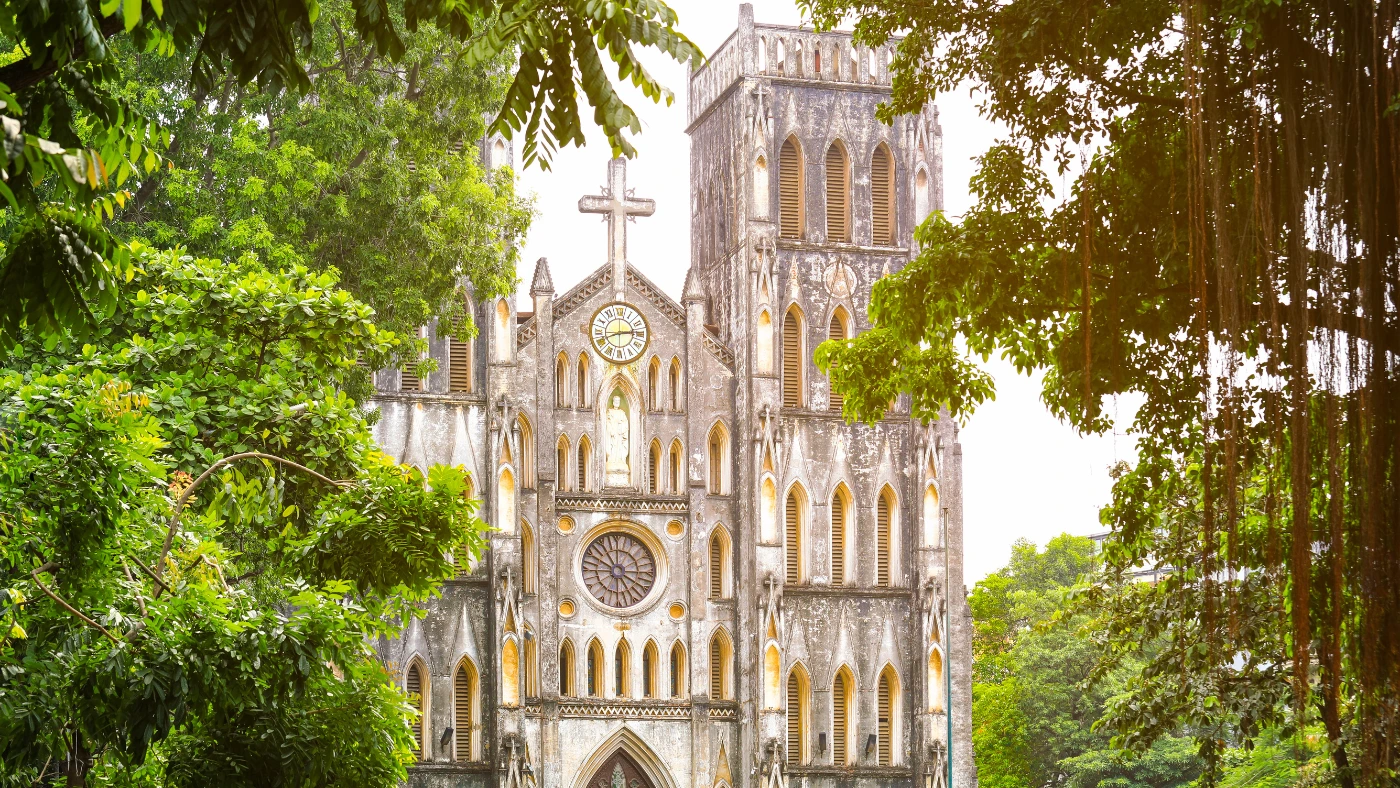
As you approach the cathedral, you’ll notice how it serves as both a historical monument and a vibrant gathering place. The square in front of the church is lined with cafés, restaurants, and small shops, making it a popular meeting point for locals and visitors alike. Throughout the day, people gather here to enjoy coffee, take photographs, and admire the impressive facade.
Beyond its religious significance, St. Joseph’s Cathedral reflects an important chapter in Hanoi’s history. It stands as a reminder of the city’s colonial past while continuing to play an important role in its modern cultural life. Whether you’re interested in architecture, history, photography, or simply enjoying the atmosphere of the surrounding neighbourhood, this is one of the most rewarding places to visit in Hanoi.
Friendly Tips:
- Visit early in the morning for quieter surroundings and better photography opportunities.
- Check the mass schedule if you’d like to attend a service.
- Dress respectfully when entering the cathedral.
- Enjoy a cup of Vietnamese coffee at one of the nearby cafés overlooking the square.
- Combine your visit with nearby attractions such as Hoan Kiem Lake and Hanoi Old Quarter.
>>> See more: Discover Hanoi at sunrise with our Good Morning Hanoi half-day tour
6. Visit the Thang Long Imperial Citadel
For travellers interested in Vietnam’s rich history, the Thang Long Imperial Citadel is one of the most fascinating places to visit in Hanoi. Recognised as a UNESCO World Heritage Site, this historic complex represents more than 1,300 years of political and cultural history and served as the centre of power for several Vietnamese dynasties.
The origins of the citadel date back to the 7th century, but it reached its greatest significance when Emperor Ly Thai To established Thang Long, the former name of Hanoi, as the capital of Vietnam in 1010. Over the centuries, the citadel witnessed the rise and fall of dynasties, foreign invasions, and major events that shaped the nation.
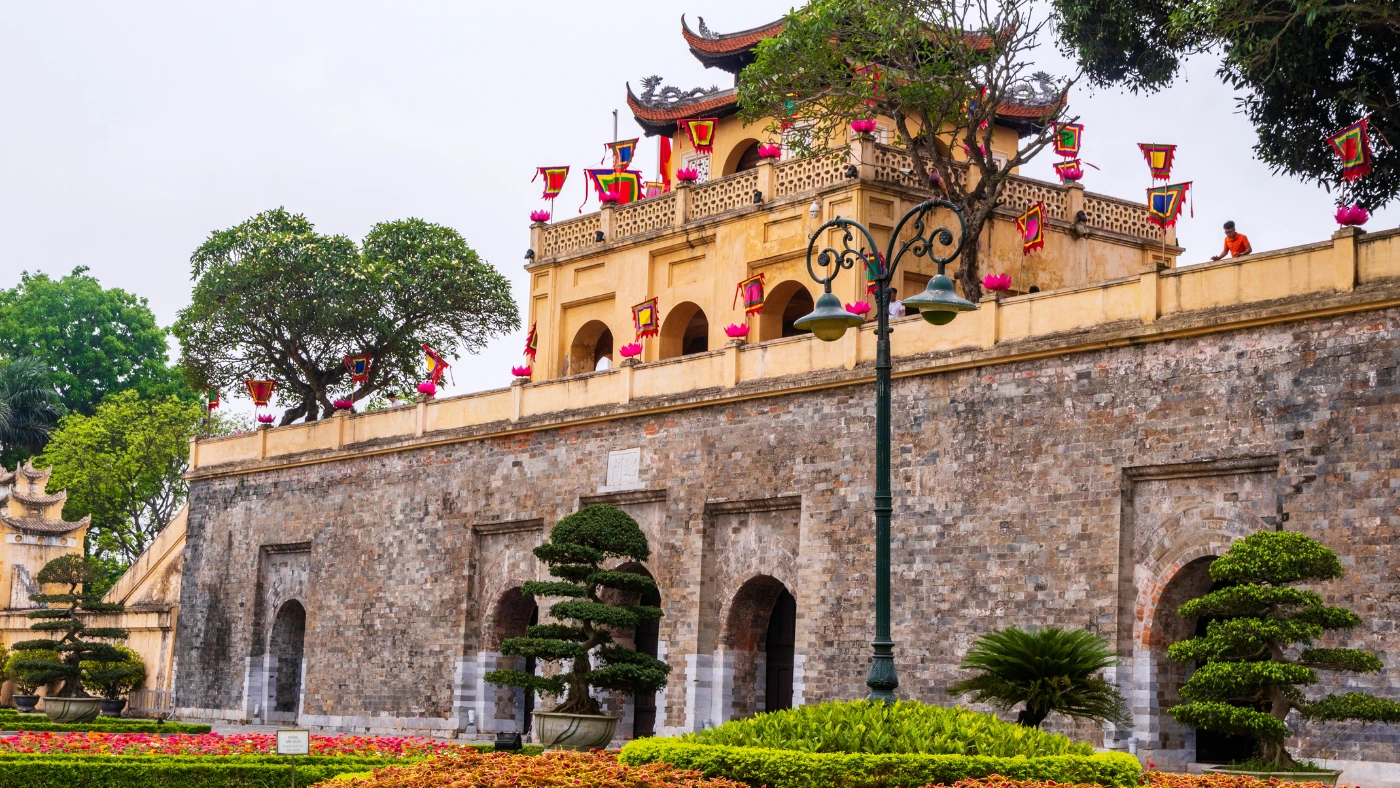
Unlike many historical sites that focus on a single era, the Thang Long Imperial Citadel reveals layer upon layer of history. Walking through the grounds allows visitors to trace Hanoi’s development from an ancient capital to the vibrant metropolis it is today. For anyone seeking a deeper understanding of Vietnam’s heritage, this site offers one of the most rewarding cultural experiences in the city.
One of the most recognisable landmarks within the complex is the Hanoi Flag Tower, which has become a symbol of the city’s resilience and enduring spirit. Nearby exhibits provide valuable insights into both the royal courts of the past and the military history of modern Vietnam.
Friendly Tips:
- Allow at least two hours to fully explore the site and exhibitions.
- Visit in the morning for cooler temperatures and fewer visitors.
- Wear comfortable walking shoes, as much of the complex is outdoors.
- Consider hiring a guide to better understand the historical significance of the archaeological remains.
- Combine your visit with nearby attractions such as the Ho Chi Minh Mausoleum and Temple of Literature.
7. Walk Across Long Bien Bridge
Stretching across the Red River, Long Bien Bridge is more than just a transportation link. It is one of Hanoi’s most enduring symbols and a living reminder of the city’s turbulent history. Completed in 1902 during the French colonial period, the bridge was considered an engineering marvel of its time and remains one of the most recognisable landmarks in the Vietnamese capital.
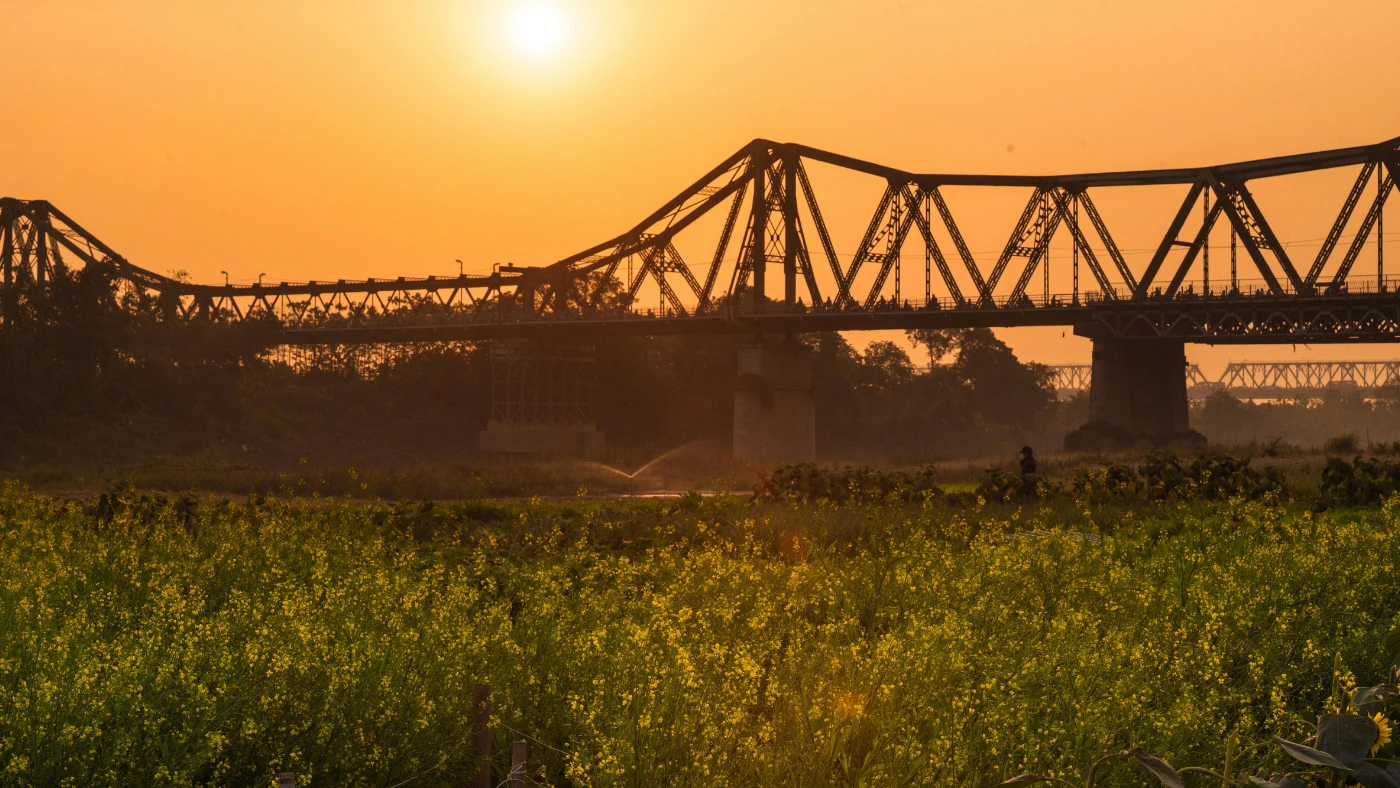
Designed by the company associated with French engineer Gustave Eiffel, Long Bien Bridge played a crucial role in connecting Hanoi with northern provinces and regional trade routes. Throughout the decades, it witnessed major historical events, including periods of war when sections of the bridge were repeatedly damaged and rebuilt. Today, its weathered steel structure tells a story of resilience, endurance, and survival.
Unlike many modern bridges, Long Bien feels deeply connected to the people who use it. Cyclists, pedestrians, vendors, and commuters all share the space, creating a constantly changing scene that reflects the rhythm of Hanoi itself. Photographers are particularly drawn to the bridge for its industrial beauty, historic character, and stunning sunrise and sunset views.
For travellers looking beyond Hanoi’s most famous monuments, Long Bien Bridge offers an authentic glimpse into the city’s past and present. It is a place where history is not confined to museums but continues to exist as part of daily life.
Friendly Tips:
- Visit at sunrise or sunset for the most beautiful views and photography opportunities.
- Stay alert when trains are approaching and follow local safety instructions.
- Wear comfortable shoes, as the bridge is best explored on foot.
- Bring a camera to capture the bridge’s historic architecture and river landscapes.
- Combine your visit with nearby Long Bien Market for a deeper insight into local life.
8. Relax Around West Lake & Tran Quoc Pagoda
While Hanoi is often associated with its bustling streets and energetic atmosphere, West Lake offers a refreshing change of pace. Covering more than 500 hectares, it is the largest lake in the city and a favourite retreat for locals seeking fresh air, scenic views, and a break from urban life. With its tree-lined roads, lakeside cafés, and peaceful surroundings, West Lake reveals a quieter and more relaxed side of the Vietnamese capital.
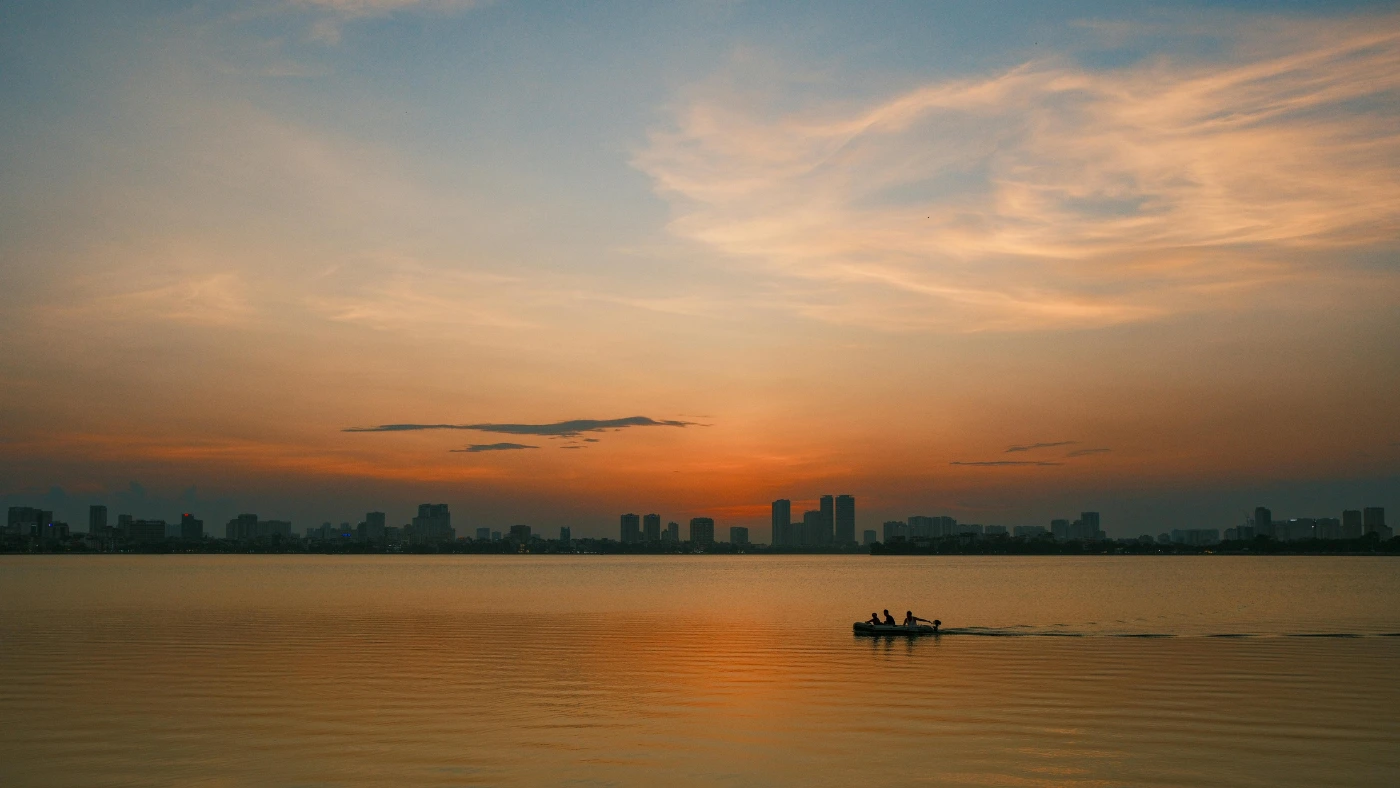
One of the area’s most iconic attractions is Tran Quoc Pagoda, located on a small peninsula extending into the lake. Dating back more than 1,500 years, it is considered the oldest Buddhist temple in Hanoi and one of the most important spiritual sites in Vietnam. The pagoda’s elegant red tower, ancient statues, and tranquil gardens create a serene atmosphere that attracts both worshippers and visitors throughout the year.
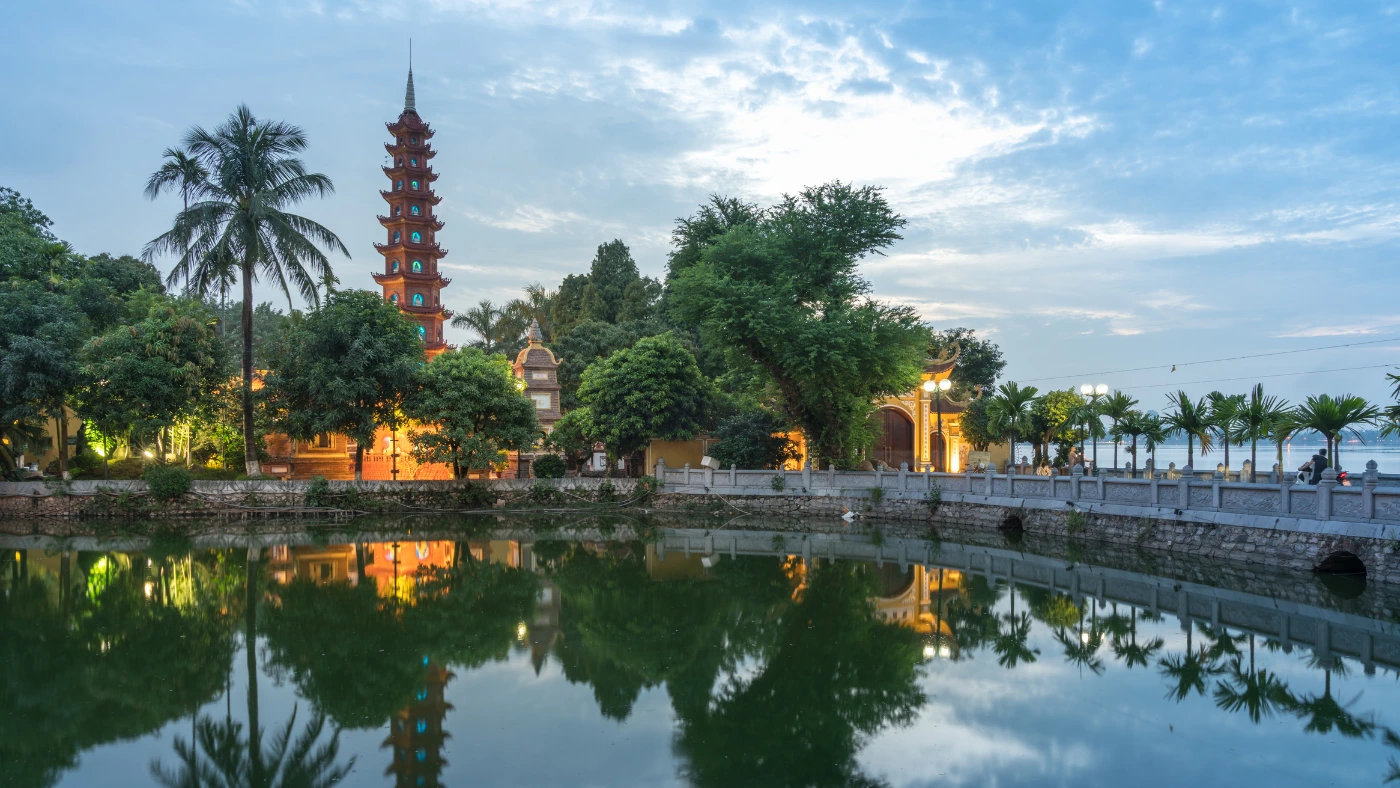
Beyond its religious significance, Tran Quoc Pagoda is also one of the most photogenic locations in Hanoi. Reflections of the temple on the lake’s surface, particularly during sunrise and sunset, create stunning scenes that have become favourites among photographers. The peaceful setting encourages visitors to slow down, take in their surroundings, and appreciate a different rhythm of life.
The wider West Lake area is equally rewarding to explore. The shoreline is dotted with stylish cafés, rooftop bars, international restaurants, and local eateries, making it a popular destination for both residents and expatriates. Many visitors choose to rent a bicycle and cycle around the lake, enjoying views of the water while discovering hidden temples and quiet neighbourhoods along the way.
Whether you’re interested in history, spirituality, photography, or simply relaxing by the water, West Lake and Tran Quoc Pagoda offer one of the most enjoyable and memorable experiences in Hanoi.
Friendly Tips:
- Visit Tran Quoc Pagoda early in the morning for a peaceful atmosphere and fewer crowds.
- Dress modestly when entering the temple grounds.
- Consider renting a bicycle to explore the 17-kilometre route around West Lake.
- Visit at sunset for some of the most beautiful views in Hanoi.
- Allow time to enjoy one of the lakeside cafés or restaurants after your visit.
9. Try Hanoi Street Food
One of the most memorable things to do and see in Hanoi is to explore its incredible street food scene. Food is deeply woven into the city’s culture, and some of the best culinary experiences can be found not in restaurants, but on busy pavements, hidden alleyways, and bustling street corners where recipes have been passed down through generations.
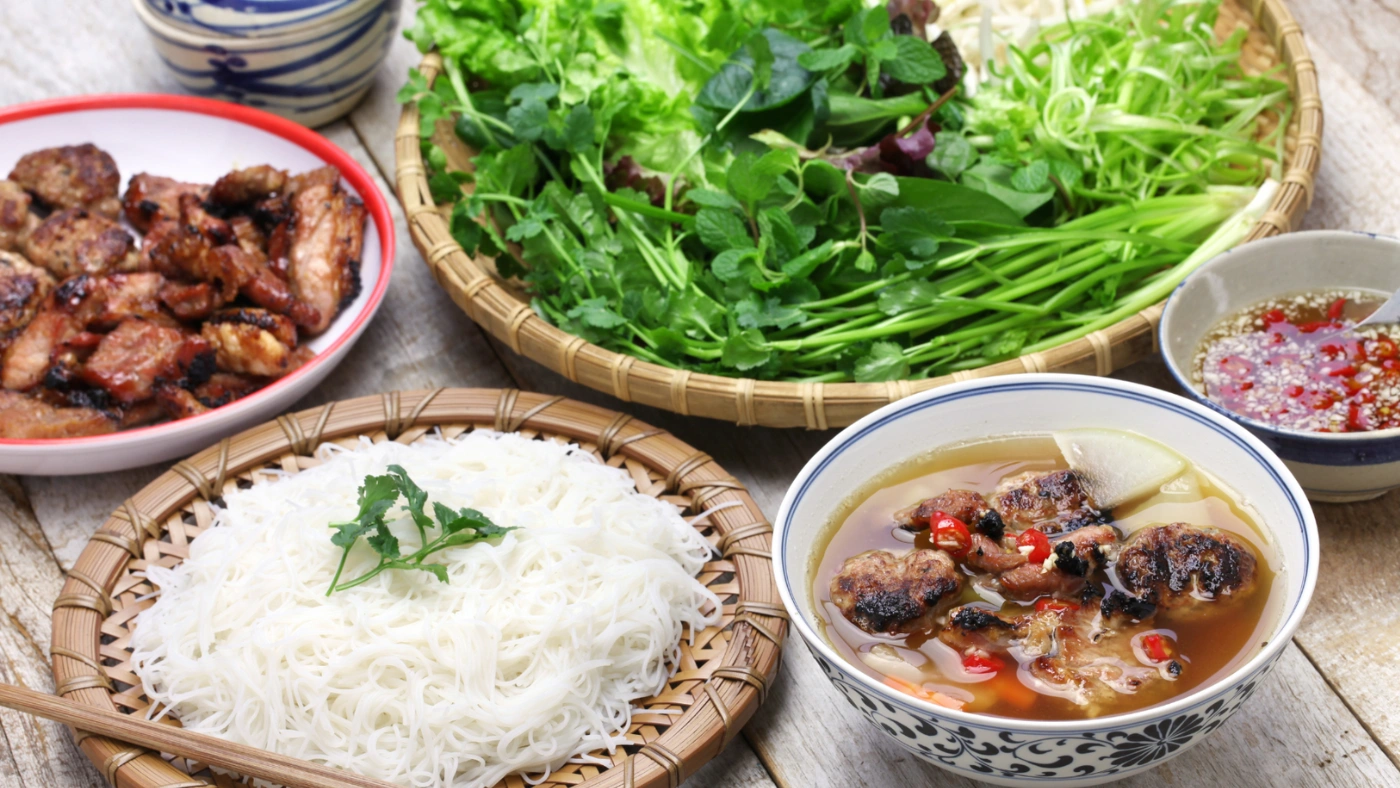
Hanoi is the birthplace of many of Vietnam’s most famous dishes. Start your culinary journey with a steaming bowl of pho, the country’s iconic noodle soup, traditionally enjoyed for breakfast. Another local favourite is bun cha, featuring grilled pork served with rice noodles, fresh herbs, and a savoury dipping sauce. For coffee lovers, no visit is complete without trying egg coffee, a uniquely Hanoian creation made from whipped egg yolk, sugar, and robust Vietnamese coffee.
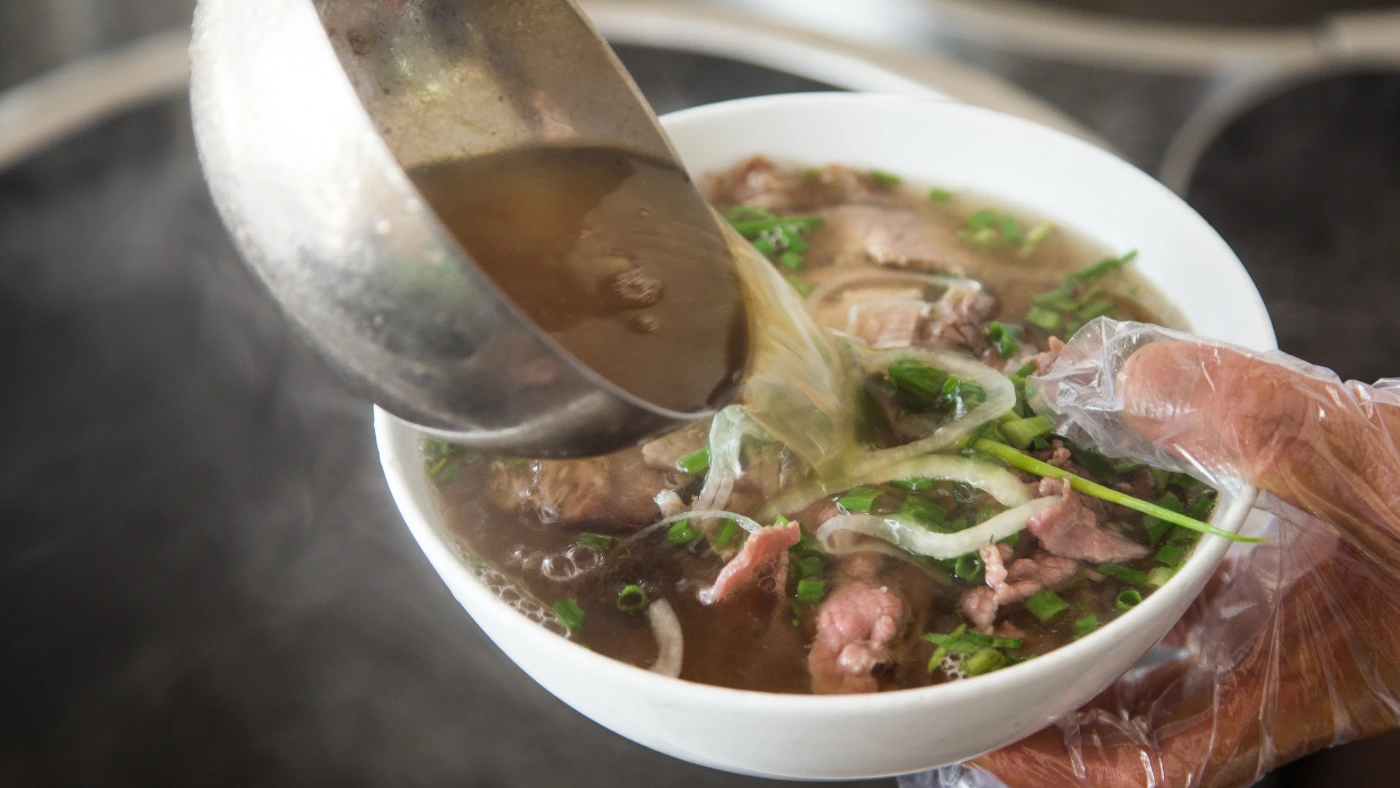
What makes street food in Hanoi so special is not only the food itself but also the atmosphere. Tiny plastic stools spill onto pavements, vendors cook over charcoal grills, and conversations flow between locals and visitors alike. Dining here offers an authentic glimpse into everyday life and provides a connection to the city’s culture that few other experiences can match.
>> See more: Craving local flavors? Discover our guides to must-try summer street food in Hanoi – Part 1 and Part 2
The variety is endless. Beyond the famous dishes, visitors can sample banh cuon (steamed rice rolls), bun rieu (crab noodle soup), xoi (sticky rice), and countless seasonal snacks. Every neighbourhood has its own culinary treasures, and discovering them often becomes one of the highlights of a trip to Hanoi.
For many travellers, Hanoi’s food scene is reason enough to return. Whether you’re joining a guided food tour or simply following the crowds to a busy local stall, eating your way through the city is one of the best ways to understand its character and charm.
Friendly Tips:
- Choose food stalls that are busy with local customers, as this often indicates quality and freshness.
- Be adventurous and try dishes beyond the famous pho and bun cha.
- Join a street food tour if you want to learn more about the ingredients, history, and cultural significance of the dishes.
- Don’t miss Hanoi’s famous egg coffee, one of the city’s most iconic culinary experiences.
- Carry cash, as many small vendors do not accept cards.
10. Watch a Traditional Water Puppet Show
Few cultural experiences are as uniquely Vietnamese as a traditional water puppet show. Originating in the rice-growing villages of northern Vietnam more than a thousand years ago, this art form began when farmers entertained their communities by performing puppet shows in flooded rice fields. Today, it remains one of Hanoi’s most beloved cultural traditions and one of the most memorable experiences for visitors.
During a performance, colourful wooden puppets appear to glide effortlessly across a water stage while hidden puppeteers control them from behind a screen. Accompanied by live traditional music, singing, and narration, the stories often depict scenes of rural life, historical legends, folk tales, and Vietnamese cultural traditions.
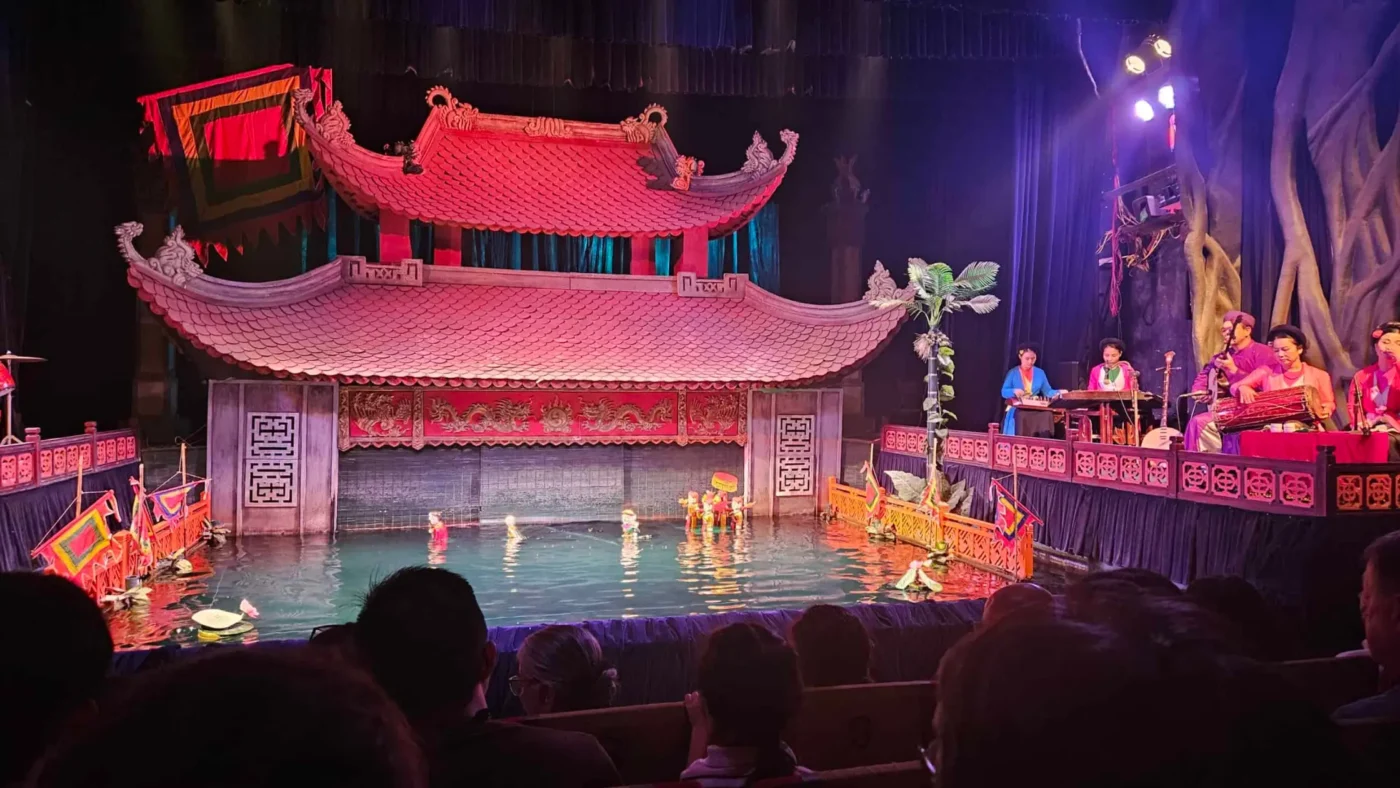
The most famous venue is the Thang Long Water Puppet Theatre, located near Hoan Kiem Lake. Its central location makes it an easy addition to any Hanoi itinerary, and performances are accessible even for visitors who do not speak Vietnamese. The visual storytelling, music, and humour create an engaging experience that appeals to all ages.
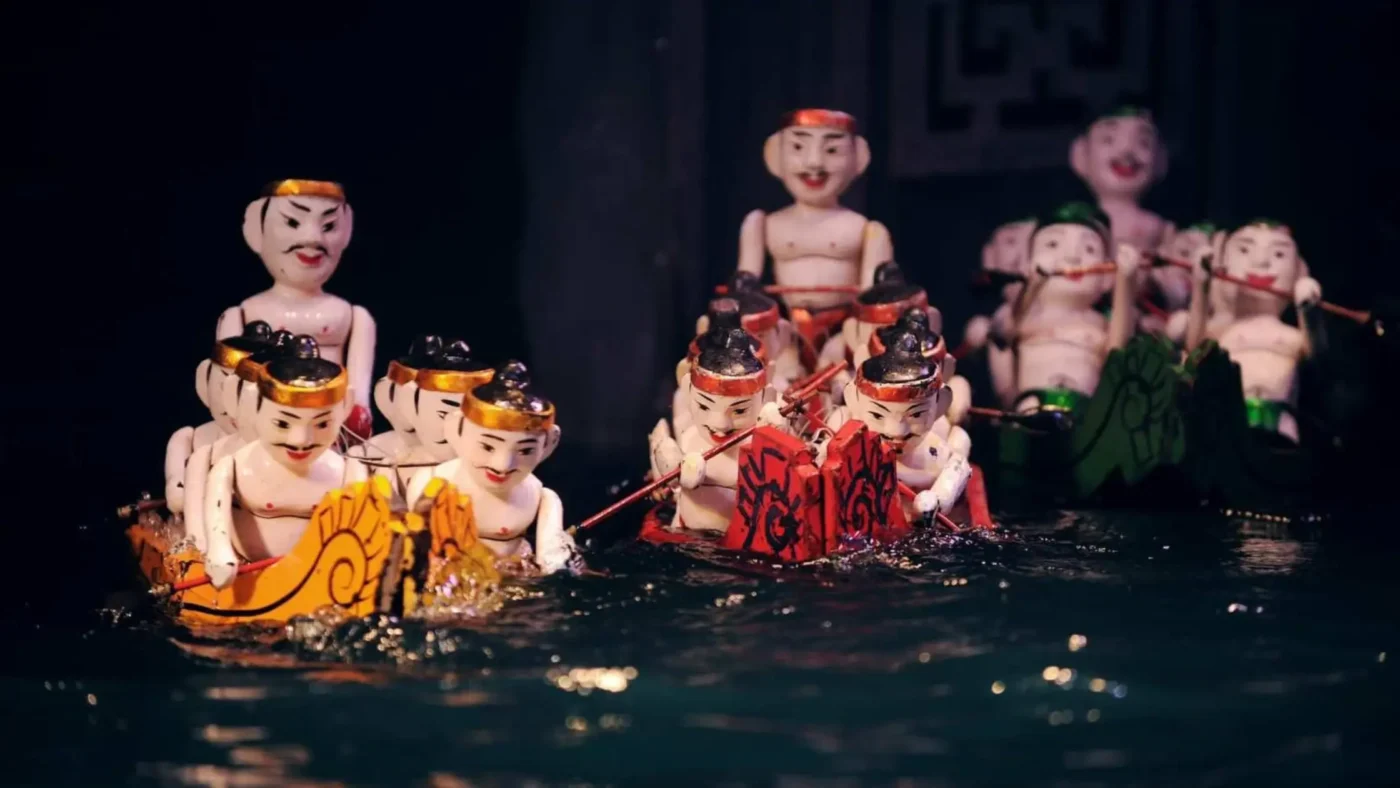
Beyond the entertainment value, a water puppet show offers valuable insight into Vietnam’s cultural heritage and artistic traditions. It is a rare opportunity to experience a form of performance that exists almost nowhere else in the world. For first-time visitors, it provides a fitting conclusion to a journey through Hanoi’s history, culture, and local life.
Friendly Tips:
- Choose seats near the centre of the theatre for the best views.
- Visit an evening performance after exploring Hoan Kiem Lake and the Old Quarter.
- Consider reading a brief introduction to Vietnamese folklore beforehand to better appreciate the stories being performed.
Travel Tips for Hanoi
Hanoi is a city that rewards spontaneity, but a few insider tips can make your visit even smoother. From knowing the best seasons to travel, to figuring out how to get around the bustling streets, and how much time to spend here, these practical suggestions will help you enjoy the city like a local while avoiding common travel hiccups.
Best Time to Visit Hanoi
The best time to visit Hanoi is during the autumn months of October to November and spring months of March to April, when the weather is mild, dry, and comfortable. The city’s tree-lined boulevards glow with golden leaves in autumn, while spring brings blossoms and fresh greenery. These seasons are perfect for walking tours, outdoor markets, and exploring lakes and gardens.
Summers (May to August) can be hot and humid with sudden showers, though this also means fewer crowds and lower prices. Winters (December to February) are cooler and sometimes misty, creating a unique, atmospheric charm — so pack accordingly. No matter when you come, Hanoi has its own beauty in every season.
How to Get Around
Getting around Hanoi is part of the adventure. The Old Quarter is best explored on foot, as its narrow lanes are full of hidden gems you’ll miss from a car. For longer distances, taxis and ride-hailing apps like Grab are reliable and inexpensive, making them a convenient option for travelers.
If you want a more local experience, try a cyclo ride for short distances or hop on a public bus to reach places like the Ethnology Museum or West Lake. Just be prepared for Hanoi’s famously busy traffic — crossing the street requires confidence and a steady pace, as scooters will weave around you rather than stop.
Suggested Length of Stay
For most travelers, 3 to 4 days in Hanoi is ideal to see the main highlights without rushing. This gives you time to explore the Old Quarter, visit the top cultural sites, and enjoy a few local experiences like a cooking class or water puppet show.
If you have more time, a 5 to 7-day stay allows you to explore nearby destinations such as Bat Trang Pottery Village, Ninh Binh, or even an overnight cruise on Ha Long Bay. Hanoi is not just a stopover — it’s a destination that deepens the longer you stay, with endless layers of history, food, and local life waiting to be discovered.
Final Thoughts: 10 Top Things to Do in Hanoi
Hanoi is a city that never fails to leave an impression. From its centuries-old temples and colonial landmarks to its buzzing street food stalls and lakeside cafés, the capital is a place where every turn offers a new story. Whether you’re here for a short stop or a longer journey, the mix of history, culture, and everyday life ensures there are always new things to do and see in Hanoi.
As Vietnam’s cultural heart, Hanoi invites travelers not just to visit, but to experience — to sip coffee with locals, wander through ancient courtyards, and discover the city’s rhythm at their own pace. However you choose to explore, one thing is certain: Hanoi will stay with you long after you’ve left.
Frequently Asked Questions
Q1. What are the best things to do and see in Hanoi?
Some of the best things to do and see in Hanoi include visiting Hoan Kiem Lake, the Old Quarter, the Ho Chi Minh Mausoleum, and the Temple of Literature. Don’t miss exploring local markets, tasting Hanoi street food, and enjoying cultural activities like cooking classes or cycling around West Lake.
Q2. What are the top attractions in Hanoi?
The Hanoi top attractions are Hoan Kiem Lake & Ngoc Son Temple, the Imperial Citadel of Thang Long, St. Joseph’s Cathedral, Long Bien Bridge, and the Vietnam Museum of Ethnology. These sites highlight the city’s mix of history, spirituality, and local life.
Q3. How many days should I spend in Hanoi?
Most travelers find that 3 to 4 days is enough to see the main Hanoi sightseeing places and enjoy a mix of activities. If you have more time, staying 5–7 days lets you explore nearby destinations like Bat Trang Pottery Village, Ninh Binh, or Ha Long Bay.
Q4. What are the best places to visit in Hanoi, Vietnam for first-time travelers?
For first-time visitors, must-see places include the Old Quarter, Hoan Kiem Lake, the Temple of Literature, and the Ho Chi Minh Mausoleum. These spots give you a good introduction to Hanoi’s culture, history, and local life.
Q5. What is Hanoi famous for?
Hanoi is famous for its rich history, French colonial architecture, traditional street food, and cultural activities. Highlights include pho, bun cha, egg coffee, and unique experiences like local markets and the vibrant Old Quarter.
Q6. When is the best time to visit Hanoi?
The best time to visit Hanoi is in spring (March–April) and autumn (October–November) when the weather is cooler and more pleasant. Summer can be hot and humid, while winter is cooler and misty but still atmospheric.
Q7. How do I get around Hanoi?
The Old Quarter is best explored on foot. For longer distances, taxis and ride-hailing apps like Grab are convenient and inexpensive. You can also take cyclos for short rides or rent bicycles around West Lake.

Hoang Yen leads product development and supplier partnerships at Footprint Travel, where she designs and refines travel experiences across Vietnam. Working closely with local communities and operational teams, she ensures each program reflects both authenticity and practical execution.
With strong on-the-ground knowledge and a focus on responsible travel, Yen contributes to building journeys that are meaningful, well-structured, and aligned with sustainable tourism principles.