















Vietnam Tour Safety: Managing Operational Risks in Vietnam
Vietnam tour safety is an important consideration for travel professionals organizing itineraries across the country’s diverse destinations. From vibrant urban centers and UNESCO-listed heritage sites to remote mountain landscapes and coastal regions, Vietnam offers an exceptional range of travel experiences. This diversity has helped position the country as a popular destination for international travelers seeking cultural immersion, natural beauty, and authentic local experiences.
Vietnam Tourism Snapshot
- 12.6 million international visitors in 2023. (Vietnam National Administration of Tourism)
- 18 million international visitors in 2019. (Vietnam National Administration of Tourism)
- Tourism contributed 9–10% of GDP pre-pandemic. (World Travel & Tourism Council)
- Vietnam stretches over 1,600 km from north to south.
At the same time, Vietnam is widely regarded as one of the more stable destinations in the region. The Global Peace Index, published by the Institute for Economics and Peace, consistently ranks Vietnam among the more peaceful countries in Southeast Asia, contributing to its reputation as a safe and welcoming destination for international visitors.

However, the same diversity that makes Vietnam attractive also creates a complex operational environment for travel professionals. Differences in geography, infrastructure, seasonal weather conditions, and regional logistics can all influence how tours are designed and delivered.
Understanding these operational realities is essential for travel professionals who aim to deliver safe, well-coordinated, and reliable travel programs. This article explores how safety and risk management are integrated into Vietnam tour operations and how structured operational processes help ensure smooth travel experiences for international partners and their clients.
Understanding Vietnam Tour Safety and Risk Factors
Vietnam offers an extraordinary range of travel experiences, from bustling cities and cultural heritage sites to remote mountains and coastal landscapes. Over the past decade, the country has emerged as one of Southeast Asia’s fastest-growing tourism destinations. According to the Vietnam National Administration of Tourism (VNAT), Vietnam welcomed 12.6 million international visitors in 2023, marking a strong recovery of the tourism sector and reinforcing Vietnam’s position as a key destination in the region.
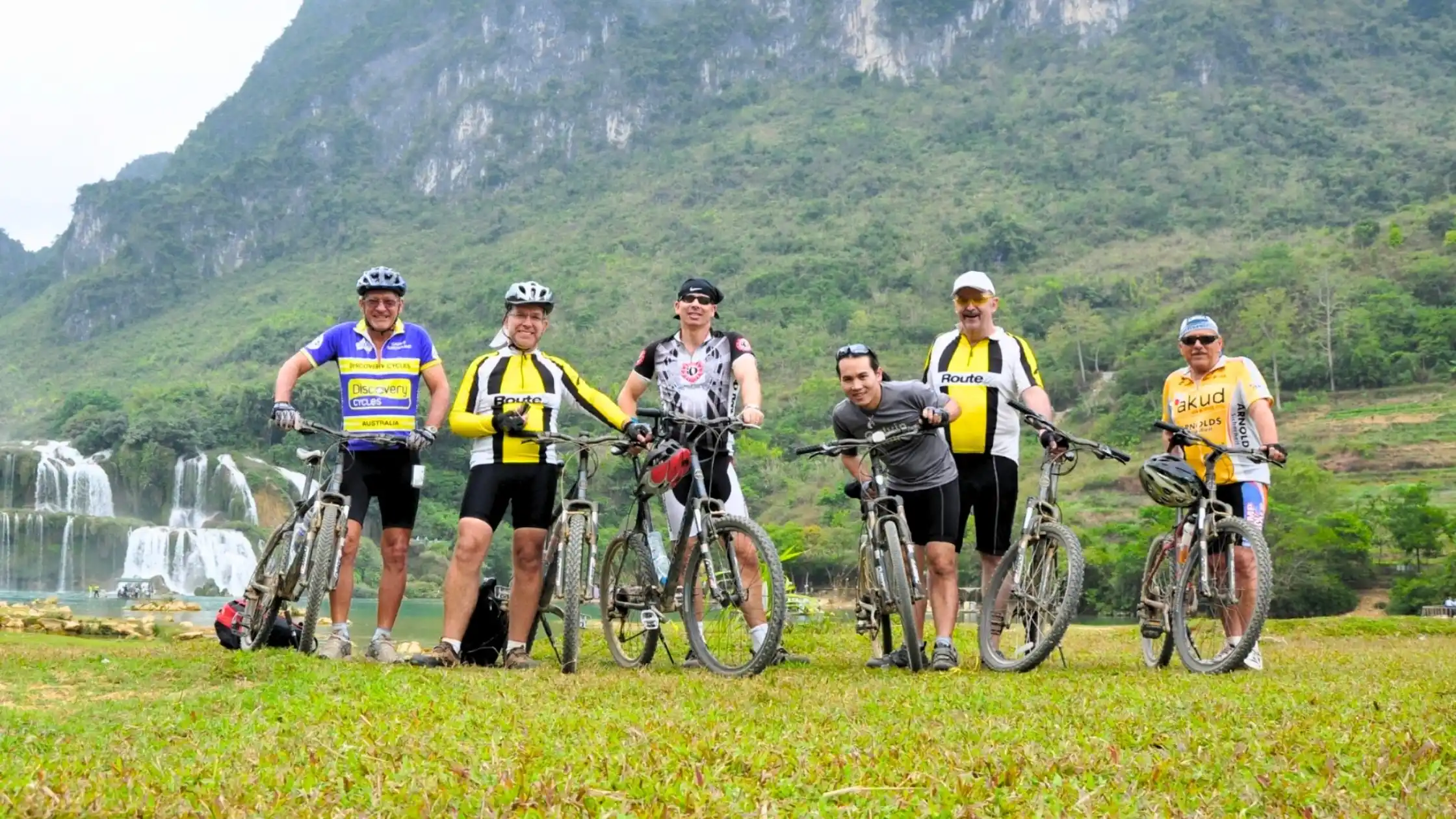
This rapid growth reflects increasing global interest in Vietnam’s diverse landscapes, cultural heritage, and expanding travel infrastructure. However, the same diversity that makes the country appealing also creates a complex operational environment for tour organizers.
Factors such as changing weather conditions, varied terrain, infrastructure differences between regions, and fluctuating visitor volumes can all influence how tours are planned and delivered. Understanding this risk landscape is therefore essential for travel professionals who aim to design safe, reliable, and well-managed journeys across Vietnam.
Geographic Diversity and Infrastructure
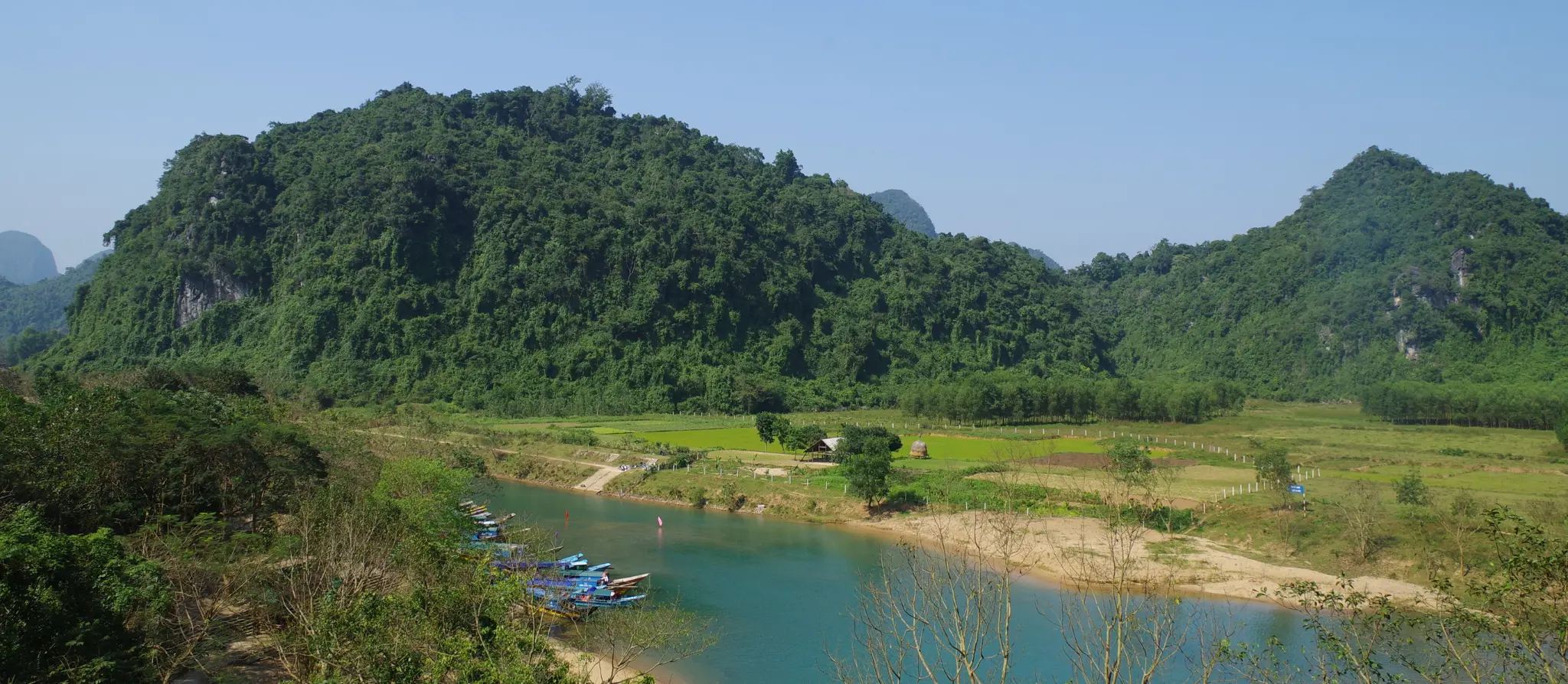
Vietnam’s geography stretches across more than 1,600 kilometers from north to south, encompassing mountains, deltas, coastlines, and dense urban centers. This geographic diversity creates unique travel opportunities, but it also requires careful logistical planning.

In remote mountain regions, road conditions and accessibility can vary depending on the season, while in rapidly growing cities traffic congestion may affect travel time and scheduling. Infrastructure quality also differs between major tourism hubs and less developed destinations. For tour operators and DMCs, understanding these regional variations is essential to designing itineraries that remain both efficient and safe for travelers.

Rapid Tourism Growth
Before the global pandemic, Vietnam recorded 18 million international arrivals in 2019, making it one of the fastest-growing tourism markets in Asia. As reported by the Vietnam National Administration of Tourism, visitor numbers have steadily recovered since the reopening of international travel, reaching more than 12 million international arrivals in 2023.
However, rapid growth also places pressure on infrastructure, popular attractions, and local services, particularly during peak travel seasons. For tour operators, this evolving landscape requires careful planning, strong coordination with local partners, and proactive management of visitor flows to ensure that tours remain smooth, safe, and enjoyable for travelers.
Nature of Typical Travel Risks
Like many dynamic destinations, travel operations in Vietnam are influenced by a variety of practical factors. Seasonal weather patterns may affect outdoor activities and transportation schedules, while traffic conditions in major cities can occasionally impact travel time.
In more remote regions, terrain, road accessibility, and infrastructure may vary depending on the destination and the time of year. In addition, high visitor volumes at popular attractions or adjustments in local regulations can sometimes require quick changes to planned itineraries.
For overseas travel planners, these conditions highlight how the successful delivery of tours often depends on up-to-date local knowledge and responsive coordination on the ground.
Having partners who closely monitor conditions, communicate with local suppliers, and adjust logistics when necessary helps ensure that itineraries remain smooth, safe, and reliable throughout the journey.
Supplier Network Management and Safety Standards in Vietnam Tours
For international travel agents organizing tours in Vietnam, many aspects of traveler safety depend on the reliability of local service providers. Transportation companies, accommodation partners, activity operators, and local guides all contribute to how smoothly a tour is delivered on the ground.
Because these services are delivered by multiple partners, the strength of a DMC’s supplier network becomes an important factor in managing operational risks. Experienced tour operators typically work with carefully selected suppliers whose service standards, safety practices, and operational reliability are well understood.
For travel agents, partnering with a DMC that maintains a trusted network of local suppliers helps ensure that each component of the tour—from transportation to activities—is coordinated consistently and delivered with reliable safety standards.
Transport Providers
Transportation is one of the most important operational components influencing both safety and reliability in Vietnam tours. For international travel agents, understanding how transportation partners are selected and managed by a local DMC can provide valuable insight into how travel risks are controlled on the ground.
Vietnam’s diverse geography means that tours often involve a combination of city transfers, long-distance road journeys, and travel through mountainous or rural areas. These conditions require transport providers who are experienced with tourism routes and familiar with the specific driving environments of different regions.
To maintain consistent safety standards, experienced DMCs typically work with transport partners who meet several operational criteria, including:
- Properly licensed and experienced drivers.
- Vehicles that are regularly maintained and suitable for group travel.
- Familiarity with tourism itineraries and travel schedules.
- Ability to coordinate closely with tour guides and operations teams.
In addition to vehicle quality, driver experience plays a key role in managing transportation risks. Drivers who regularly operate tourism routes are better prepared to navigate varying road conditions, manage long-distance transfers, and coordinate timing with tour guides throughout the itinerary.
For travel agents, a DMC’s ability to maintain reliable transport partnerships helps ensure that road transfers are handled safely and efficiently, particularly when itineraries involve multiple destinations across Vietnam. At Footprint Travel, long-term collaboration with experienced transport providers helps maintain consistent service standards and smooth coordination across different regions of the country.
Activity Providers
Activities often represent the most dynamic part of a tour itinerary. Unlike transportation or accommodation, they involve direct participation from travelers and are frequently influenced by changing environmental conditions such as weather, terrain, or local regulations.
Because of this, activity providers introduce a different type of operational risk that must be actively managed throughout the tour.
One key challenge lies in aligning the activity design with the profile of the traveler group. Activities that work well for small adventure groups may require adjustments when operated for mixed-age groups or travelers with varying physical abilities. Tour operators therefore evaluate not only the activity itself, but also how it fits within the pace and structure of the overall itinerary.
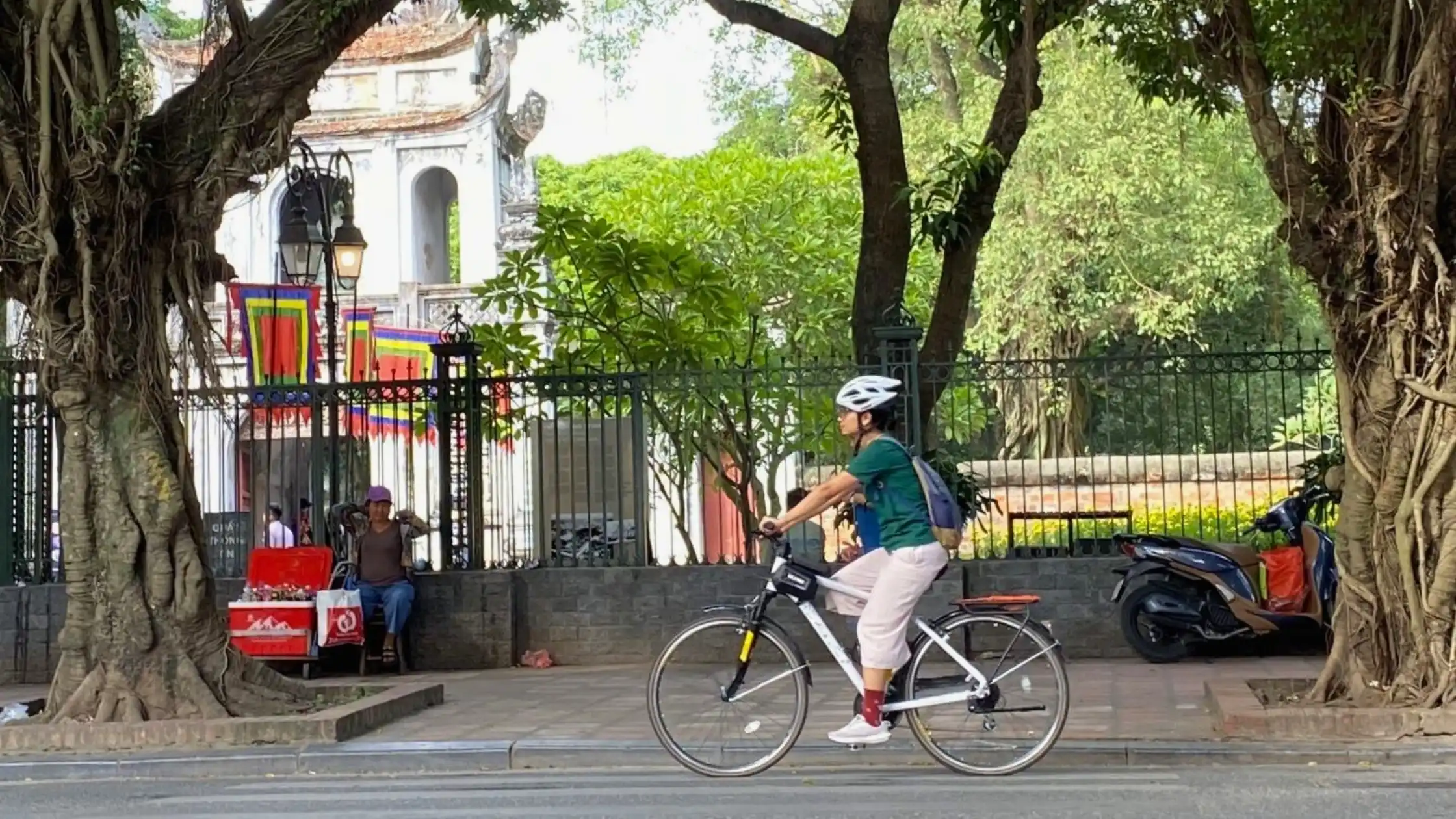
Another operational factor is that many activities rely on local environments that can change quickly. Water conditions may affect kayaking routes, traffic patterns may influence cycling routes, and trail conditions may affect walking excursions. Experienced operators typically coordinate closely with guides and activity providers to adjust routes, timing, or group arrangements when conditions require it.

From a travel agent’s perspective, the key consideration is not simply whether an activity is offered, but how effectively it is managed within the broader tour program. Strong coordination between activity providers, guides, and operations teams helps ensure that these experiences remain both engaging and well controlled within the operational structure of the tour.
Accommodation Partners
Accommodation is often viewed simply as the place where travelers rest at the end of the day. In practice, hotels also play an important operational role in maintaining the safety and comfort of tour groups throughout the journey.

Hotels serve as important coordination points during multi-day itineraries. They are where travelers regroup after daily excursions, where guides can monitor the well-being of the group, and logistical arrangements for the following day are often confirmed. Because of this, the reliability and responsiveness of accommodation partners can significantly influence how smoothly a tour operates.
Accommodation partners can also become critical support points when unexpected situations arise. For instance, schedule changes, weather disruptions, or transportation delays may require adjustments to check-in times, meal arrangements, or room allocations. Hotels that are familiar with working with organized tour groups are generally better prepared to respond quickly to these adjustments.
Another important factor is location. Hotels situated in areas with convenient access to transportation routes, medical facilities, or key attractions can make it easier for guides and operations teams to respond efficiently to operational changes during the tour.
For travel agents, the selection of accommodation partners therefore affects more than just guest comfort. It also influences how effectively a tour program can adapt to real-time situations while maintaining a safe and well-organized travel experience.
How Safety and Risk Management Are Integrated into Professional Vietnam Tours
Maintaining Vietnam tour safety requires structured operational coordination between itinerary planning, supplier management, guide preparation, and real-time monitoring throughout the journey.
With 25 years of experience operating tours across Vietnam, Footprint Travel has worked with international travel partners to deliver a wide range of itineraries, including cultural journeys, adventure programs, and multi-destination travel across the country.

Coordinating these programs involves a broad network of transportation providers, accommodation partners, activity operators, and local guides. Ensuring smooth operations requires continuous planning and communication between the operations team and service providers throughout each stage of the tour.
Through this long-term operational experience, the company has developed structured operational processes designed to anticipate potential travel risks and coordinate multiple service providers effectively throughout each tour program.
Delivering safe and reliable tours requires more than responding to incidents as they occur. It requires:
- A structured operational system that anticipates potential risks.
- Coordinates multiple service providers.
- Maintains clear communication throughout the journey.
At Footprint Travel, safety and risk management are built into the operational workflow that supports every tour. From itinerary planning and supplier verification to real-time tour monitoring and post-tour review, each stage plays a role in ensuring smooth and secure travel experiences.
The following workflow illustrates how these safety considerations are integrated into the operational processes behind Footprint Travel’s tours.
1.Operational Risk Assessment During Itinerary Planning
Effective risk management begins long before travelers arrive at their destination. During the itinerary design stage, the operations team evaluates potential logistical and environmental risks associated with each destination and activity included in the program.
This assessment typically considers several operational factors, including:
- Transportation distances and road conditions.
- Seasonal weather patterns that may affect travel schedules.
- Accessibility of remote destinations.
- Physical requirements of planned activities.
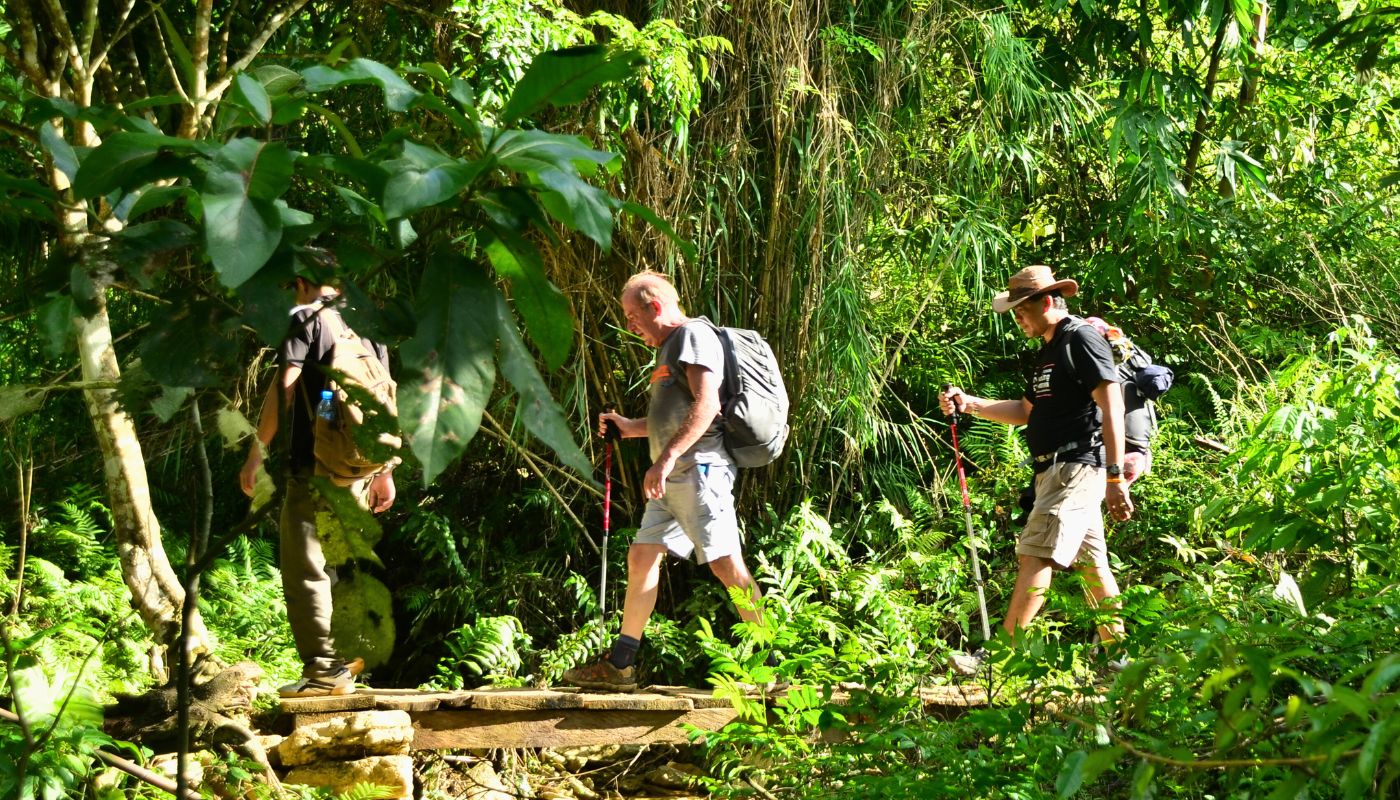
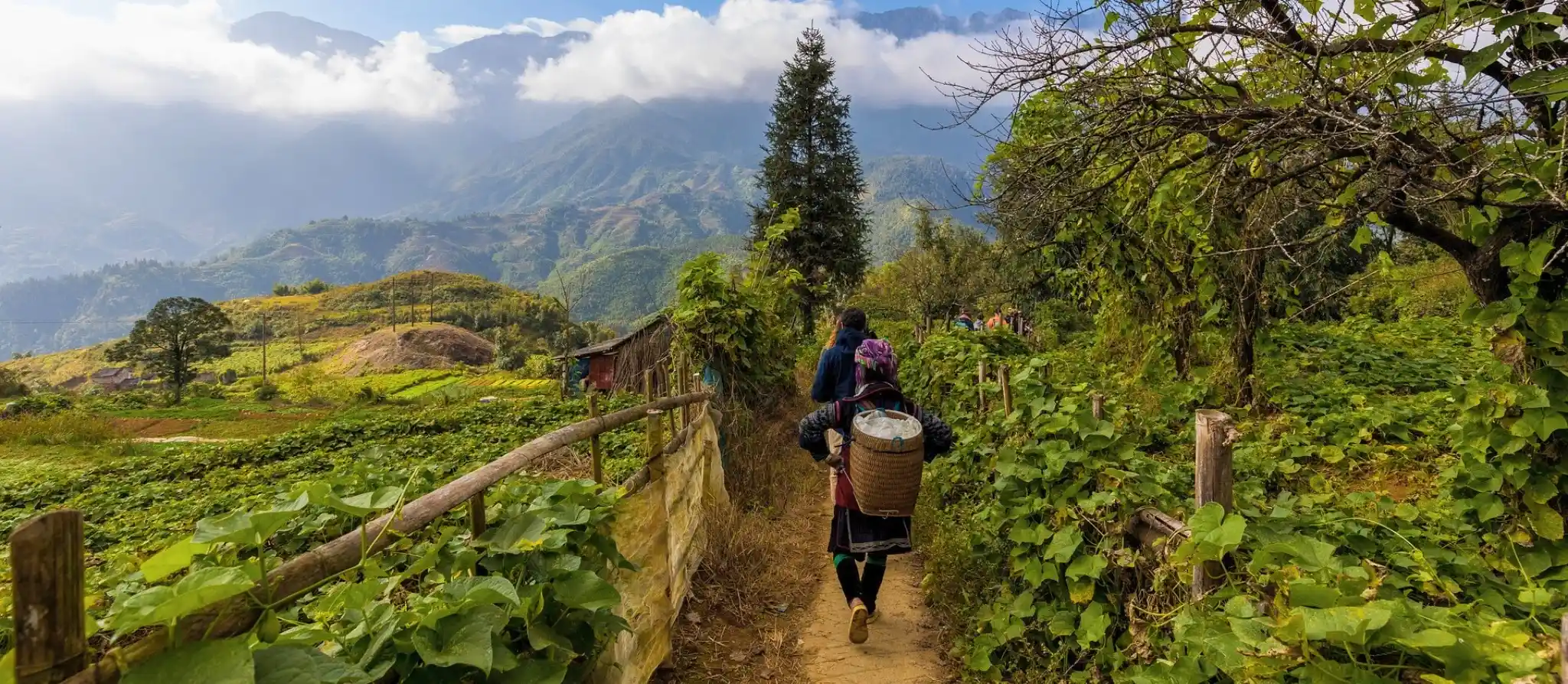
For example, trekking programs in northern Vietnam often require seasonal adjustments. Routes in destinations such as Sapa or Ha Giang Loop may become muddy and slippery during the rainy season between May and September, particularly on terraced rice field trails or narrow mountain paths. In these conditions, the operations team may shorten certain trekking segments, adjust departure times, or select alternative routes with safer terrain.

Traveler profiles also influence these decisions. A trekking route suitable for experienced hikers may need to be modified for senior travelers or mixed-ability groups. In such cases, the itinerary may include shorter walking distances, additional rest stops, or alternative cultural activities while still allowing travelers to experience the landscapes and local communities of the region.
Another example involves water-based activities in Ha Long Bay. Weather conditions such as strong winds, fog, or sudden storms may affect kayaking or boat excursions. When such conditions arise, the operations team works with cruise partners to adjust activity schedules, select sheltered areas for kayaking, or replace outdoor activities with alternative experiences on board.
By reviewing these factors early in the planning process, the operations team can design itineraries that are both engaging and operationally feasible. A well-designed itinerary helps reduce unnecessary time pressure, improves coordination between suppliers, and significantly lowers the likelihood of operational disruptions during the tour.
2.Supplier Coordination and Verification
A well-designed itinerary can only be delivered safely when all operational partners involved in the tour meet consistent standards. For this reason, supplier coordination and verification form a critical part of the operational workflow.
Once the itinerary is confirmed, the operations team works closely with the suppliers responsible for delivering each component of the tour. These typically include transportation providers, accommodation partners, activity operators, and local guides.
During this stage, the team verifies several operational details, including:
- Vehicle type and suitability for the group size and travel distance.
- Driver experience with tourism routes and group travel.
- Supplier readiness for the specific itinerary schedule.
- Safety conditions and equipment standards for planned activities.
- Accommodation arrangements and arrival logistics.
In practice, long-distance transfers between destinations such as Hanoi and the northern mountain regions require vehicles that are comfortable for extended travel and drivers who are familiar with mountain road conditions. In the same way, trekking activities require coordination with local guides who understand the terrain and can adjust routes when necessary.
Maintaining long-term partnerships with trusted suppliers plays an important role in ensuring operational reliability. Through continuous collaboration and feedback after each tour, the operations team is able to maintain consistent service standards and quickly address any operational concerns.
Strong supplier coordination ultimately allows multiple service providers to operate as a single, well-organized system throughout the tour.
3. Guide Briefing and Pre-Tour Preparation
Tour guides play a central role in ensuring both operational coordination and traveler safety throughout the journey. As the primary point of contact for travelers on the ground, guides are responsible for monitoring daily activities, managing group dynamics, and responding to situations that may arise during the tour.
Before each departure, guides receive a detailed operational briefing from the tour operations team. This preparation ensures that they fully understand the itinerary and are aware of any specific considerations related to the group or destinations included in the program.
Guide briefings typically cover several key areas:
- Detailed route logistics and timing for each day of the itinerary.
- Expected weather or seasonal conditions that may affect activities.
- Traveler profiles, including group size, demographics, or special needs.
- Coordination procedures with local suppliers and service providers.
- Emergency contact protocols and communication channels with the operations team.
When managing multi-destination itineraries that involve several transfers between cities, guides must coordinate closely with drivers and the operations team to ensure that schedules remain aligned and travelers move smoothly between destinations.
Well-prepared guides are often the first to identify potential operational issues, allowing adjustments to be made before they affect the overall travel experience. Their local knowledge and close coordination with the operations team help ensure that tours run smoothly while maintaining a safe and comfortable environment for travelers.
4. Real-Time Tour Monitoring
Once a tour is underway, the role of the operations team shifts from planning to active monitoring and coordination. Real-time tour monitoring allows the team to stay informed about the progress of the itinerary and respond quickly if adjustments are needed.
Throughout the journey, guides remain in regular contact with the operations office to report on daily activities, schedule updates, and any operational developments that may affect the tour. This ongoing communication helps ensure that the program continues to run smoothly while maintaining a safe and comfortable experience for travelers. Guides remain in regular contact with the operations office through regular updates during the tour, allowing the team to monitor itinerary progress and coordinate adjustments when necessary.
Operational monitoring may involve responding to situations such as:
- Transportation delays or traffic conditions.
- Changes in weather that may affect outdoor activities.
- Adjustments to activity schedules or site visits.
- Traveler health concerns or special assistance needs.
In practice, this close coordination between guides, suppliers, and the operations team enables small issues to be addressed quickly before they develop into larger disruptions.
If a traffic delay affects the timing of a city excursion, the operations team can coordinate with restaurants, activity providers, or transport partners to adjust the schedule accordingly. These small operational adjustments help maintain the overall flow of the itinerary while minimizing inconvenience for travelers.
Real-time tour monitoring ensures that every tour remains supported by an experienced team working behind the scenes to maintain operational reliability and traveler safety.
5. Preparing for Unexpected Situations and Operational Flexibility
Even with thorough planning and active tour monitoring, travel operations can sometimes encounter unexpected situations. Weather changes, transportation delays, or unforeseen logistical challenges may require adjustments to the itinerary. For this reason, alternative planning is an important component of the operational workflow.
Before a tour begins, the operations team anticipates potential scenarios that may affect the program and prepares alternative solutions when necessary. This proactive approach allows the team to respond quickly while maintaining the overall structure of the itinerary.
Typical backup planning may include:
- Arranging alternative transportation if a vehicle issue occurs.
- Identifying backup accommodation options in case of last-minute changes.
- Adjusting activity schedules due to weather conditions.
- Modifying routes or destinations when local conditions require it.
Weather disruptions such as heavy rain can occasionally affect outdoor excursions. When this occurs, the itinerary may be adjusted to prioritize indoor cultural visits or museum experiences while outdoor activities are moved to another suitable time.
The ability to implement these adjustments efficiently depends largely on the strength of the local supplier network and the experience of the operations team coordinating the tour.
Operational flexibility ensures that unexpected situations can be managed calmly and professionally, allowing travelers to continue enjoying their journey while maintaining high standards of safety and service.
6. Post-Tour Operational Review
Once a tour has concluded, the operations process does not simply end. A post-tour operational review allows the team to evaluate how the program was delivered and identify insights that can improve future tours.
After each program, feedback is gathered from multiple sources, including tour guides, operations staff, and sometimes travel partners or tour leaders. These insights help the team understand how the itinerary performed under real conditions and whether any adjustments could enhance future operations.
The review typically examines several aspects of the tour, such as:
- Coordination between guides, suppliers, and the operations team.
- Transportation logistics and scheduling efficiency.
- Performance of accommodation and activity partners.
- Any itinerary adjustments made during the tour.
- Operational challenges encountered along the way.
By analyzing these elements, the team can identify areas where procedures, supplier coordination, or itinerary design can be further improved.
This continuous learning process helps refine operational guidelines over time, ensuring that future tours benefit from previous experience. As a result, safety management and operational reliability are gradually strengthened across all programs.
What This Operational Approach Means in Practice
The operational workflow outlined above illustrates how safety and risk management are integrated throughout the lifecycle of a tour—from itinerary planning and supplier coordination to real-time monitoring and post-tour review.
In practice, delivering a smooth travel experience requires the coordination of many different components. Transportation providers, accommodation partners, activity operators, and local guides must all operate in sync throughout the journey. When unexpected situations arise, adjustments often need to be made quickly while maintaining the overall structure of the itinerary.
Managing this level of coordination requires strong local knowledge, clear communication between guides and operations teams, and the ability to respond quickly when conditions change.
A well-structured operational system therefore plays an important role in ensuring that tour programs remain both safe and well organized while maintaining the quality of the overall travel experience.
Key Takeaways for Travel Professionals
Safety and risk management are essential components of successful tour operations. As travel programs involve multiple destinations, service providers, and logistical elements, maintaining a structured operational approach becomes critical to ensuring both traveler safety and program reliability.
From careful itinerary planning and supplier coordination to real-time tour monitoring and post-tour review, each stage of the operational process contributes to reducing potential risks and supporting smooth travel experiences.
In a destination as geographically diverse as Vietnam, effective coordination between guides, suppliers, and operations teams plays an important role in maintaining these standards throughout the journey.
By understanding how safety and risk management are integrated into professional tour operations, travel professionals can better evaluate the operational capacity of local partners and ensure that their clients experience Vietnam in a safe, well-organized, and enjoyable way.
Frequently Asked Questions
1. Is Vietnam a safe destination for international travelers?
Vietnam is widely considered one of the safer destinations in Southeast Asia. However, tour operations can still be influenced by factors such as terrain, weather conditions, transportation logistics, and visitor volumes. Professional tour operators manage these factors through careful planning and on-the-ground coordination.
2. What operational risks should travel agents consider when planning tours in Vietnam?
Most operational risks in Vietnam relate to logistics rather than security issues. These may include weather conditions, road infrastructure in remote areas, traffic in major cities, and seasonal visitor volumes at popular attractions.
3. How do professional tour operators manage safety during Vietnam tours?
Experienced tour operators integrate safety management throughout the tour lifecycle, including itinerary risk assessment, supplier verification, guide preparation, real-time tour monitoring, and contingency planning for unexpected situations.
4. Why do many travel agents work with local DMCs in Vietnam?
Local Destination Management Companies provide on-the-ground expertise, supplier networks, and operational coordination. This local support helps ensure that tours run smoothly, especially when itineraries involve multiple destinations and service providers.

Hien Pham is the Operations Manager at Footprint Travel, where she has been part of the team since the company’s early days. With more than 20 years of hands-on experience in tour operations across Vietnam, she has developed extensive expertise in itinerary planning, supplier coordination, and managing complex travel programs for international partners.
Through her work overseeing daily tour operations, Hien has gained deep practical insight into the logistical and safety considerations involved in delivering well-organized travel experiences throughout the country.