













Responsible Travel in Vietnam
Introduction
Responsible travel in Vietnam is becoming essential to ensuring tourism creates lasting value for destinations, communities, businesses, and travellers. As visitor numbers grow, the focus has shifted from quantity to quality—supporting environmental protection, cultural preservation, and inclusive economic development.
For travel businesses, responsible tourism is now an expectation. Tour operators and agencies increasingly seek Destination Management Companies (DMCs) that demonstrate transparent sustainability practices, ethical partnerships, and real local impact.
Responsible travel goes beyond protecting nature. It includes designing itineraries that benefit local communities, supporting community-based tourism, promoting ethical wildlife experiences, reducing waste, and preserving cultural heritage. These efforts help ensure tourism benefits Vietnam long-term.
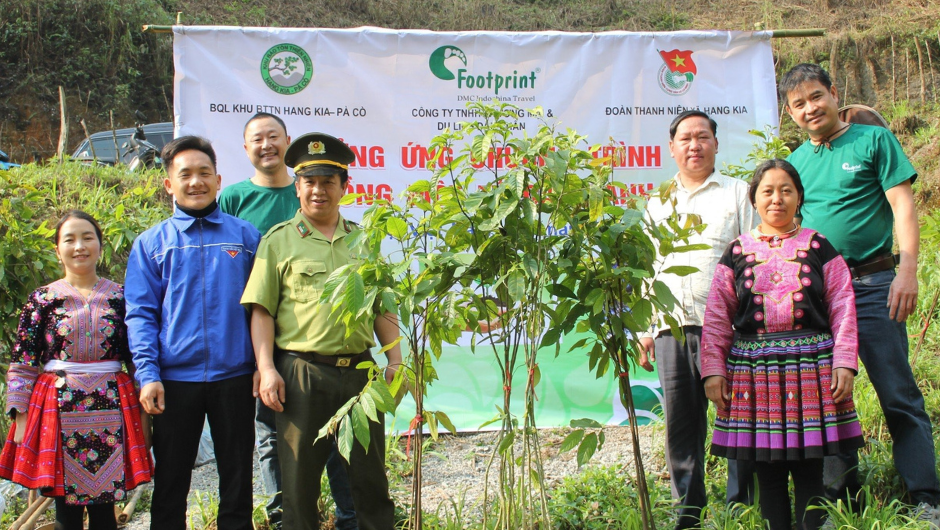
Since 2001, Footprint Travel has embedded responsible tourism into its operations through strong community partnerships, responsible supplier selection, and practical sustainability initiatives. This page provides an overview of our approach, including our principles, programmes, and resources for travel partners seeking a sustainable DMC that supports responsible travel in Vietnam.
TL;DR
Responsible travel in Vietnam means creating positive environmental, social, cultural, and economic impacts while minimising harm. This guide explains what responsible tourism is, why it matters for Vietnam’s future, and how DMCs help put these principles into practice. It also outlines Footprint Travel’s long-term approach to sustainability, including community partnerships, responsible supplier management, governance, and continuous improvement to deliver meaningful, high-quality travel experiences.
What Is Responsible Travel in Vietnam?
Responsible travel in Vietnam is an approach to tourism that seeks to maximise positive impacts for local communities, protect the country’s natural and cultural heritage, and minimise negative environmental and social effects. Rather than focusing solely on where visitors travel, responsible tourism considers how travel experiences are designed, delivered, and managed throughout the tourism supply chain.
As one of Southeast Asia’s fastest-growing destinations, Vietnam offers exceptional diversity, from UNESCO World Heritage Sites and vibrant cities to remote mountain communities, national parks, and coastal ecosystems. This diversity creates remarkable opportunities for tourism but also places increasing pressure on destinations. Without careful management, rapid tourism growth can contribute to environmental degradation, overcrowding, loss of cultural authenticity, and unequal distribution of economic benefits.
Responsible tourism addresses these challenges by encouraging tourism businesses to make informed, long-term decisions. It means selecting suppliers that operate ethically, creating itineraries that support local economies, protecting wildlife, reducing waste, respecting local customs, and ensuring communities benefit from tourism development. Success is measured not only by visitor satisfaction but also by the positive legacy tourism leaves behind.
For travel trade professionals, responsible travel has become an important part of destination planning and supplier selection. Many tour operators now look beyond price and logistics when choosing a Destination Management Company (DMC). They seek partners that can demonstrate transparent sustainability practices, responsible risk management, ethical supplier relationships, and a genuine commitment to supporting local communities. Responsible tourism is therefore not simply a sustainability initiative. It is increasingly recognised as a hallmark of quality, resilience, and long-term business value.
At Footprint Travel, responsible travel is integrated into every stage of our operations. From itinerary planning and supplier partnerships to guide training and traveller information, we aim to make decisions that create meaningful experiences while contributing positively to the people and places that make Vietnam unique. Our approach aligns with internationally recognised responsible tourism principles while remaining grounded in local knowledge, long-standing community relationships, and practical action.
The following sections explain the foundations of responsible travel in Vietnam, why it matters to the country’s future, and the role a Destination Management Company plays in helping travel businesses create more sustainable and meaningful travel experiences.
Defining Responsible Tourism
Responsible tourism is an approach to managing and experiencing travel that aims to maximise benefits for destinations while minimising negative environmental, social, and economic impacts. Rather than being a specific type of holiday, it is a way of making decisions throughout the tourism value chain, from product development and supplier selection to visitor behaviour and destination management.
According to UN Tourism (formerly the United Nations World Tourism Organization), responsible tourism should make optimal use of environmental resources, respect the socio-cultural authenticity of host communities, and generate long-term economic benefits that are fairly distributed among local stakeholders.

Similarly, the Global Sustainable Tourism Council (GSTC) provides internationally recognised criteria that help tourism businesses adopt responsible and sustainable practices across governance, environmental management, cultural heritage, and community wellbeing.
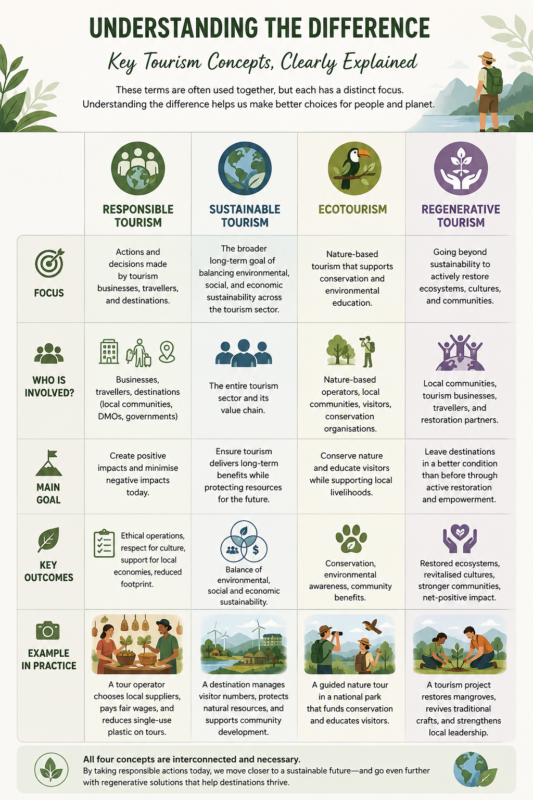
Although the terms are often used interchangeably, responsible tourism differs slightly from other related concepts:
- Responsible tourism focuses on the actions and decisions made by tourism businesses, travellers, and destinations to create positive outcomes.
- Sustainable tourism is the broader long-term goal of balancing environmental, social, and economic sustainability across the tourism sector.
- Ecotourism refers specifically to nature-based tourism that supports conservation and environmental education while benefiting local communities.
- Regenerative tourism goes a step further by aiming to leave destinations in a better condition than before through active restoration of ecosystems, cultures, and communities.
In practice, responsible travel in Vietnam is not defined by a single initiative or certification. It is reflected in everyday operational decisions, such as working with locally owned accommodation, supporting community-based tourism enterprises, selecting ethical wildlife experiences, reducing unnecessary waste, encouraging respectful cultural interactions, and building long-term partnerships with responsible suppliers.
For Destination Management Companies (DMCs), responsible tourism is also about accountability. It means recognising that every itinerary, supplier choice, and operational decision influences the communities and environments where tourism takes place. By embedding responsible practices into day-to-day operations, DMCs can help travel trade partners deliver experiences that are commercially successful while creating lasting value for Vietnam’s people, culture, and natural heritage.
Why Responsible Tourism Matters in Vietnam
Understanding responsible travel in Vietnam is essential for protecting these destinations while supporting local communities. Vietnam’s remarkable landscapes, rich cultural heritage, and welcoming communities have made it one of Asia’s fastest-growing tourism destinations. From the limestone islands of Ha Long Bay and the terraced rice fields of the northern mountains to the bustling streets of Hanoi and Ho Chi Minh City, tourism creates opportunities for economic growth across the country. However, continued growth also brings increasing responsibility to manage tourism in ways that protect the very assets that attract visitors.
Protecting Natural Environments
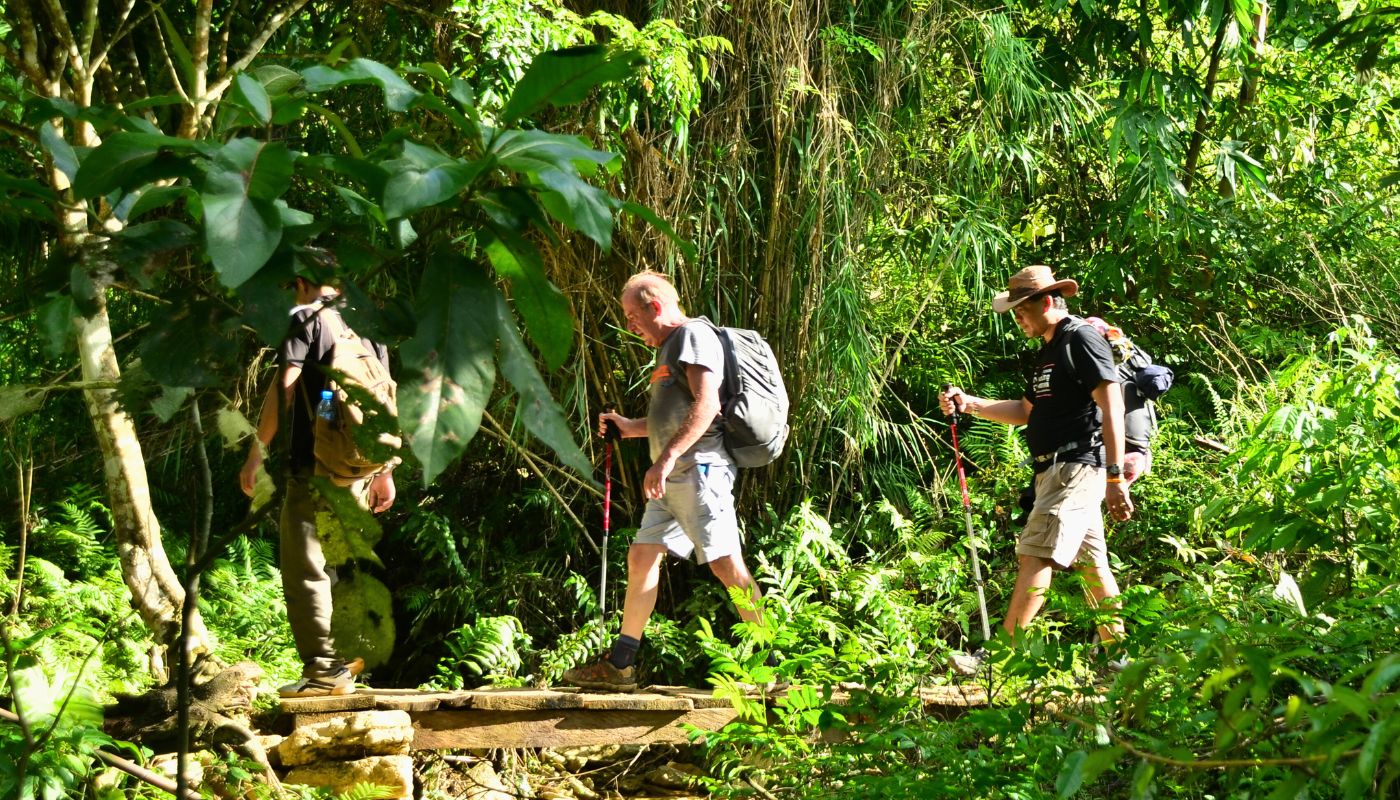
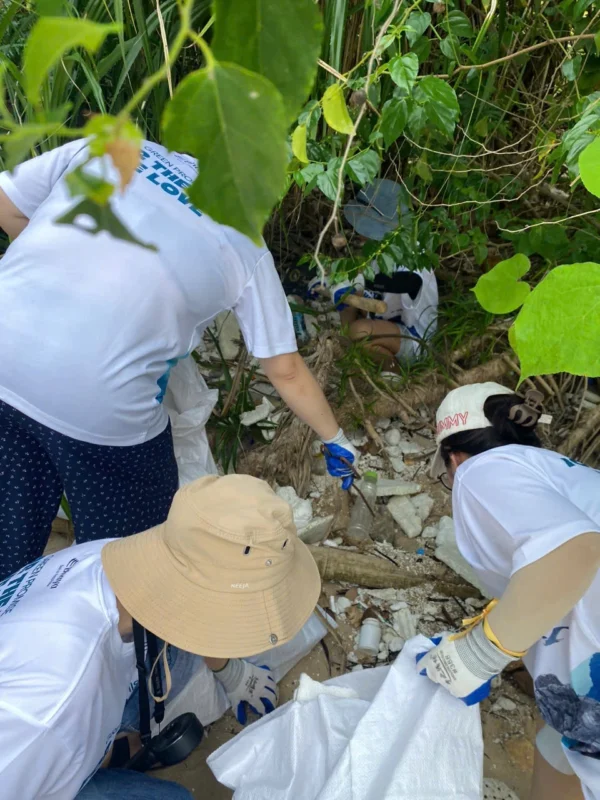
Vietnam is home to diverse ecosystems, including national parks, tropical forests, wetlands, and over 3,000 kilometres of coastline. These environments support biodiversity, local livelihoods, and many of the country’s most popular tourism experiences. Responsible tourism helps reduce environmental pressures by encouraging better waste management, reducing single-use plastics, promoting efficient resource use, and supporting conservation initiatives. Well-designed itineraries can also help disperse visitors beyond heavily visited destinations, reducing pressure on fragile environments.
Supporting Local Communities
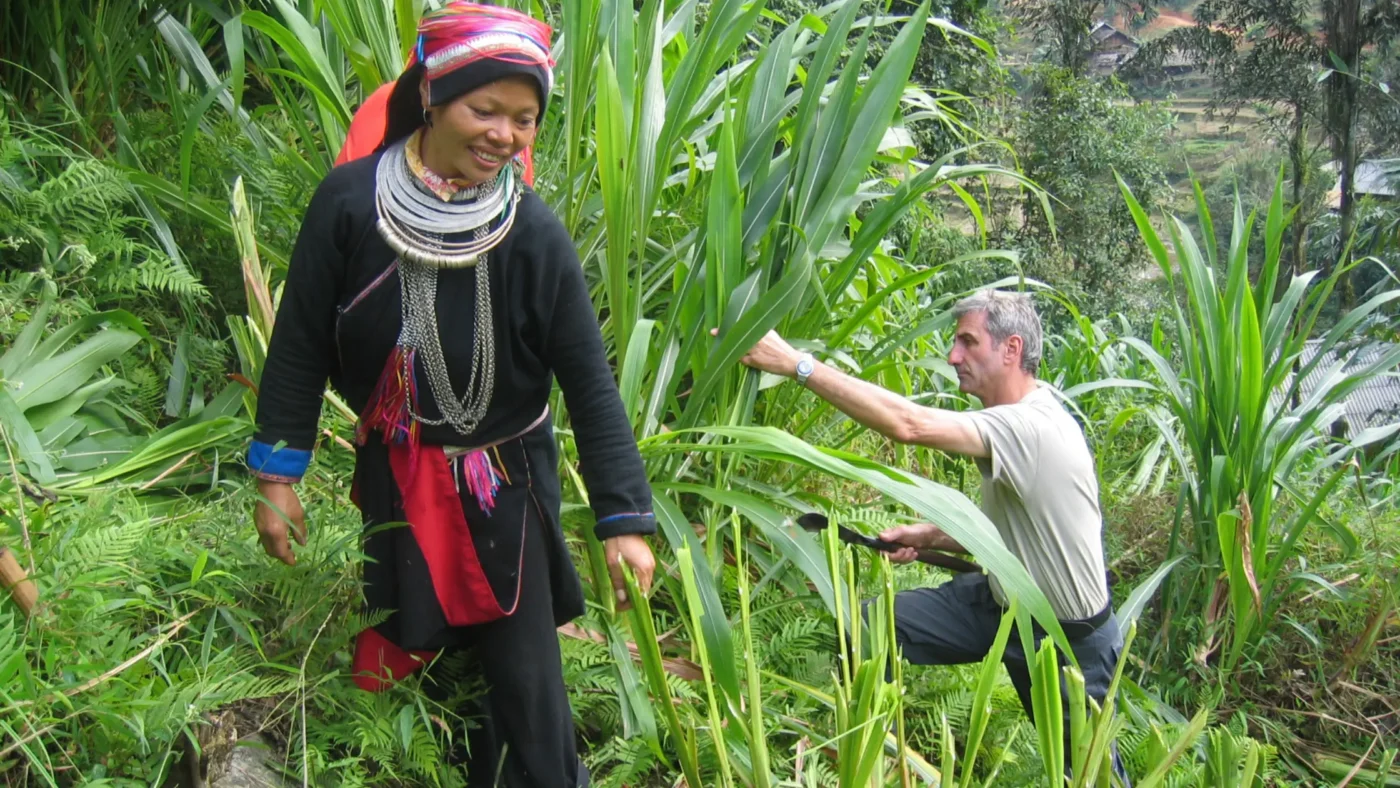
Tourism can provide significant economic opportunities when local people actively participate in the visitor economy. Choosing locally owned accommodation, employing local guides, sourcing products from nearby businesses, and supporting community-based tourism initiatives all help ensure that tourism revenue remains within destinations. This creates jobs, strengthens local enterprises, and encourages communities to preserve their traditions while benefiting from tourism development.
Preserving Vietnam’s Cultural Heritage
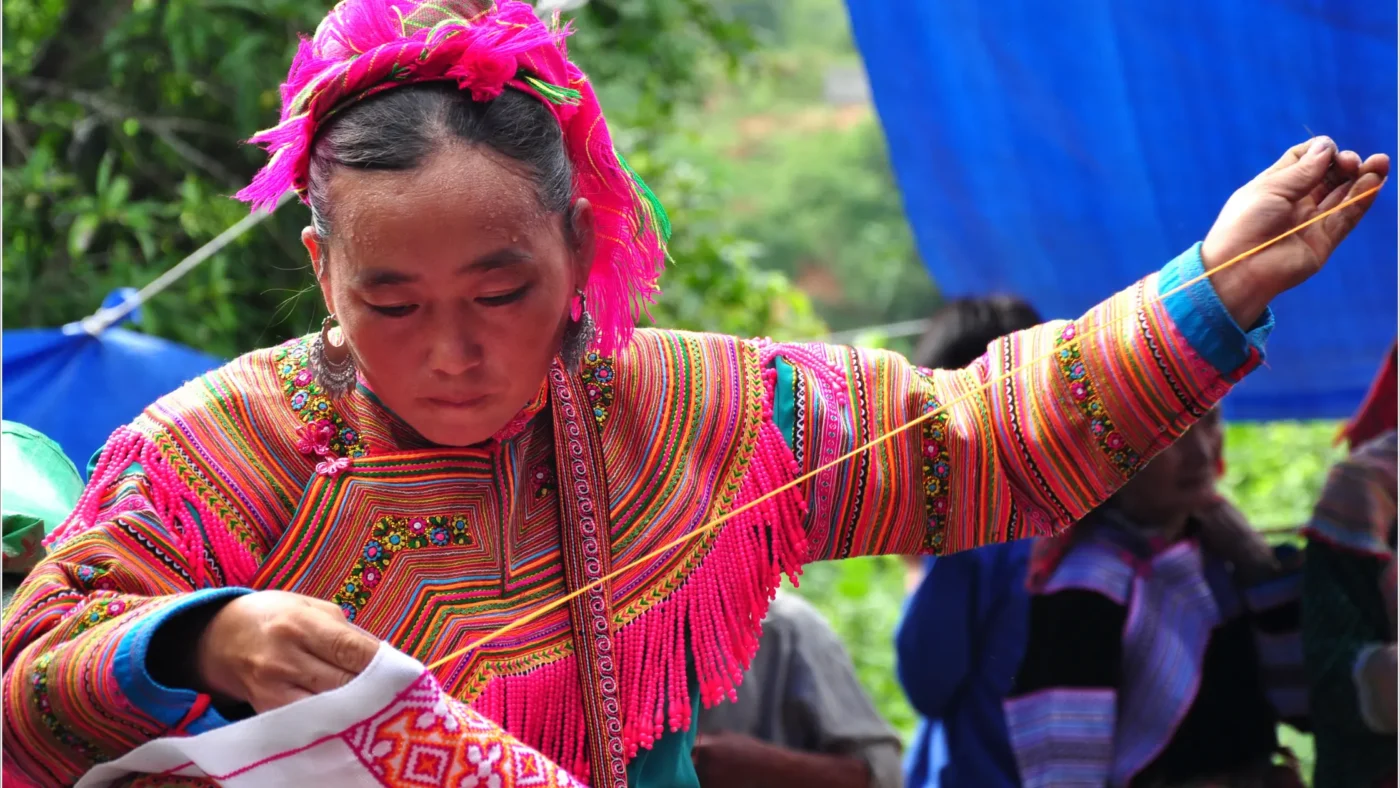
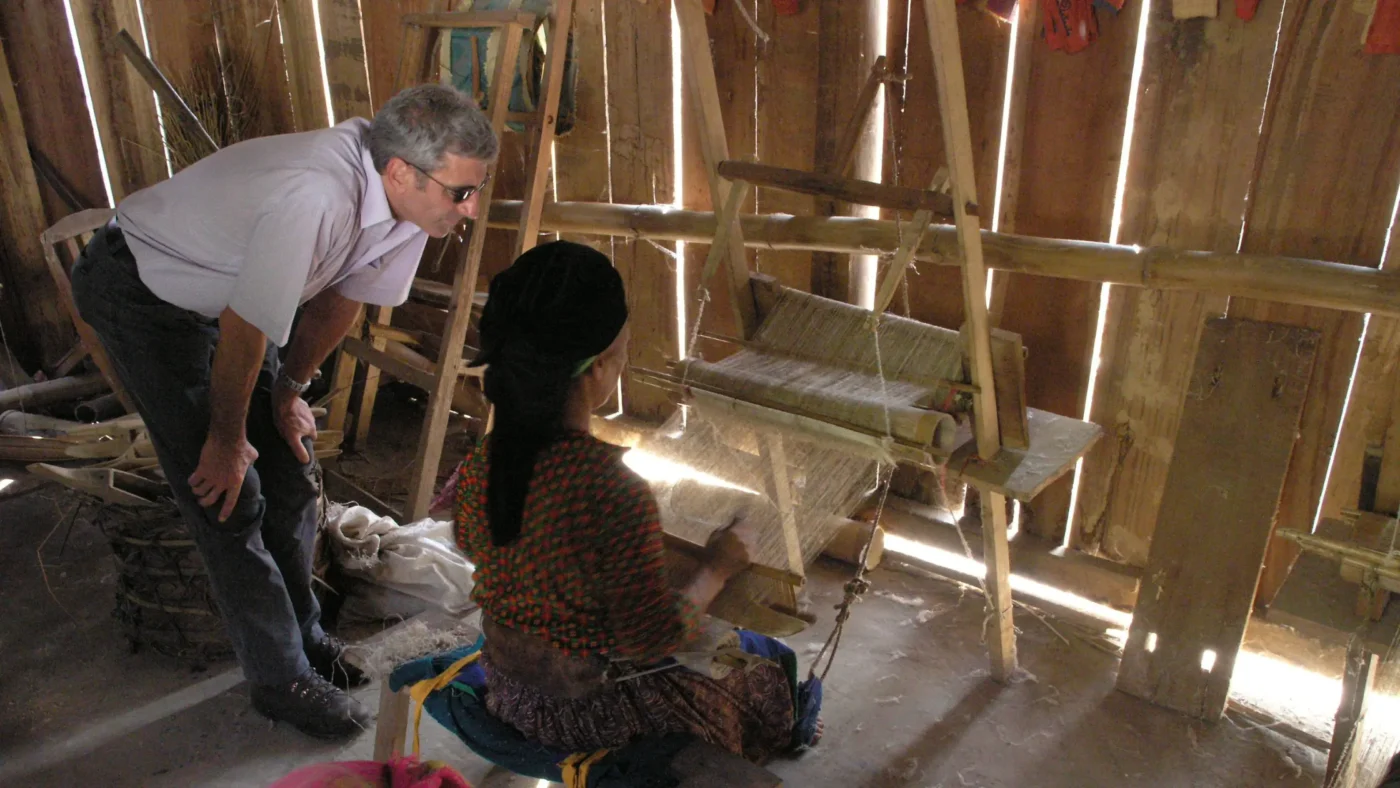
Vietnam’s cultural identity is shaped by centuries of history, diverse ethnic communities, traditional crafts, festivals, cuisine, and living heritage. Responsible tourism encourages respectful interactions between visitors and host communities while helping safeguard cultural traditions from commercialisation or loss.
Experiences that are developed in partnership with local communities are more likely to preserve authenticity and create meaningful exchanges for both visitors and residents.
Building a More Resilient Tourism Industry
Responsible tourism also strengthens the long-term resilience of Vietnam’s tourism sector. Businesses that invest in responsible supplier partnerships, environmental management, staff training, and community engagement are often better equipped to respond to changing traveller expectations, evolving sustainability standards, and future challenges. Increasingly, international tour operators and travel buyers consider sustainability performance when selecting Destination Management Companies and local partners.
For Footprint Travel, responsible tourism is not only about reducing negative impacts. It is about creating better outcomes for everyone involved. By balancing commercial success with environmental stewardship, cultural respect, and community wellbeing, responsible travel helps ensure that Vietnam remains a vibrant, authentic, and sustainable destination for future generations.
The Role of a Destination Management Company in Responsible Tourism
Destination Management Companies (DMCs) are central to delivering responsible travel in Vietnam. While governments establish tourism policies and travellers make individual choices, DMCs play a central role in turning responsible tourism principles into everyday practice. As the organisation responsible for designing itineraries, selecting suppliers, coordinating logistics, and managing operations on the ground, a DMC has significant influence over the environmental, social, and economic impact of every journey.
Every decision made during the planning process can contribute to more responsible travel. Choosing locally owned accommodation, partnering with community-based tourism enterprises, recommending ethical wildlife experiences, employing local guides, and working with suppliers that share responsible business values all help ensure tourism benefits are distributed more widely. At the same time, thoughtful itinerary design can reduce unnecessary travel distances, avoid overcrowded destinations during peak periods, and encourage visitors to explore lesser-known regions that are ready to welcome tourism.
A responsible DMC also acts as a bridge between international travel businesses and local stakeholders. Tour operators and travel agents often rely on their in-country partners to assess suppliers, understand local contexts, manage operational risks, and ensure experiences meet both customer expectations and sustainability standards. This local expertise enables travel businesses to offer authentic experiences while maintaining confidence that their programmes align with responsible tourism principles.
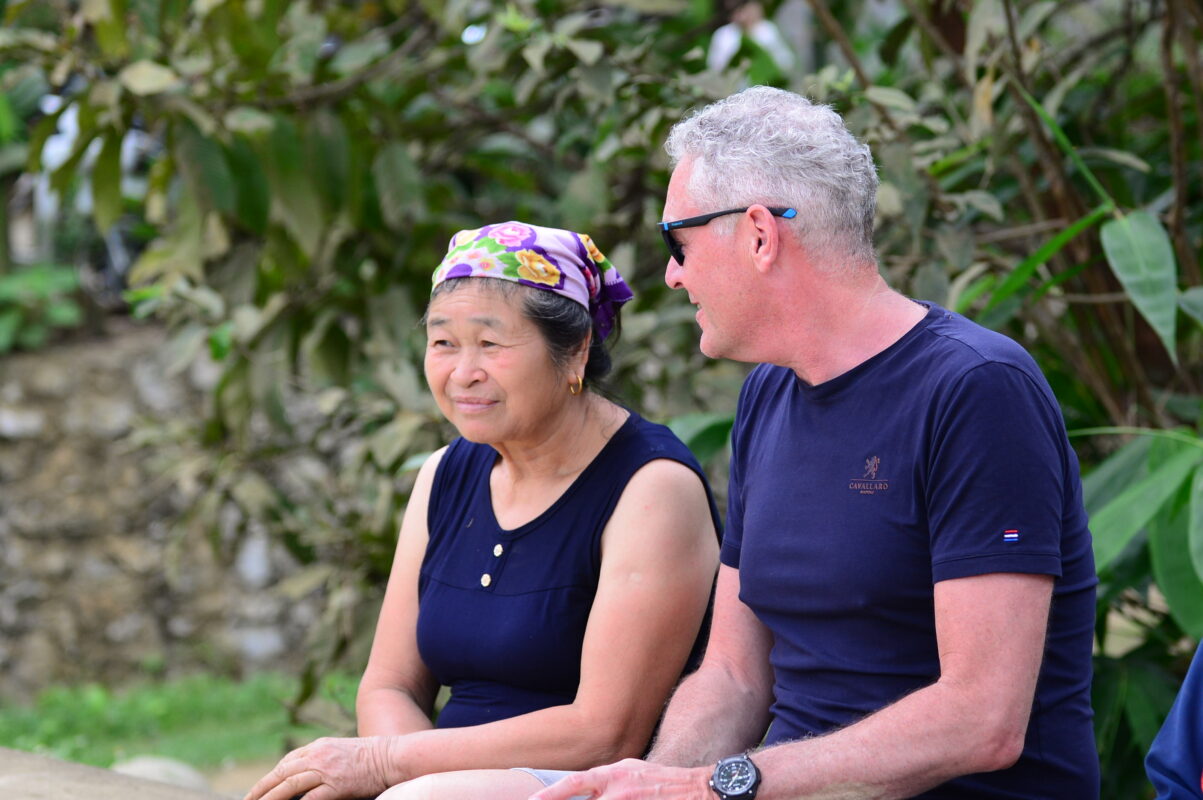
Beyond product development, responsible DMCs influence how tourism is delivered on the ground. They provide guidance to travellers on respecting local customs and cultures, work with suppliers to improve environmental practices, support staff training, and build long-term relationships with communities. These ongoing partnerships create opportunities for continuous improvement rather than one-off sustainability initiatives.
At Footprint Travel, responsible tourism is embedded throughout our business. We recognise that every itinerary represents a series of choices that affect destinations, communities, suppliers, and travellers. By integrating responsible travel principles into supplier selection, itinerary planning, operational management, and partner collaboration, we aim to create experiences that are commercially successful, operationally reliable, and beneficial for the people and places that make Vietnam such an exceptional destination.
The following sections explore how these principles are reflected in Footprint Travel’s sustainability philosophy, responsible travel commitments, governance framework, and measurable impact across Vietnam.
Footprint’s Responsible Tourism Approach
Responsible tourism is not achieved through individual initiatives alone.
It requires a long-term commitment that shapes how a business operates, collaborates, and measures success. At Footprint Travel, our approach to responsible travel in Vietnam has been part of our philosophy since 2001. Rather than treating sustainability as a separate programme, we integrate responsible practices into the way we develop products, select suppliers, manage operations, and build relationships with local communities.
Our approach is based on the belief that tourism should create shared value. Every itinerary should provide memorable experiences for travellers while supporting the people, cultures, and environments that make Vietnam unique. This means considering the wider impact of our decisions, from choosing locally owned businesses and promoting authentic cultural experiences to reducing environmental impacts and encouraging responsible visitor behaviour.
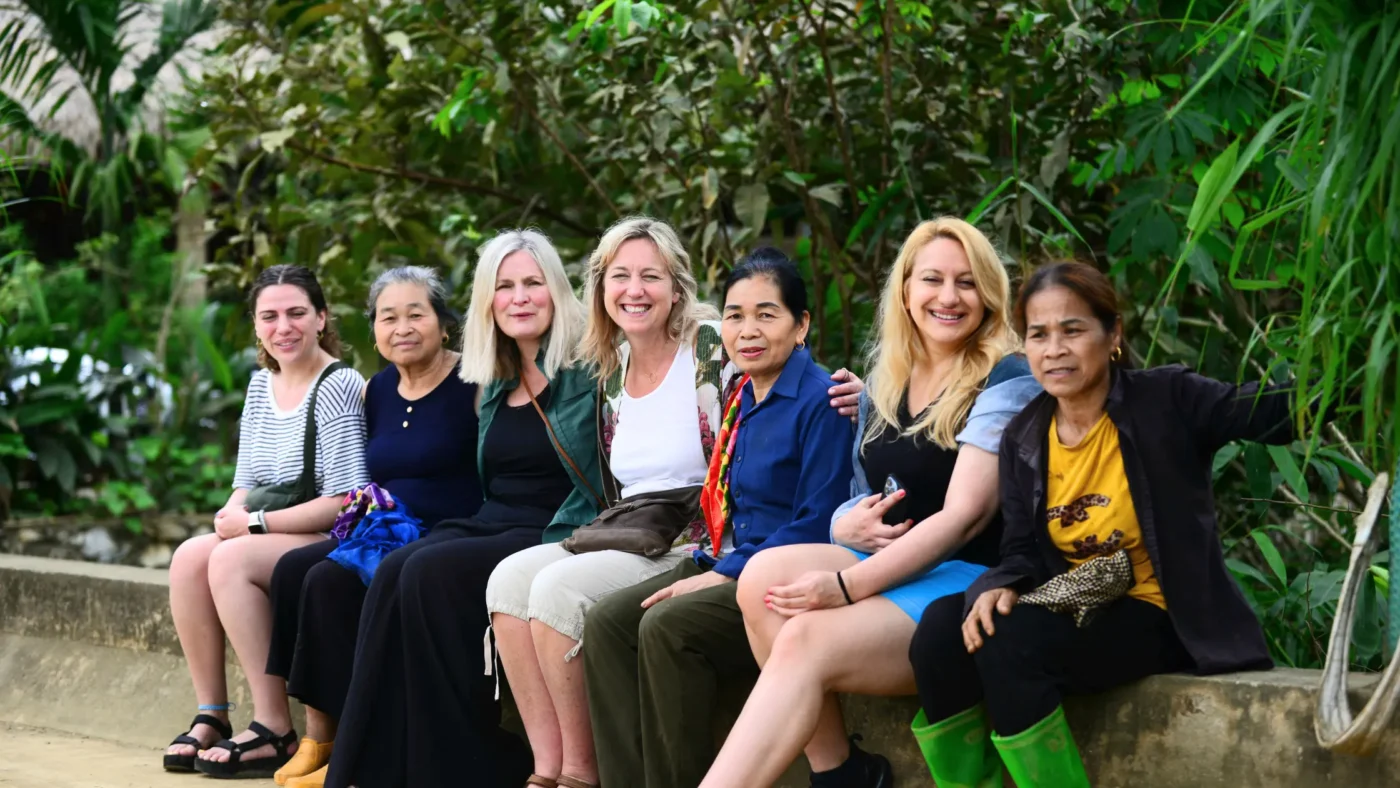
We also recognise that responsible tourism is an ongoing journey rather than a fixed destination. Expectations from travellers, travel trade partners, governments, and industry organisations continue to evolve. New sustainability challenges emerge, best practices improve, and destinations themselves change over time. For this reason, we regularly review our policies, strengthen our supplier partnerships, invest in staff training, and measure our progress to ensure responsible tourism remains embedded throughout our operations.
As a Vietnam-based Destination Management Company (DMC), we are uniquely positioned to influence how tourism is delivered on the ground. Through close collaboration with local suppliers, community partners, guides, accommodation providers, and international tour operators, we work to create travel experiences that balance commercial success with environmental stewardship, cultural respect, and long-term community benefits.
The following sections explain the principles that guide our approach, how we work with communities and suppliers, and the governance framework that supports our commitment to responsible travel in Indochina.
Our Sustainability Philosophy
At Footprint Travel, responsible tourism is guided by a simple principle: tourism should create positive, lasting value for the destinations where it takes place. We believe successful travel experiences should not only exceed travellers’ expectations but also contribute to the wellbeing of local communities, protect destination’s natural and cultural heritage, and support the long-term resilience of the tourism industry.
Since our establishment in 2001, we have recognised that every decision, from designing an itinerary to selecting a local supplier, has the potential to influence the places and people we work with.
This understanding shapes the way we develop products, build partnerships, and deliver travel experiences. Rather than viewing sustainability as a separate initiative, we integrate responsible tourism into our everyday operations and business decisions.
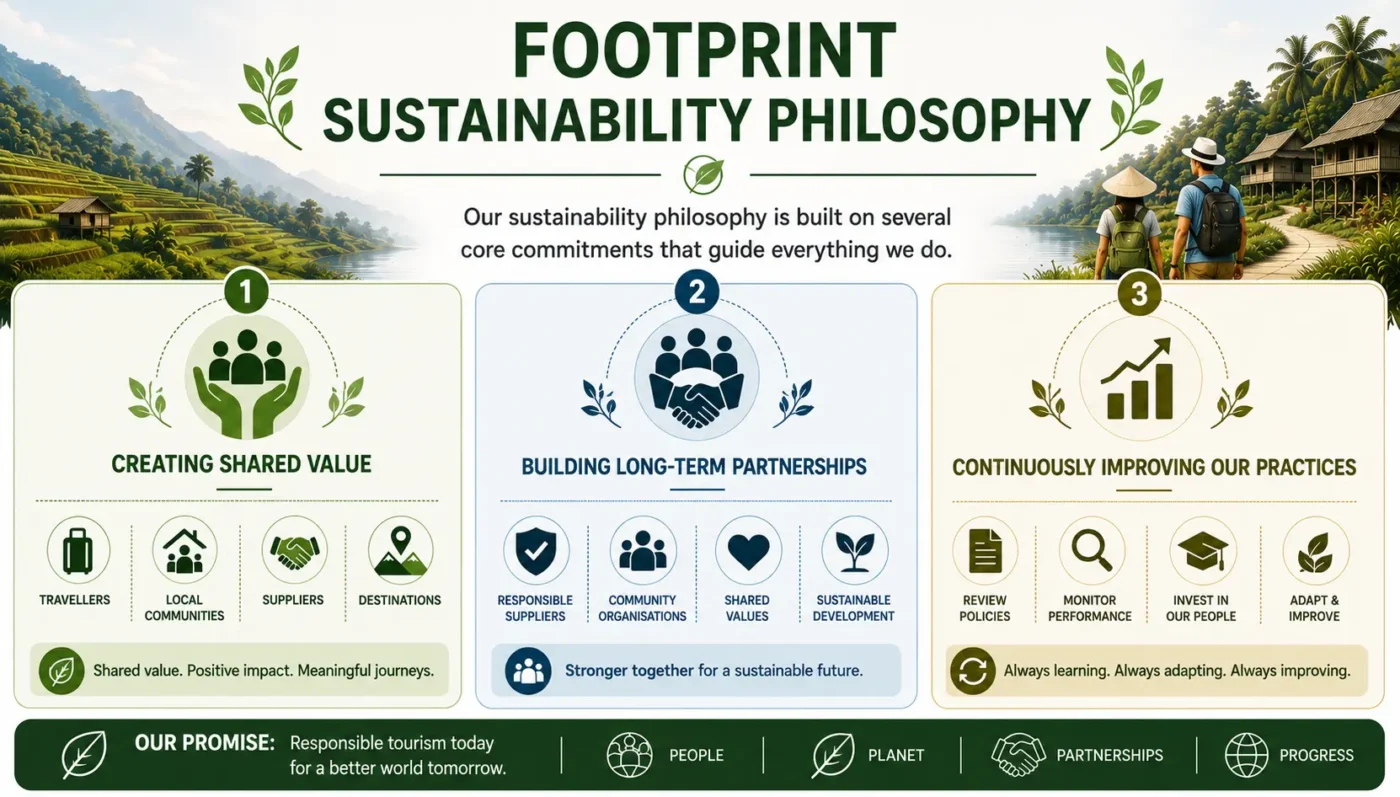
Our sustainability philosophy is built on several core commitments:
- Creating shared value by ensuring tourism benefits travellers, local communities, suppliers, and destinations alike.
- Building long-term partnerships with responsible suppliers and community organisations that share our values and commitment to sustainable development.
- Continuously improving our practices by reviewing our policies, monitoring our performance, investing in staff development, and adapting to evolving sustainability standards and industry expectations.
We also believe that responsible tourism requires collaboration. No single organisation can create a more sustainable tourism industry alone. Governments, local communities, suppliers, travellers, and Destination Management Companies each have a role to play. As a DMC, our responsibility is to connect these stakeholders, facilitate meaningful partnerships, and ensure responsible practices are reflected throughout the visitor journey.
This philosophy provides the foundation for everything we do. It informs the responsible travel principles we follow, the suppliers we choose to work with, the experiences we develop, and the way we measure our impact. Most importantly, it reinforces our commitment to helping travel trade partners deliver authentic, high-quality journeys that contribute positively to Vietnam’s people, places, and future.
Working with Local Communities
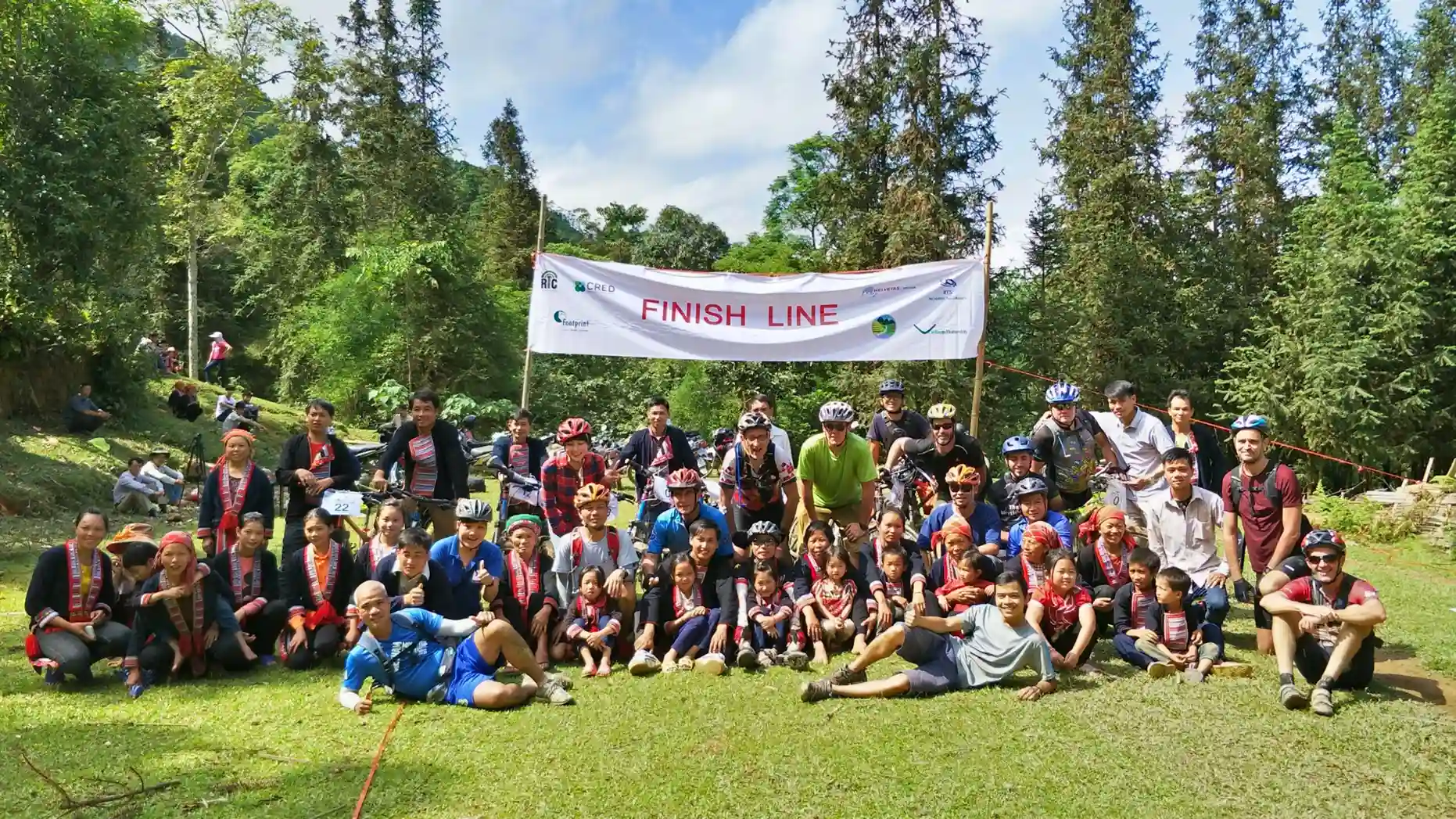
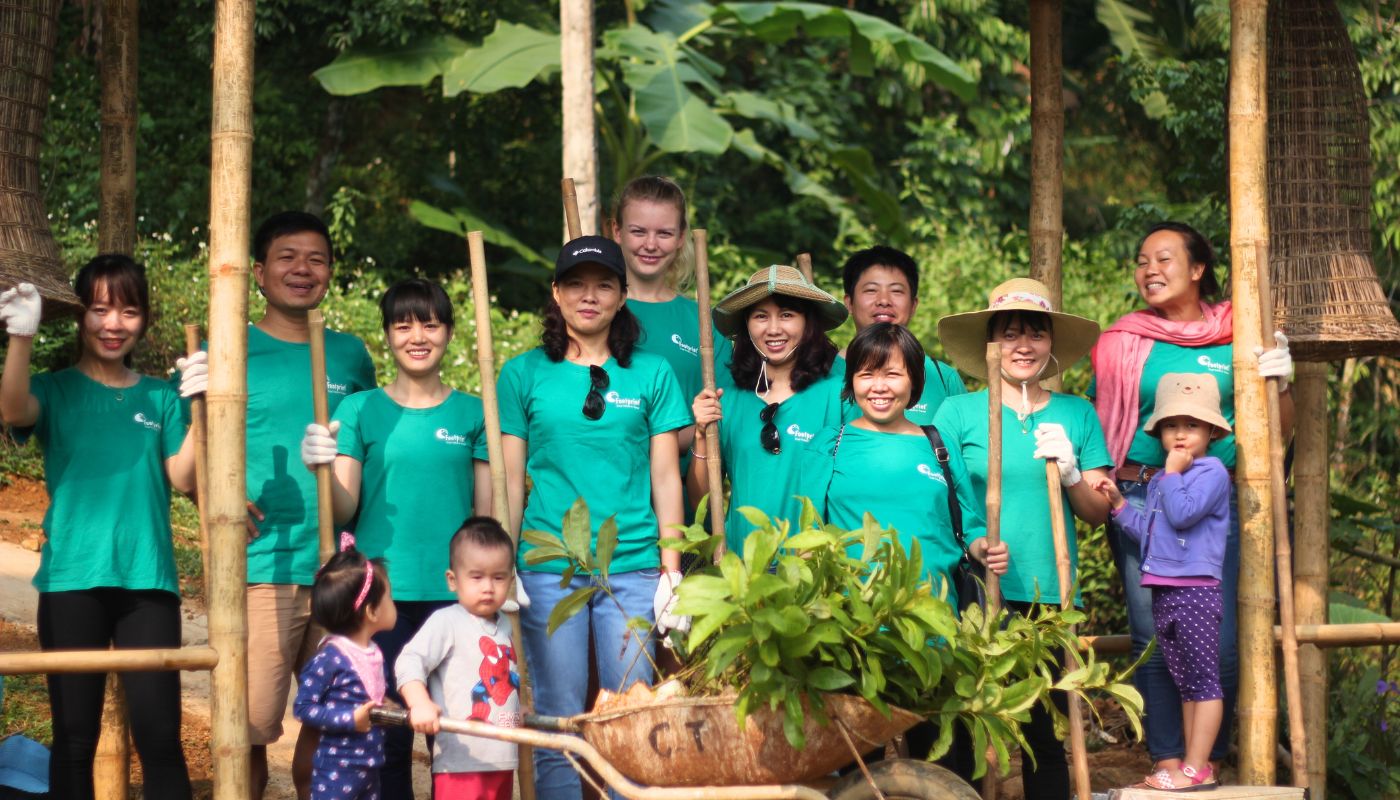
Local communities are at the heart of Vietnam’s tourism experience. From ethnic minority villages in the northern mountains to traditional craft communities, farming villages, and family-run businesses across the country, local people preserve the cultures, knowledge, and traditions that make Vietnam a distinctive destination. At Footprint Travel, we believe tourism should support these communities by creating opportunities that are economically beneficial, culturally respectful, and locally driven.
Our approach is based on developing long-term partnerships rather than one-off visits. We work with communities to create tourism experiences that complement local lifestyles, celebrate cultural heritage, and provide meaningful economic opportunities. Wherever possible, we prioritise local ownership and encourage visitors to engage with communities in ways that are respectful, authentic, and mutually beneficial.
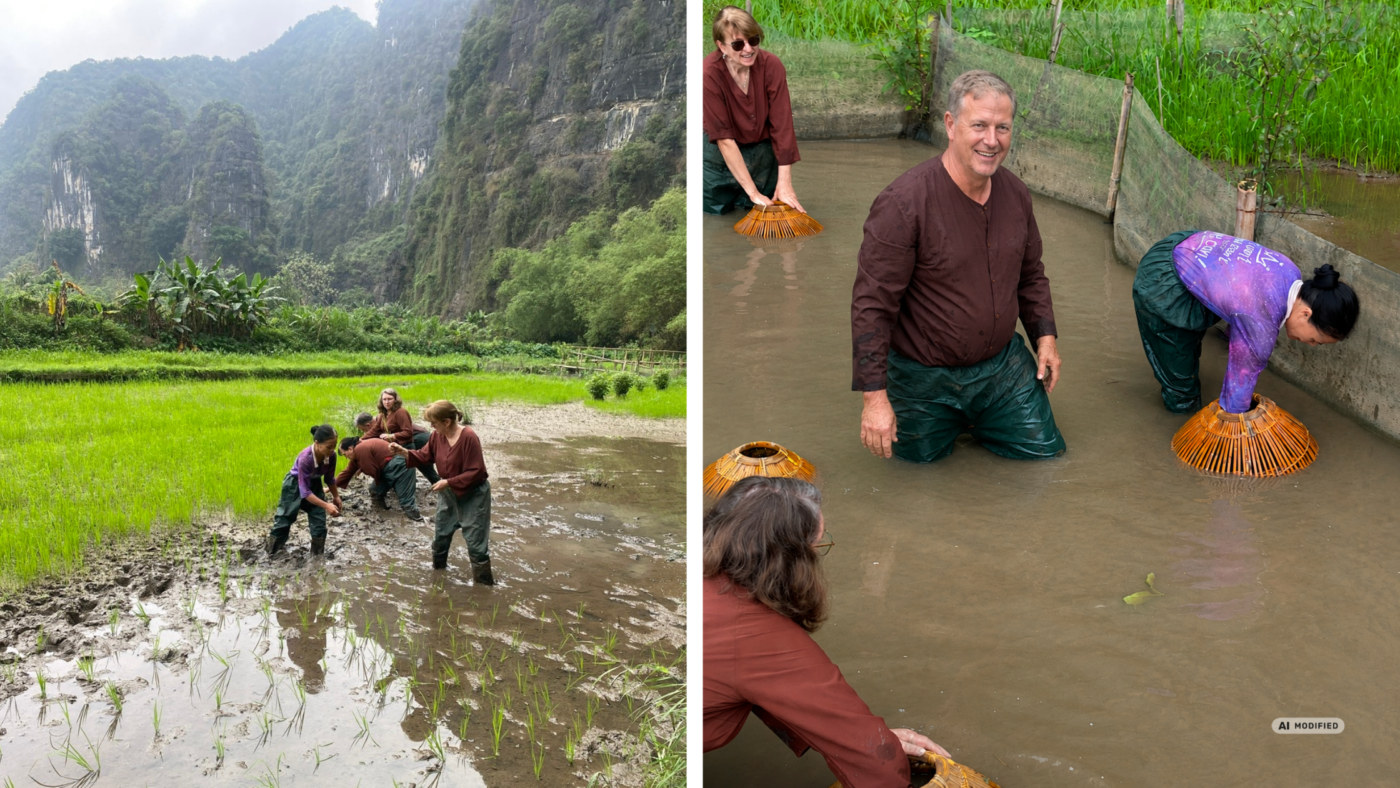
One of the most effective ways to achieve this is through community-based tourism (CBT). By working with community-managed accommodation, local guides, artisan groups, and small-scale enterprises, tourism revenue is shared more directly with local people. These experiences not only diversify local incomes but also encourage the preservation of traditional skills, customs, and ways of life that might otherwise be at risk.
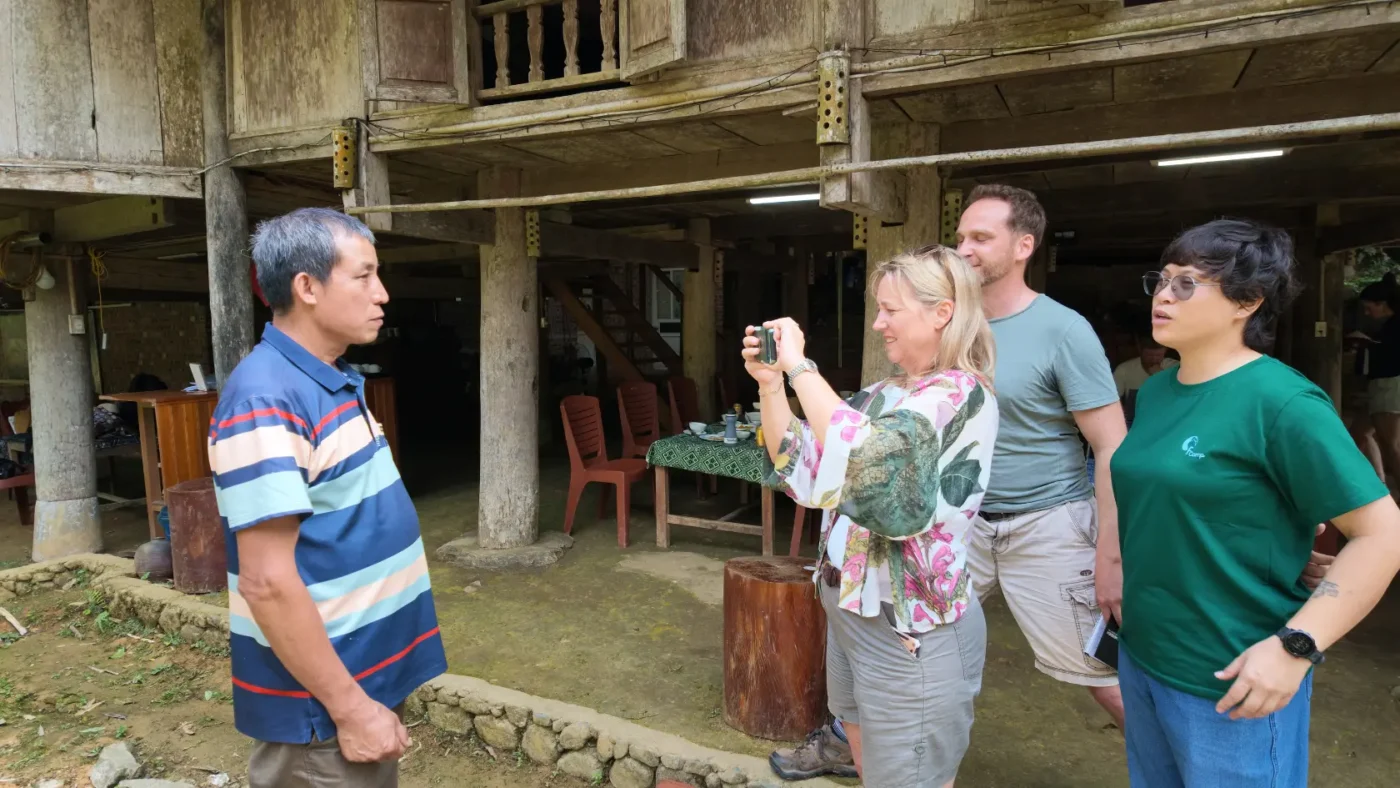
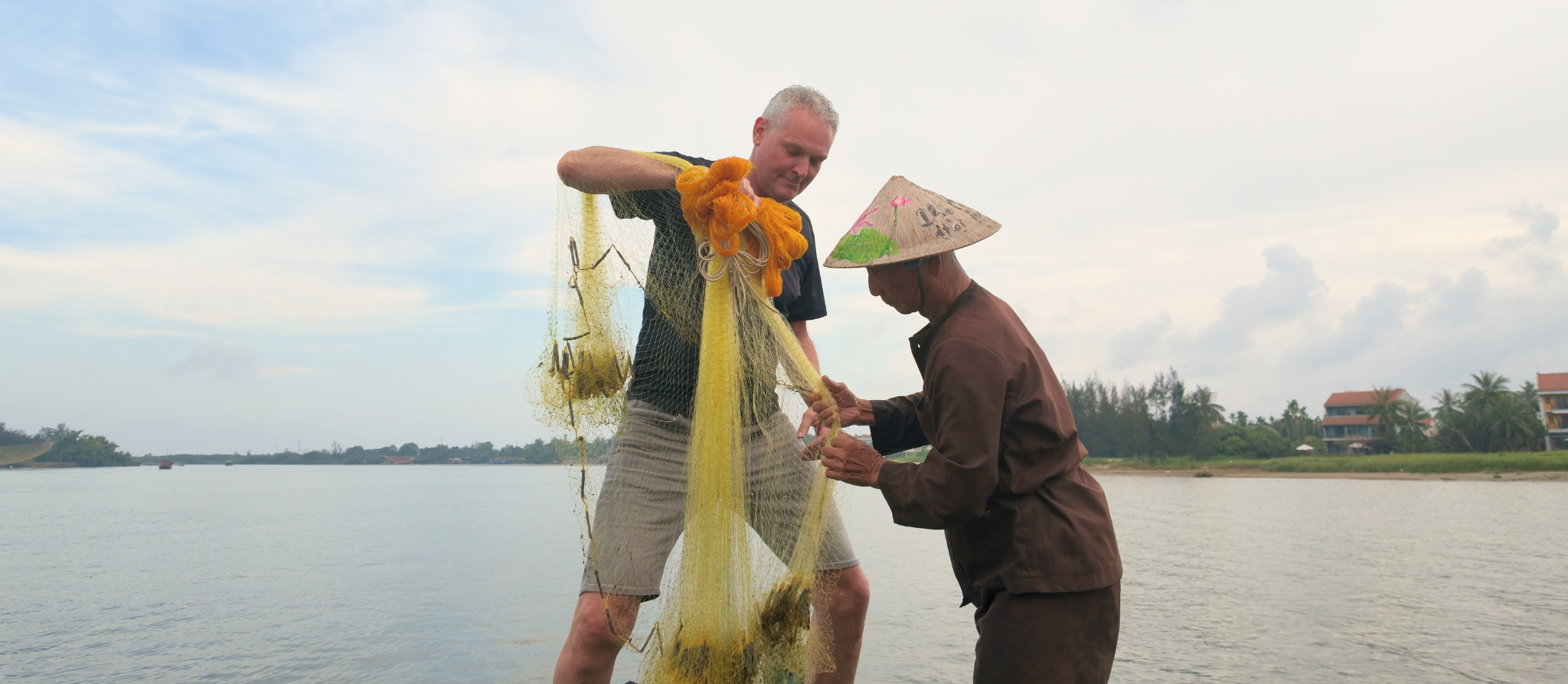
Beyond supporting community-based tourism, we seek opportunities to strengthen local economies throughout the visitor journey. This includes partnering with locally owned accommodation and restaurants, sourcing products and services from regional businesses, employing local guides with in-depth destination knowledge, and encouraging experiences that showcase local cuisine, crafts, and cultural traditions. By extending the economic benefits of tourism across the supply chain, we help create more resilient destinations.
Meaningful community partnerships also depend on responsible visitor behaviour. We encourage travellers to respect local customs, ask permission before photographing people, dress appropriately in cultural and religious sites, and engage with communities as guests rather than spectators. These simple actions help foster genuine cultural exchange while protecting the dignity and identity of host communities.
We recognise that every destination is different, and there is no single model for community engagement. Our role as a Destination Management Company is to work closely with local partners, listen to community perspectives, and continually adapt our programmes to ensure tourism remains a positive force for local development. Through collaboration, transparency, and long-term commitment, we aim to help communities thrive while offering travel experiences that are authentic, enriching, and sustainable.
Learn more: Explore our dedicated guide to Community-Based Tourism in Vietnam to discover how local partnerships create meaningful travel experiences while supporting sustainable development.
Building Responsible Supplier Partnerships
Delivering responsible travel experiences depends on the strength of the partnerships behind them. Every accommodation provider, transport company, guide, activity operator, restaurant, and community partner contributes to the overall impact of a journey. For this reason, Footprint Travel considers responsible supplier selection to be a fundamental part of our sustainability approach.
We seek to build long-term relationships with suppliers who share our commitment to responsible tourism. While quality, safety, and reliability remain essential considerations, we also look for partners who demonstrate respect for local communities, care for the environment, fair employment practices, and a willingness to continuously improve their sustainability performance.
Our supplier network includes a diverse range of locally owned businesses, family-run accommodation, community-based tourism initiatives, regional transport providers, and specialist experience operators across Vietnam. By working with local enterprises wherever practical, we help retain tourism revenue within destinations while supporting the growth of local businesses and strengthening regional economies.
Responsible partnerships are built on collaboration rather than compliance alone. We engage with suppliers to encourage good environmental practices, reduce unnecessary waste, minimise single-use plastics, improve resource efficiency, and promote responsible visitor behaviour. We also work closely with partners to ensure tourism activities respect local cultures, protect wildlife, and provide safe, high-quality experiences for travellers.
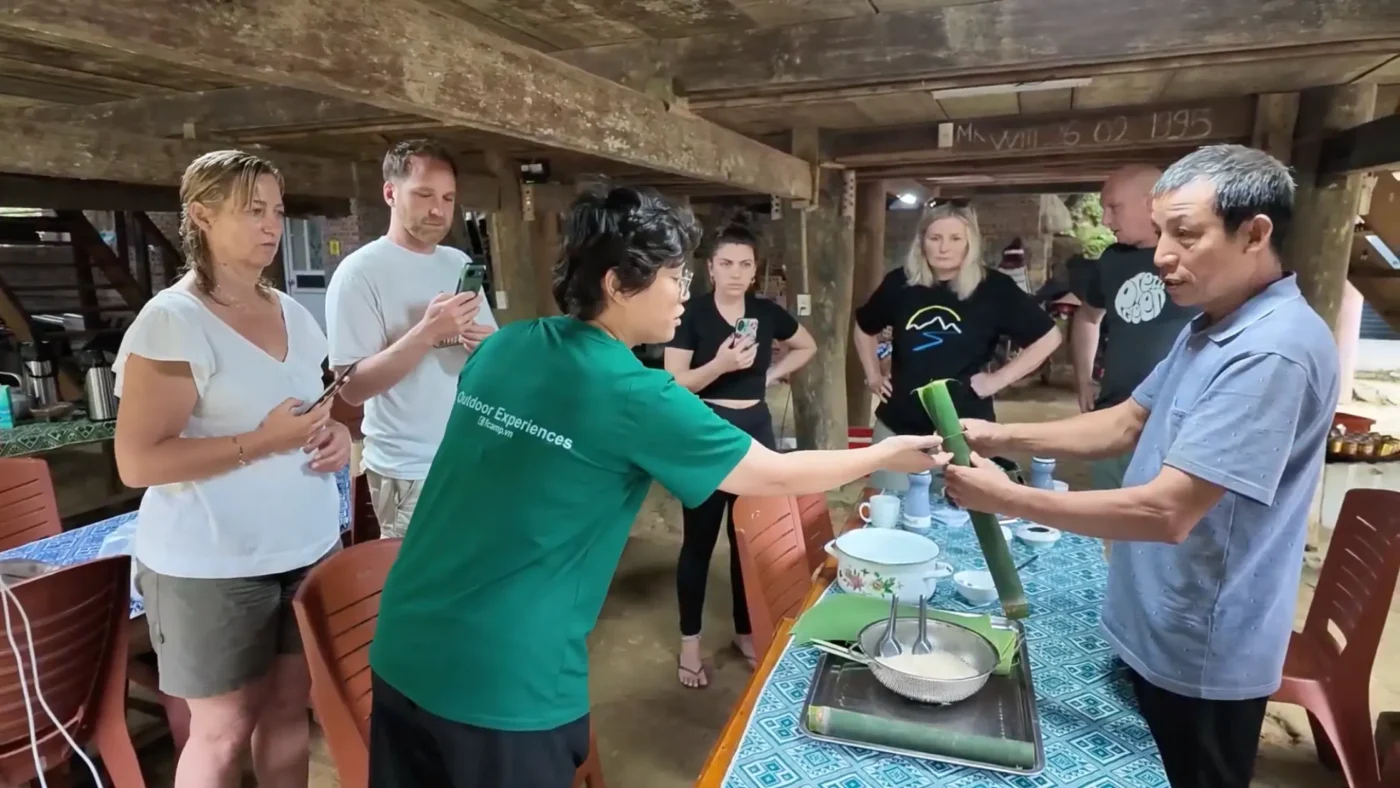
Supplier relationships are reviewed on an ongoing basis. Feedback from travellers, operational teams, guides, and local partners helps us monitor service quality and identify opportunities for improvement. Where appropriate, we support suppliers in strengthening their sustainability practices through dialogue, shared learning, and long-term cooperation. This collaborative approach helps build a more resilient tourism supply chain that benefits both our travel trade partners and the destinations in which we operate.
As international expectations around responsible tourism continue to evolve, strong supplier partnerships have become increasingly important for tour operators and travel agencies. Working with suppliers that align with recognised sustainability principles enables us to deliver travel experiences that meet both operational standards and the growing demand for responsible travel in Vietnam.
Learn more: Discover how our Supplier Standards and Responsible Procurement Policy help ensure our partners contribute to responsible tourism throughout Vietnam.
Measuring Progress and Continuous Improvement
Responsible tourism is an ongoing commitment that requires regular evaluation, transparency, and continuous improvement. At Footprint Travel, we recognise that sustainability is not defined by a single policy or initiative, but by our ability to measure performance, learn from experience, and adapt to changing industry expectations.
We monitor our progress across a range of environmental, social, and operational areas to understand the impact of our activities and identify opportunities for improvement. This includes reviewing supplier performance, gathering feedback from travellers and partners, assessing community engagement, monitoring responsible tourism initiatives, and evaluating how effectively our policies are implemented across the business.
Transparency is an important part of this process. We publish sustainability reports to share our progress, highlight achievements, and identify areas where further work is needed. By reporting openly, we aim to provide travel trade partners with greater confidence in our responsible tourism practices while holding ourselves accountable for continuous improvement.
Our approach is also informed by collaboration. We regularly engage with suppliers, local communities, industry organisations, and international travel partners to exchange knowledge, understand emerging sustainability challenges, and identify practical solutions. These conversations help us strengthen our programmes and ensure our responsible tourism approach remains relevant as expectations evolve.
Continuous improvement extends beyond environmental performance. We invest in staff development, encourage responsible innovation, review operational procedures, and refine our supplier partnerships to improve both sustainability outcomes and service quality. Small, consistent improvements across many aspects of our business can collectively create meaningful long-term impact.
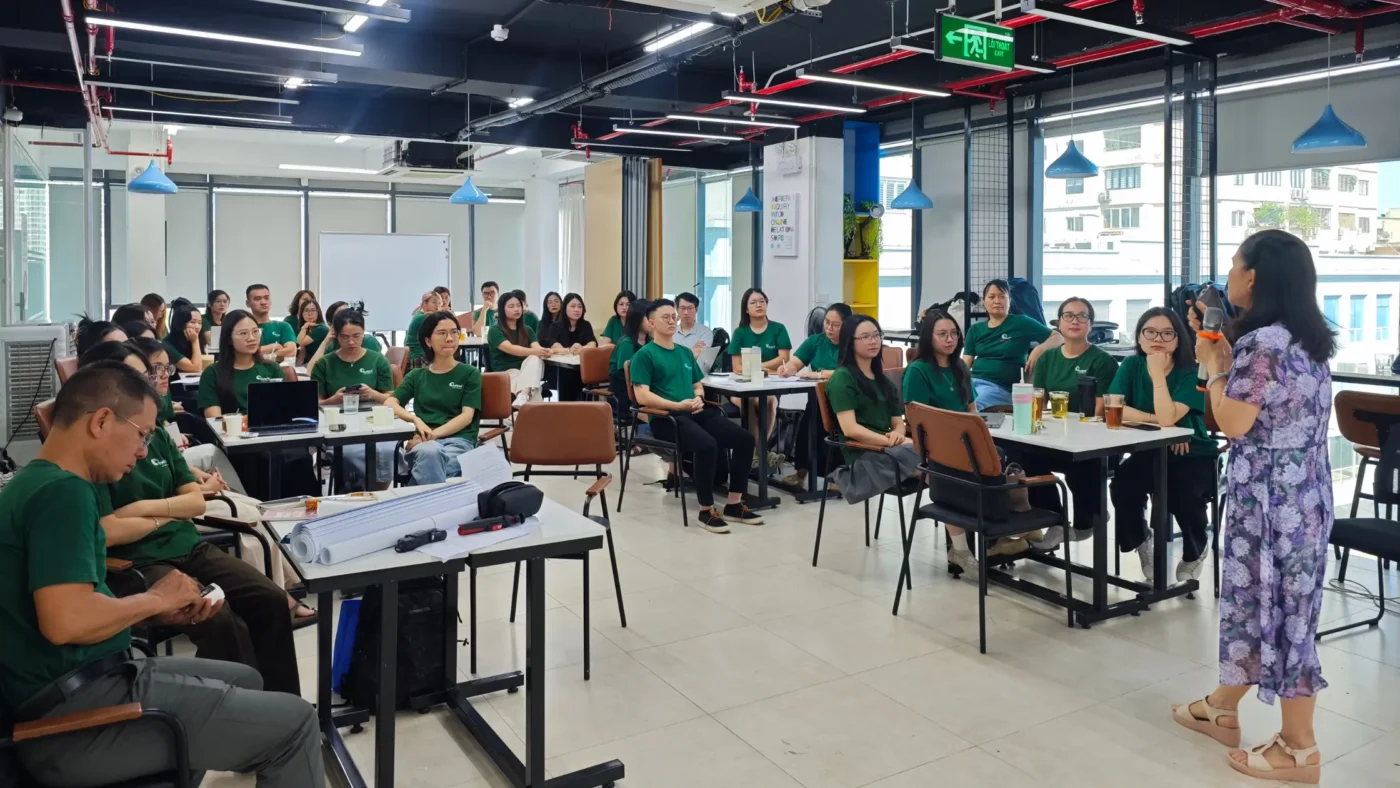
As responsible tourism continues to evolve, so too does our approach. We remain committed to reviewing our practices, strengthening our partnerships, and measuring our progress so that we can continue delivering responsible travel in Vietnam that benefits communities, protects the country’s natural and cultural heritage, and supports the long-term success of our travel trade partners.
Our Responsible Travel Principles
Responsible tourism is most effective when it is translated into clear principles that guide everyday decisions. At Footprint Travel, our responsible travel principles provide a practical framework for how we design itineraries, select suppliers, work with local communities, support our employees, and deliver travel experiences across destinations.
These principles are not standalone initiatives. They are integrated throughout our operations and influence every stage of the visitor journey, from the early planning of an itinerary to the experiences travellers have in destination. By embedding these commitments into our business, we aim to create positive environmental, social, cultural, and economic outcomes while delivering high-quality experiences for our travel trade partners and their clients.
Our principles also reflect the evolving expectations of the global travel industry. As sustainability becomes an increasingly important consideration for tour operators, travel agents, and corporate buyers, responsible tourism requires measurable action rather than broad commitments. Each principle represents an area where we strive to make informed decisions, collaborate with trusted partners, and continually improve our performance.
The following principles form the foundation of our responsible tourism programme:
- Community-Based Tourism – Supporting locally led tourism initiatives that create meaningful economic opportunities while preserving local culture and traditions.
- Animal Welfare – Promoting ethical wildlife experiences and working with suppliers that respect animal welfare standards.
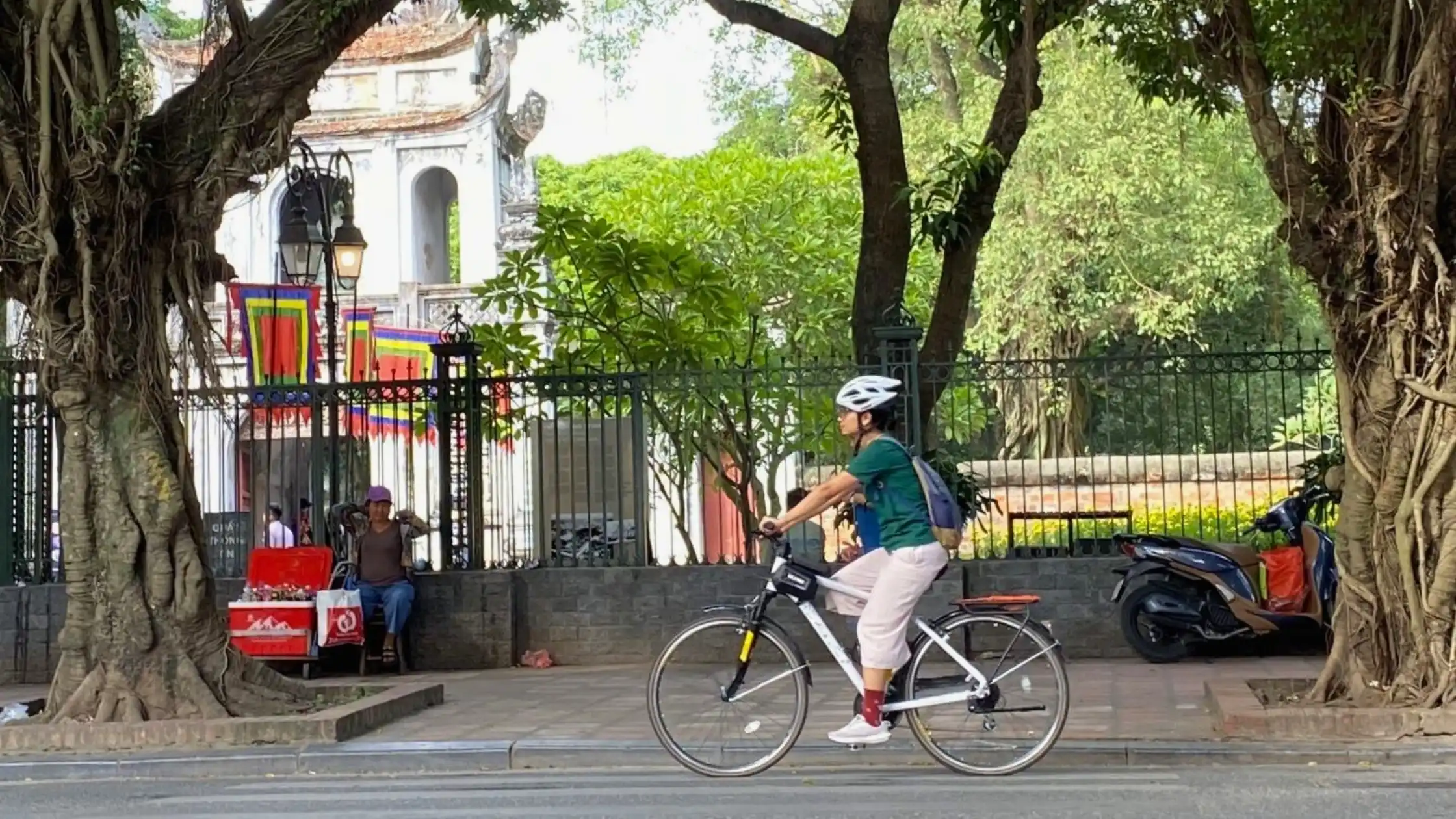
- Carbon Reduction – Designing itineraries and operations that help reduce environmental impacts and encourage more sustainable travel choices.
- Plastic Reduction – Minimising unnecessary single-use plastics across our operations and encouraging responsible consumption throughout the supply chain.
- Child Protection – Safeguarding children’s rights through responsible tourism practices and clear operational guidelines.
- Supporting Local Employment – Prioritising local guides, locally owned businesses, and regional suppliers to maximise the benefits of tourism within destinations.
- Preserving Cultural Heritage – Respecting and celebrating Vietnam’s diverse cultures through authentic experiences developed in partnership with local communities.
- Responsible Procurement – Selecting suppliers and partners based on quality, ethics, sustainability, and long-term collaboration.
Together, these principles help shape the way we operate and provide a consistent framework for responsible decision-making. They also demonstrate our commitment to working with travel trade partners who share our vision of creating tourism that delivers lasting value for destinations, communities, businesses, and travellers alike.
The following sections explore each principle in more detail, outlining why it matters and how it is put into practice across our operations in Vietnam.
Sustainability Reports Archive
Transparency is an essential part of responsible tourism. While policies and commitments explain our intentions, regular reporting demonstrates how those commitments are put into practice over time. At Footprint Travel, our sustainability reports provide an open record of the initiatives we have undertaken, the progress we have made, and the lessons we have learned as our responsible tourism programme continues to evolve.
Our archive reflects more than two decades of continuous improvement. Over the years, our reporting has expanded from documenting individual sustainability initiatives to providing a broader picture of how responsible tourism is integrated across our operations, supplier partnerships, community engagement, and environmental management. Each report captures the priorities, achievements, and challenges of its reporting period, offering valuable insight into the development of our sustainability journey.
We believe that responsible tourism is built on accountability. By making our reports publicly available, we enable travel trade partners, suppliers, and other stakeholders to better understand our approach, monitor our progress, and see how our commitments translate into practical action. Reporting also helps us identify opportunities for improvement, measure long-term trends, and strengthen the way we deliver responsible travel experiences throughout Vietnam.
Explore our Sustainability Reports Archive to learn more about the milestones, initiatives, and progress that has shaped Footprint Travel’s responsible tourism programme over the years.
Conclusion
Responsible travel in Vietnam is an ongoing commitment to creating positive outcomes for destinations, communities, businesses, and travellers. It requires thoughtful planning, responsible partnerships, and a willingness to continuously improve the way tourism is delivered.
At Footprint Travel, responsible tourism is integrated throughout our business, from the principles that guide our decisions and the suppliers we work with, to the experiences we create and the progress we report. We believe that sustainable tourism is achieved through practical action, transparency, and long-term collaboration with local communities and travel trade partners.
As expectations for responsible tourism continue to evolve, we remain committed to strengthening our practices and sharing our progress openly. Whether you are seeking a trusted Destination Management Company in Vietnam, developing more responsible itineraries, or looking to understand our sustainability approach, we invite you to explore the resources throughout this Responsible Travel hub and discover how responsible tourism is put into practice across our operations.

Hoang Yen leads product development and supplier partnerships at Footprint Travel, where she designs and refines travel experiences across Vietnam. Working closely with local communities and operational teams, she ensures each program reflects both authenticity and practical execution.
With strong on-the-ground knowledge and a focus on responsible travel, Yen contributes to building journeys that are meaningful, well-structured, and aligned with sustainable tourism principles.