










Hanoi Street Food: Experiences to Include in a Vietnam Itinerary
Hanoi street food offers a delicious introduction to Vietnam’s capital, from steaming bowls of phở and smoky bún chả to delicate bánh cuốn, seasonal specialities and traditional Vietnamese coffee. Beyond the dishes themselves, Hanoi’s food culture reveals the city’s history, daily routines and the people who bring its culinary traditions to life.
For travel planners and tour operators, Hanoi street food can add depth to a Vietnam itinerary without requiring a major change to the overall programme. A guided food walk through the Old Quarter, a traditional breakfast, a visit to a local market or a coffee stop can complement cultural sightseeing while giving travellers a closer look at everyday life.
This guide explores the Hanoi street food experiences worth including in a Vietnam itinerary, from iconic local dishes and seasonal specialities to neighbourhood food walks and practical ways to tailor the experience to different traveller profiles. It also considers how travel professionals can work with a local DMC to create well-paced, culturally meaningful and responsibly planned food experiences.
Why Include Hanoi Street Food in a Vietnam Itinerary?
Hanoi is a natural starting point for many journeys through northern Vietnam. Its historic neighbourhoods, lively markets and distinctive culinary traditions offer an opportunity to introduce travellers to the country through food before they continue to destinations such as Ninh Binh, Ha Long Bay, Pu Luong or Ha Giang.
A Hanoi street food experience can complement the more familiar highlights of the capital, providing a different perspective on the city and helping travellers connect with the places they visit.
Discover Northern Vietnamese Food Culture
Vietnamese cuisine varies considerably between regions, and Hanoi offers a distinctive introduction to northern flavours. Dishes such as phở, bún chả and bánh cuốn showcase the importance of fresh herbs, rice-based ingredients, carefully prepared broths and balanced seasonings.
These foods are closely connected with everyday dining rather than being reserved for special occasions. Travellers may discover them at breakfast stalls, small family-run eateries, traditional food shops or neighbourhood cafés.
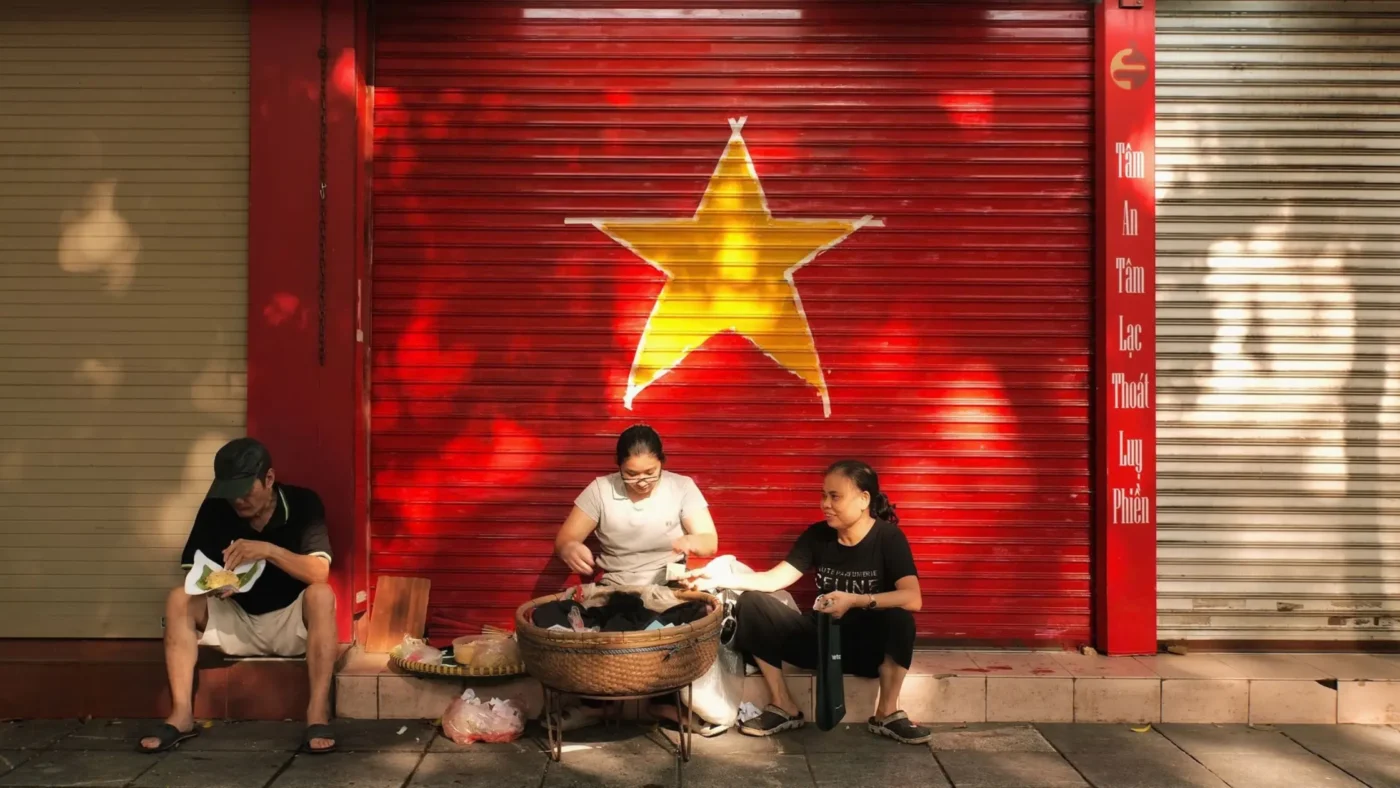
For first-time visitors, this creates an accessible way to become familiar with Vietnamese ingredients and eating customs. For returning travellers, it offers an opportunity to explore dishes and preparation methods beyond the familiar highlights.
Experience Hanoi Through Its Everyday Food Culture
Food is an important part of daily life in Hanoi. Breakfast stalls open early, vendors prepare meals for nearby residents and workers, and cafés become gathering places throughout the day.
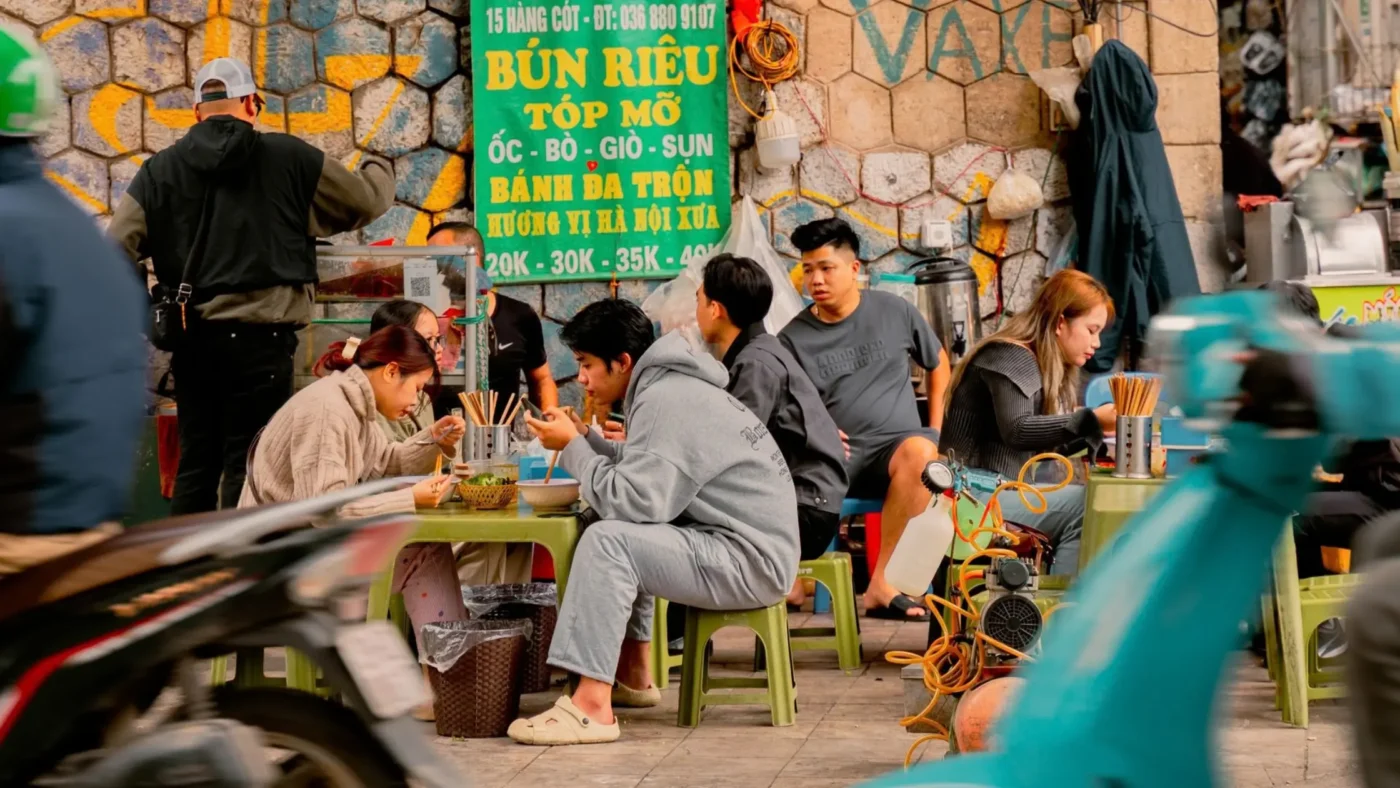
A local food walk can introduce travellers to these routines through simple but engaging experiences. They might watch a vendor prepare noodles, share a table with local diners or stop at a modest eatery that has served its neighbourhood for years.
These moments help travellers experience Hanoi beyond its major landmarks. Rather than simply visiting a destination, they have time to observe how people live, work and eat.
Add Variety to a Classic Hanoi Visit
Street food can be incorporated into different stages of a Vietnam itinerary. It may serve as an introduction to Vietnamese flavours at the beginning of a journey, a relaxed activity during a city stay or a final taste of Hanoi before travelling onwards.
Depending on the programme, a food experience can be combined with:
- A walking tour of the Old Quarter.
- Time around Hoàn Kiếm Lake.
- A visit to a traditional market.
- Cultural sightseeing in historic neighbourhoods.
- A Vietnamese coffee stop.
- A wider culinary journey through Vietnam.
The value lies in creating a balanced experience where food, culture and local life are connected rather than treated as separate activities.
Hanoi Street Food Experiences to Include
1. Explore Hanoi Street Food on a Guided Food Walk
A guided food walk is one of the most engaging ways to discover Hanoi street food. Rather than visiting restaurants selected only for tourists, travellers can explore smaller eateries, market stalls and neighbourhood streets with someone who understands the local food scene.
A knowledgeable guide can introduce the dishes, explain how they are prepared and help travellers understand the customs surrounding Vietnamese food. This adds context to the experience and allows visitors to appreciate the food beyond its appearance and flavour.
Discover Food Through Hanoi’s Streets
The Old Quarter is a natural setting for a food walk, with narrow streets, traditional shops, cafés and small eateries offering different tastes of the city.
Depending on the route and time of day, a food walk may include:
- A traditional breakfast of phở or bánh cuốn.
- Bún chả served with grilled pork, rice noodles and fresh herbs.
- Freshly prepared snacks from local vendors.
- Seasonal sweets and desserts.
- Vietnamese coffee in a neighbourhood café.
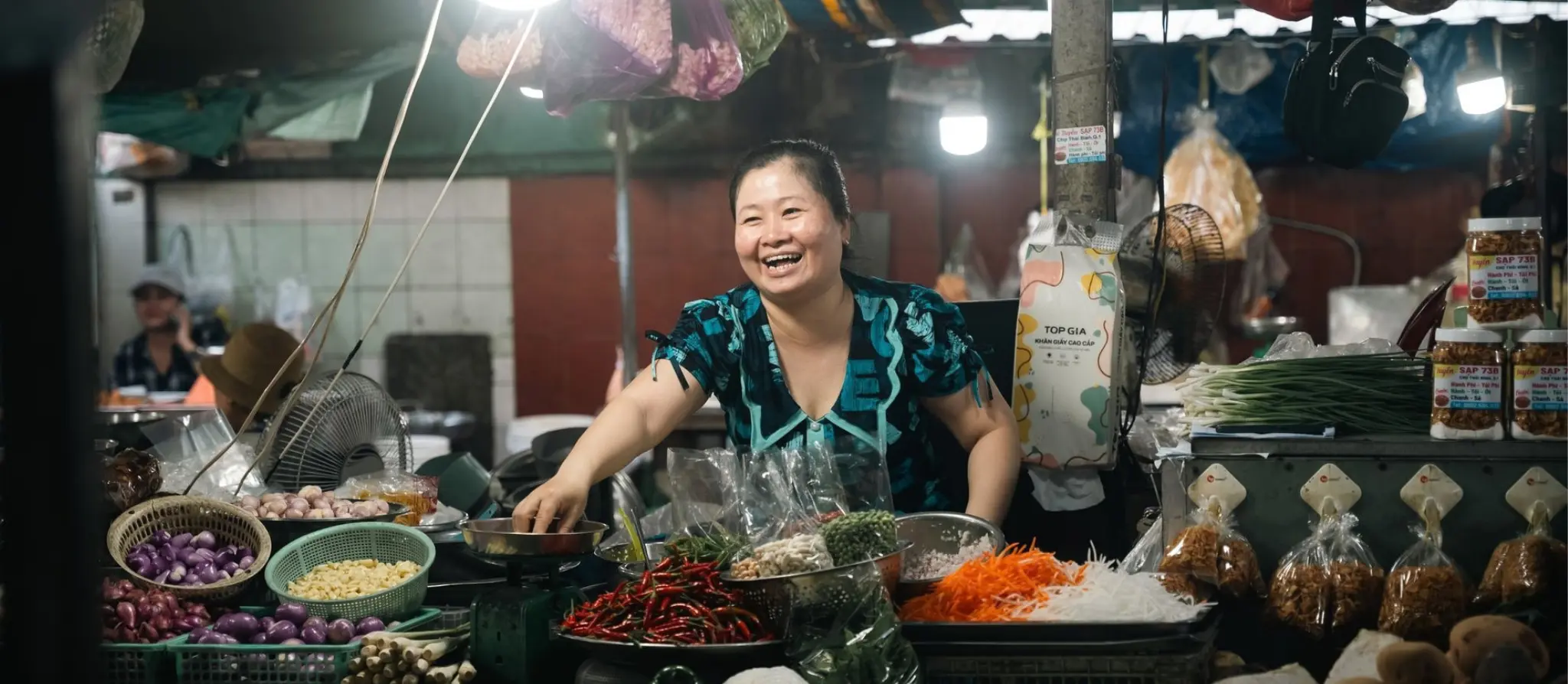
- A visit to a local market where ingredients and prepared foods are sold.
The focus should not be on trying as many dishes as possible. A well-designed Hanoi street food experience gives travellers time to enjoy each stop, ask questions and understand the setting.
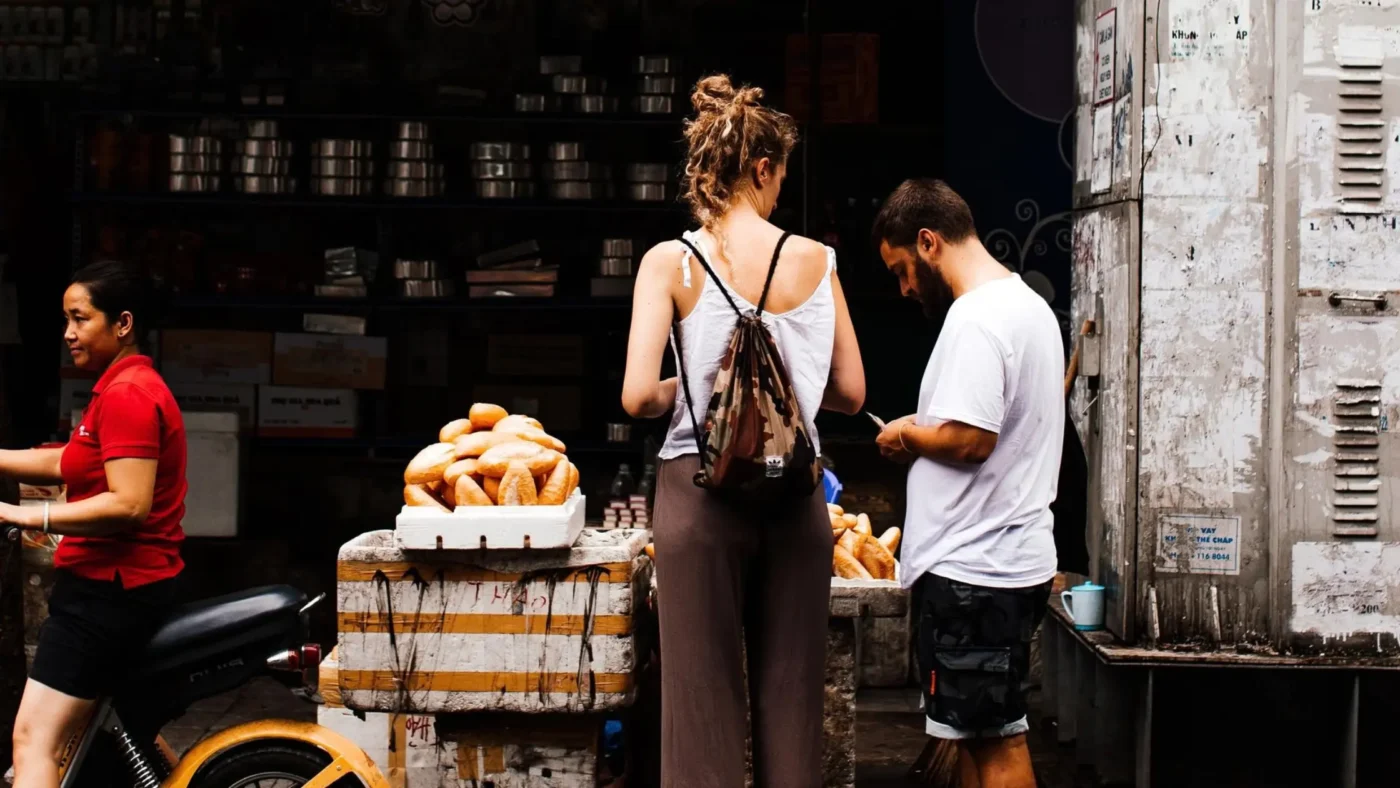
See How Traditional Dishes Are Prepared
Food walks can also introduce travellers to the skill behind familiar Vietnamese dishes. Depending on the vendor and route, visitors may watch rice noodles being prepared, meat being grilled over charcoal, bánh cuốn being made fresh or coffee being brewed through a traditional phin filter.
These observations help explain why seemingly simple dishes are so distinctive. Ingredients, preparation methods, sauces and herbs all contribute to the final flavour.
For travellers unfamiliar with Vietnamese cuisine, a guide can also explain how ingredients are combined, how condiments are used and how dishes are commonly enjoyed in local settings.
Connect Food With Everyday Life
A food walk offers more than a culinary introduction. It provides a glimpse into the routines of the people who live and work in Hanoi.
Travellers may see residents stopping for breakfast, families running small food businesses or office workers gathering for lunch. Eating in these everyday settings creates opportunities to experience the city at street level.
For travel designers, this type of experience can be particularly valuable when clients want to move beyond conventional sightseeing and develop a stronger connection with the destination.
2. Discover Hanoi’s Iconic Street Food Dishes
Hanoi street food is shaped by simple ingredients, careful preparation and flavours that have developed over generations. Including a selection of classic dishes in a Vietnam itinerary gives travellers a practical introduction to northern Vietnamese cuisine.
Rather than treating food as a checklist, travel planners can select dishes according to their clients’ interests, dietary needs and preferred pace.
Phở: A Classic Introduction to Hanoi
Phở is one of Vietnam’s best-known dishes and an important part of Hanoi’s food culture. A traditional bowl typically combines rice noodles, an aromatic broth and sliced meat, accompanied by fresh herbs and condiments.
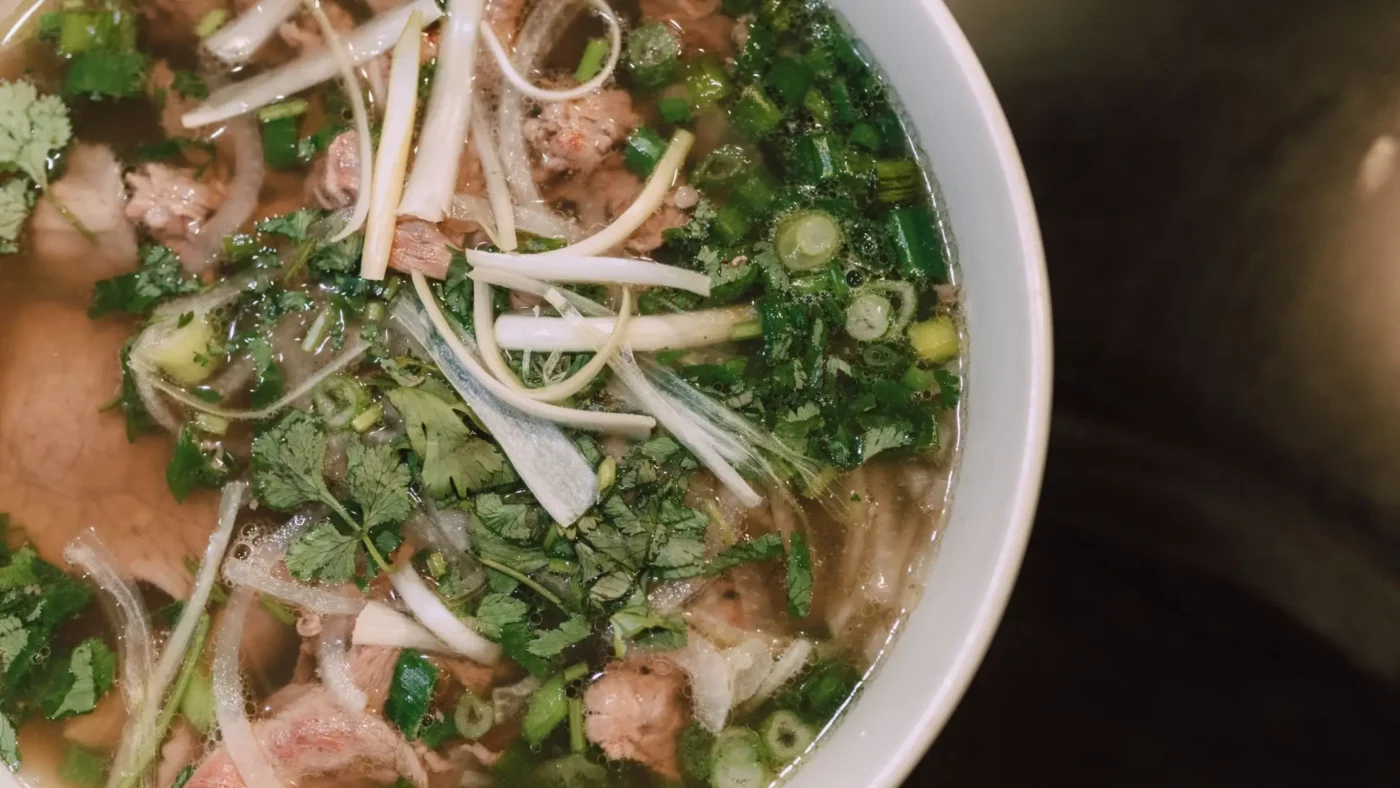
A local food experience can help travellers appreciate the details behind the dish, including the preparation of the broth, the texture of the noodles and the way ingredients are added before serving.
For first-time visitors, phở is often an accessible starting point. It can be included as a breakfast, lunch or early meal during a food walk.
Bún Chả: A Hanoi Speciality
Bún chả is closely associated with Hanoi. The dish features grilled pork served with rice noodles, fresh herbs and a sweet-and-savoury dipping sauce.
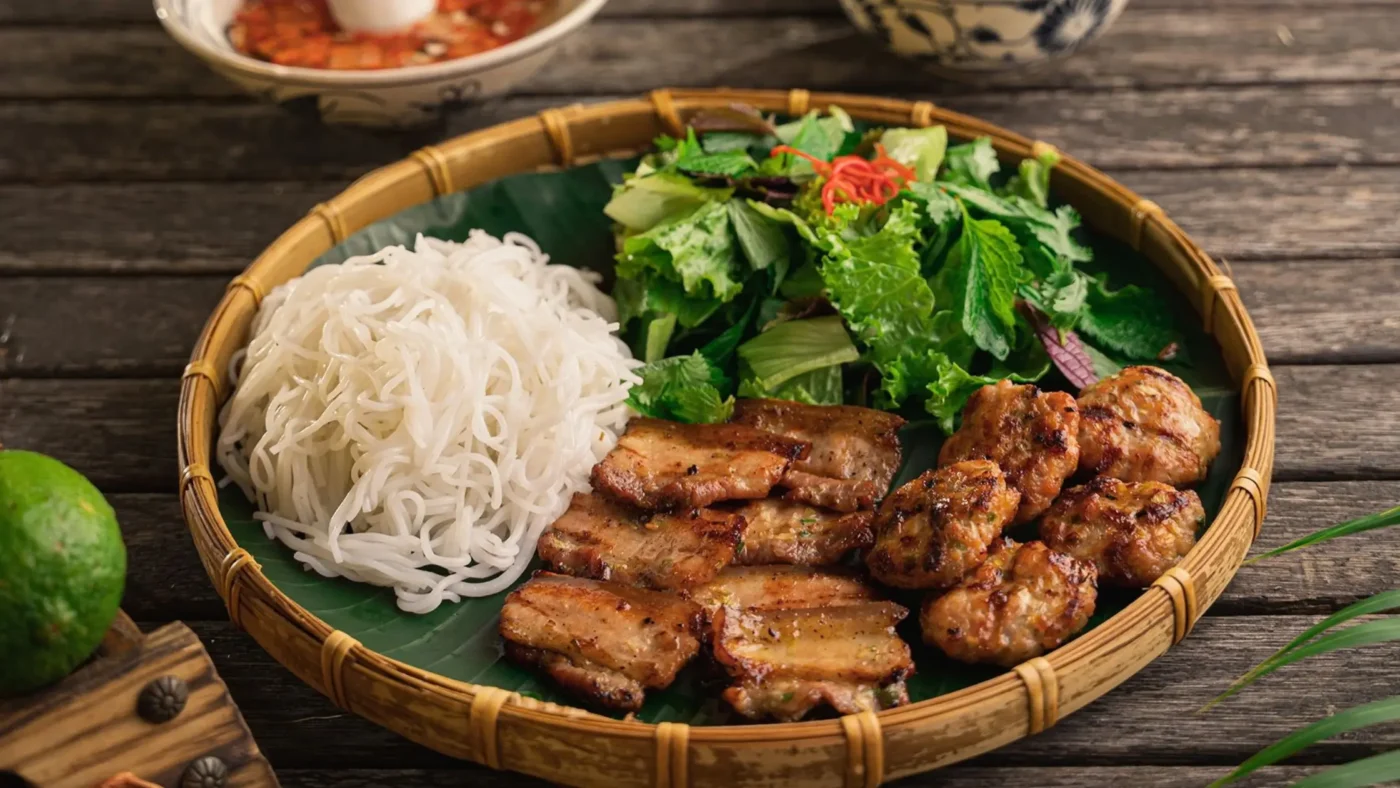
The combination of smoky grilled meat, fresh greens and light noodles offers a different experience from broth-based dishes. Eating bún chả in a local setting also gives travellers a chance to observe how the ingredients are combined and enjoyed.
It is particularly suitable for clients who want to experience a dish strongly connected with Hanoi rather than a Vietnamese speciality found throughout the country.
Bánh Cuốn: A Delicate Local Favourite
Bánh cuốn consists of thin steamed rice rolls, usually filled with ingredients such as minced meat and wood ear mushrooms. The rolls are served with dipping sauce and may be accompanied by herbs or other savoury additions.
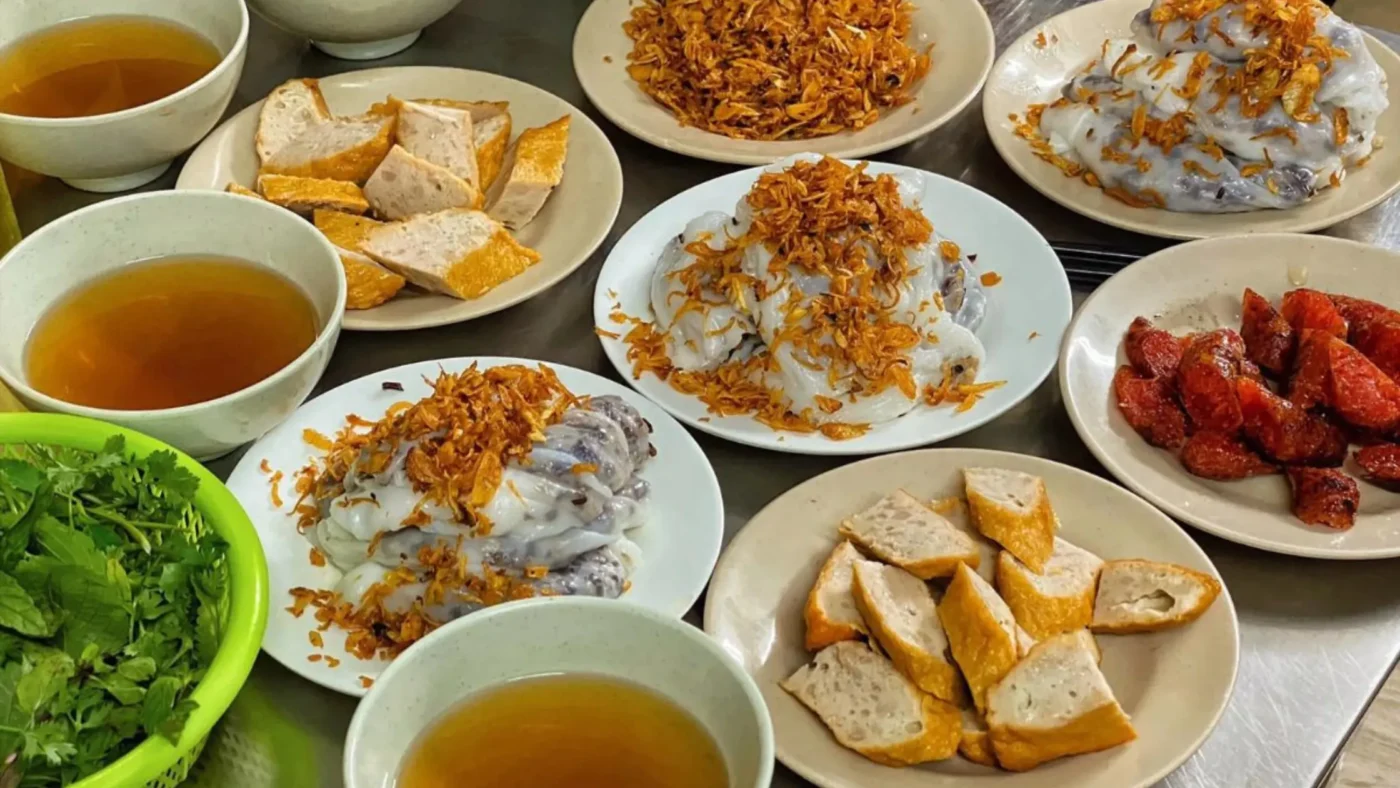
Watching bánh cuốn being prepared can be an important part of the experience. The rice batter is steamed into delicate sheets, filled and rolled to order.
This dish can appeal to travellers interested in traditional preparation techniques, local breakfast culture and lighter food experiences.
Phở Cuốn and Other Fresh Dishes
Phở cuốn offers a different way to enjoy familiar Vietnamese ingredients. Instead of serving noodles in broth, the ingredients are wrapped in soft rice noodle sheets with herbs and other fillings.
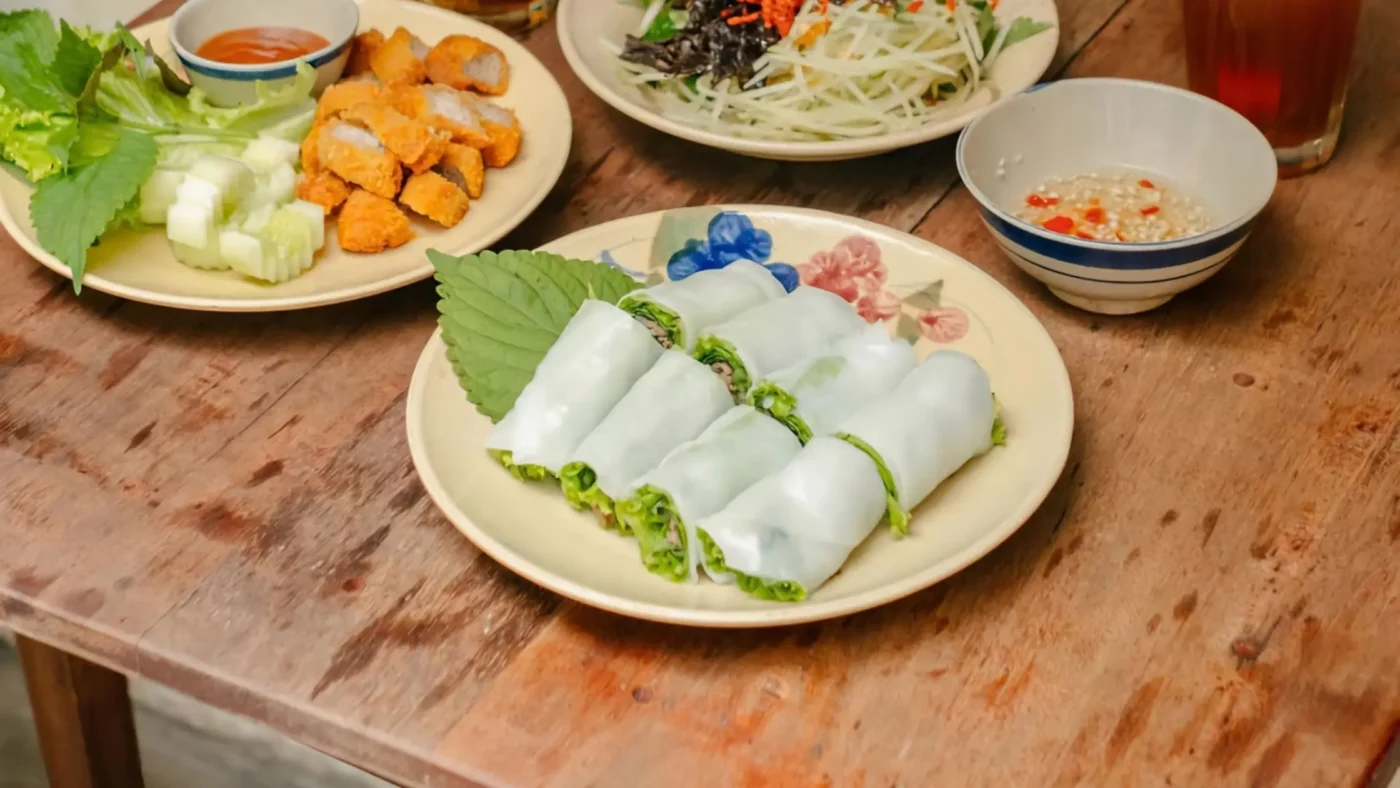
Fresh dishes such as this can add variety to a food walk, especially when the itinerary already includes grilled or noodle-based meals. They may also suit travellers who prefer lighter flavours and a combination of fresh ingredients.
Other dishes worth considering for a Hanoi street food experience include bánh tôm, xôi and bún thang. Their suitability will depend on the route, vendor availability and the interests of the group.
Traditional Snacks and Coffee
Hanoi’s food culture extends beyond main meals. Traditional snacks, sweet desserts and coffee can provide useful additions to a food walk or a short culinary stop.
Egg coffee, for example, can be introduced as part of Hanoi’s café culture. Chè and tào phớ offer opportunities to explore Vietnamese sweet treats, while seasonal fruits and local snacks can add variety to a market visit.
For travel planners, these smaller tasting stops can help create a balanced experience without making the programme feel rushed.
3. Experience Hanoi’s Seasonal Street Food
Hanoi’s food culture changes with the seasons. Alongside dishes available throughout the year, local vendors offer ingredients and snacks that reflect the weather, harvests and everyday preferences of residents.
Including seasonal food in a Vietnam itinerary can help travellers experience a more specific side of Hanoi. It also creates opportunities to connect food with local markets, traditional preparation methods and the rhythm of everyday life.
Summer: Fresh and Refreshing Food Experiences
Summer in Hanoi, generally from May to August, is characterised by high temperatures and humidity. During this period, travellers can discover refreshing drinks, seasonal fruits, chilled desserts and lighter food experiences.
Popular options may include:
- Chè: Traditional Vietnamese sweet desserts made with ingredients such as beans, jelly, fruit, coconut milk or sweet syrup.
- Tào phớ: A soft soybean dessert served with sweet syrup, enjoyed warm or chilled depending on the vendor.
- Hoa quả dầm: A mixed fruit dessert prepared with ingredients such as yoghurt, condensed milk, coconut milk or crushed ice.
- Seasonal fruits: Depending on the harvest, markets may feature lychee, longan, watermelon, mango and other locally available produce.
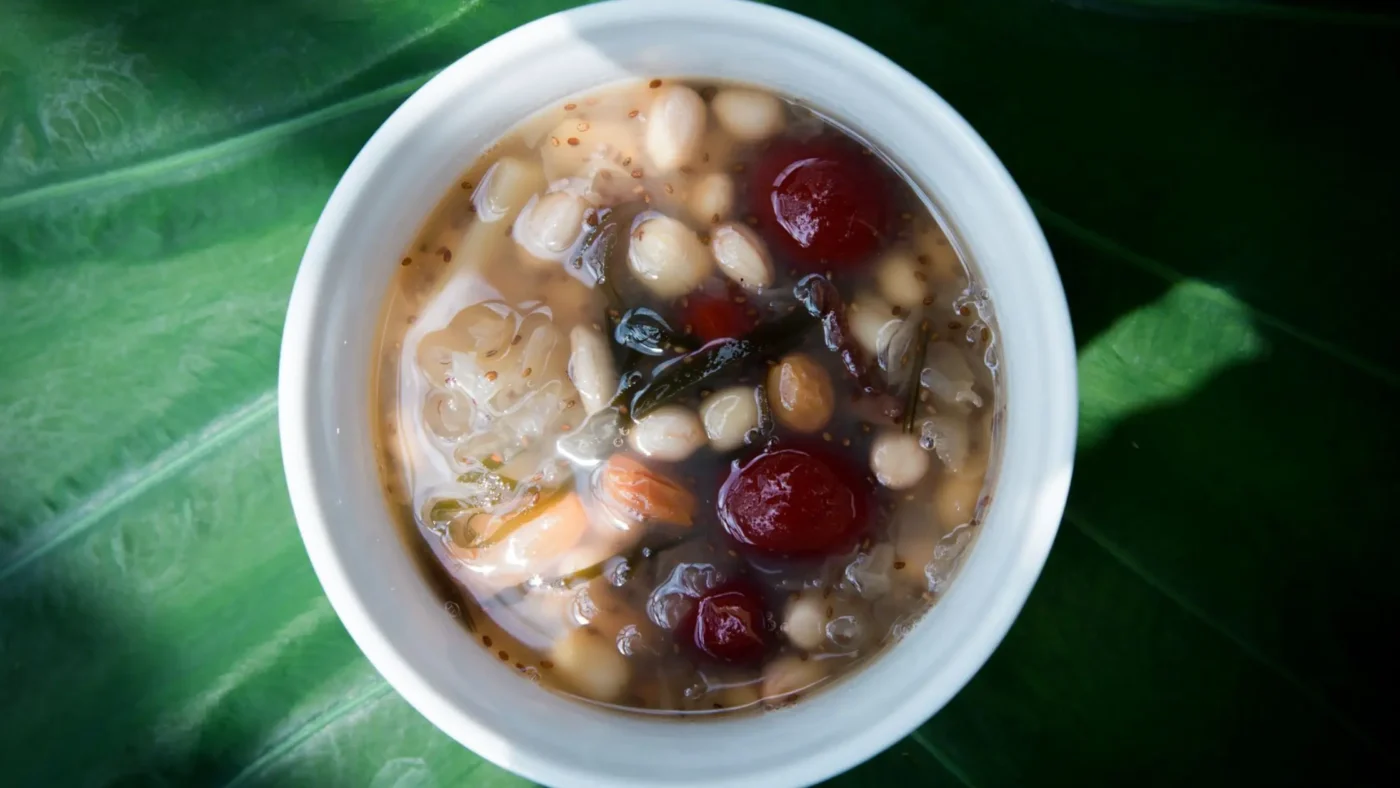
These foods offer more than refreshment in hot weather. They also show how Hanoi’s food culture adapts to the season through fresh ingredients, chilled preparations and informal eating habits. A summer food experience can be included as a dessert stop during a walking tour, a refreshing break after visiting a market or a family-friendly tasting activity.
Autumn: Discover Hanoi’s Seasonal Specialities
Autumn, generally from September to November, brings a different atmosphere to Hanoi’s food culture. As the weather becomes cooler, seasonal ingredients appear in local markets, street stalls and traditional food shops.
One of the city’s best-known autumn foods is cốm, young green rice harvested while the grains are still soft. Traditionally wrapped in lotus leaves, cốm has a delicate texture and a lightly sweet, earthy flavour.
It can be enjoyed on its own or used to make other local specialities, including:
- Bánh cốm: A soft green rice cake associated with traditional celebrations.
- Chả cốm: Grilled or fried pork patties mixed with young rice.
- Seasonal fruit and snacks found in local markets.
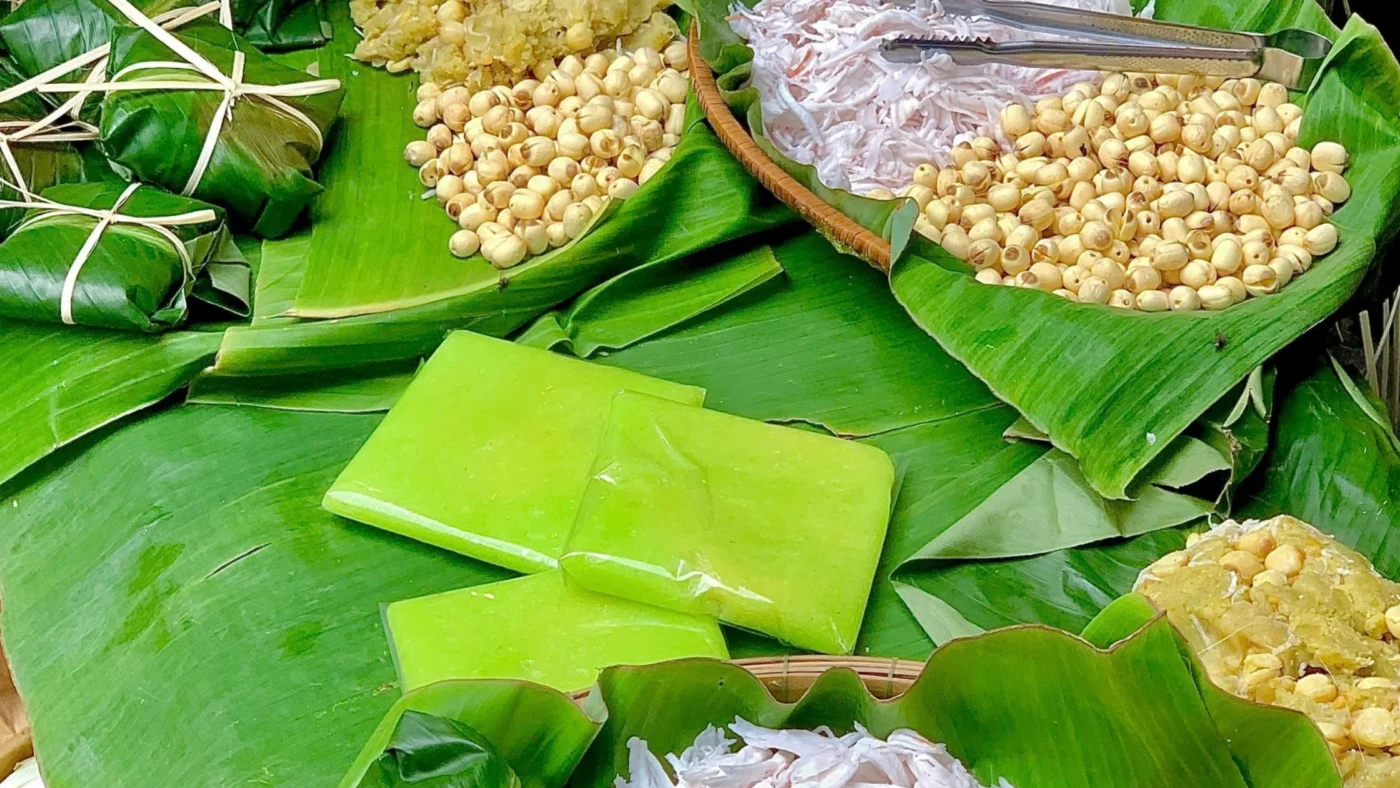
Autumn food can be incorporated into a walking tour of the Old Quarter, a traditional food shop visit or a market experience. It may also complement cultural sightseeing in historic neighbourhoods and traditional craft areas.
For travel planners, seasonal food should be treated as an opportunity rather than a guaranteed menu item. Availability depends on the harvest calendar and individual vendors, so the exact selection should be confirmed close to the travel date.
Winter: Warm and Comforting Street Food
Winter in Hanoi, generally from December to February, brings cooler temperatures and an atmosphere well suited to warm, freshly prepared food. Steaming bowls of noodles, grilled dishes and hot drinks become especially appealing as travellers explore the city’s streets and neighbourhoods.
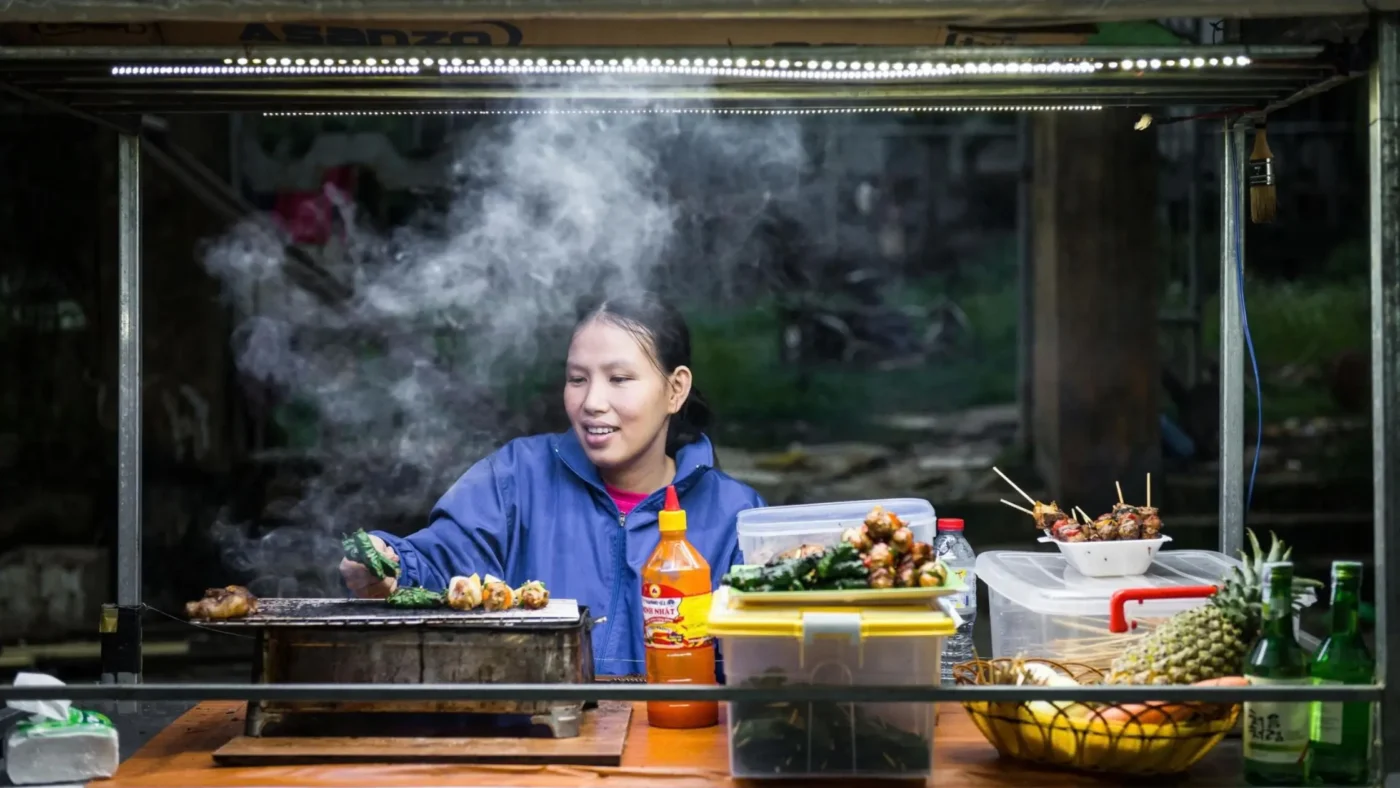
A winter food experience may include:
- A hot bowl of phở for breakfast.
- Bún chả as a substantial meal during a food walk.
- Other warm noodle dishes or local specialities.
- Hot phin-filter coffee or egg coffee.
- Tea or other non-coffee drinks in a traditional café.
Winter street food works well in an itinerary that combines short outdoor activities with warm or sheltered stops. For example, a half-day experience could begin with a hot bowl of phở, continue with a walk through the Old Quarter and finish with a warm drink in a local café.
The timing should remain flexible, particularly when rain or cooler weather affects walking conditions.
4. Experience Hanoi’s Coffee and Dessert Culture
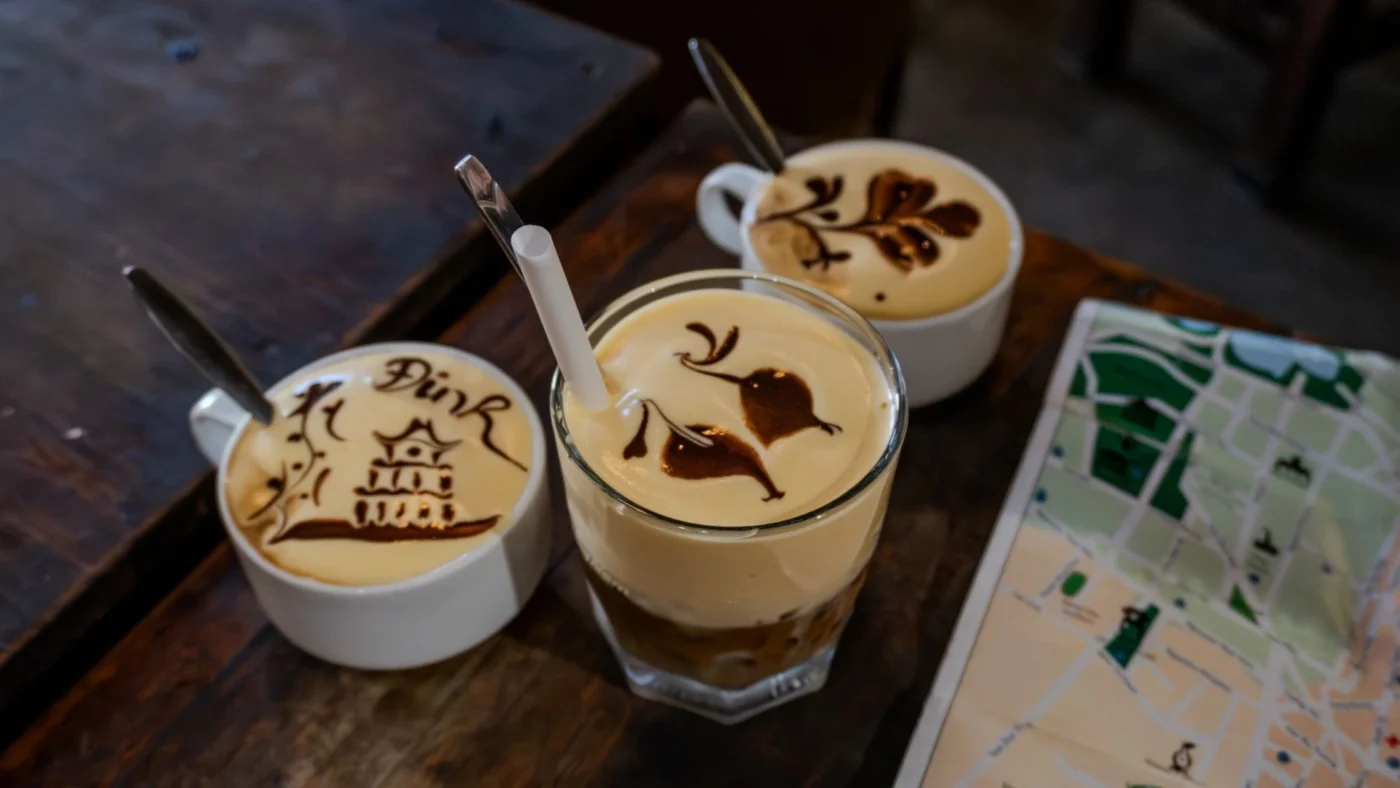
Vietnamese coffee is an important part of Hanoi’s everyday food culture. Traditional cafés provide opportunities to slow down, observe local routines and enjoy a break between sightseeing activities.
A coffee stop can be incorporated into a Hanoi street food experience as a short tasting, a rest break or the final part of a food walk.
Depending on the café and traveller preferences, the experience may include:
- Traditional phin-filter coffee.
- Coffee with condensed milk.
- Egg coffee.
- Vietnamese tea.
- Seasonal desserts or sweet snacks.
For clients who do not drink coffee, tea and other non-coffee options can be considered.
A café stop is particularly useful during warmer, cooler or rainy weather, giving travellers time to rest while remaining connected to Hanoi’s local atmosphere.
Hanoi Street Food for Different Traveller Profiles
Not every traveller will want the same food experience. A well-planned Hanoi street food programme can be adapted to different interests, dietary needs and travel styles.
First-Time Visitors to Vietnam
First-time visitors may prefer an introduction to familiar Vietnamese dishes and eating customs. A suitable experience could combine phở, bún chả, bánh cuốn and Vietnamese coffee, with a guide explaining the ingredients, preparation methods and local dining habits.
This provides a balanced introduction to Hanoi’s food culture without overwhelming travellers with too many unfamiliar dishes.
Food and Culture Enthusiasts
Travellers with a strong interest in food may enjoy a more detailed exploration of Hanoi’s culinary traditions. The experience could focus on traditional dishes, lesser-known specialities, preparation methods and seasonal ingredients. A market visit or conversation with a local vendor may add cultural context.
For this group, the value often lies in understanding how food is prepared and why it matters to the local community, rather than simply trying a large number of dishes.
Families
Families may benefit from flexible tasting stops, familiar flavours and a relaxed pace. Travel planners can consider smaller portions, accessible food options and a combination of savoury dishes, snacks and desserts. A café stop may also provide a useful break during a walking route.
Dietary requirements and food preferences should be discussed in advance, particularly when planning experiences for children.
Slow Travellers and Culture-Focused Clients
Travellers interested in slow travel may prefer a neighbourhood-based food experience rather than a fast-paced route covering many stops.
A carefully designed walk could combine a local market, a family-run eatery and a traditional café, with time for conversation and cultural explanation. A home-hosted dinner can offer another way to connect food with local hospitality and everyday life.
This approach allows travellers to spend more time in one area and develop a stronger sense of place.
Travellers With Dietary Requirements
Dietary needs should be considered from the beginning of itinerary planning.
Ingredients and preparation methods can vary between vendors, and dishes that appear suitable may contain ingredients that are not immediately obvious. Travel planners should communicate requirements clearly and confirm suitable options with the local partner and vendors before the experience.
The final food selection should be adapted to the individual traveller rather than presented as a fixed menu.
How to Incorporate Hanoi Street Food Into a Vietnam Itinerary
Hanoi street food can be included in a Vietnam itinerary in several ways, depending on the overall programme, traveller interests and time available.
A Morning Food Experience
A morning food walk can introduce travellers to Hanoi’s breakfast culture before a day of sightseeing.
A possible combination includes:
- Breakfast at a local phở or bánh cuốn eatery.
- A walk through the Old Quarter.
- Time around Hoàn Kiếm Lake.
- A visit to a cultural attraction or local market.
This works well for first-time visitors who want to experience Hanoi’s food culture alongside its main highlights.
A Half-Day Hanoi Food and Culture Experience
A half-day programme can combine food, walking and cultural discovery at a comfortable pace.
For example, the experience could begin with a guided food walk through the Old Quarter, continue with a tasting of bún chả or bánh cuốn, and finish with Vietnamese coffee in a traditional café.
Depending on the route, the experience may also include a market visit or a short stop at a historic neighbourhood. The focus should be on allowing enough time for food, conversation and cultural explanation rather than trying to include too many stops.
An Evening Street Food Experience
An evening food experience can provide a different perspective on Hanoi’s streets and local dining routines. A route may include grilled dishes, noodle-based meals, seasonal snacks and a coffee or dessert stop.
Travel planners should consider the group’s walking distance, the timing of meals and the suitability of the route for the clients’ interests.
A Seasonal Food Experience
Seasonal food can be incorporated into a wider cultural or culinary itinerary.
For example:
- Summer: Include chè, tào phớ or seasonal fruit during a food walk.
- Autumn: Introduce cốm and other seasonal specialities through a local food shop or market visit.
- Winter: Combine warm noodle dishes with a traditional café stop.
Seasonal availability should be confirmed close to the travel date, and the programme should remain flexible when weather or vendor availability changes.
A Culinary Introduction Before Travelling Onwards
Hanoi street food can also provide a starting point for a wider culinary journey through Vietnam. Travellers may begin by discovering northern flavours in the capital before exploring the different ingredients, cooking styles and food traditions found in central and southern Vietnam.
This creates a more connected itinerary, where food becomes part of the cultural journey rather than a separate activity.
Planning Hanoi Street Food Experiences With a Local DMC
For travel planners and tour operators, the value of a Hanoi street food experience lies not only in the dishes selected but also in how the activity is designed and operated.
A local DMC can help connect the food experience with the wider itinerary, taking into account the group’s interests, travel pace and practical requirements.
Select Experiences That Fit the Itinerary
A food experience should complement the overall programme rather than compete with other activities.
When selecting a route, travel planners can consider:
- Where the experience fits within the day.
- The walking distance and group mobility.
- The time needed for food preparation and tasting.
- The proximity of cultural attractions or other activities.
- Whether the experience works better as a meal or a series of smaller tastings.
- How the experience fits the traveller’s interests.
For example, a morning food walk may work well before cultural sightseeing, while an evening route may suit clients who want to explore Hanoi after the main attractions have closed.
Coordinate Local Guides and Food Stops
A knowledgeable local guide can help travellers understand the dishes, communicate with vendors and navigate the food scene.
For travel professionals, local coordination is also important when planning the practical details of the experience.
This may include confirming food stops, checking dietary requirements, reviewing the route and making sure the programme remains suitable for the group.
A well-coordinated experience allows travellers to enjoy Hanoi’s food culture without unnecessary complications.
Consider Dietary Needs, Comfort and Safety
Food experiences should be adapted to the individual group. Travel planners and local partners should discuss dietary restrictions in advance, confirm suitable ingredients where possible and communicate relevant expectations to the guide and vendors.
Other considerations include:
- Walking distance and rest opportunities.
- Weather conditions.
- Appropriate group sizes for the setting.
- Suitable meal timings.
- Clear communication about unfamiliar dishes and ingredients.
These details help ensure that the experience is both enjoyable and practical.
Build Responsible Food Experiences Into the Programme
Responsible food experiences can be incorporated into itinerary design through practical choices. With the support of a knowledgeable local partner, travel planners can identify local restaurants, family-run eateries, market vendors and other suppliers that reflect Hanoi’s food culture and suit the group.
Small adjustments can also help reduce unnecessary impact. For example, itineraries can prioritise seasonal ingredients where appropriate, avoid unnecessary food waste and encourage travellers to order suitable portions.
Guides can introduce local dining etiquette, explain the cultural background of certain dishes and encourage respectful interactions with vendors and local communities.
The aim is to create an experience that supports local livelihoods, values the people behind the food and allows travellers to engage with Hanoi in a thoughtful way.
A Deeper Taste of Hanoi
Hanoi street food offers more than an opportunity to try local dishes. It provides a way for travellers to understand the city through its neighbourhoods, daily routines and personal interactions.
A meal at a small local eatery, a conversation with a food vendor or a walk through a busy market can reveal details of Hanoi that may not be visible during conventional sightseeing.
For travel planners, these experiences can add depth to a Vietnam itinerary while remaining adaptable to different traveller profiles, interests and travel styles.
With the support of a trusted local DMC, Hanoi street food can be incorporated into a wider journey through carefully selected food stops, knowledgeable local guides and practical itinerary coordination.
Whether it is a traditional breakfast, a guided Old Quarter food walk, a seasonal tasting or a relaxed coffee stop, the experience can help travellers discover Hanoi through taste, storytelling and everyday local life.
Looking to include Hanoi street food in a Vietnam itinerary? Connect with Footprint Travel to explore tailor-made food and cultural experiences designed around your clients’ interests, travel style and programme.

Hoang Yen leads product development and supplier partnerships at Footprint Travel, where she designs and refines travel experiences across Vietnam. Working closely with local communities and operational teams, she ensures each program reflects both authenticity and practical execution.
With strong on-the-ground knowledge and a focus on responsible travel, Yen contributes to building journeys that are meaningful, well-structured, and aligned with sustainable tourism principles.