







Mekong Delta Trip Guide: Explore the Mekong Delta Vietnam
A Guide to Mekong DeltaA Mekong Delta trip is not just a journey through one of Vietnam’s most iconic landscapes — it’s a product opportunity that connects travelers with authentic culture, community interaction, and responsible tourism experiences. For B2B partners, The Mekong Delta Vietnam represents a versatile destination that can be tailored to a wide range of interests, from day trips out of Ho Chi Minh City to multi-day itineraries combining river cruises, cycling, and homestays.
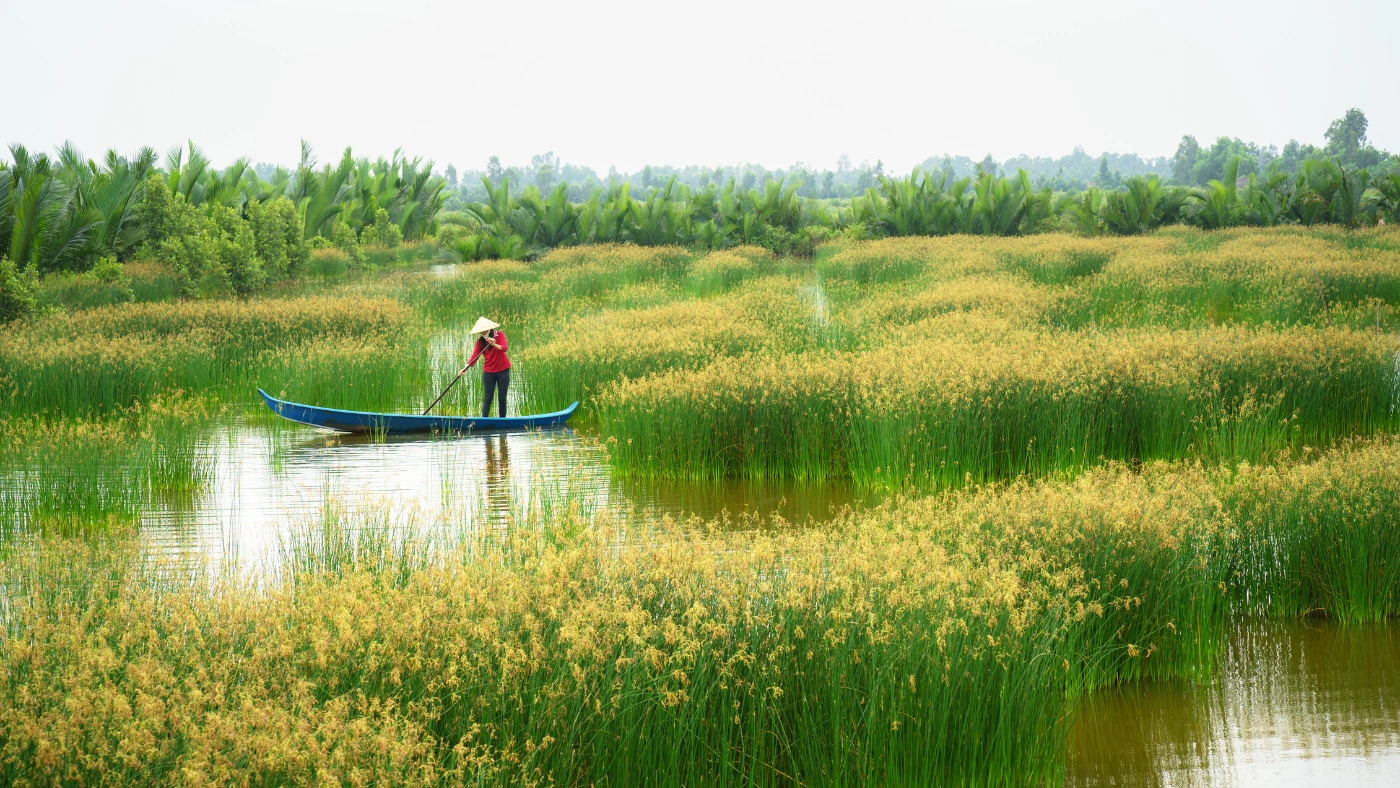
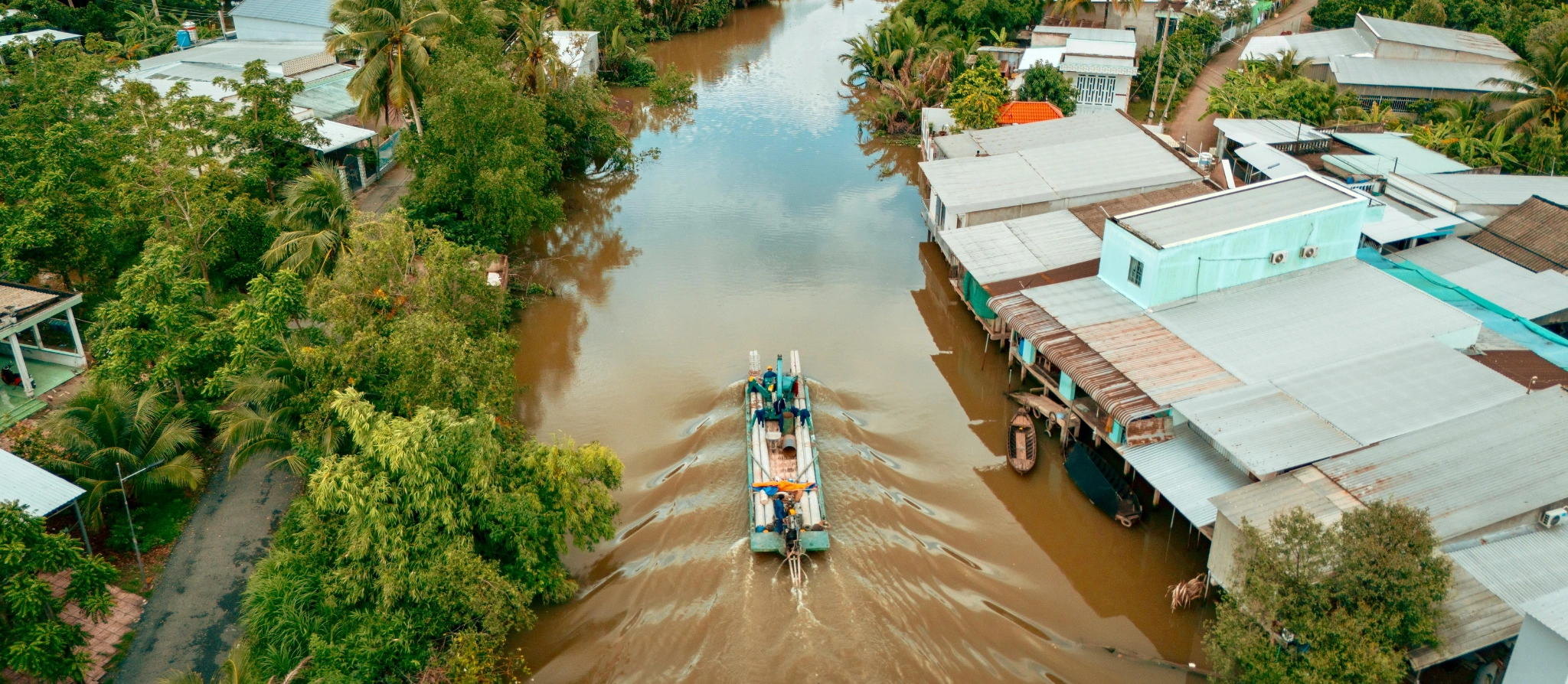
Positioned at the heart of the Vietnam Mekong River system, the region’s fertile waterways sustain both local livelihoods and a vibrant travel experience, as highlighted in this feature on the waterways and islands of southern Vietnam. Its floating markets, lush orchards, and cultural traditions make it an essential highlight for any Vietnam program. By curating packages here, partners can diversify their offerings and provide travelers with an experience that blends discovery, authenticity, and sustainability — values that resonate strongly in today’s travel market.
Introduction to the Mekong Delta in Vietnam
For travel professionals, The Mekong Delta in Vietnam is a destination that combines cultural richness, natural diversity, and product flexibility. Known as the “Nine Dragons River,” this vast region is shaped by the Vietnam Mekong River, whose waterways and fertile lands have created both a vibrant local life and a unique set of travel experiences. By understanding its geography and climate, B2B partners can better design itineraries that align with traveler expectations and seasonal patterns.
Where is the Mekong Delta?
Located in the southernmost part of Vietnam, the Mekong Delta stretches from just outside Ho Chi Minh City to the border with Cambodia and the South China Sea. This strategic location makes it an ideal extension to Vietnam programs, allowing tour operators to combine city stays with countryside immersion. For partners, Mekong Vietnam offers easy access for short day trips as well as convenient connections to long-haul routes, including river cruises onward to Phnom Penh.
Mekong Delta Geography and Weather
The Delta is one of Asia’s most productive agricultural regions, known as Vietnam’s “rice bowl.” Its fertile soils support vast rice fields, coconut groves, and fruit orchards — elements that provide not only scenery but also authentic experiences for travelers, from visiting plantations to tasting seasonal harvests. The Vietnam Mekong River creates a network of canals and tributaries, giving the region its distinctive charm.
For tour operators, seasonality is an important factor in Mekong Delta travel. The dry season (November to January) offers cooler conditions and easier logistics, making it a peak time for packaged tours.
The early rainy season (June) brings lush landscapes and abundant fruit, which can be positioned as a unique selling point for niche travelers. September to November should be approached carefully due to potential flooding, though it may appeal to more adventurous segments.
Mekong Delta What to Do & See
Vietnam’s Mekong Delta offers more than beautiful views. It provides a wide range of experiences that can be shaped to suit diverse customer segments.
From iconic floating markets to slow countryside cycling and immersive workshops, the region offers a mix of highlights and authentic encounters that fit seamlessly into both short day trips and longer multi-day itineraries.
Positioning these activities within your programs not only adds variety but also delivers what today’s travelers value most: cultural interaction, community connection, and a sense of discovery beyond traditional sightseeing. This versatility makes Mekong Delta travel a strong differentiator in the competitive Indochina market.
Floating Markets
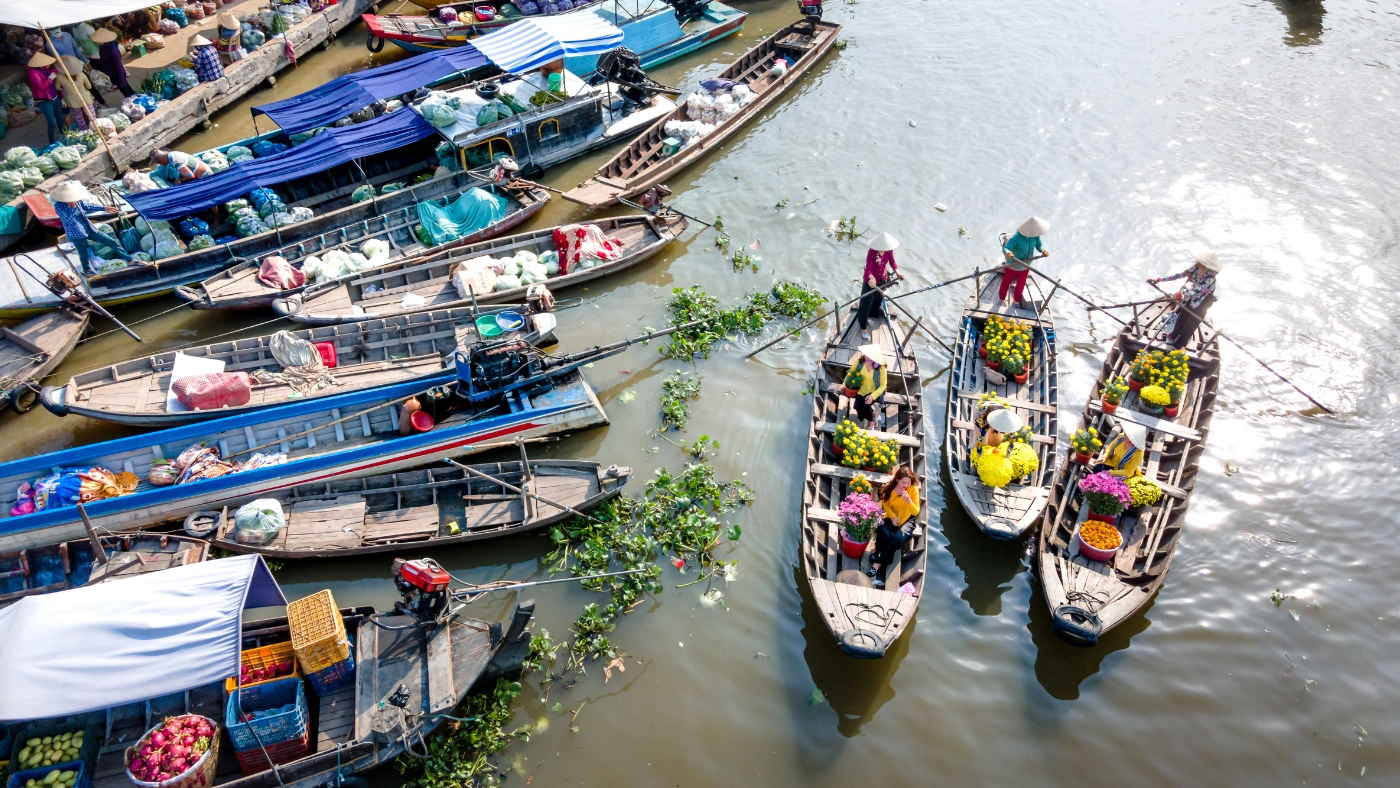
The floating markets of the Mekong Delta remain one of the region’s most distinctive attractions, offering a glimpse into river-based commerce that has thrived for centuries. These markets are not only cultural highlights but also essential storytelling elements in any Mekong Delta trip. They allow travelers to experience authentic trade traditions — from fruit-laden boats to bustling early-morning activity — that few other destinations can offer.
Cai Rang Floating Market
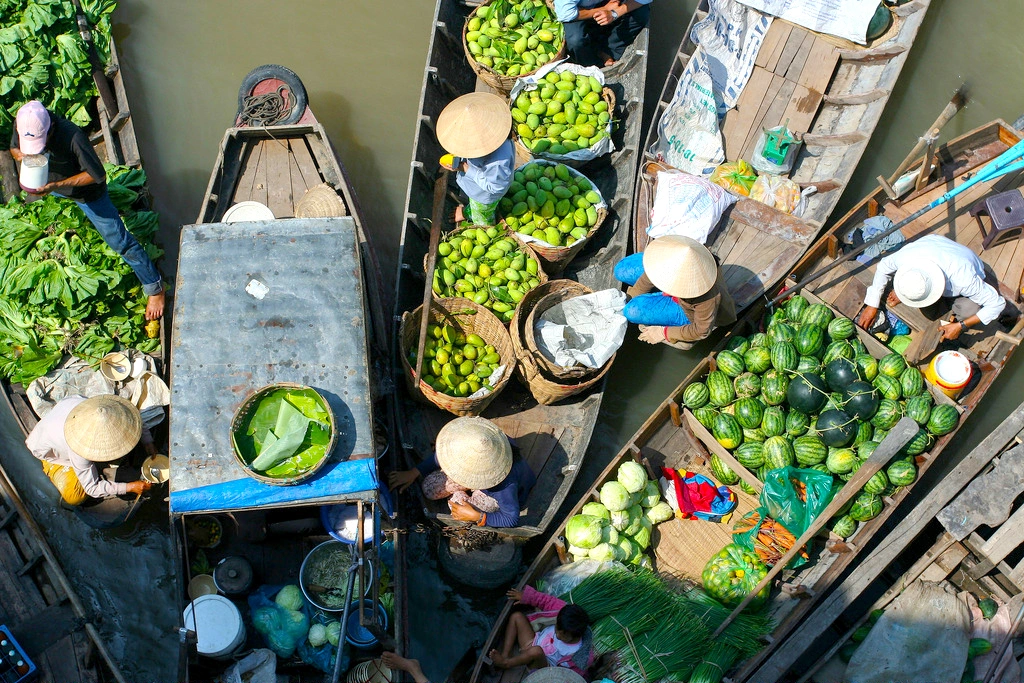
Located near Can Tho, Cai Rang is the largest and most famous floating market in Vietnam’s Mekong Delta. Boats gather before dawn, creating a lively scene where vendors advertise their goods by hanging samples on bamboo poles. The atmosphere peaks between 6–8 a.m., making it an ideal inclusion in multi-day Mekong Delta itineraries that feature an overnight stay in Can Tho. For tour operators, Cai Rang is a strong selling point, appealing to travelers who want both iconic photography opportunities and cultural immersion.
Cai Be Floating Market
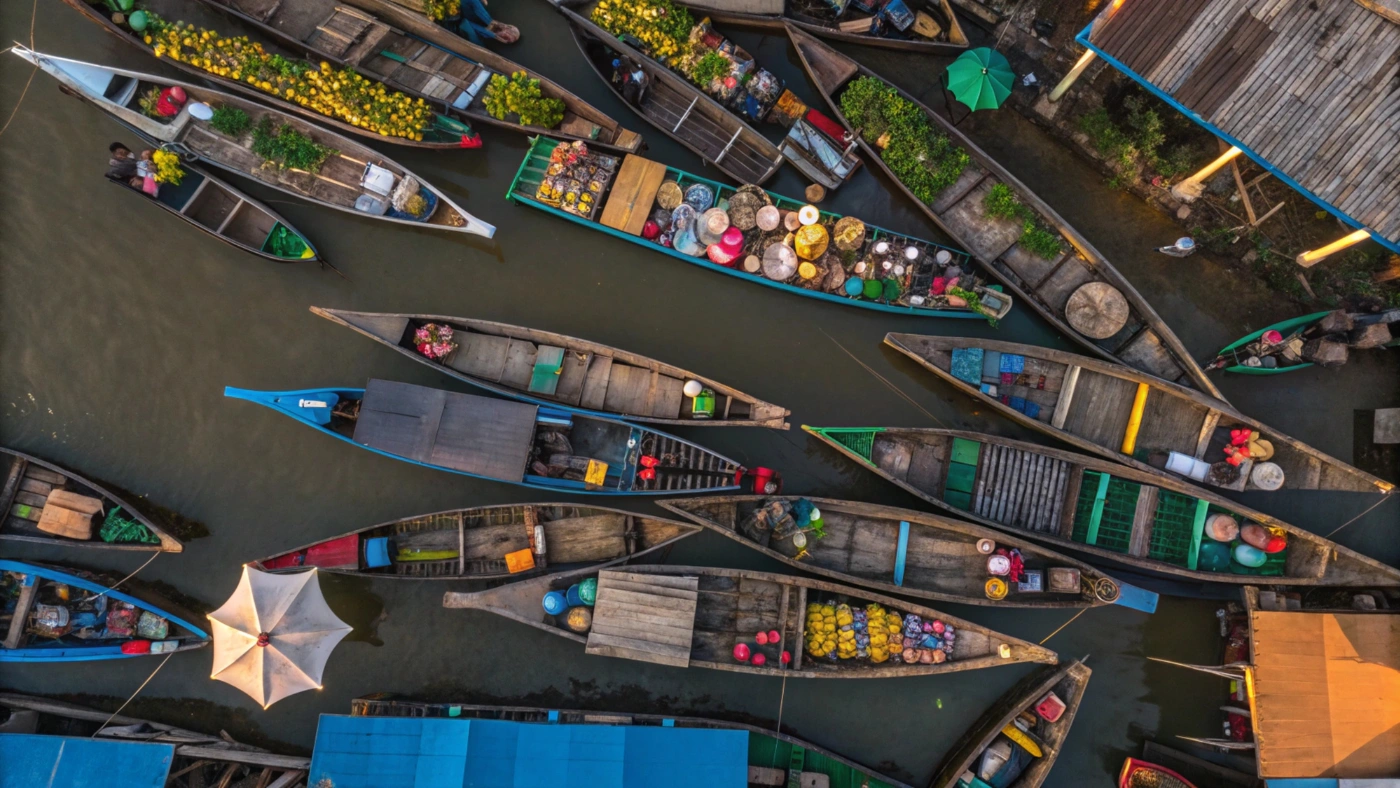
Cai Be, situated closer to Ho Chi Minh City, offers a smaller yet more accessible floating market experience. While less crowded than Cai Rang, Cai Be still provides travelers with a sense of river life and the chance to see traditional trade up close. Its proximity makes it especially suitable for day trips to the Mekong Delta, where operators can combine a morning market visit with cycling, orchard tours, or homestay activities in nearby villages. This flexibility makes Cai Be a valuable option for building programs tailored to time-sensitive clients.
>>> See more: Cai Be Floating Market (Mekong) guidebook updates
Cycling in the Mekong Vietnam Countryside
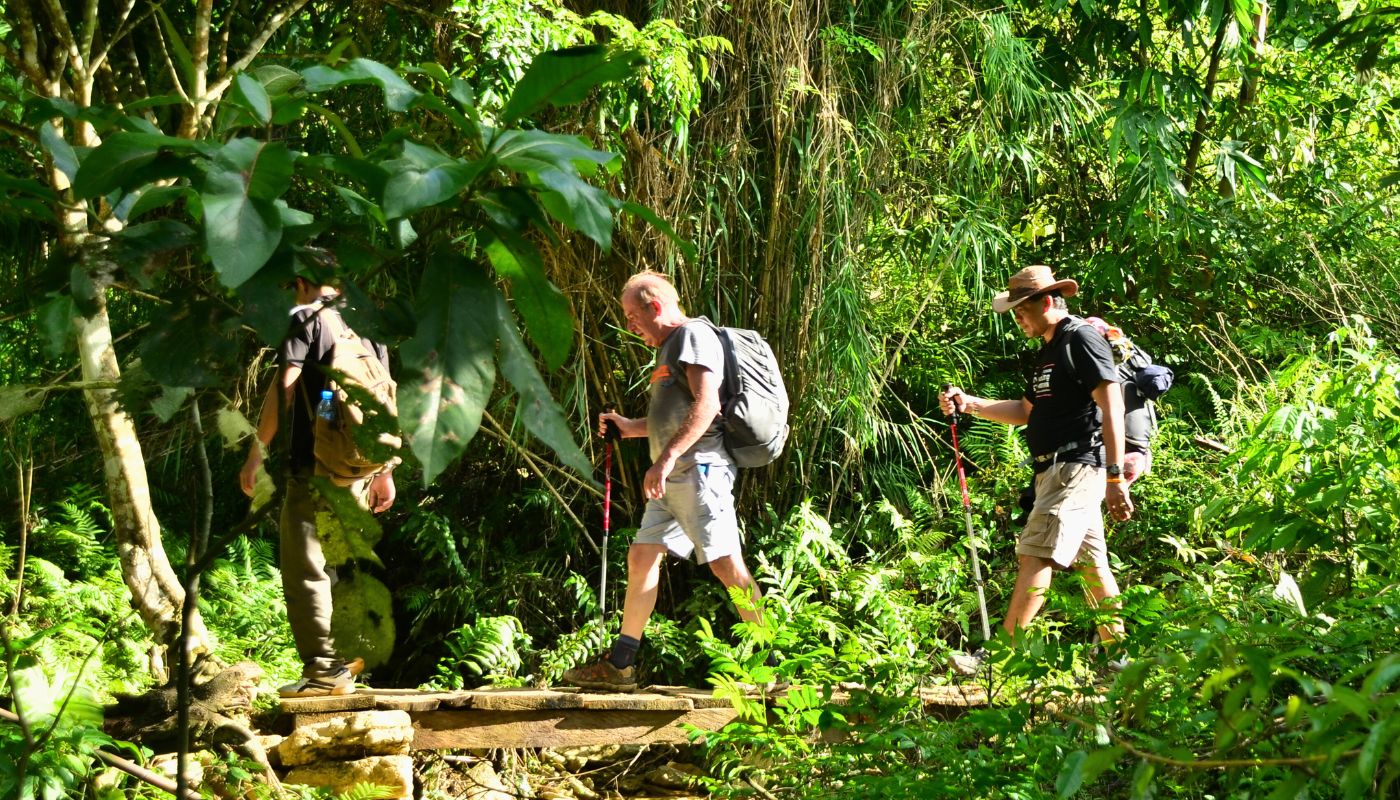
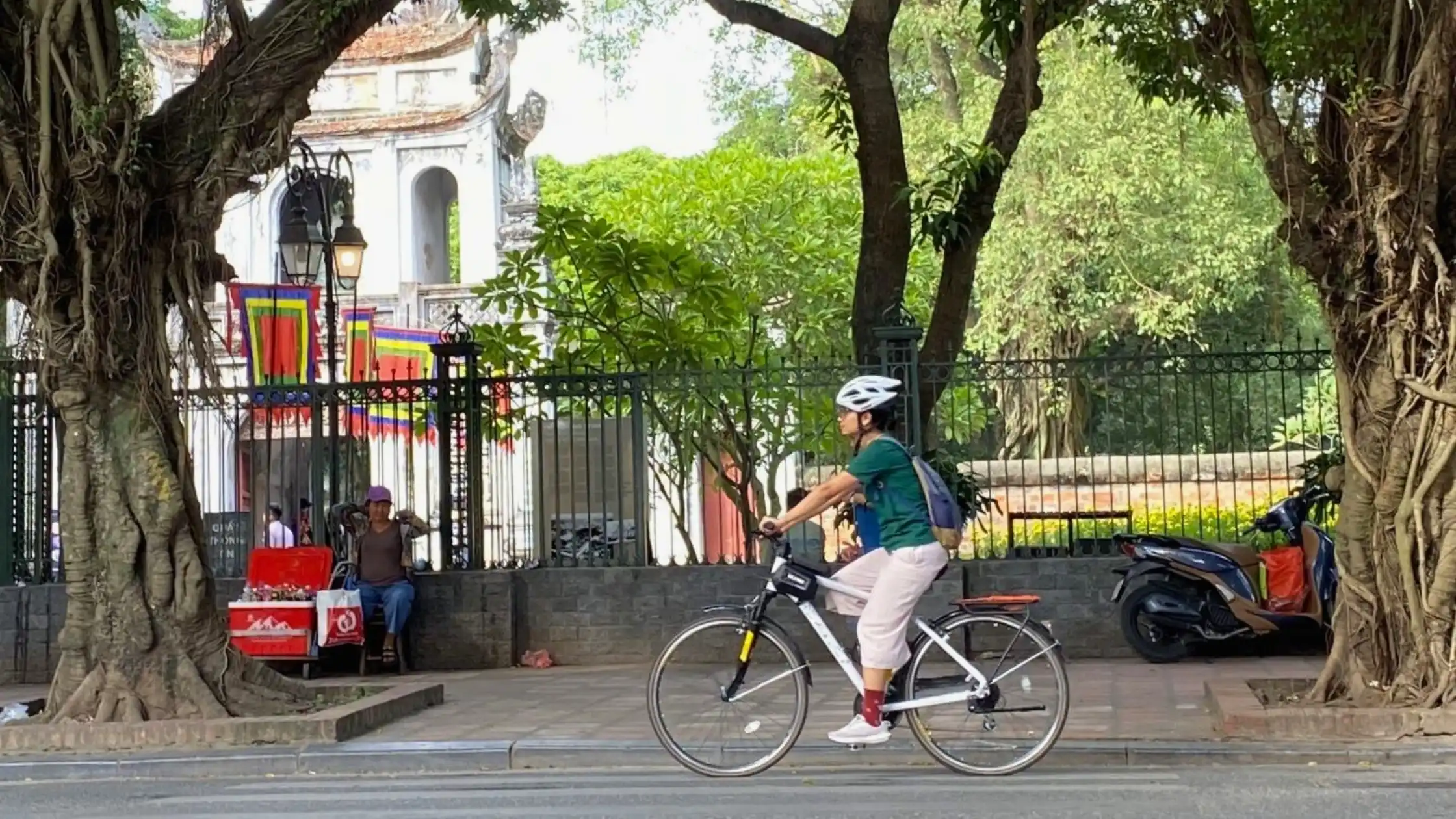
Cycling through Vietnam’s Mekong Delta is one of the most effective ways to showcase the region’s tranquil charm. Beyond sightseeing, it creates an immersive journey where travelers can interact with local communities, stop at village workshops, and experience the pace of daily life. For B2B partners, cycling tours in the Mekong offer a product that appeals to the growing demand for active, sustainable, and experiential travel.

Why cycling works for B2B packages
Cycling routes in the Delta are generally flat and shaded by palm groves, making them suitable for a wide range of travelers — from leisure guests to families and small incentive groups. The activity is low-impact but high-value, providing a sense of exploration without the fatigue often associated with adventure travel. Operators can position cycling as a core element in 2–3 day Mekong Delta itineraries or as an optional add-on for day trips. This flexibility makes it a strong differentiator when designing tailor-made programs.
Traveler experiences to highlight
A cycling tour in Vietnam’s Mekong Delta allows travelers to move at the rhythm of local life. Along quiet village roads, they can pause to sample tropical fruits straight from the orchard, watch families rolling rice paper by hand, or enjoy a glass of coconut water freshly opened by the farmer. These simple yet memorable encounters create a sense of connection with the community and environment. For partners, weaving these stops into a Mekong Delta trip provides guests with authentic value-added moments that differentiate a standard itinerary from a truly immersive journey.

Workshops and craft traditions
A key strength of Mekong Delta travel lies in experiences that invite guests to do, not just watch. From fishing to food-making, these activities add depth to an itinerary while meeting growing demand for authentic cultural engagement. They also balance well with sightseeing, offering travelers both variety and immersion.
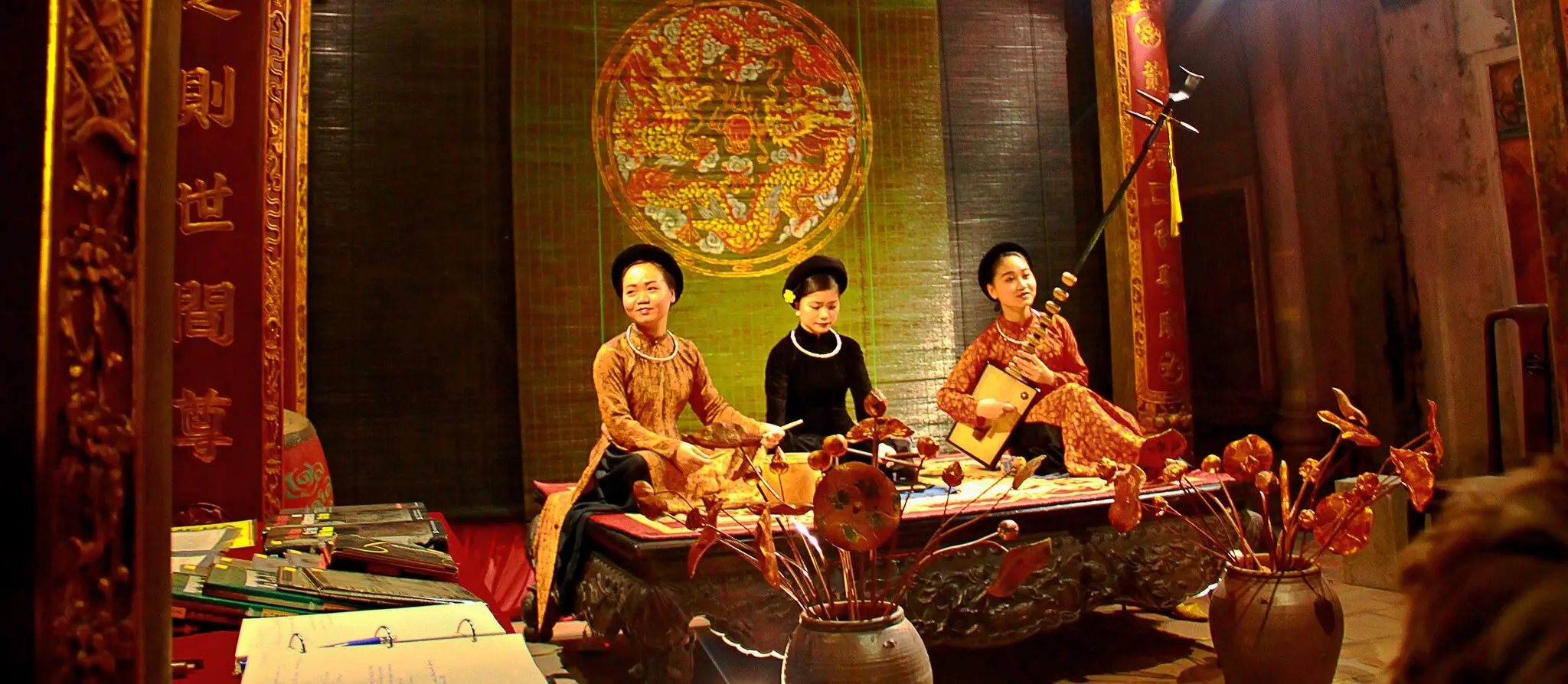
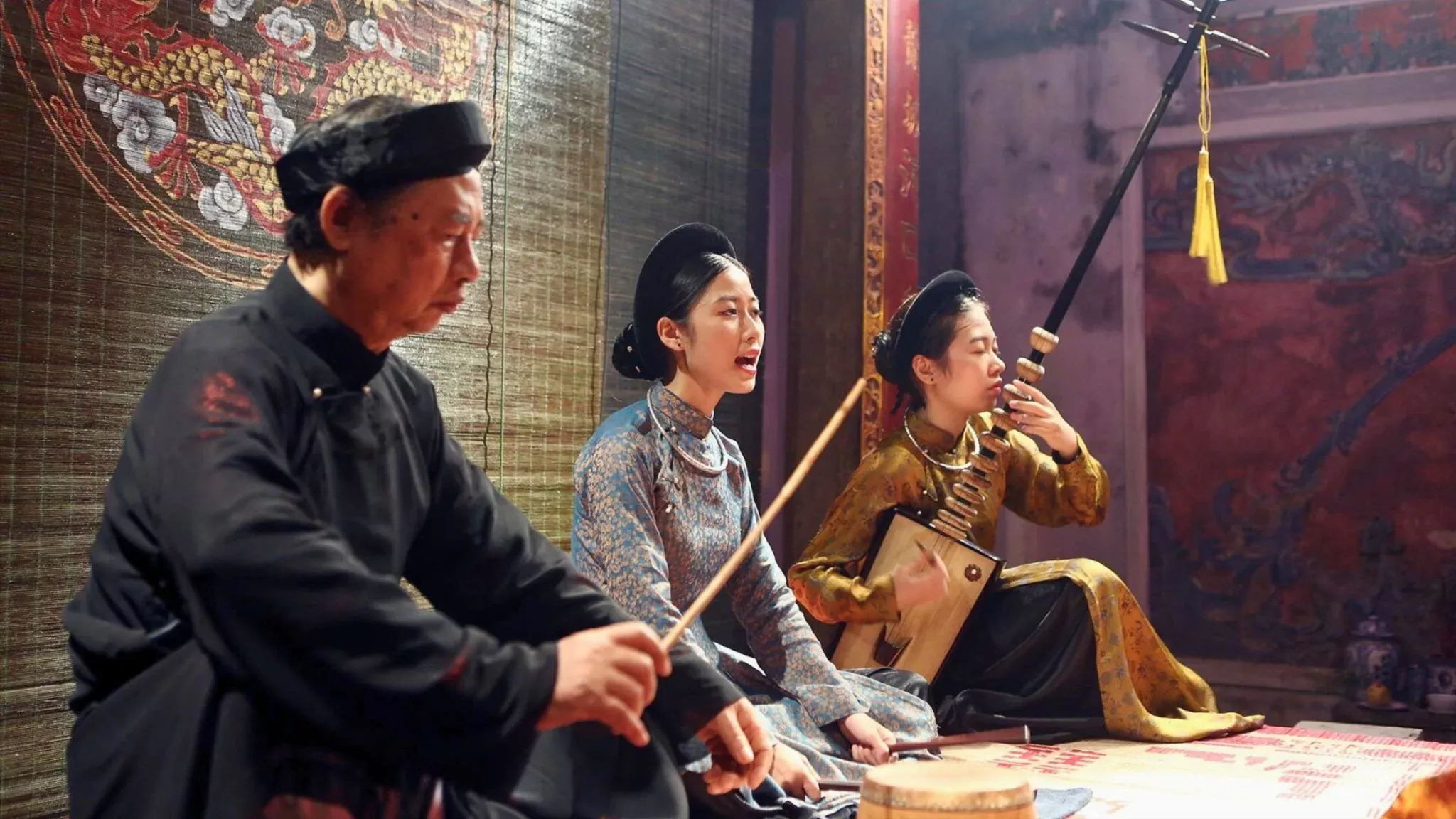
Joining a coconut workshop, tasting fresh rice wine, or helping to prepare traditional rice cakes allows visitors to learn by doing. Alongside these activities, travelers may encounter performances of Đờn ca tài tử, the UNESCO-listed chamber music that has deep roots in the Mekong Delta.
These sessions are typically 30–45 minutes, making them ideal modules to combine with cycling routes, orchard visits, or floating market excursions — ensuring every Mekong Delta trip delivers a mix of interaction and discovery.
Travel Tips for Mekong Delta Trip
Designing a seamless Mekong Delta trip requires more than knowing where to go — it’s about anticipating conditions, logistics, and traveler expectations. These considerations help ensure that programs are not only operationally smooth but also competitive in the market.
Seasonality and timing
When planning a Mekong Delta trip, timing directly affects both product delivery and customer experience. The dry season (November–January) offers the most reliable operations and works well for guaranteed-departure tours.
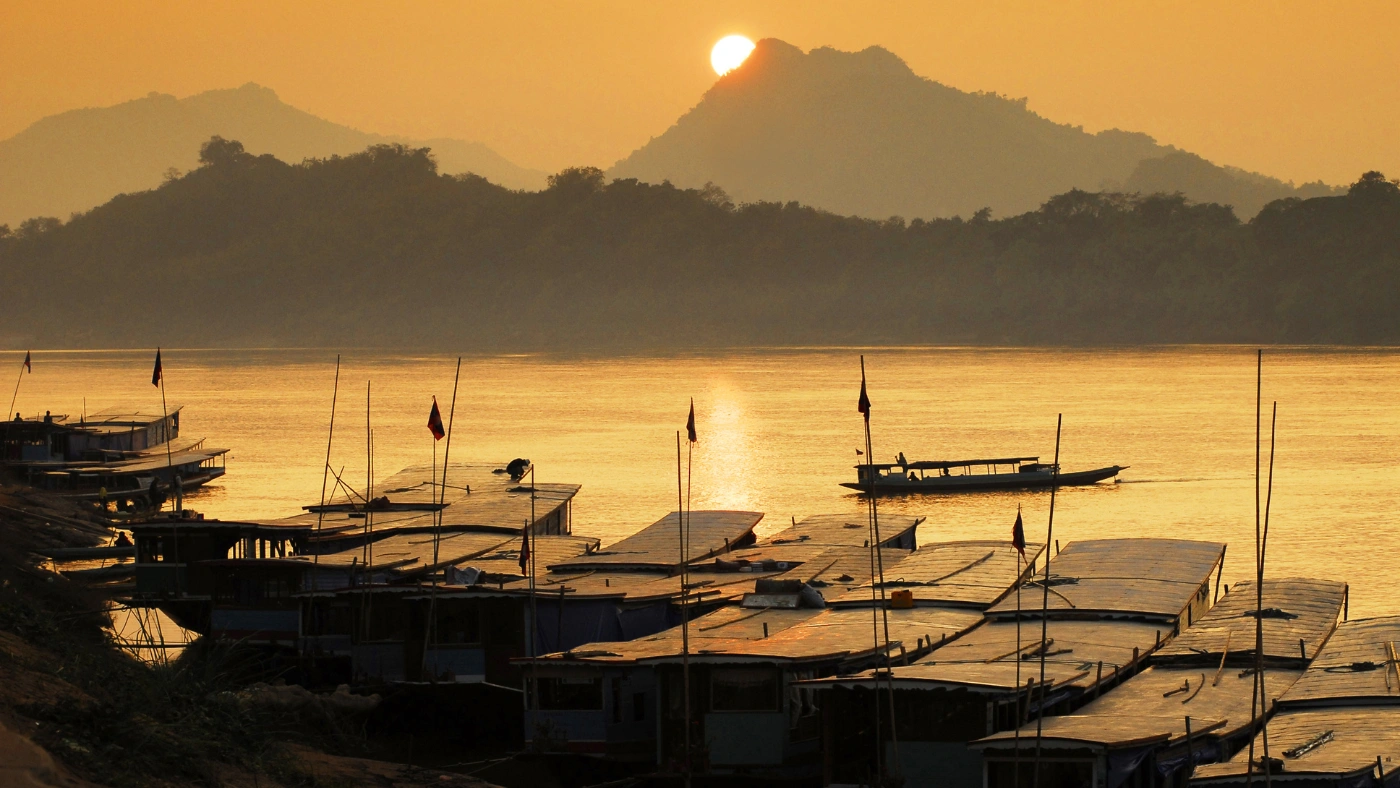
The early rainy season (June) can be positioned as a niche selling point — orchards are at their most abundant, and quieter visitor flows allow for a more exclusive feel.
The flood months (September–November) introduce higher logistical risk, but they also provide opportunities to market soft-adventure themes for clients who seek off-the-beaten-path experiences. Instead of avoiding this period entirely, operators can differentiate by crafting flexible modules, such as alternative cycling routes or village visits, to adapt around changing water levels.
Transport and accessibility
The Mekong Delta can be introduced in multiple formats, giving operators flexibility when building programs. Short day trips from Ho Chi Minh City work best with Cai Be or Ben Tre, where transfers are manageable within a 2–3 hour drive.
For programs that combine Vietnam’s vibrant urban centers with its tranquil countryside, the Mekong Delta trip is an ideal component. My Tho, located just a short drive from Ho Chi Minh City, works well for day trips that blend a classic Mekong River cruise with cycling through rural lanes and visits to fruit orchards on Dong Phu Island. This format is easy to position as an add-on for clients with limited time in southern Vietnam.
For deeper immersion, 2–3 day Mekong Delta itineraries can focus on Can Tho and the floating markets, with convenient onward connections: flights from Can Tho to Phu Quoc for beach extensions, or speedboat transfers from Chau Doc to Phnom Penh for multi-country Indochina programs. By highlighting these connections, travel designers can position the Delta not only as a stand-alone destination but also as a versatile bridge between Vietnam’s urban hubs and regional highlights.
Turning Mekong Delta Travel into Tailor-Made Itineraries
A Mekong Delta trip is more than a scenic extension to Vietnam programs — it’s a versatile product that combines culture, community, and nature in ways few destinations can match.
From floating markets and cycling routes to hands-on workshops and riverside homestays, the Delta offers a portfolio of experiences that can be shaped into day trips, multi-day itineraries, or cross-border extensions. For travel designers, this flexibility ensures the region can meet a wide range of client profiles while adding authenticity and depth to any Vietnam portfolio.
By positioning Mekong Delta travel as both accessible and immersive, operators can deliver journeys that stand out, resonate with today’s demand for meaningful experiences, and strengthen long-term traveler satisfaction.
To bring this potential into your programs, partner with Footprint Travel to co-create tailor-made Mekong Delta itineraries that set your Vietnam offerings apart and deliver memorable journeys for your clients.
Frequently Asked Questions about a Mekong Delta Trip
Q1: Where is the Mekong Delta in Vietnam located?
The Mekong Delta lies in southern Vietnam, stretching from just outside Ho Chi Minh City to the Cambodian border and the South China Sea. Its proximity makes it ideal for day trips from Ho Chi Minh City or as part of multi-day itineraries that include Can Tho, Chau Doc, or even cross-border routes to Phnom Penh.
Q2: What is the best time for a Mekong Delta trip?
The dry season (November–January) offers the most reliable conditions for travel, while June is perfect for fruit harvest experiences. The flood months (September–November) bring higher water levels, which can disrupt some routes but may appeal to travelers seeking soft-adventure themes.
Q3: What activities can travelers enjoy in the Mekong Delta?
The region is known for floating markets like Cai Rang and Cai Be, cycling through quiet countryside, boat rides along shaded canals, and hands-on workshops such as rice paper making or coconut candy. These activities make any Mekong Delta itinerary both diverse and memorable.
Q5: Why include the Mekong Delta in Vietnam travel programs?
The Mekong Delta Vietnam adds authenticity, diversity, and cultural immersion to any Vietnam portfolio. It offers flexible modules — from short day trips to multi-country extensions — that resonate strongly with today’s travelers who value meaningful experiences.

Hoang Yen leads product development and supplier partnerships at Footprint Travel, where she designs and refines travel experiences across Vietnam. Working closely with local communities and operational teams, she ensures each program reflects both authenticity and practical execution.
With strong on-the-ground knowledge and a focus on responsible travel, Yen contributes to building journeys that are meaningful, well-structured, and aligned with sustainable tourism principles.