







Vietnamese New Year Explained: A Complete Guide to Tet in Vietnam
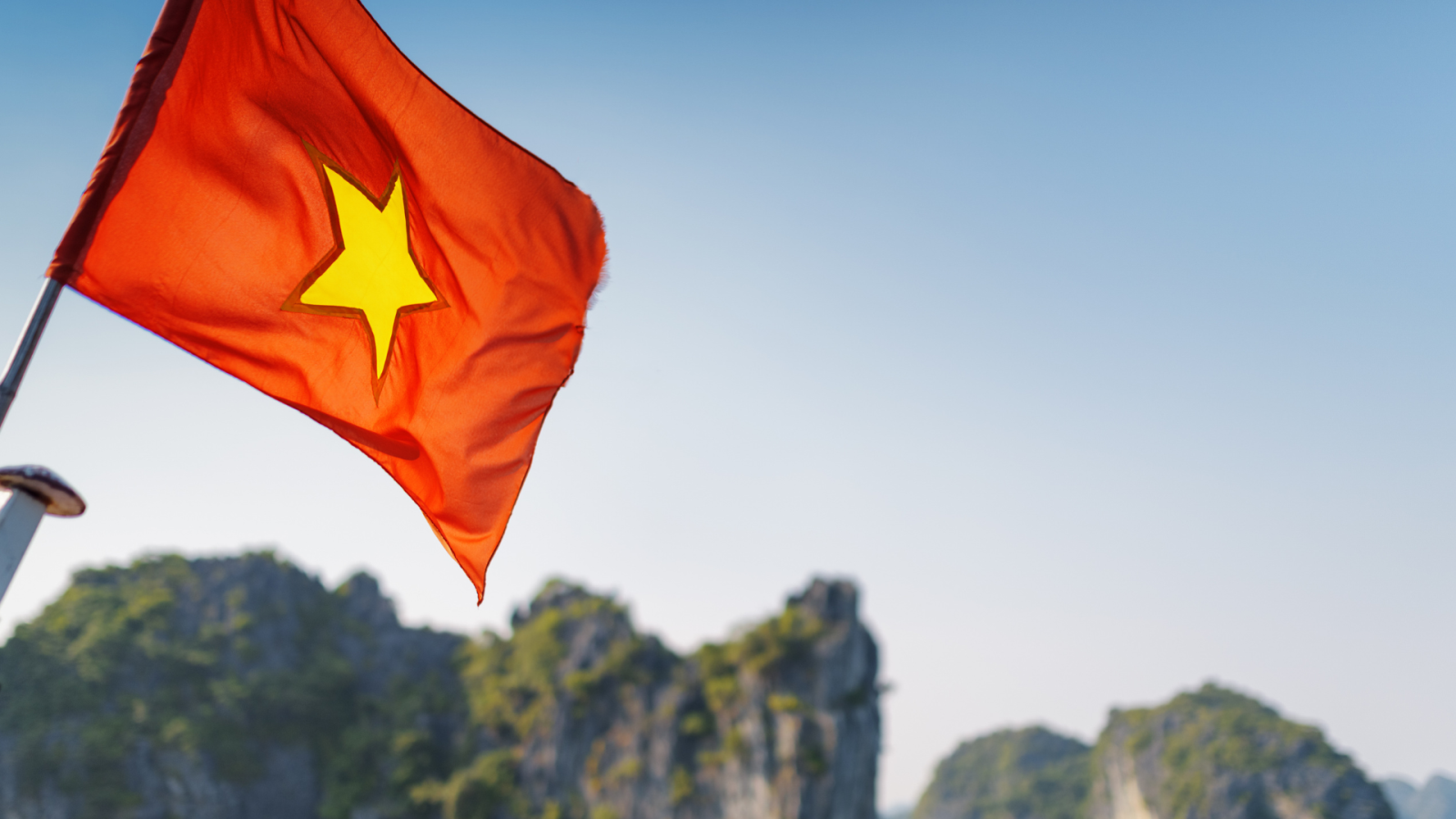
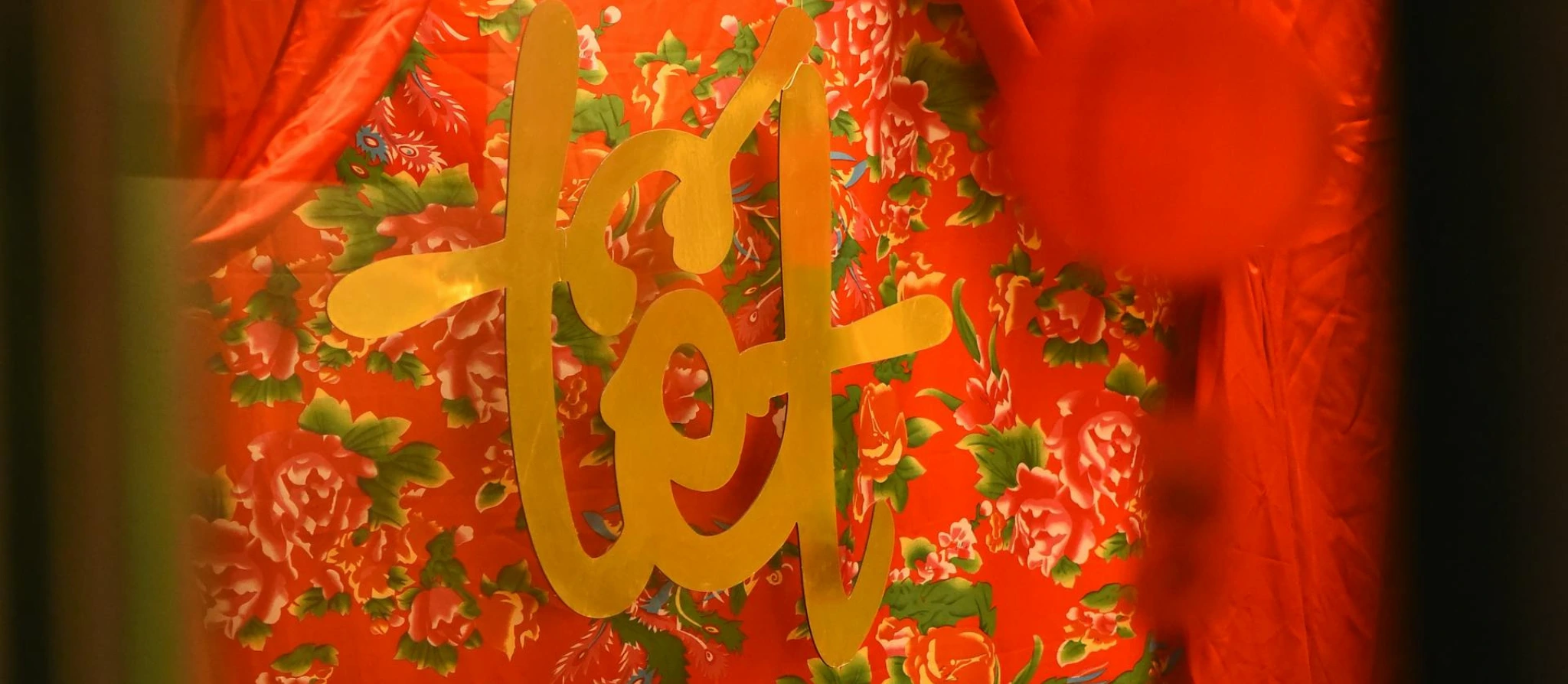
Vietnamese new year, known locally as Tet, is the most important celebration in Vietnam and a defining moment in the country’s cultural calendar. Marking the beginning of a new lunar year, Tet represents renewal, family reunion, and the hope for good fortune ahead. It is a time when daily life slows down, priorities shift toward loved ones, and traditions passed down through generations come vividly to life.
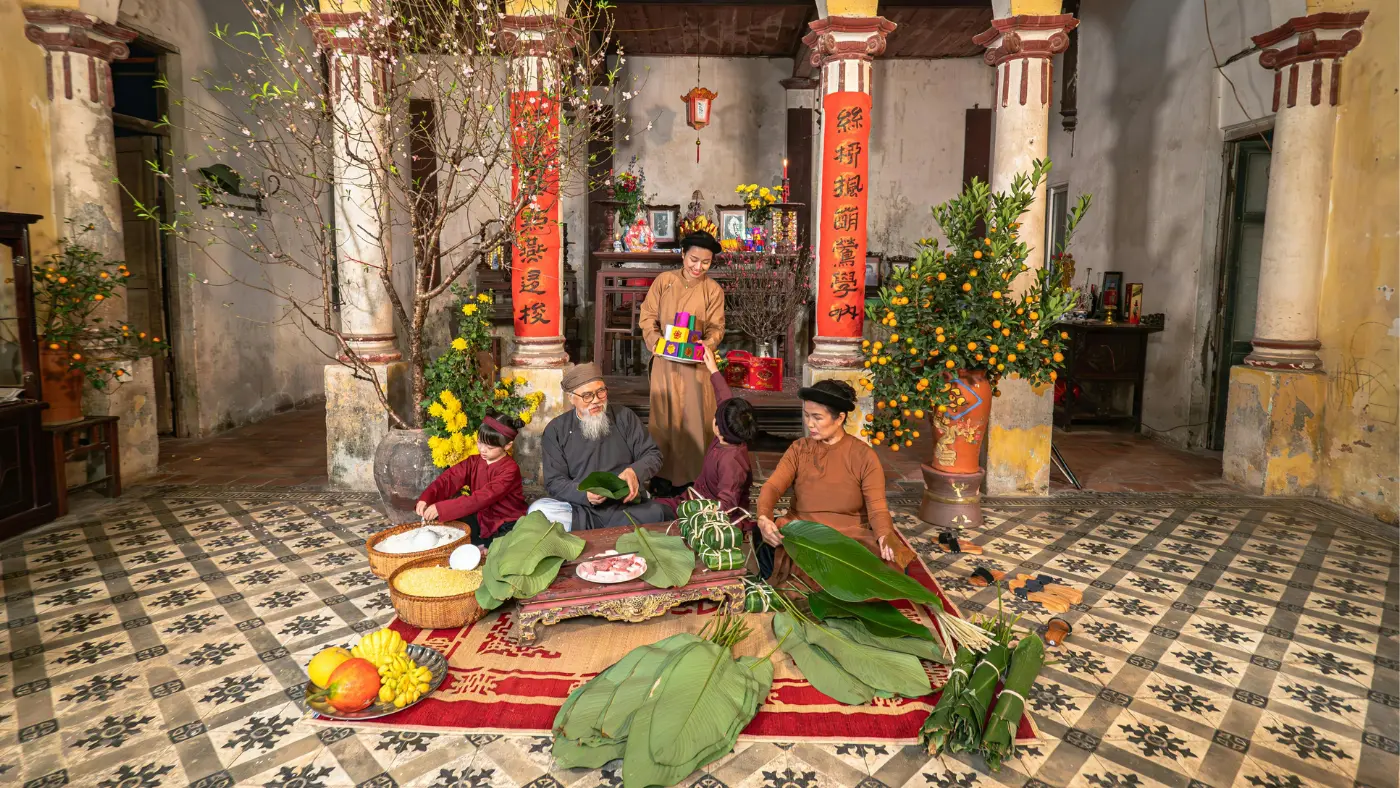
More than any other holiday, the Vietnamese New Year reflects the values that shape society, from respect for ancestors and elders to the importance of harmony, gratitude, and fresh beginnings. Tet is not just celebrated, it is deeply felt across the country.
For travelers, the Vietnamese New Year offers a unique experience that goes far beyond sightseeing. Visitors can expect quieter cities, busy travel hubs, festive decorations, and moments of everyday life that feel more intimate and personal. Experiencing Tet means understanding Vietnam through its people, traditions, and rhythms. These values are deeply shaped by Vietnamese culture, which comes to life most vividly during the holiday. For travelers, this makes Tet both a cultural journey and a meaningful travel experience.
What Is Lunar New Year in Vietnam?
Often referred to internationally as the Vietnamese New Year, this celebration sits at the heart of Vietnam’s cultural identity. This celebration reflects how Vietnamese people view time, nature, and their connection to ancestors. Understanding Lunar New Year in Vietnam helps travelers appreciate why this holiday holds such deep emotional and spiritual meaning, while also connecting it to other festivals in Vietnam throughout the year. This broader context helps visitors see Tet as part of Vietnam’s cultural rhythm rather than a single event.
Explanation of Lunar New Year in Vietnam and how it is calculated
Lunar New Year in Vietnam is based on the lunar calendar, which follows the cycles of the moon rather than the sun. The date usually falls between late January and mid February, beginning on the first new moon of the lunar year, marking the official start of the Vietnamese New Year.
Each year is associated with one of the twelve zodiac animals and one of the five elements, creating a repeating cycle that influences beliefs about luck, personality, and fortune. Because it follows lunar movements, the exact timing of Lunar New Year in Vietnam changes every year, making Tet a dynamic celebration closely tied to nature and seasonal rhythms.
Difference between Tet and Lunar New Year in other Asian countries
While many Asian countries celebrate the Lunar New Year, Tet has a distinctly Vietnamese identity. In Vietnam, the Lunar New Year, commonly known as the Vietnamese New Year is not just a public holiday but a deeply personal and family centered event.
Tet places strong emphasis on returning home, honoring ancestors, and starting the year with harmony and good intentions. Homes are carefully cleaned and decorated, ancestral altars are prepared, and the first moments of the new year are treated with great symbolic care.
In contrast, Lunar New Year celebrations in other Asian countries often highlight different cultural priorities. For example, Chinese New Year is known for large public festivities, dragon dances, and bustling urban celebrations, while in Korea, Seollal focuses heavily on traditional clothes and formal ancestral rituals. Lunar New Year in Vietnam stands out for its quieter, more intimate atmosphere, where family bonds, spiritual balance, and respect for tradition take priority over large-scale public events.
Why Tet reflects Vietnamese beliefs, values, and traditions
Tet is a mirror of core Vietnamese beliefs about family, respect, and balance in life. At the heart of Lunar New Year in Vietnam is the belief that a good beginning sets the tone for the entire year. This belief shapes many Tet customs, from cleaning the house to clear away bad luck to choosing the right first visitor of the year, who is believed to influence a family’s fortune.
Family and ancestry play a central role in how Tet is celebrated. During Lunar New Year in Vietnam, people return to their hometowns to reunite with relatives and pay respect to their ancestors through offerings and rituals. These practices reflect the Vietnamese value of gratitude toward previous generations and the belief that ancestors continue to watch over and protect their families. Tet also emphasizes harmony with nature and society, encouraging forgiveness, generosity, and optimism, values that continue to shape Vietnamese life long after the holiday ends.
The Meaning and Origins of the Tet Festival in Vietnam
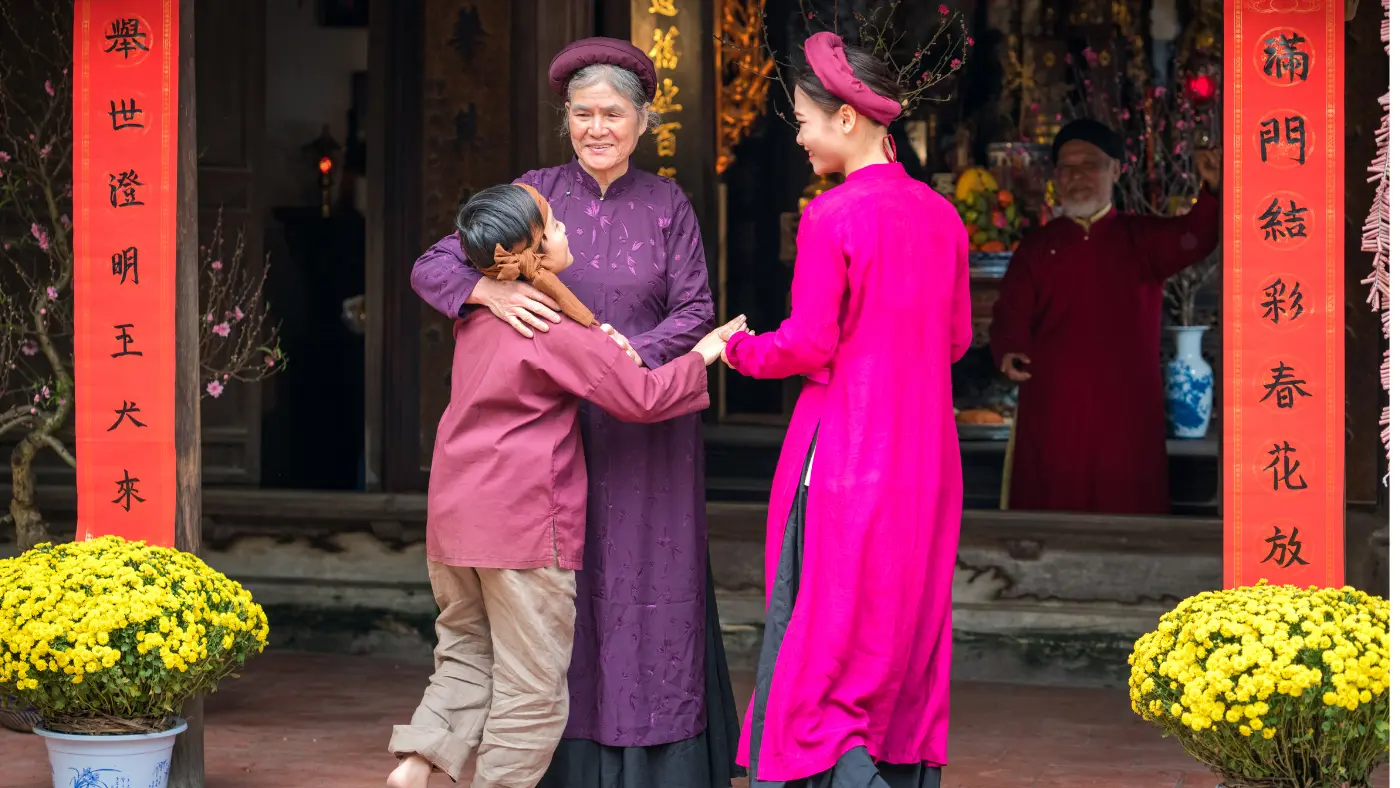
The Tet festival in Vietnam is the emotional and cultural heart of the Vietnamese New Year. More than a celebration, Tet represents a moment when history, beliefs, and everyday life come together, shaping how Vietnamese people understand time, family, and renewal. To fully experience the Vietnamese New Year, it is essential to understand where the Tet festival comes from and why its traditions have endured for centuries.
Historical background of the Tet festival in Vietnam
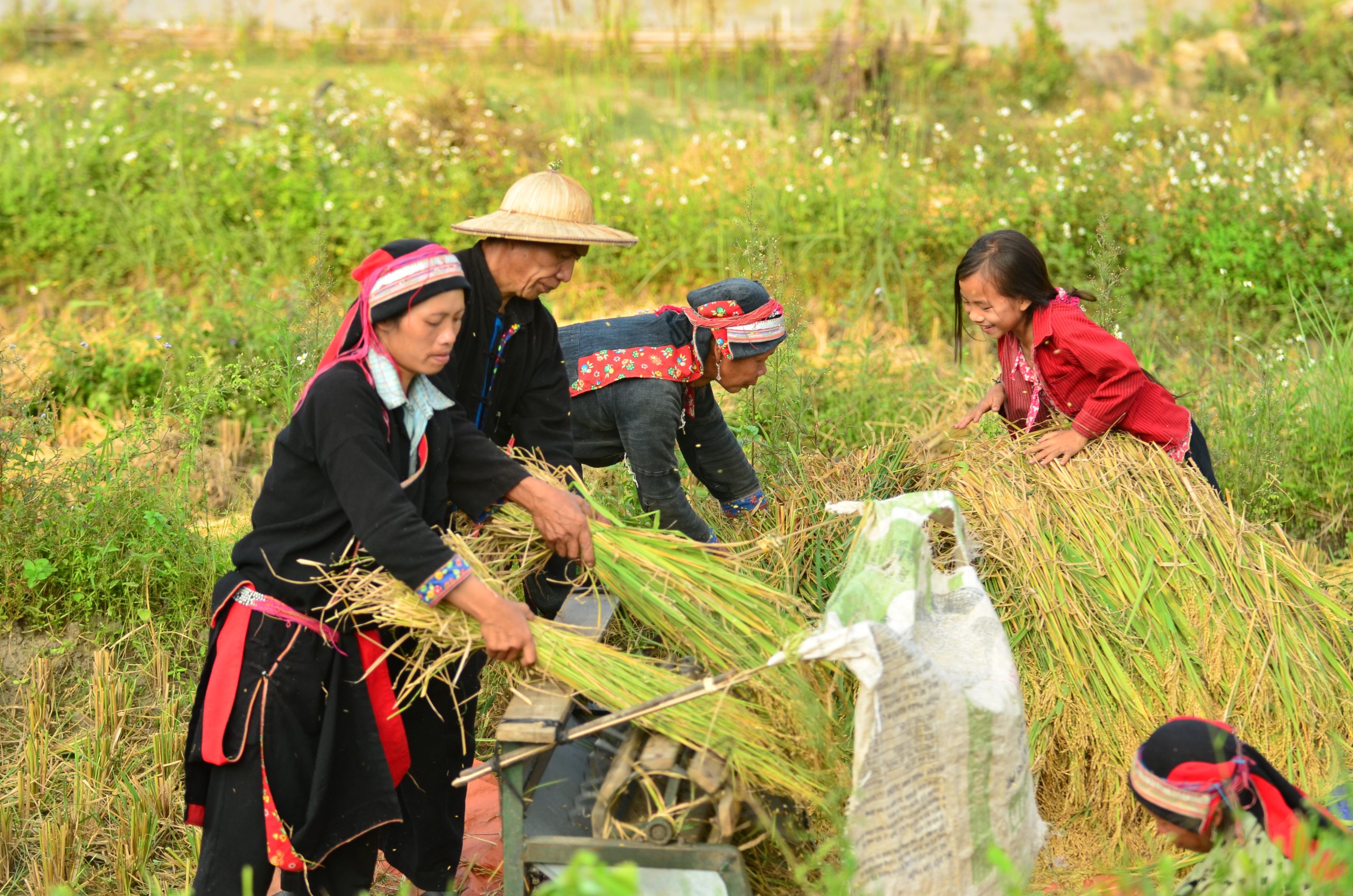
The Tet festival in Vietnam has its roots in ancient agricultural society, where life was closely tied to the lunar calendar and seasonal cycles. Originating thousands of years ago, Tet marked the end of the old farming year and the beginning of a new one, symbolizing hope for favorable weather, abundant harvests, and prosperity.
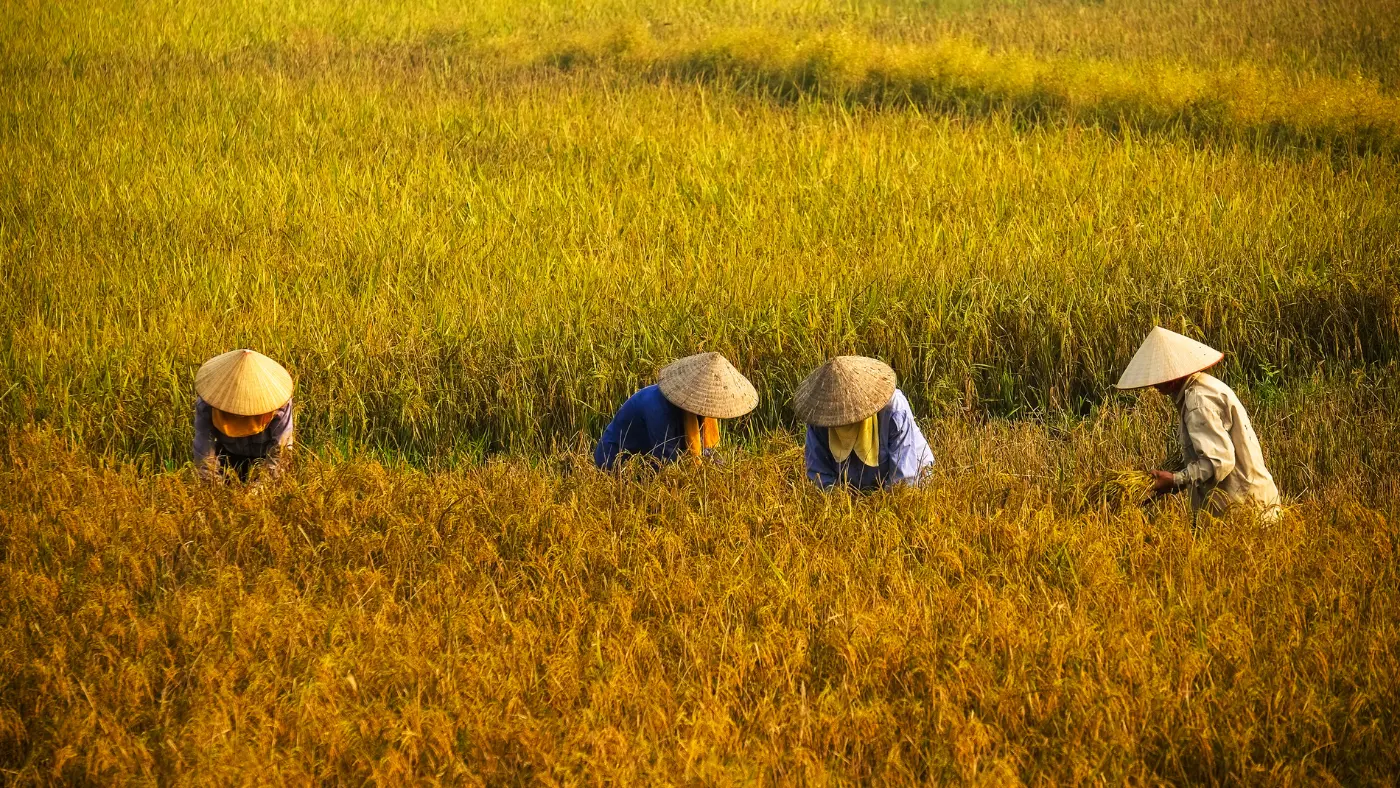
Influenced by both indigenous Vietnamese beliefs and Chinese cultural exchanges, Tet gradually evolved into the Vietnamese New Year as it is known today. Over time, the Tet festival in Vietnam became not only a marker of seasonal change but also a national tradition deeply connected to identity, continuity, and respect for the past.
Role of ancestors and spiritual traditions during Tet
Ancestral respect lies at the heart of the Tet festival in Vietnam and is one of the most meaningful aspects of the Vietnamese New Year. During Tet, families prepare ancestral altars with offerings of food, incense, and flowers to invite the spirits of their ancestors to return home and celebrate together.
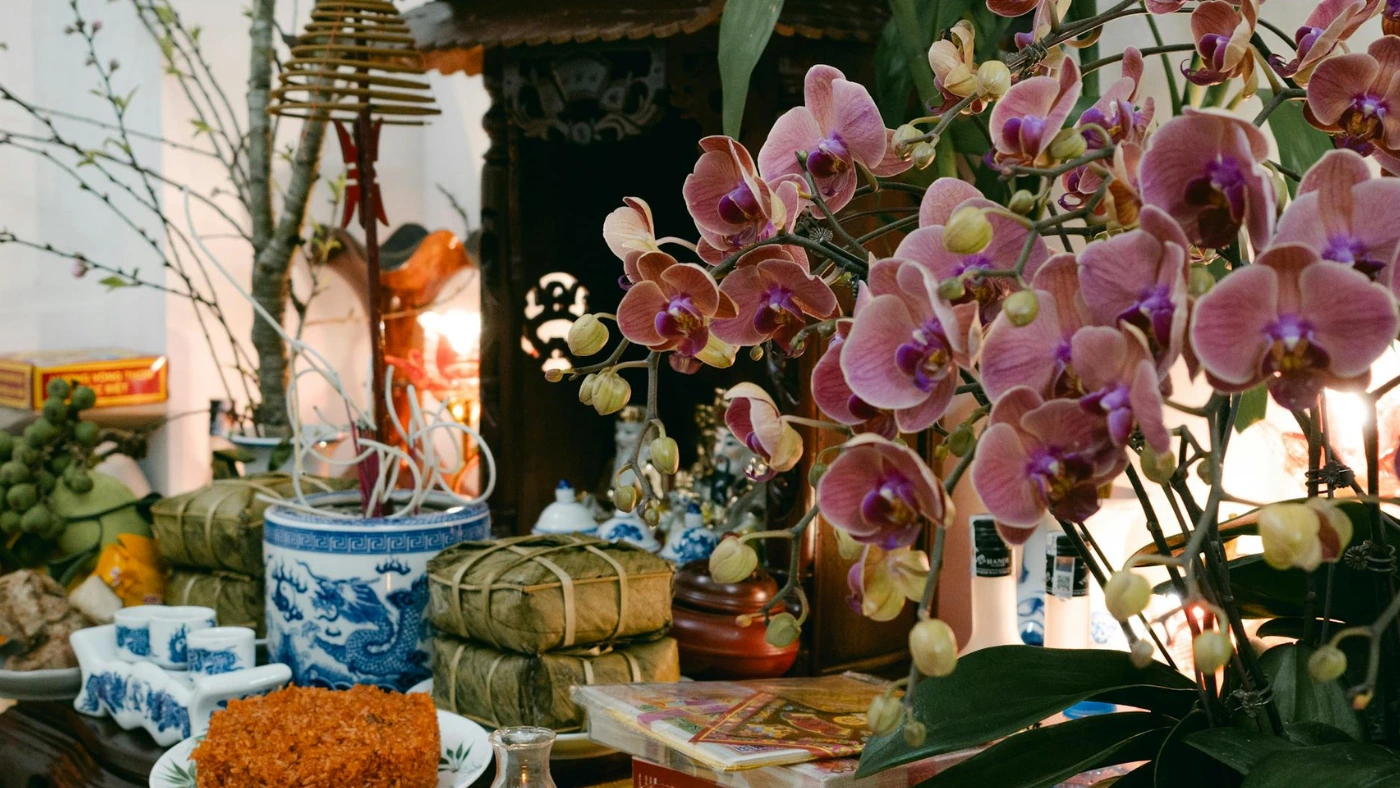
These rituals are closely tied to Vietnam’s spiritual world, where harmony between ancestors, nature, and the living is especially important during Tet. This practice reflects the belief that ancestors continue to guide, protect, and influence the lives of their descendants, especially at the beginning of a new year.
Many people visit pagodas and temples in the early days of the Vietnamese New Year to pray for health, peace, and good fortune. These rituals are not only acts of faith but also expressions of gratitude and hope, reinforcing the idea that Tet is a time when past, present, and future are spiritually connected.
Symbolism behind family reunion, renewal, and good fortune
At the core of the Tet festival in Vietnam is the belief that family unity and harmony bring blessings for the year ahead. During the Vietnamese New Year, people make every effort to return to their hometowns, creating one of the largest annual migrations in the country. This reunion is more than a social tradition. It symbolizes continuity between generations and reinforces the importance of family as the foundation of Vietnamese life.
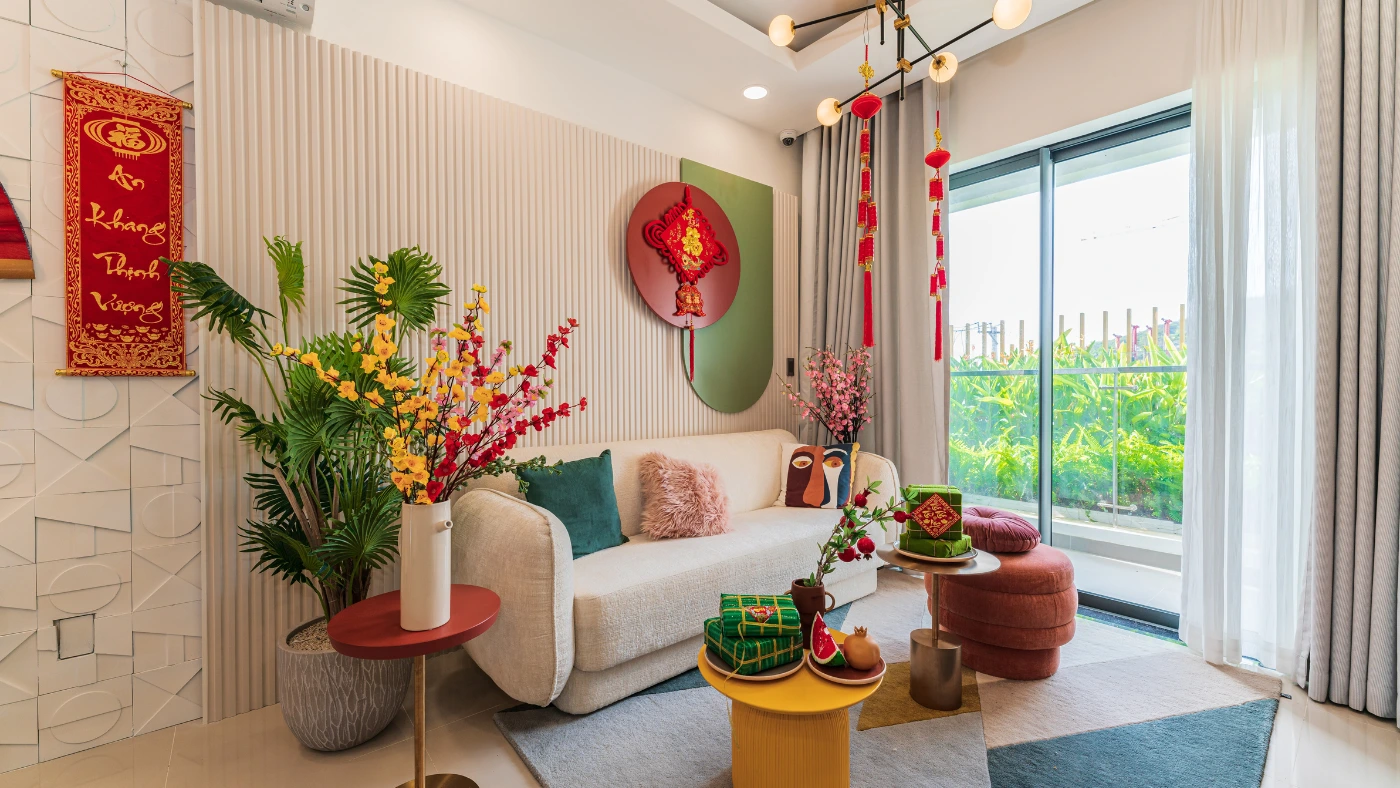
Renewal is another powerful theme of the Tet festival in Vietnam. Homes are thoroughly cleaned, old disputes are set aside, and the past year’s misfortunes are symbolically left behind. Good fortune is welcomed through traditional practices such as decorating with peach blossoms or kumquat trees, preparing symbolic foods, and exchanging lucky money. Together, these rituals express the shared hope that the Vietnamese New Year will begin with positivity, balance, and prosperity for both families and communities.
Tet Holiday in Vietnam: Dates and Timing for 2026
For travelers planning to experience the Vietnamese New Year, knowing exactly when Tet takes place is essential. The Tet holiday in Vietnam follows the lunar calendar, which means the dates change every year and affect travel schedules, business operations, and local celebrations nationwide. In 2026, Tet marks the Year of the Horse, a zodiac symbol associated with energy, movement, independence, and positive momentum, reflecting hopes for progress and fresh beginnings in the year ahead.

Understanding the timing of Tet helps visitors plan their trip more smoothly and decide whether they want to immerse themselves in the festive atmosphere or avoid peak holiday disruptions.
Key dates travelers should know
When planning a trip around the Tet holiday in Vietnam, timing is crucial. In 2026, the Vietnamese New Year public holiday runs from February 14th to February 22nd, a period when travel demand peaks and many locals return to their hometowns. Flights, trains, and buses are often fully booked in the days leading up to Tet, especially on routes connecting major cities with rural areas.
During the core days of the Tet holiday in Vietnam, particularly the first few days of the Vietnamese New Year, many offices, shops, and tour services may close or operate with limited hours. As the holiday period draws to a close after February 22nd, daily life gradually returns to normal. For travelers, this post-Tet window can be a quieter and more relaxed time to explore Vietnam while still experiencing lingering festive decorations and traditions.
Tet Festival in Vietnam – What Changes for Travelers
The Tet festival in Vietnam brings the country into a unique rhythm that feels very different from any other time of year. As the Vietnamese New Year approaches, daily routines shift, cities slow down, and family life takes priority nationwide. For travelers, Tet can be both fascinating and challenging, making it important to understand how the holiday affects transportation, services, and travel planning.
Business closures, transportation, and travel planning tips
During the Tet festival in Vietnam, business closures significantly affect how travelers move around and plan their days. As the Vietnamese New Year begins, many offices and locally owned businesses pause operations so people can focus on family celebrations. This shift changes normal routines, especially in smaller towns and residential areas, where services may be limited during the first days of Tet.
At the same time, transportation networks experience their busiest period of the year. Flights, trains, and buses fill up quickly as millions travel nationwide, making advance booking essential. To navigate the Tet festival in Vietnam smoothly, travelers should familiarize themselves with choosing the right transportation in Vietnam, secure accommodation early, plan flexible itineraries, and be prepared for slower services, especially during the peak days of the Vietnamese New Year.
What remains open and what closes during Tet
During the Tet festival in Vietnam, not all services shut down completely, but availability varies widely depending on location and timing. In major cities and popular tourist destinations, large hotels, resorts, and many international restaurants usually remain open throughout the Vietnamese New Year period. Supermarkets, convenience stores, and essential services often reopen quickly, even if they close briefly on the first day of Tet.
However, smaller local businesses, family run restaurants, and traditional markets commonly close for several days so owners can celebrate Tet with their families. Museums, government offices, banks, and post offices are typically closed during the core days of the Tet festival in Vietnam. For travelers, this means planning meals, activities, and cash withdrawals in advance, while also embracing the quieter atmosphere that defines the Vietnamese New Year holiday.
Pros and cons of traveling during Tet
Traveling during the Tet festival in Vietnam offers a rare chance to experience the Vietnamese New Year at its most authentic. One of the biggest advantages is the festive atmosphere, with homes decorated in flowers, streets filled with seasonal colors, and cultural traditions taking place across the country. In major cities, traffic is often lighter during the core days of Tet as locals return to their hometowns, creating a calmer and more relaxed urban experience. For culturally curious travelers, Tet provides meaningful insight into family life, spiritual traditions, and national identity.
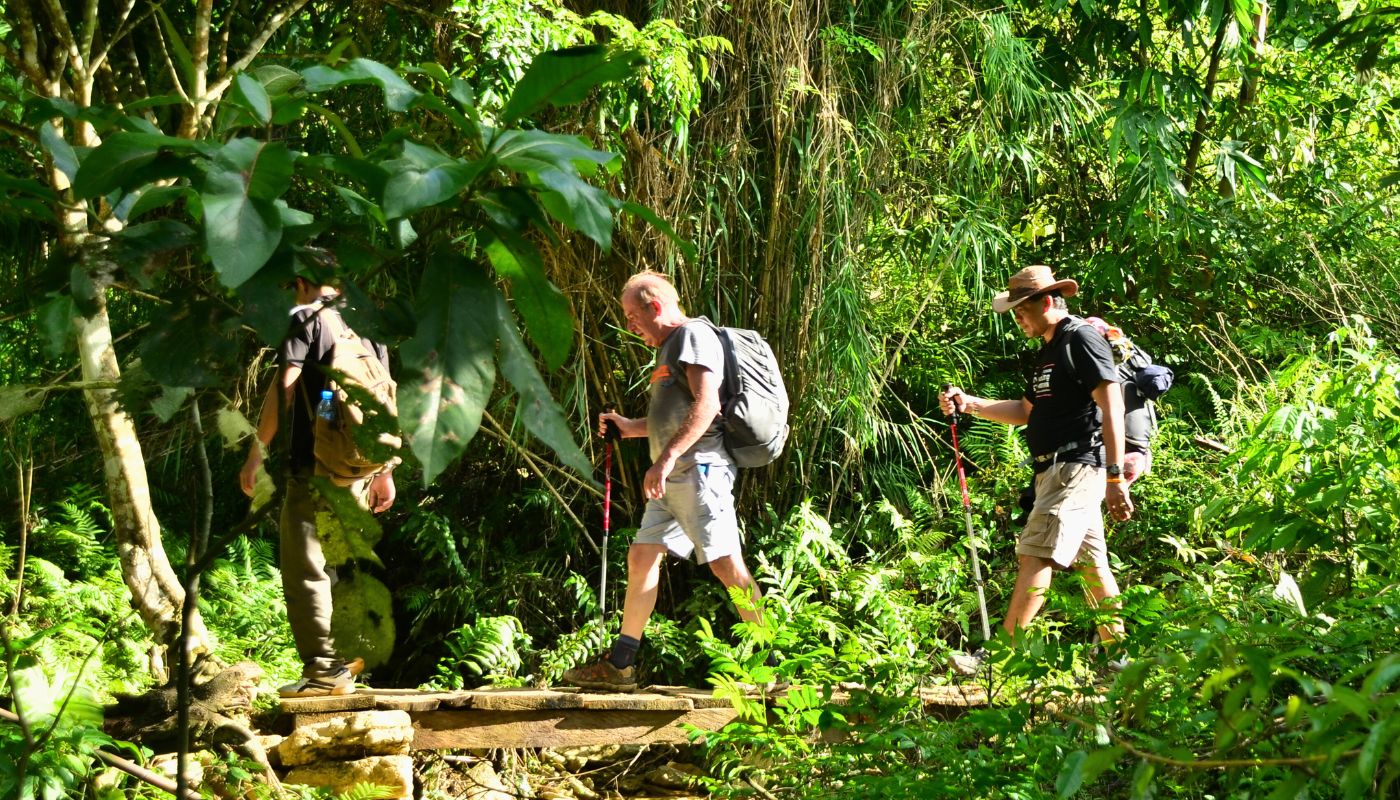
However, there are also challenges to consider. During the Tet festival in Vietnam, transportation becomes crowded and expensive, and many local businesses close for several days. Dining options and daily services may be limited, particularly outside tourist areas. For travelers who prefer full access to attractions, restaurants, and tours, the Vietnamese New Year period may feel restrictive. At the same time, Tet can be an ideal moment to explore remote and rural regions or off-the-beaten-track destinations, where communities celebrate locally and landscapes feel quieter and more intimate. Weighing these pros and cons helps visitors decide whether traveling during Tet aligns with their travel style and expectations.
Traditional Vietnamese Celebrations During Tet
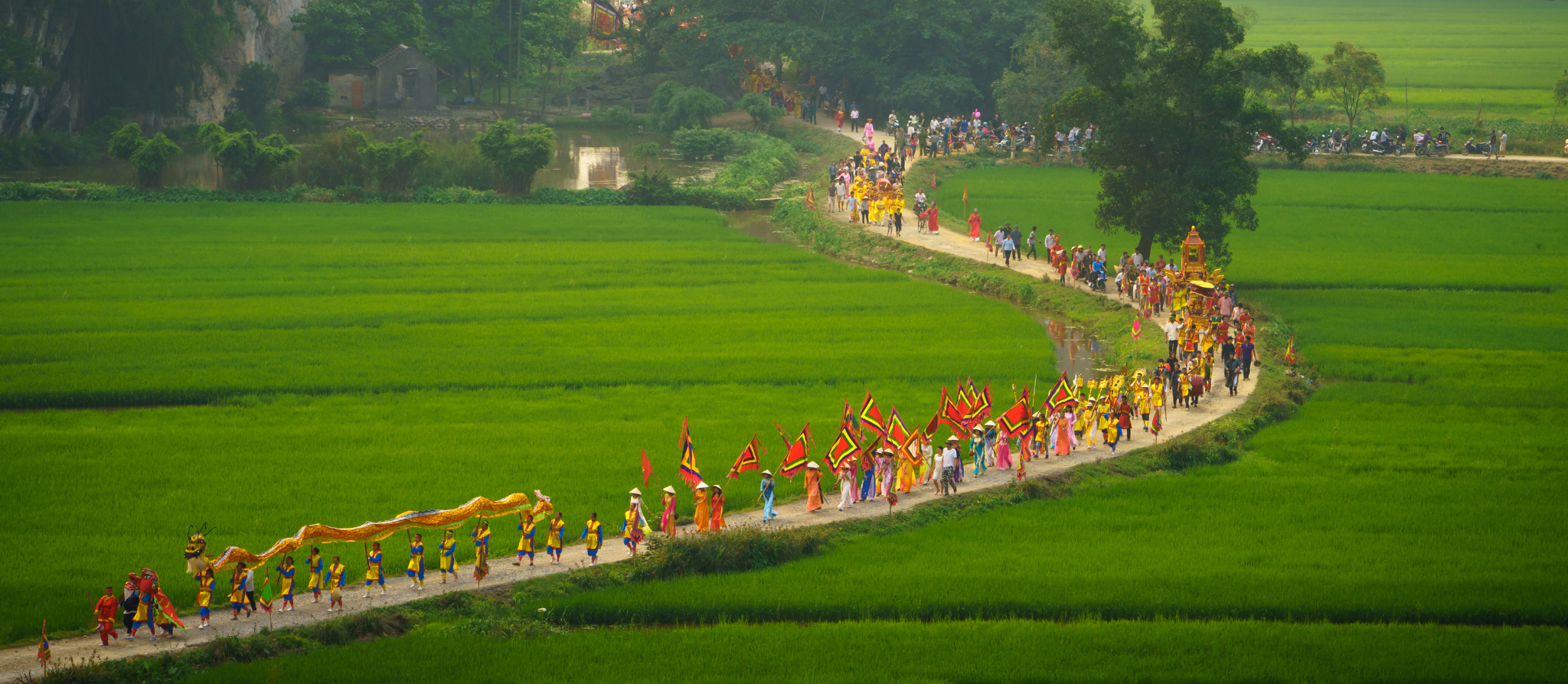
The Tet festival marks the most important period of Vietnamese celebrations, bringing communities together through shared traditions, rituals, and family values. During the Vietnamese New Year, everyday routines pause as people across the country focus on reunion, gratitude, and welcoming good fortune. For travelers, understanding these celebrations offers meaningful insight into how Tet is lived and felt beyond decorations and public festivities.
Popular Vietnamese celebrations during Tet
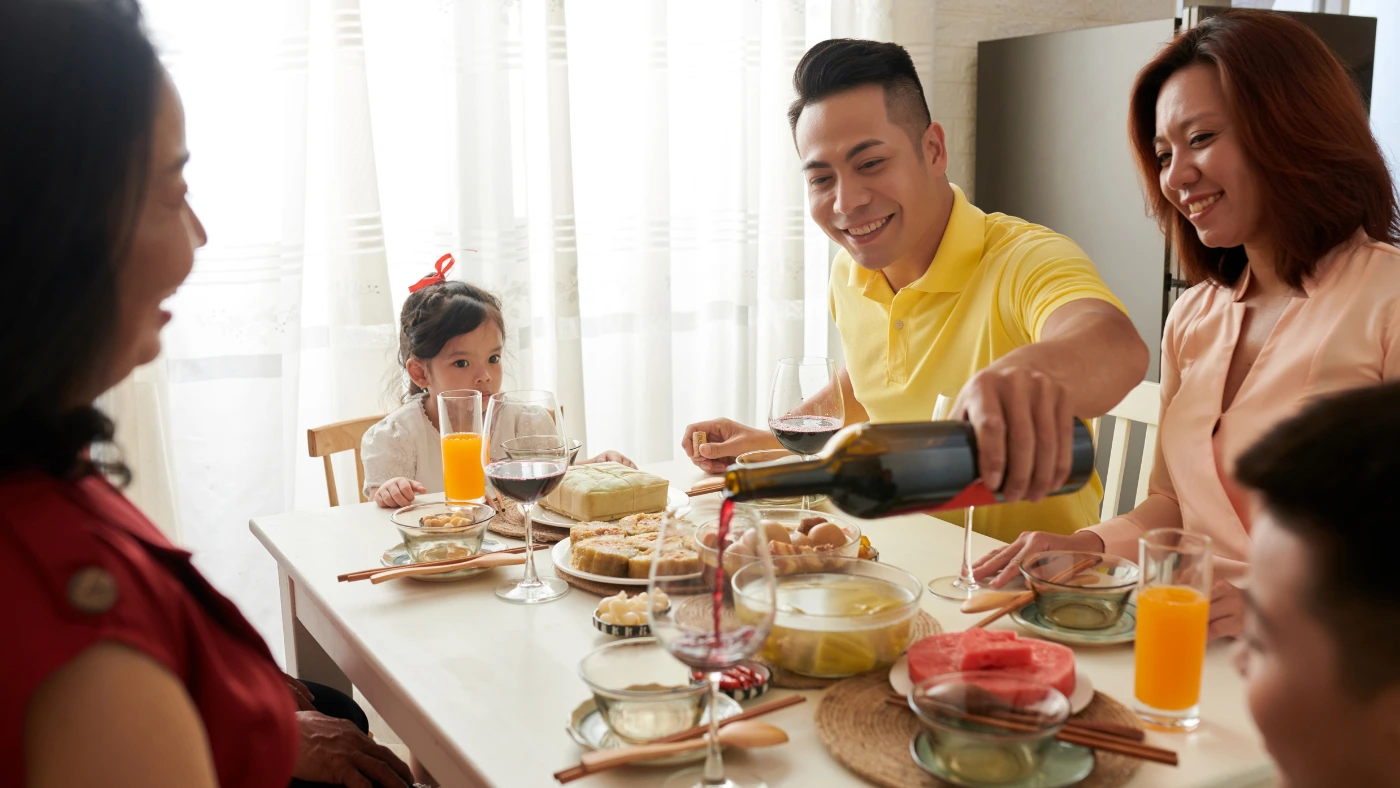
Some of the most important Vietnamese celebrations during Tet take place within the family. Family gatherings are central to the Vietnamese New Year, with people returning to their hometowns to spend time with parents, grandparents, and relatives.
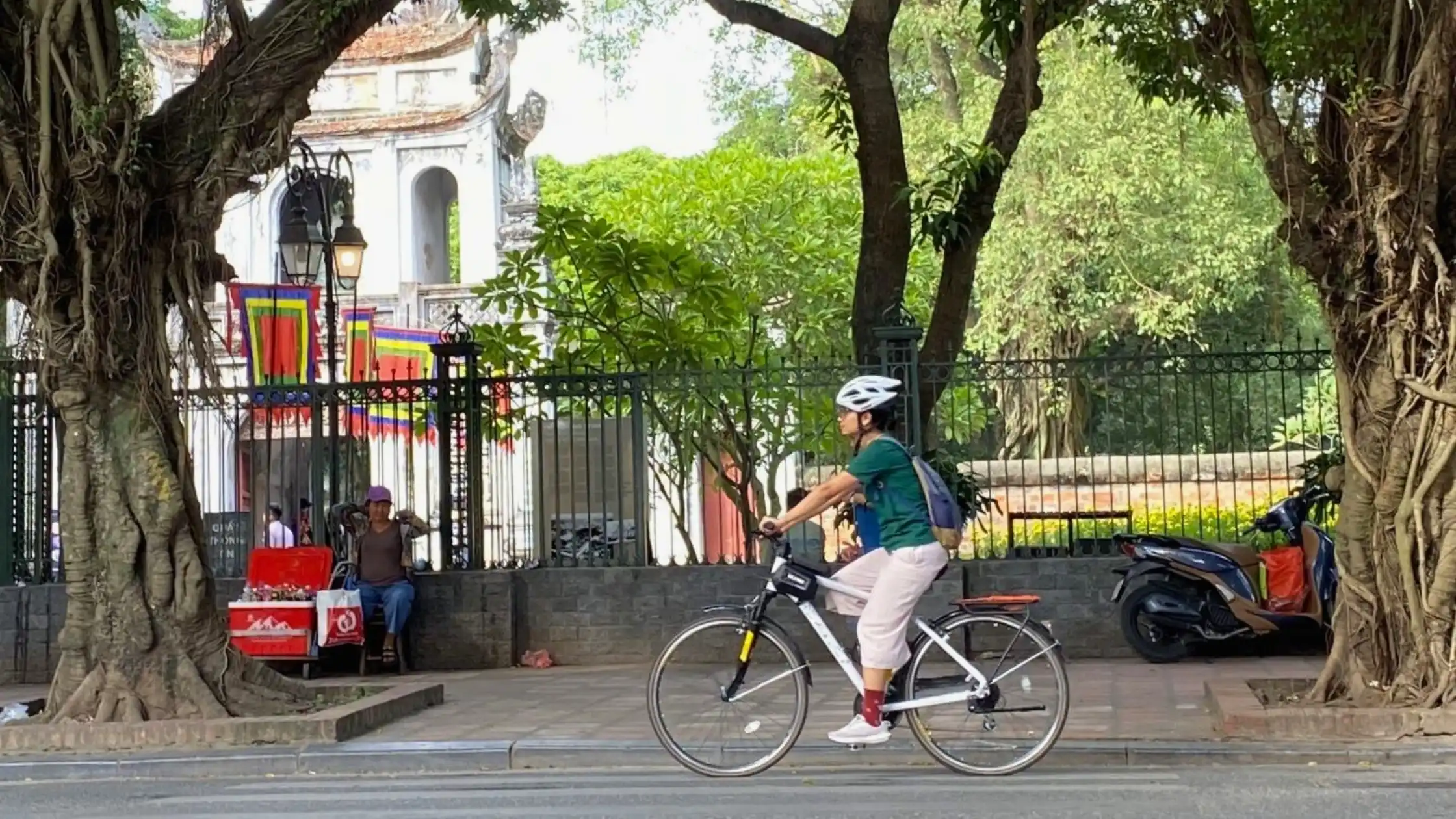
Another well known tradition is giving lucky money, or li xi, usually in red envelopes, symbolizing good luck, health, and prosperity for the year ahead. Visiting pagodas and temples is also common during Tet, as locals pray for peace, success, and well being. In cities like Hanoi, this tradition fits naturally alongside other things to do and see during the holiday period. And if you are in Hanoi during Tet, here’s a glimpse of the cultural events held in the Old Quarter.
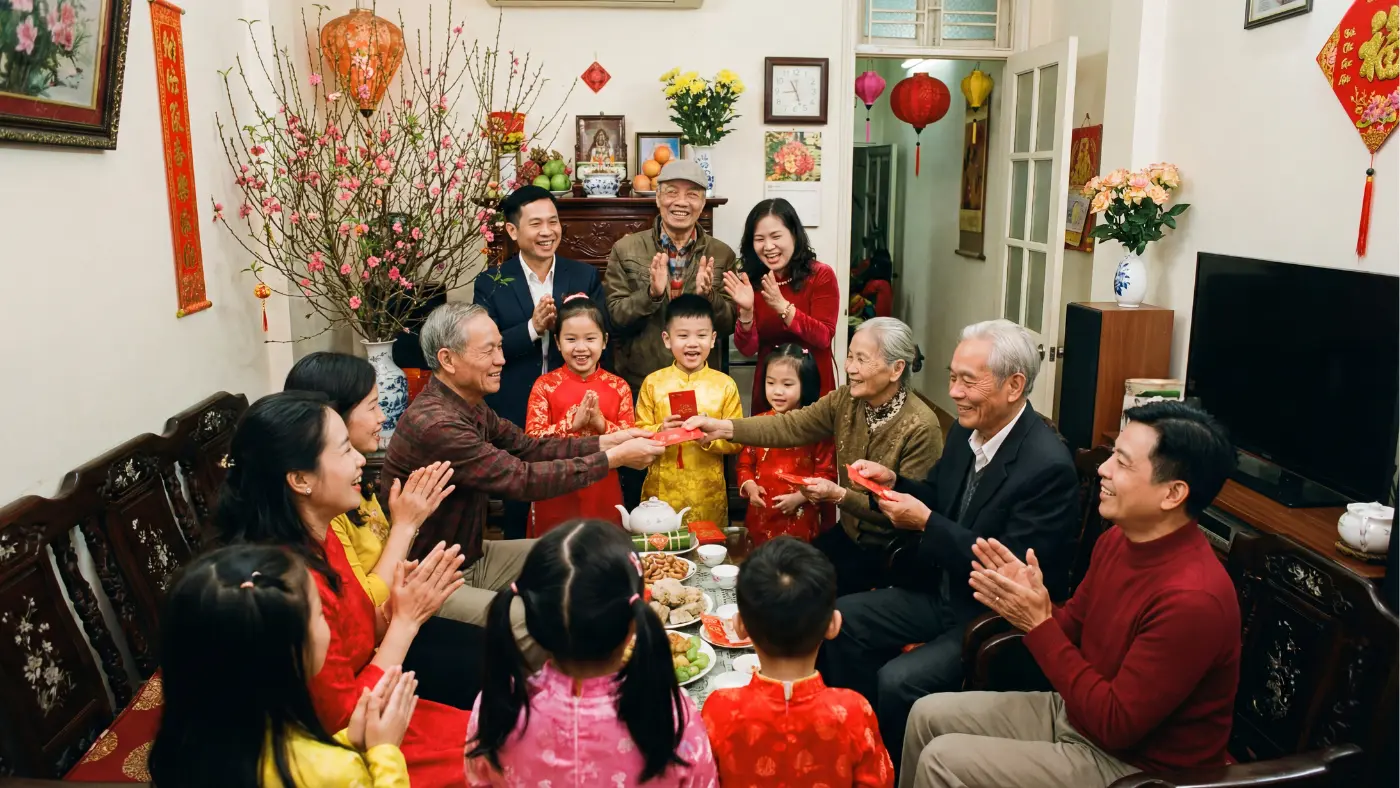
Together, these Vietnamese celebrations reflect the strong emphasis on family bonds, spiritual balance, and hopeful beginnings that define the Vietnamese New Year.
Traditional customs and taboos during Tet
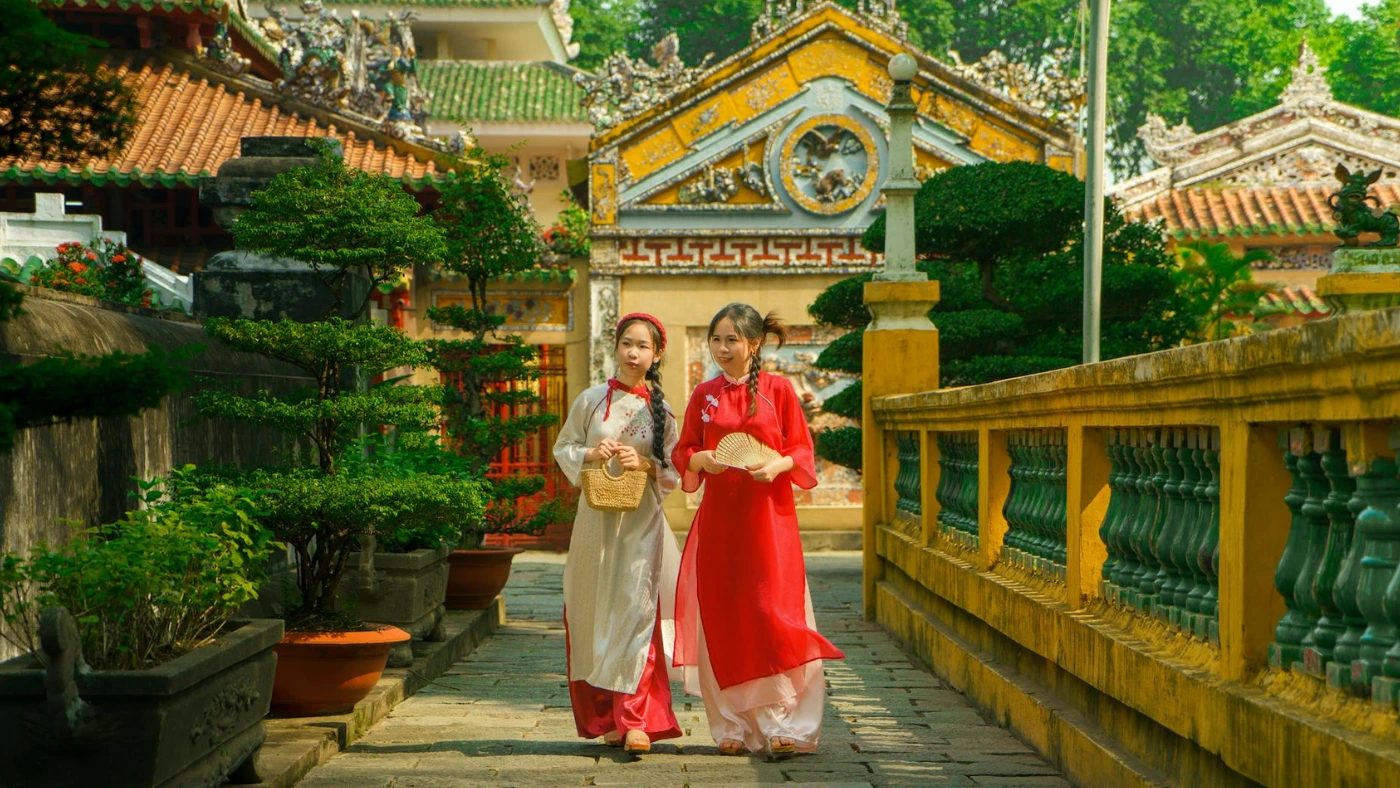
Traditional customs play a vital role in shaping Vietnamese celebrations during Tet, as many people believe that actions taken during the Vietnamese New Year influence the months ahead. In the days before Tet, homes are thoroughly cleaned to remove bad luck from the previous year, but cleaning is often avoided during the first days of Tet to prevent sweeping good fortune away. Wearing new clothes, especially in bright or red colors, is encouraged as a symbol of renewal and positivity.
Alongside these customs, certain taboos are carefully observed during Tet. Arguments, breaking objects, or speaking about misfortune are avoided, as they are believed to bring bad luck. Many families are also mindful of who enters their home first, as the first visitor of the year is thought to affect the family’s fortune. These traditions highlight how Vietnamese celebrations during the Vietnamese New Year are deeply rooted in respect, symbolism, and the desire to begin the year in harmony.
How locals welcome the New Year
As the Vietnamese New Year arrives, locals welcome Tet with a mix of quiet reflection and joyful celebration. New Year’s Eve is often spent at home, where families gather for a final meal of the old year and make offerings to ancestors to invite blessings for the year ahead. At midnight, some people stay up to welcome the New Year together, while others step outside to enjoy fireworks or the festive atmosphere in their neighborhoods.
In the early days of Tet, Vietnamese celebrations become more outward facing. Families visit relatives, exchange New Year greetings, and offer wishes for health, happiness, and prosperity. Many locals also visit pagodas and temples to pray for peace and good fortune, marking a hopeful and respectful start to the year. Through these traditions, the Vietnamese New Year is welcomed not with excess, but with intention, balance, and a strong sense of community.
Tet Food and Festive Preparations
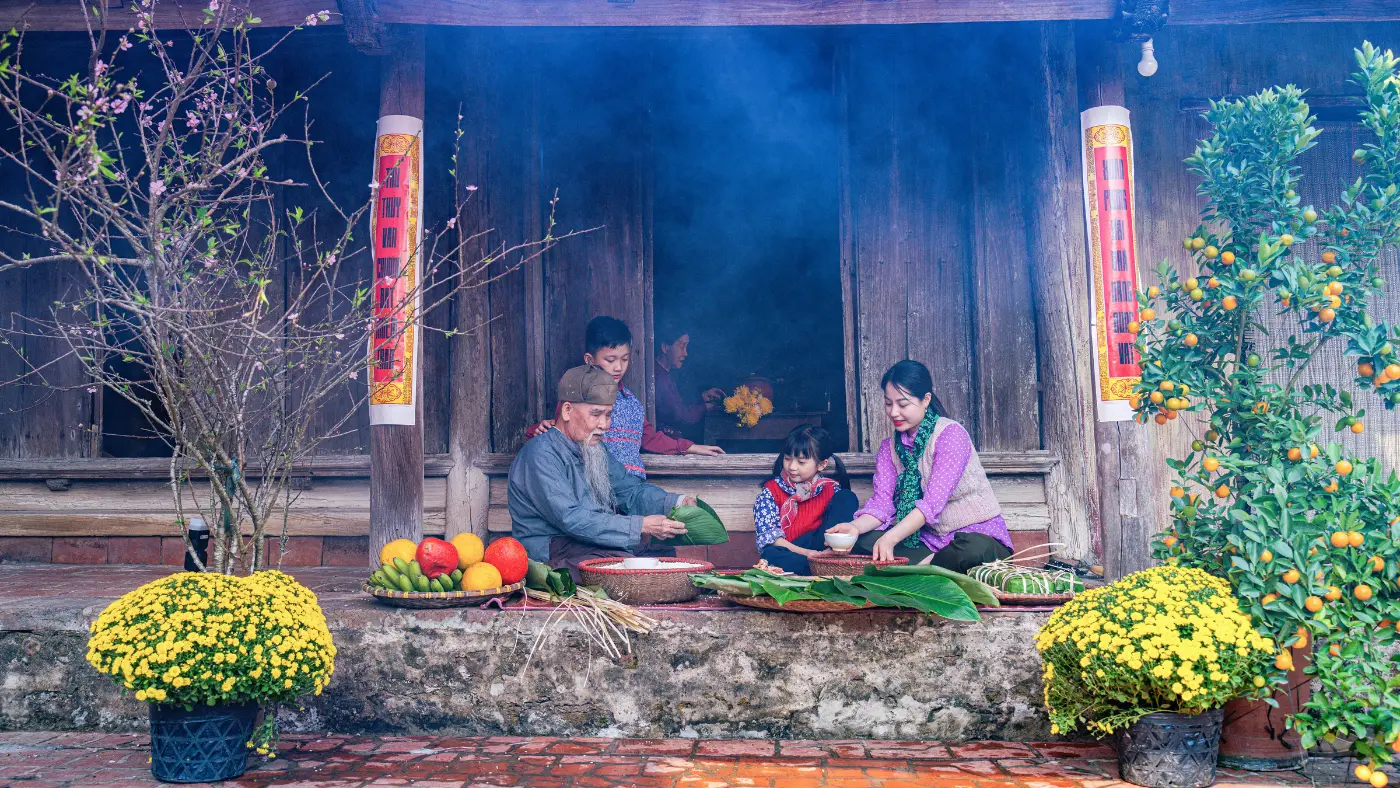
Food and preparation play a central role in how families welcome the Vietnamese New Year, turning Tet into a celebration of both flavor and meaning. In the days leading up to Tet, homes are cleaned, decorated, and filled with symbolic dishes that represent prosperity, unity, and gratitude. For travelers, these preparations offer a rich window into everyday traditions that define the spirit of the Vietnamese New Year.
Traditional Tet dishes and their meanings
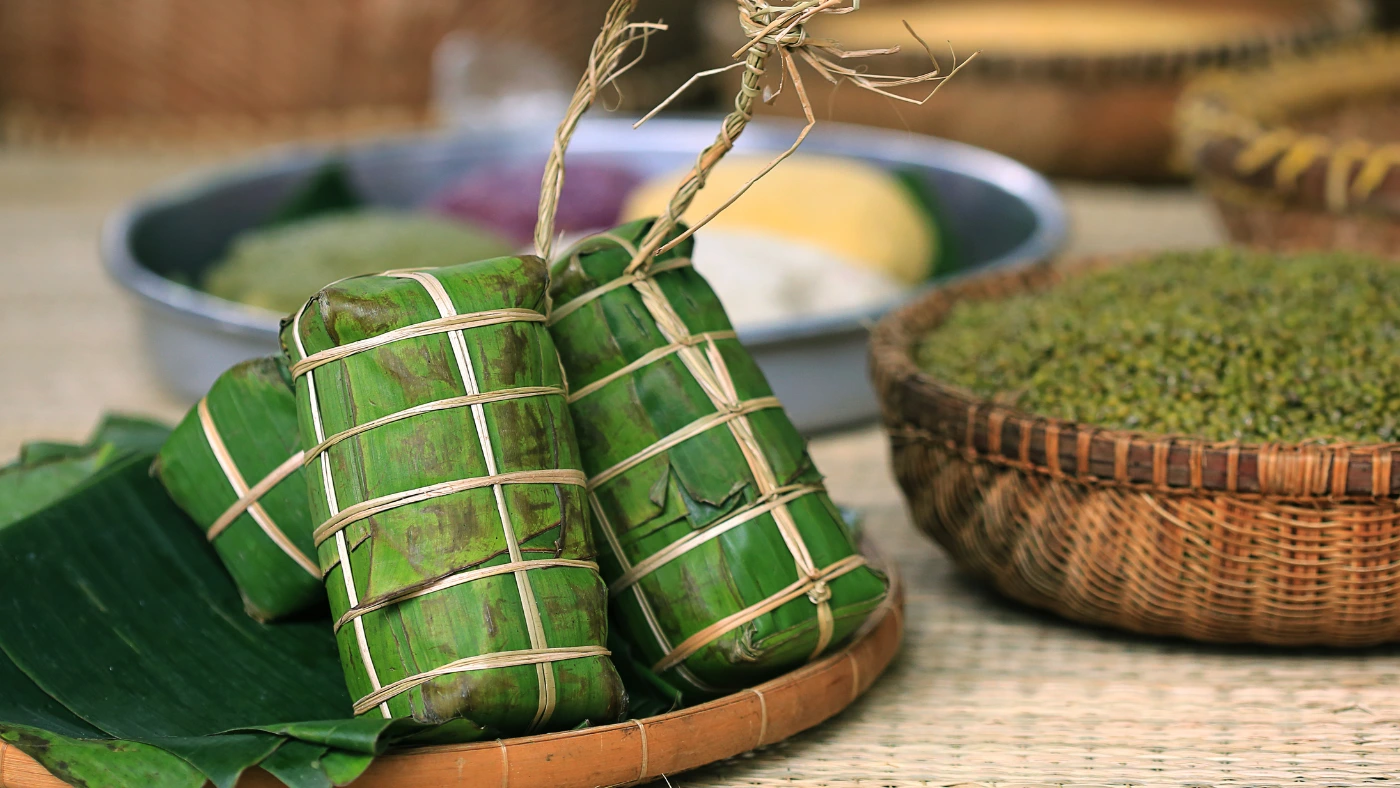
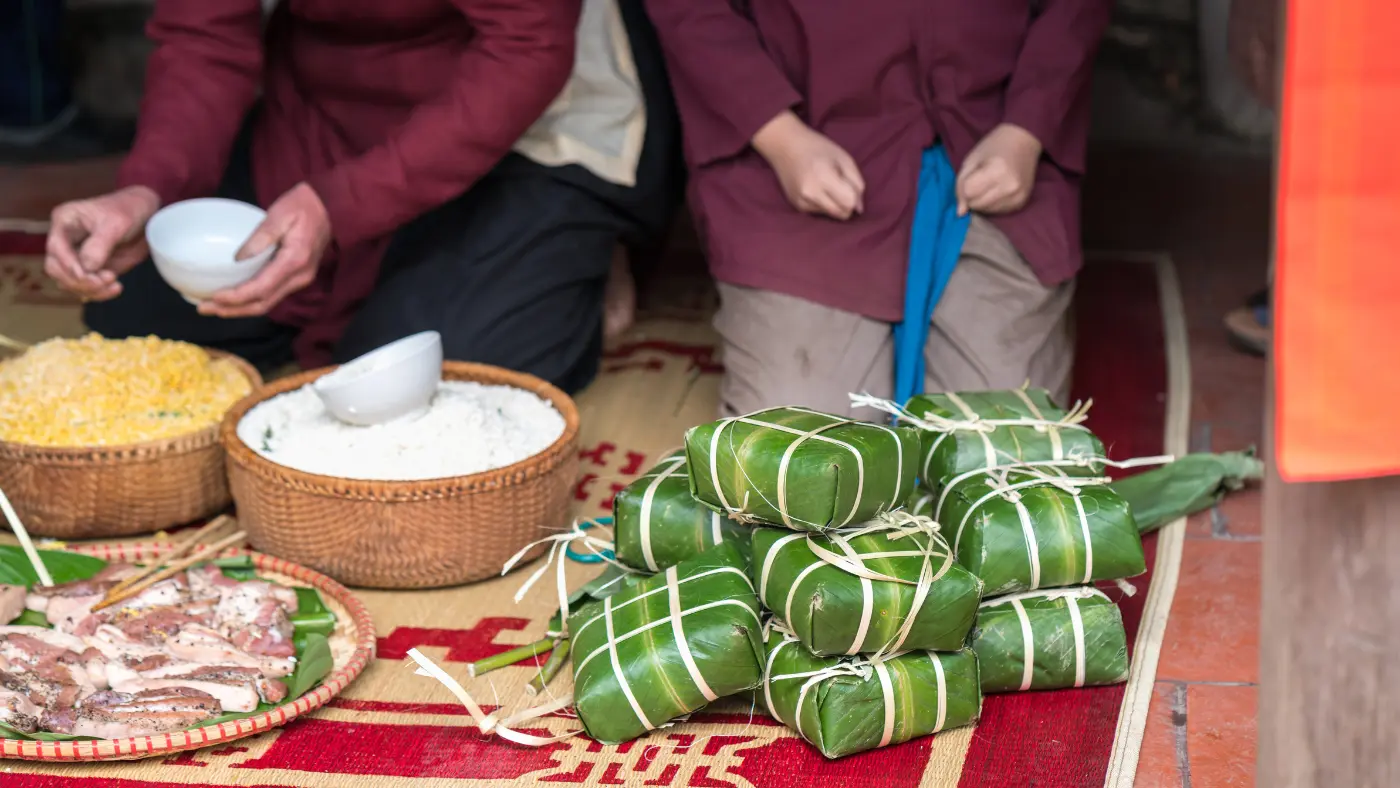
Traditional dishes prepared for the Vietnamese New Year are deeply symbolic and often shared across generations. One of the most iconic foods is bánh chưng or bánh tét, made from sticky rice, mung beans, and pork, representing gratitude to ancestors and the connection between heaven and earth.
Pickled vegetables are commonly served to balance rich flavors and symbolize harmony, while dishes such as braised pork with eggs are associated with abundance and togetherness. During the Vietnamese New Year, these meals are not just about eating but about honoring tradition, sharing blessings, and starting the year with warmth and unity.
Flower markets, peach blossoms, and kumquat trees
As the Vietnamese New Year approaches, flower markets become one of the most visible and lively signs that Tet is near. Streets and public squares fill with seasonal blooms as families choose flowers and plants to decorate their homes and welcome good fortune. Visiting these markets offers travelers a vibrant glimpse into local life, where choosing the right flowers is both a joyful tradition and a meaningful ritual.
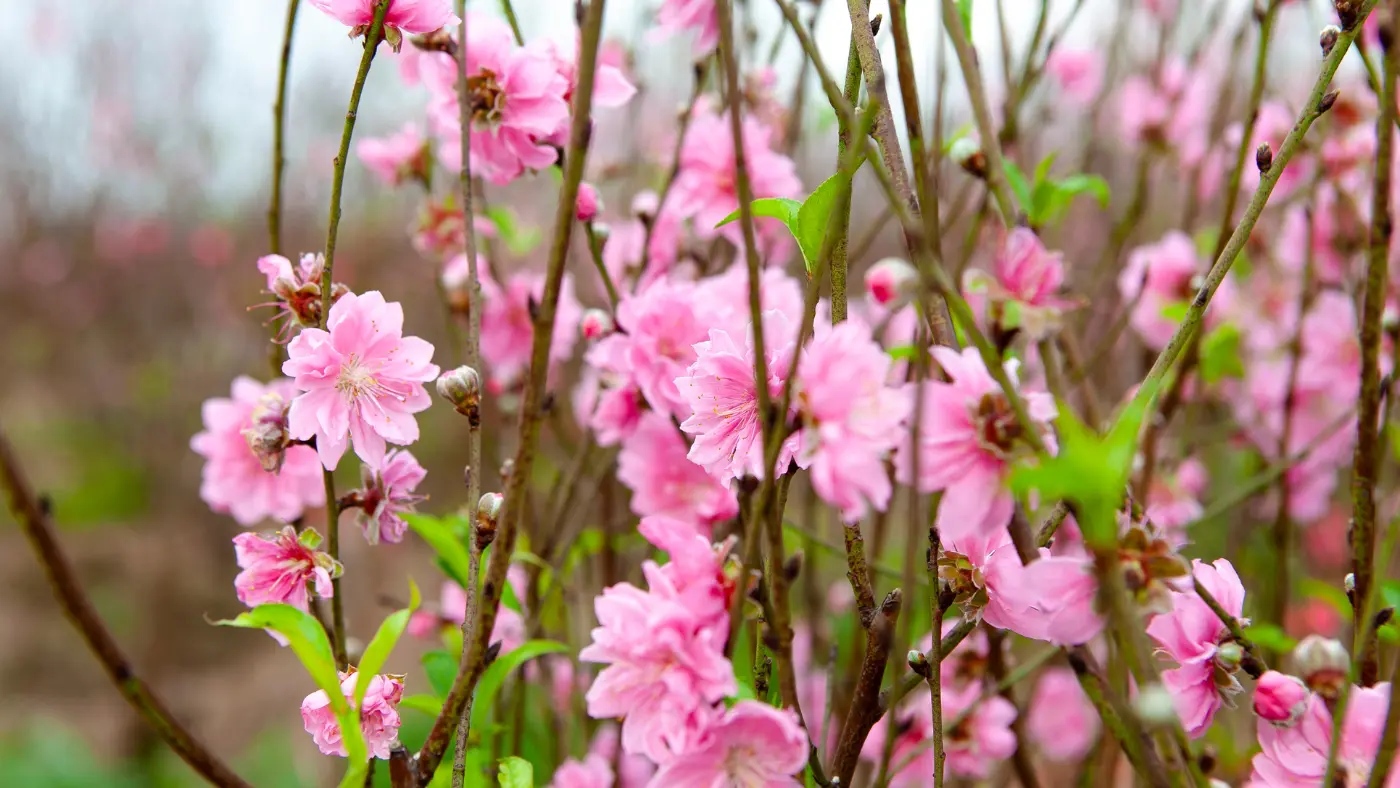
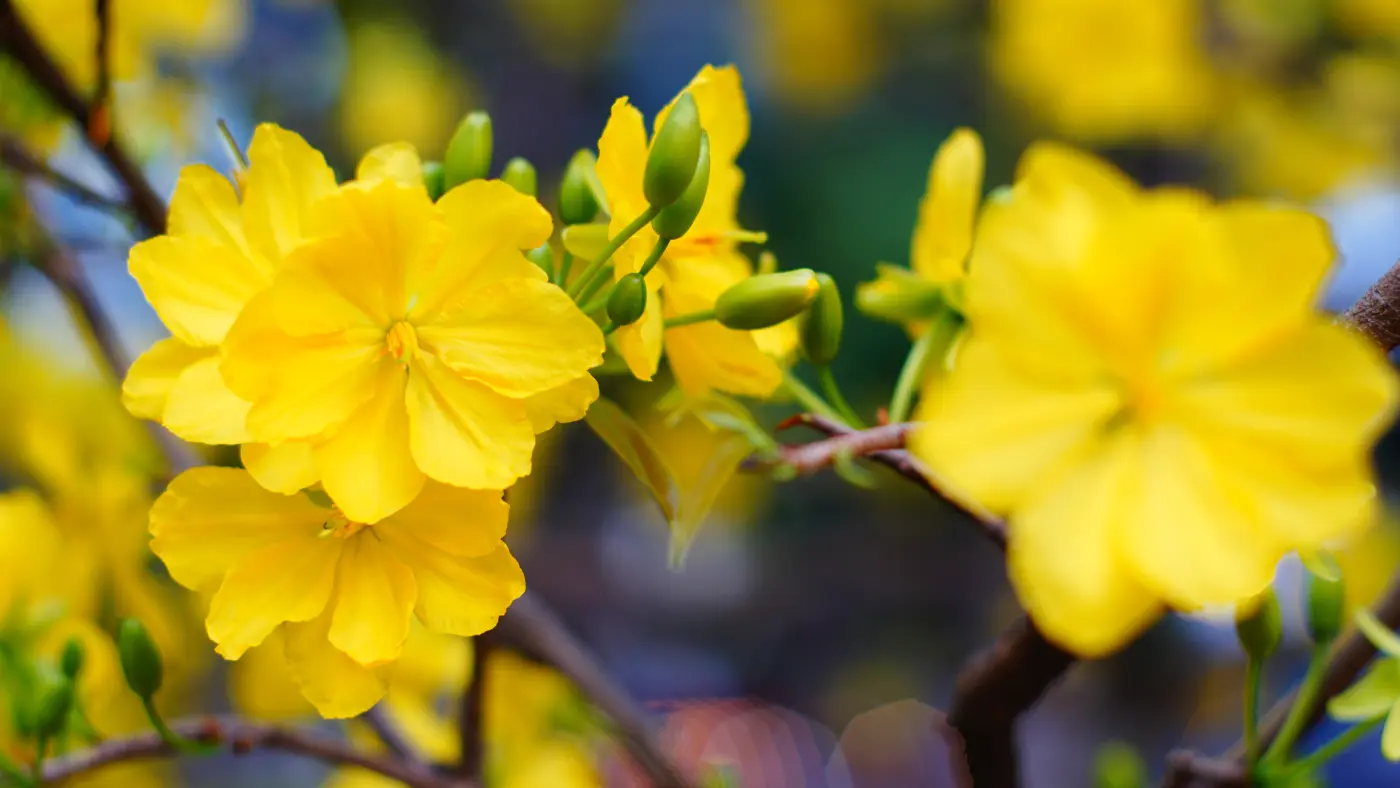
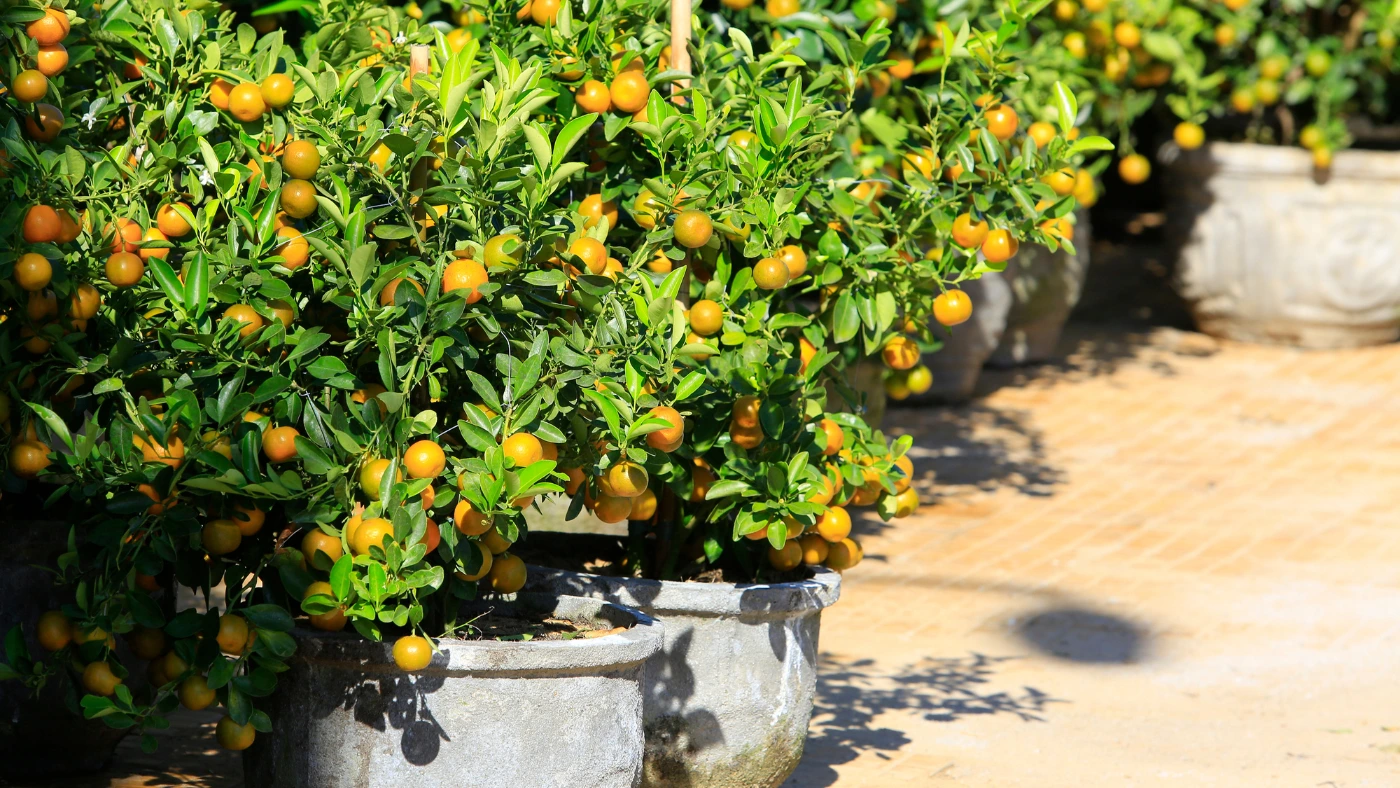
Peach blossoms are especially popular in northern Vietnam, symbolizing renewal, luck, and protection for the home, while yellow apricot blossoms are favored in the south as a sign of prosperity and happiness. Kumquat trees, heavy with fruit, are displayed nationwide and represent abundance, success, and a fruitful year ahead. During the Vietnamese New Year, these natural decorations transform homes and streets, creating a festive atmosphere rooted in symbolism, beauty, and hope for new beginnings.
What Tourists Should Do and Avoid During Tet
Experiencing the Vietnamese New Year as a visitor can be deeply rewarding, but it also comes with cultural expectations that are important to understand. Tet is a time of respect, family connection, and spiritual meaning, and small gestures of awareness can go a long way. Knowing what to do and avoid during Tet helps travelers navigate the holiday smoothly while showing appreciation for local traditions.
Cultural etiquette during Vietnamese New Year
Cultural etiquette plays an important role during the Vietnamese New Year, as many people believe that words and actions at the start of the year influence what follows. During Tet, politeness, patience, and positive behavior are especially valued. Travelers unfamiliar with local customs may find it helpful to review the Do’s and Don’ts in Vietnam before joining celebrations.
Visitors are encouraged to greet locals warmly, accept invitations with gratitude, and avoid confrontational behavior. When visiting homes or temples, showing respect to elders and being mindful of family spaces reflects an understanding of the values that shape the Vietnamese New Year.
Dress code and behavior tips
During the Vietnamese New Year, appearance and behavior carry symbolic meaning, as they are believed to influence luck and harmony in the year ahead. Wearing clean, neat, and comfortable clothing is appreciated, and brighter colors are often favored during Tet as a sign of positivity and renewal. While there is no strict dress code for travelers, modest outfit is recommended, especially when visiting family homes, pagodas, or temples.
In terms of behavior, patience and courtesy are key during the Vietnamese New Year period. Services may be slower, and schedules less predictable, so maintaining a calm and respectful attitude is important. Loud or disruptive behavior, particularly in residential areas or sacred spaces, should be avoided. By dressing thoughtfully and behaving considerately, travelers can show respect for local customs and enjoy a more meaningful Tet experience.
Conclusion – Experiencing Tet Like a Local
Experiencing the Vietnamese New Year offers one of the most meaningful ways to understand Vietnam beyond its landscapes and landmarks. Tet reveals the values that shape everyday life, from the importance of family and respect for ancestors to the desire for harmony, renewal, and hope at the start of a new year. Observing how communities slow down, reconnect, and celebrate together provides insight that no guidebook or sightseeing route can fully capture.
For travel professionals, Tet also presents a unique opportunity to design journeys that go deeper than standard itineraries. With thoughtful planning and strong local partnerships, the Vietnamese New Year can be transformed from a challenging travel period into a meaningful cultural highlight. Approaching Tet with patience, respect, and cultural understanding turns potential limitations into authentic, value-driven experiences for travelers.
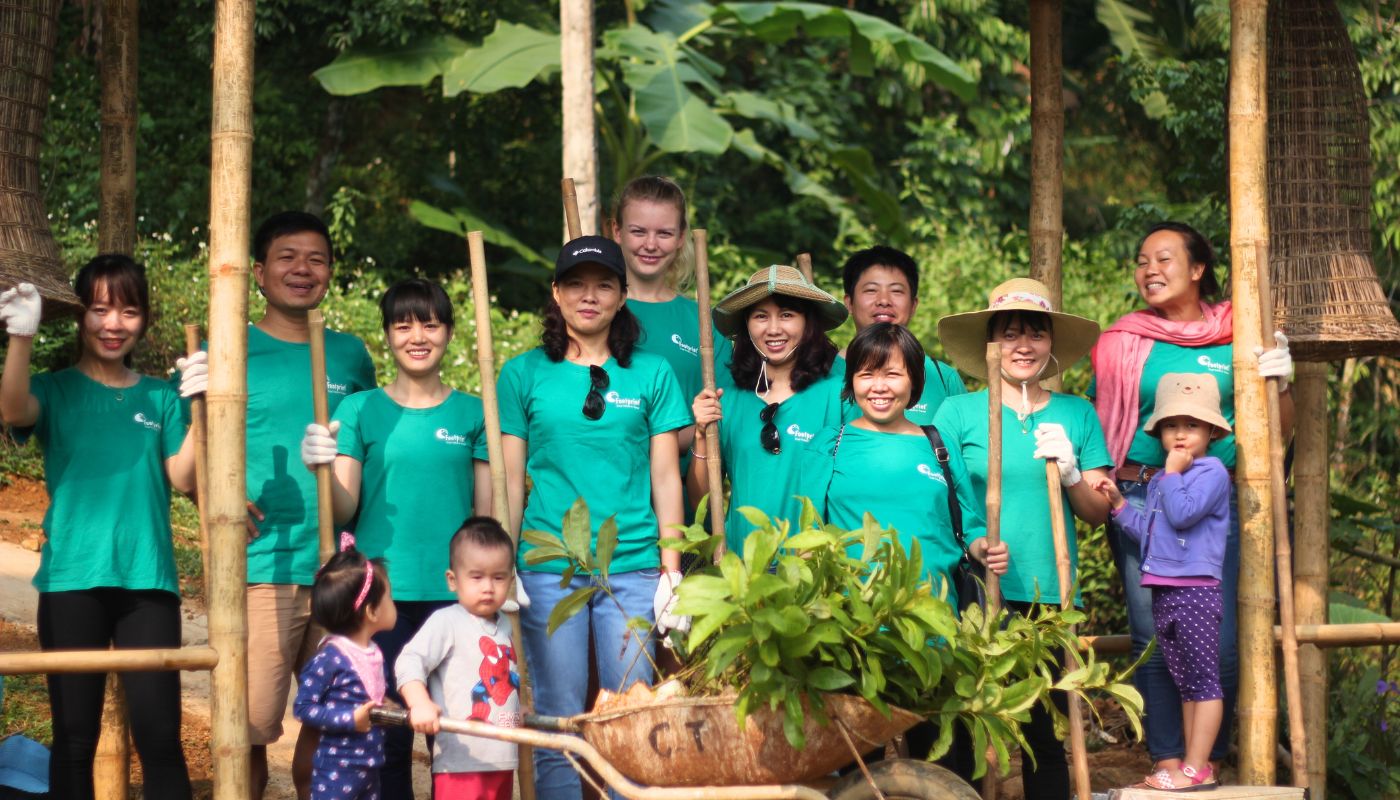
At Footprint Travel, we work closely with partners to craft Tet-focused programs that balance cultural immersion, operational feasibility, and responsible tourism values. Whether you are developing seasonal offerings, cultural journeys, or tailor-made itineraries around the Vietnamese New Year, our local expertise helps ensure experiences are authentic, respectful, and seamlessly delivered.
If you are looking to create meaningful Tet experiences for your clients, we invite you to connect with Footprint Travel and explore how we can collaborate. Together, we can turn the Vietnamese New Year into a powerful storytelling moment that reflects Vietnam’s warmth, unity, and living traditions.
Chúc Mừng Năm Mới – Happy New Year.
Frequently Asked Questions
Q1: What is the Vietnamese New Year?
The Vietnamese New Year, known as Tet, is the most important holiday in Vietnam. It marks the beginning of the lunar year and is a time for family reunions, honoring ancestors, and welcoming good fortune, health, and prosperity.
Q2: When does the Vietnamese New Year usually take place?
The Vietnamese New Year follows the lunar calendar and typically falls between late January and mid February. Because the date changes every year, travelers should check Tet dates in advance when planning a trip.
Q3: How long does Tet last in Vietnam?
While the official Tet holiday usually lasts several days, celebrations often extend before and after the main dates. Preparations begin weeks in advance, and family visits and festive activities can continue well beyond the public holiday period.
Q4: Is it a good time to travel to Vietnam during Tet?
Traveling during the Vietnamese New Year can be very rewarding for visitors interested in culture and local traditions. However, it also comes with challenges such as limited services and busy transportation. Tet is best suited for travelers seeking cultural immersion rather than fast-paced sightseeing.
Q5: What should travelers expect during Tet?
During Tet, many local businesses close temporarily, cities may feel quieter, and transportation becomes crowded. At the same time, visitors can enjoy festive decorations, family celebrations, flower markets, and a unique atmosphere that is not experienced at other times of the year.
Q6: Can tourists participate in Tet celebrations?
Yes, tourists are welcome to observe and respectfully join Tet celebrations, especially public events such as flower markets and temple visits. Visitors should follow local customs, dress modestly in spiritual spaces, and ask permission before taking photos.
Q7: Can tourists participate in Tet celebrations?
Yes, tourists are welcome to observe and respectfully join Tet celebrations, especially public events such as flower markets and temple visits. Visitors should follow local customs, dress modestly in spiritual spaces, and ask permission before taking photos.
Q8: How can Footprint Travel support Tet-focused travel programs?
Footprint Travel works with partners to design Tet experiences that balance cultural authenticity, operational feasibility, and responsible tourism practices. Our local expertise helps transform the Vietnamese New Year into meaningful journeys that connect travelers with Vietnam’s living traditions.