











Hanoi to Phong Nha: A Complete Agency Logistics Guide
Optimizing the Hanoi to Phong Nha transport corridor is a critical milestone for travel trade partners developing high-yield adventure or heritage itineraries in Central Vietnam. Spanning roughly 500 kilometers, this route acts as the essential operational bridge between the Northern gateway and the iconic UNESCO-listed karst systems of Phong Nha-Ke Bang National Park. By analyzing the scheduling parameters, safety regulations, and infrastructure realities detailed below, your product placement teams can confidently secure seamless passenger movements and flawless ground handling.
Distance and Geography: Where is Phong Nha?
For international product managers and tour operators designing Vietnam itineraries, understanding the geographic layout of Central Vietnam’s karst region is critical to avoiding costly routing mistakes.
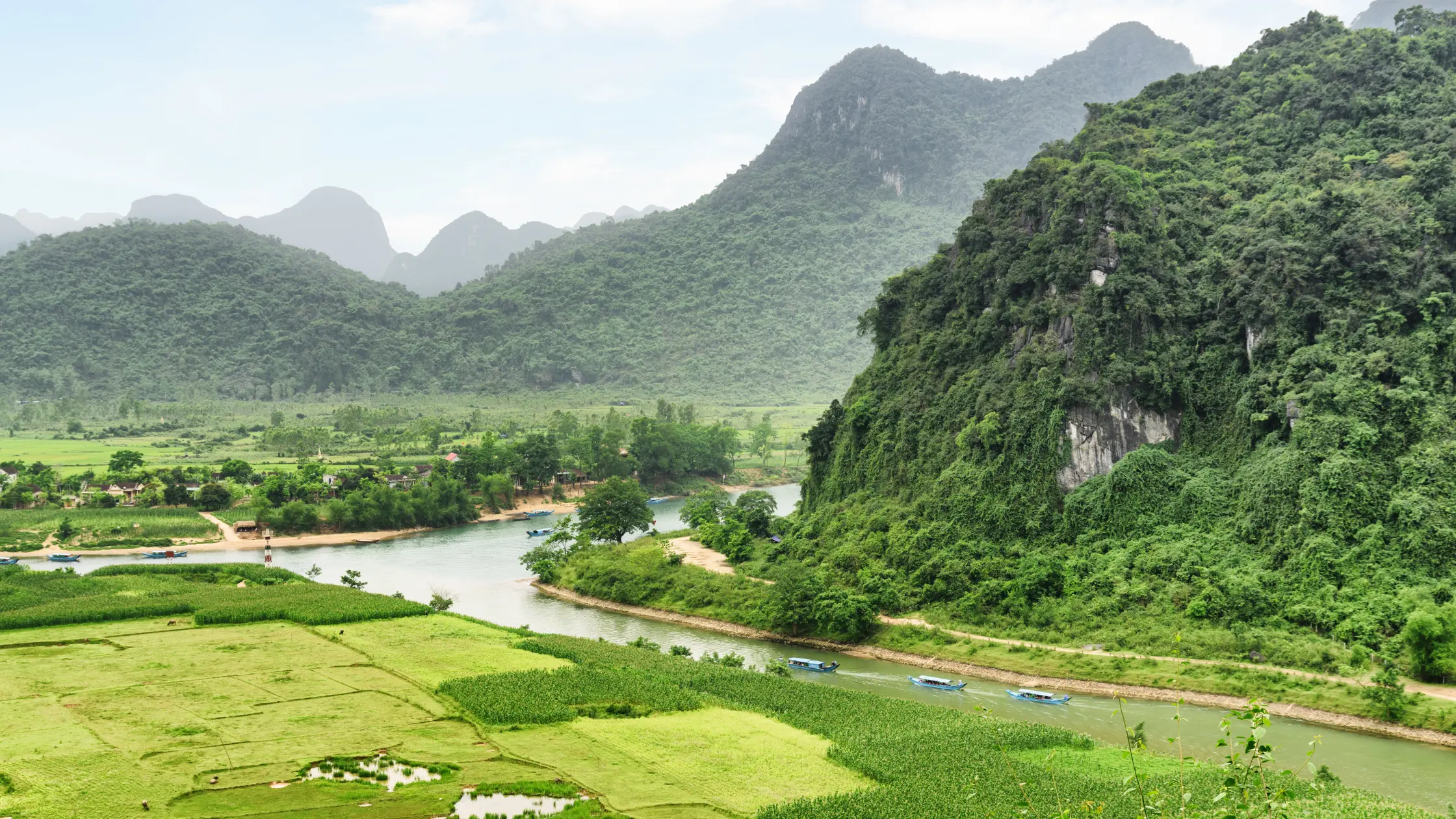
Phong Nha-Ke Bang National Park is situated in the Quang Tri Province of Central Vietnam. Geographically, it lies approximately 500 kilometers south of Hanoi.
When mapping out itineraries and advising clients on how to get to Phong Nha, many foreign operators mistakenly search for direct flights or trains into the region. However, there are no direct commercial train stations or airports in the national park itself. Instead, all regional transport corridors converge on Dong Hoi City, the coastal capital of Quang Tri Province.
Understanding the Dong Hoi Gateway: A B2B Operational Breakdown
For your tour logistics and group movements, Dong Hoi serves as the mandatory regional transit hub.
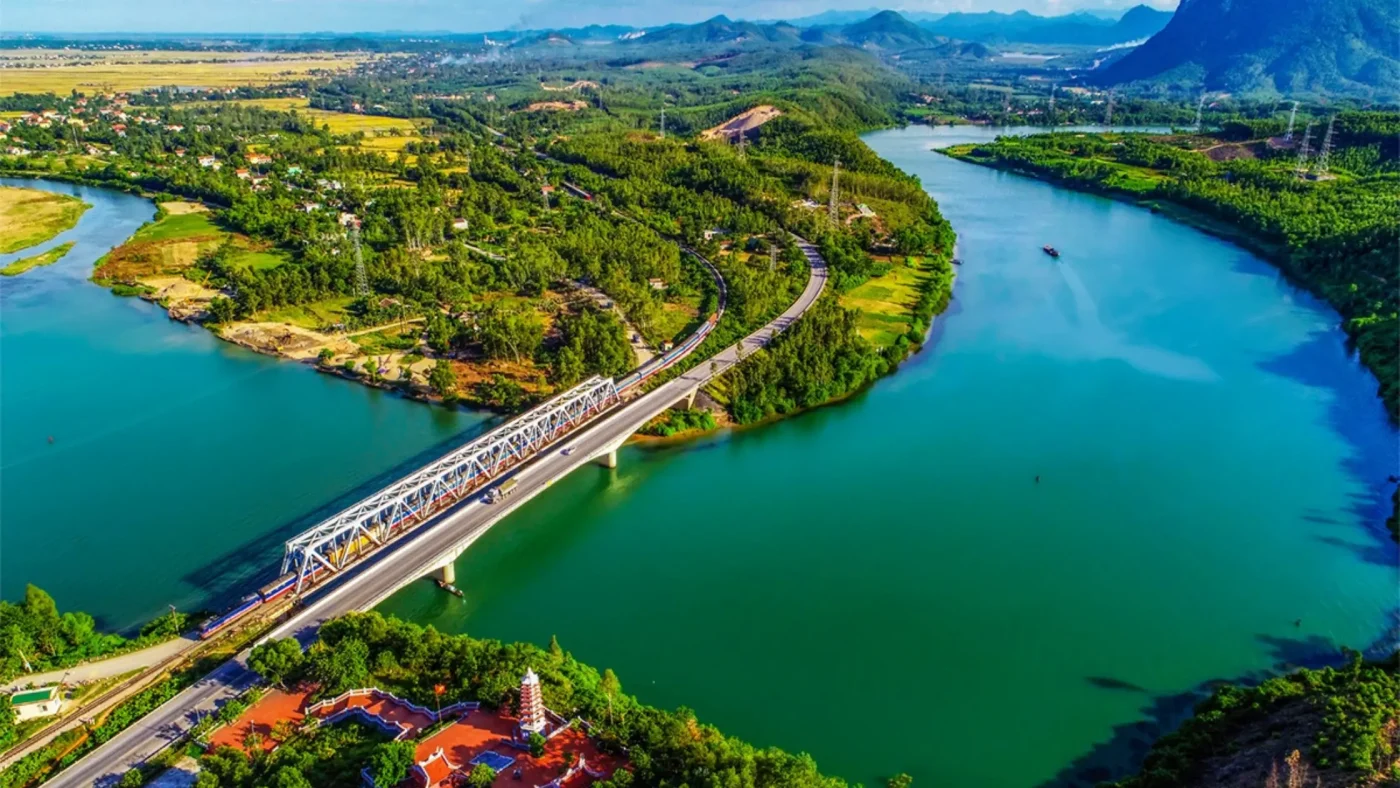
The Distance: Dong Hoi is located 45 kilometers east of the main Phong Nha tourist village (also called Son Trach or Phong Nha-Ke Bang Town).
The Transit Window: Depending on the vehicle class (e.g., a 16-seater Mercedes Sprinter versus a 29- or 35-seater Hyundai County coach), the overland transfer from Dong Hoi to the heart of Phong Nha takes between 45 to 60 minutes via Highway 16.
Transit Infrastructure:
- Dong Hoi Airport (VDH): Handles domestic arrivals from Hanoi (HAN) and Ho Chi Minh City (SGN).
- Dong Hoi Railway Station (Ga Đồng Hới): A primary stop on the North-South Reunification Express line, accommodating overnight sleeper trains.
Operations Advisory: Same-Day Expedition Departure Deadlines
If you are booking multi-day adventure expeditions (such as those exploring the Tu Lan or Hang En cave systems), most trek operators require guests to attend a mandatory safety briefing and gear calibration check at their headquarters in Phong Nha town before departure on Day 1.
Depending on the specific operator and trail route, these sessions are typically in the early morning (often between 7:30 AM and 9:00 AM).
Overland private transfers from Dong Hoi (airport or train station) must depart at least 1.5 to 2 hours prior to the scheduled safety briefing to guarantee on-time arrival. If your clients arrive on delayed flight or train services that clash with their specific operator’s briefing schedule, they will be legally and operationally barred from the expedition. Therefore, we highly recommend booking a pre-tour overnight stay in Phong Nha or Dong Hoi on Day 0.
Why Expedition Departure Windows Are Non-Negotiable
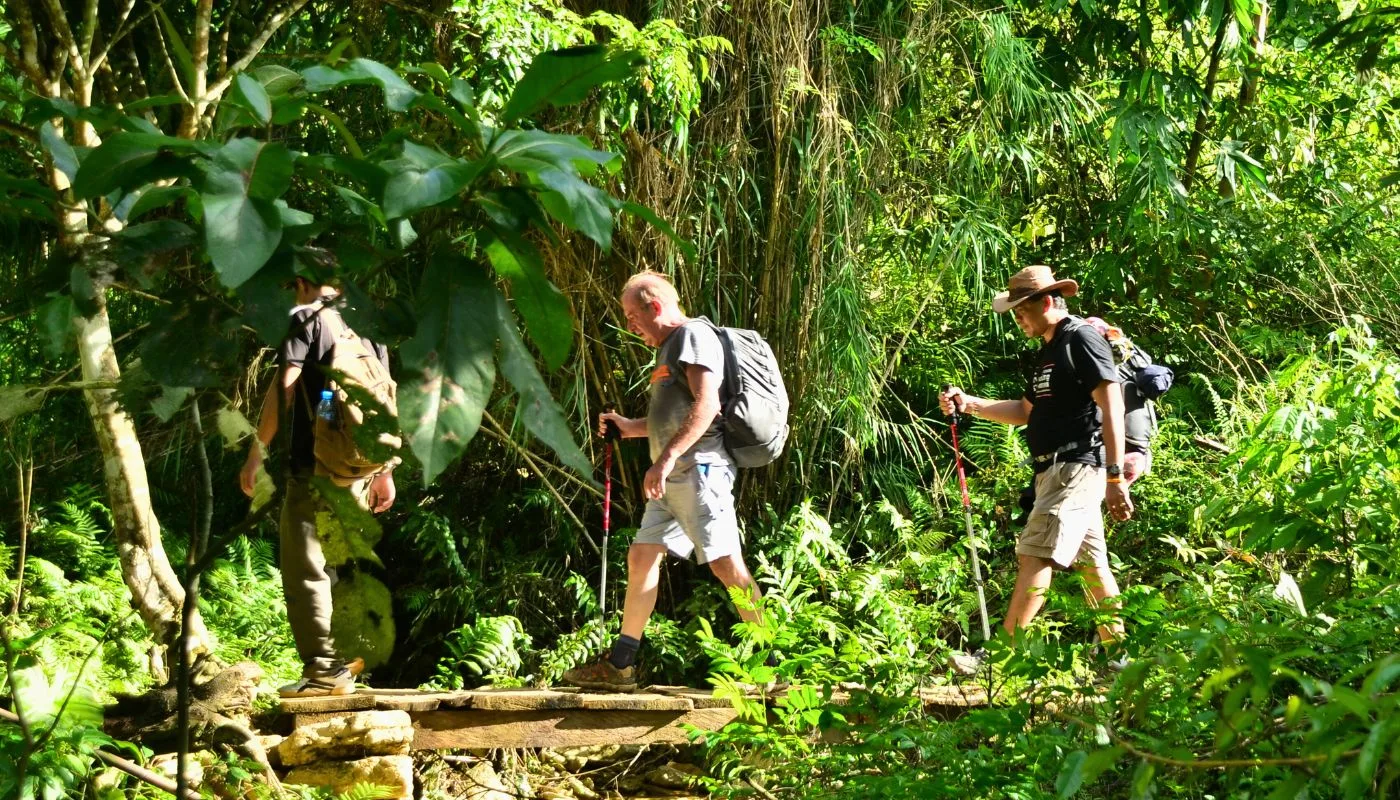
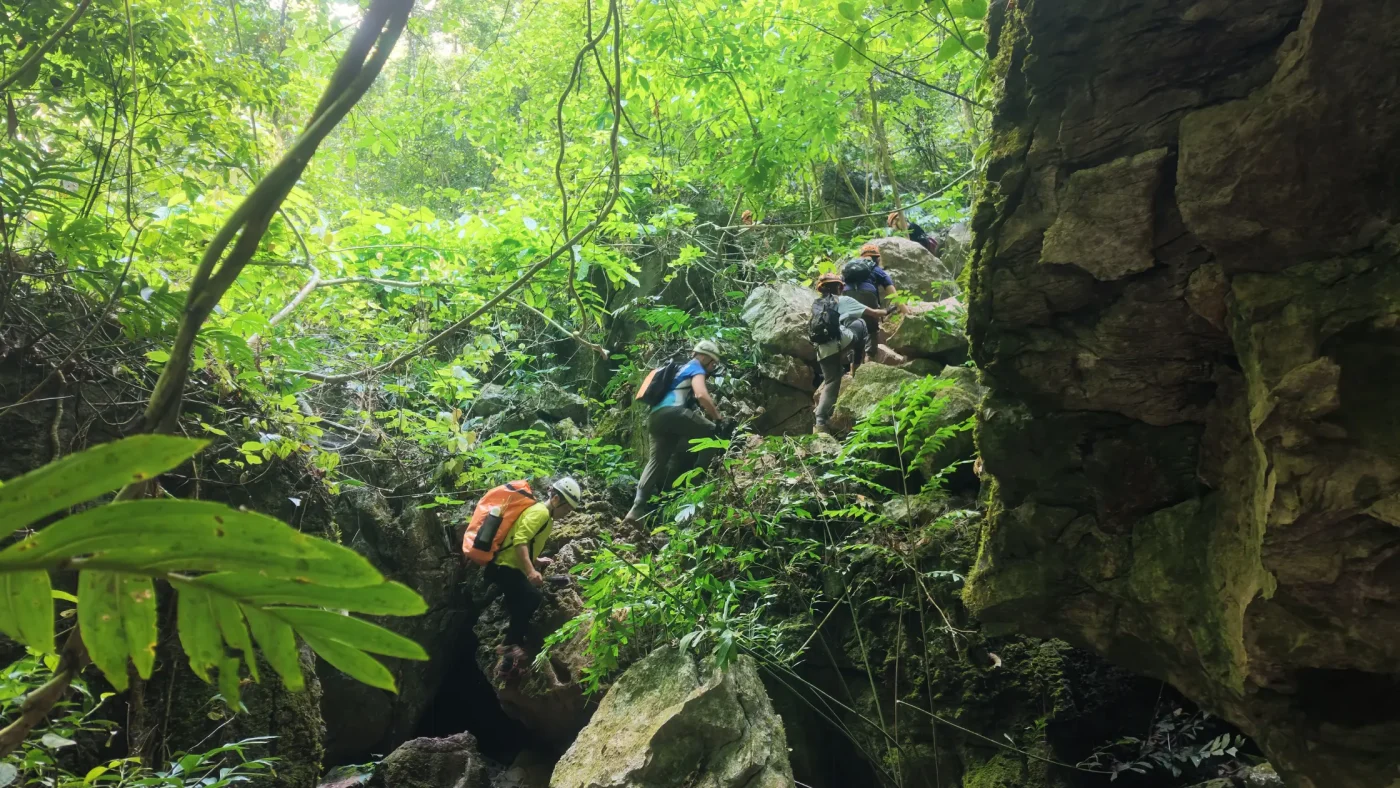
Jungle Trekking Daylight Limits: The trailheads are located deep in the national park. Groups must begin trekking by late morning/midday to ensure they can hike the 3 to 5 hours required to reach the base camp inside or near the caves before sunset (around 5:00 PM). Trekking through dense jungle or active cave passages after dark is a severe safety hazard.
National Park Ranger Checkpoints: All expedition teams must clear official ranger checkpoints at the park boundaries. Rangers do not permit groups to pass through these gates past a certain hour in the afternoon.
No Late Arrivals Accommodated: Because the safety briefing is a legal and insurance requirement, anyone who misses the morning briefing cannot join the tour. They cannot “catch up” with the group later because the trailheads are inaccessible without licensed guides and rangers.
The B2B Takeaway: When booking these high-value adventure modules (like Hang En or Tu Lan) for your clients, you should never schedule their arrival in Dong Hoi on the morning of Day 1. Even a minor flight or train delay will cause them to miss the morning briefing, resulting in a cancelled tour and 100% forfeiture of the booking fees.
The industry best practice is to book your clients’ arrival for Day 0 (the afternoon or evening before) and have them stay overnight in Dong Hoi or Phong Nha town so they are rested and ready for the morning briefing.
The Routing Reality: Integrating Phong Nha Into Multi-Day Itineraries
From an itinerary development standpoint, the Hanoi-to-Phong Nha route is the bridge between Northern Vietnam (Hanoi, Halong Bay, Ninh Binh) and the historic Central Heritage trail (Hue, Danang, Hoi An).
Because the landscape transitions rapidly from coastal plains into the steep limestone karst of the Truong Son mountain range, road transport speed limits are strictly enforced at 50-60 km/h in populated zones and 80 km/h on open highways.
When calculating driver hours and client comfort, product managers should treat this 500 km route not as a standard highway drive, but as a multi-modal transit day. Client comfort depends entirely on choosing the right vehicle class and travel style. There are four main transport options exist to bridge this gap. Below, we break down the operational pros, cons, and timelines of each option.
Option 1: Hanoi to Phong Nha by Train (The Sustainable & Scenic Choice)
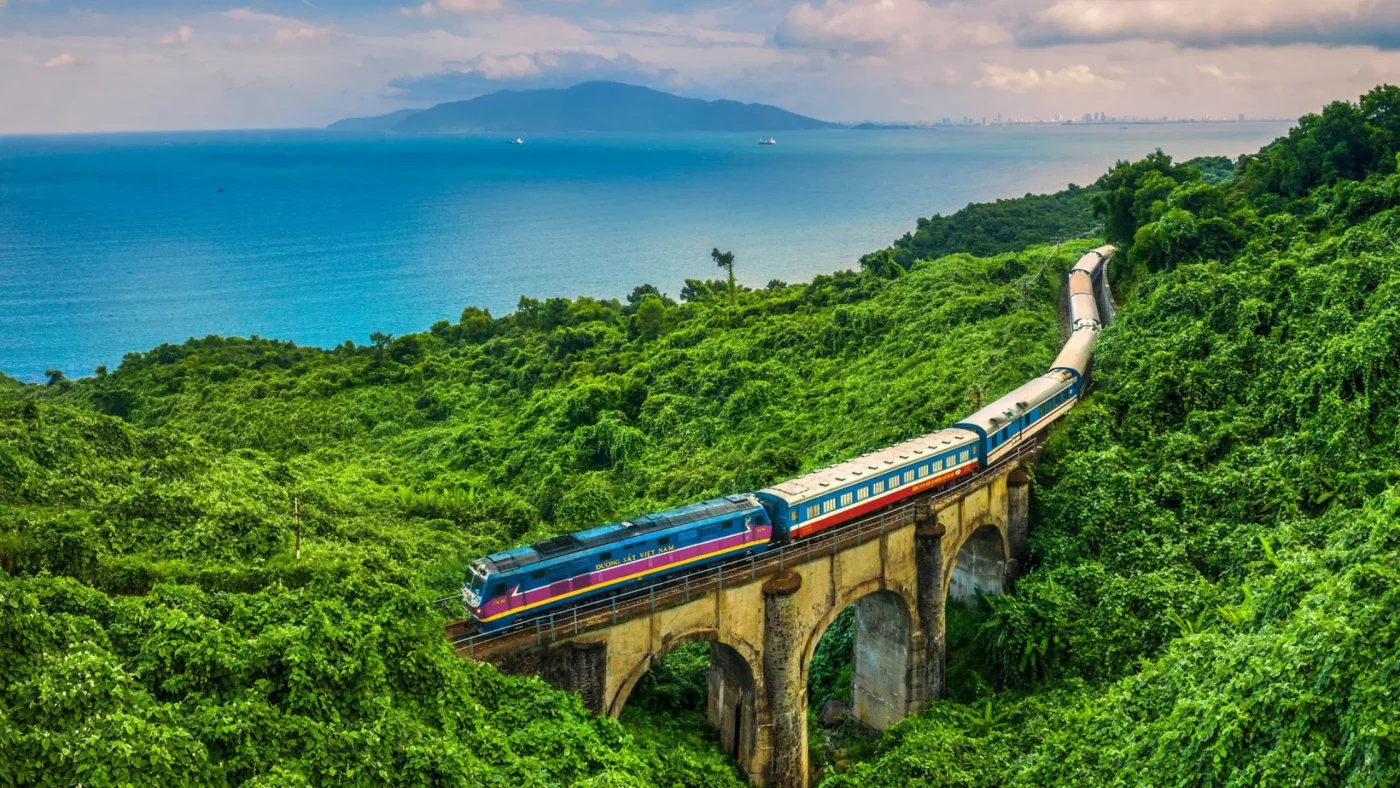
Using the railway system to transport clients traveling to Phong Nha from Hanoi is one of the most operationally sound choices a product manager can make. It seamlessly combines overnight accommodation with transit, optimizes daytime touring hours, and fits directly into modern sustainable travel initiatives.
1. B2B Strategic Advantages of the Rail Option
Carbon Footprint Reduction: For European and North American tour operators operating under strict Corporate Social Responsibility (CSR) or ESG reporting policies, choosing rail over a domestic flight dramatically reduces the per-passenger environmental impact of your itinerary.
Cost Efficiency: By utilizing overnight sleeper trains, you effectively eliminate a hotel room night from your tour costs while simultaneously handling the 500km transit.
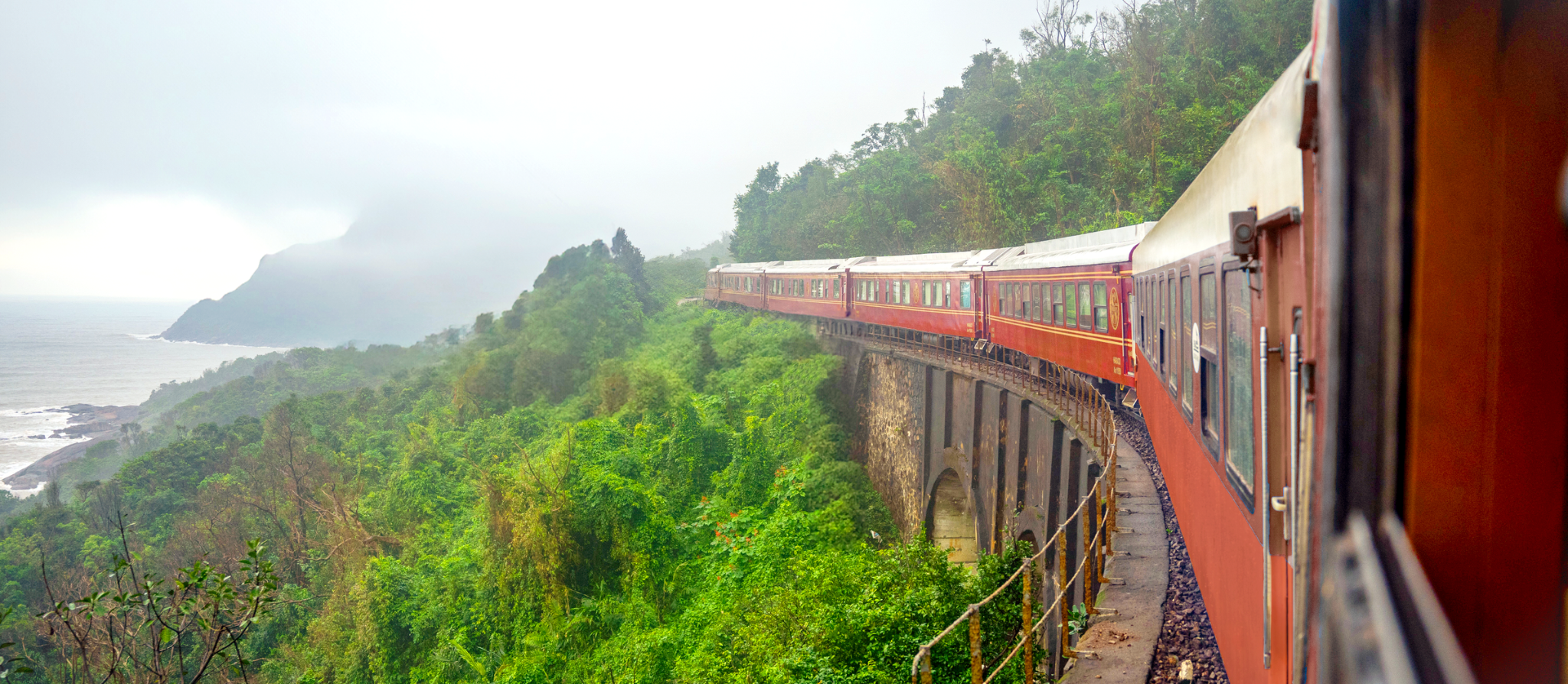
The “Slow Travel” Experiential Selling Point: For outbound tour operators, this journey acts as a highly marketable, slow-travel experiential asset. Integrating the Reunification Express into your catalog aligns perfectly with the rising global demand for authentic, low-impact journeys. Clients are consistently captivated as the train transitions at dawn from Hanoi’s outskirts into the rural villages and dramatic karst peaks of North-Central Vietnam.
2. Operational Specs: Timetables and Cabin Classifications
The most popular express trains for this route are the SE1, SE3, and SE19 services operated by Vietnam Railways. These depart from Hanoi Central Railway Station in the evening and pull into Dong Hoi station the following morning.
| Train Code | Hanoi Departure | Dong Hoi Arrival | Average Travel Duration |
| SE3 | 19:30 | 05:21 (Day +1) | 9 hours 51 minutes |
| SE19 | 20:10 | 05:59 (Day +1) | 9 hours 49 minutes |
| SE1 | 22:20 | 07:52 (Day +1) | 9 hours 32 minutes |
(Timetables are subject to seasonal changes. To protect your bookings, our operations team actively monitors these schedules and provides immediate updates to our partners on any shift in transit times).
B2B Quality Control: Choosing the Right Berth Class
- Recommended: 1st Class 4-Berth Soft Sleeper (Air-Conditioned) – For foreign leisure groups and FIT clients, you should strictly book the 4-berth cabin. These feature lockable sliding doors, clean linen, and individual reading lights.
- Not Recommended: 2nd Class 6-Berth Hard Sleeper – These cabins lack privacy, offer very thin mattresses, and have restricted headroom. They are unsuitable for Western leisure or older demographic travelers.
3. Luxury/Premium Upgrade: VIP Tourist Carriages
For luxury agencies, boutique operators, or high-end FIT bookings, standard Vietnam Railways compartments might not meet client expectations for comfort and sanitation. In this case, product managers can book privately-run VIP Tourist Carriages (such as Laman Express, Lotus Train, or Violette Express) that are coupled directly onto the official Vietnam Railways train engines.
Standard vs. VIP Tourist Carriages
| Feature / Amenity | Standard Vietnam Railways | VIP Tourist Carriages |
| Bedding & Comfort | Standard cotton sheets and pillows | High-thread-count premium linen & plush duvets |
| Onboard Restrooms | Shared communal restrooms per carriage | Upgraded, significantly cleaner restroom facilities |
| Food & Beverage | Access to the basic station/train snack trolley | Complimentary welcome drinks, premium snacks, and hot tea |
| Cabin Environment | Traditional, basic carriage decor | Wood-paneled, sound-insulated boutique cabins |
Operations Advisory: Rail Logistics Management
Critical Booking Horizon (60 Days): Vietnam Railways opens its computerized booking system exactly 60 days in advance. During peak travel seasons (March to May) and local Vietnamese holidays (such as Tet or Reunification Day), entire 4-berth compartments are bought out by domestic wholesalers within minutes.
To secure cabin allotments for your groups, we strongly advise confirming guest lists at least 65 days prior to departure so we can secure tickets the second the reservation window opens.
The Early Arrival Breakfast Strategy: Train SE3 arrives in Dong Hoi at approximately 05:20 AM. This is far too early for hotel check-ins in Phong Nha Ke Bang National Park Vietnam. To protect client comfort, Footprint DMC customizes our rail transfers by driving the clients from the station directly to a handpicked, boutique beachside resort or high-quality cafe in Dong Hoi for a sit-down breakfast, coffee, and freshen-up session before they travel onward to the national park for their day’s activities.
While the train offers a sustainable and overnight-friendly travel style, clients with limited holiday windows or high-end leisure profiles may require faster transit. In the following section, we examine the flight logistics from Hanoi to Dong Hoi Airport.
Option 2: Hanoi to Phong Nha by Flight (The Time-Optimized Route)
For luxury itineraries, time-sensitive corporate groups, or travellers with tight schedules, flying is the fastest option. It cuts transit down to a short hop, saving daytime hours for exploration.
1. Flight Infrastructure and Schedule Realities
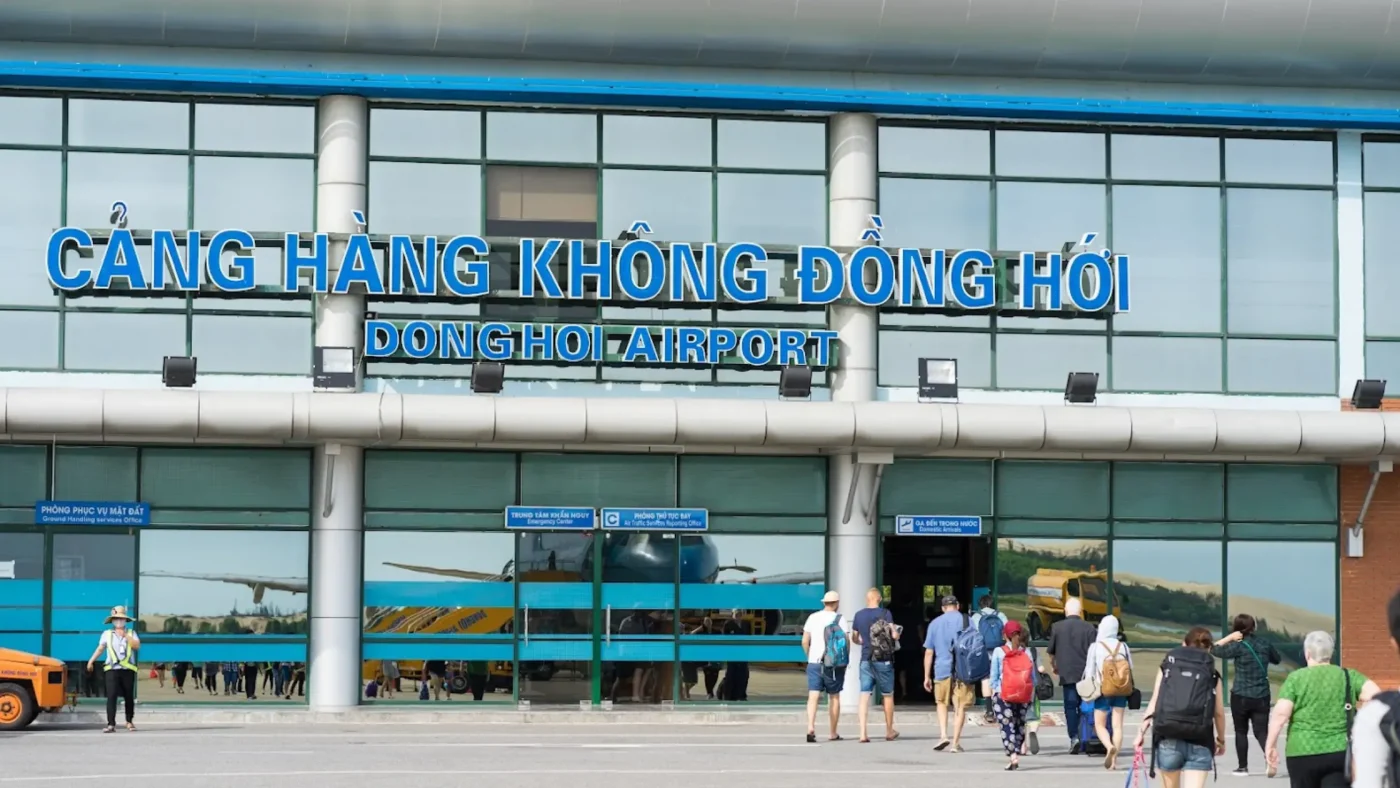
Direct flights depart from Hanoi’s Noi Bai International Airport (HAN) and land at Dong Hoi Airport (VDH).
- The Airtime: The flight takes approximately 1 hour and 5 minutes.
- Primary Operator: Vietnam Airlines is the primary carrier operating direct services on this route.
- Timing Windows: Flight departures typically cluster in the early morning (such as 05:05 AM or 08:45 AM). These timings allow clients to land in Dong Hoi early enough to start activities on the same day.
2. Operations Advisory: Flight Risk Management & Buffer Rules
Operational Warning on Winter Schedules
While flights are daily during the summer peak (May to August), carriers frequently reduce frequencies or adjust arrival slots during the low season (September to February). Last-minute scheduling shifts are common.
The Same-Day Tour Vulnerability
Never book a morning flight landing at 09:50 AM with the intention of joining a multi-day expedition starting the same morning. If your domestic flight suffers even a 30-minute delay, your clients will miss the safety briefing and be legally barred from trail entry by National Park rangers.
The Logistics “Last-Mile” Black Hole
Dong Hoi is a small regional airport. Unlike Hanoi or Ho Chi Minh City, there is no reliable ride-sharing network (such as Grab) operating at Dong Hoi Airport. Standard street taxis waiting at the terminal are infamous for overcharging or refusing the 45km trip to Phong Nha.
To protect your agency’s reputation, Footprint DMC strongly advises pre-booking private airport transfers. We track incoming flight numbers in real-time. Our professional drivers wait at the terminal arrival gate with clear signage, guiding clients directly to their private air-conditioned vehicle.
While air travel offers speed, it limits opportunities to take in the landscape and presents challenges for shipping large, oversized equipment. Operators moving substantial group gear or seeking scenic variety should look to overland road networks. Below, we evaluate these road transport alternatives, beginning with local sleeper buses.
Option 3: Hanoi to Phong Nha by Sleeper Bus (The Direct Budget Option)
Sleeper buses run daily along the national highway network. They offer a direct, highly visible link between Hanoi’s Old Quarter and the central tourist strip of Phong Nha town. For specific market segments, this option is highly appealing. However, from a B2B operator standpoint, this convenience carries distinct client-satisfaction liabilities.
The Operational Appeal: Zero Transfers
The main benefit of the overnight sleeper bus is its simplicity. It bypasses the Dong Hoi transit hub entirely. Your clients board in Hanoi’s central districts around 21:00, sleep through the journey, and disembark directly inside Phong Nha town at approximately 06:00 the following morning. There are no secondary flight gates or morning station pickups to coordinate. This eliminates the minor last-mile transfers that complicate independent trips.
The Liability Profile: Why We Avoid Mass-Market Sleeper Buses
Despite the direct routing, commercial operators should exercise caution before putting their brand name on a standard sleeper bus booking.
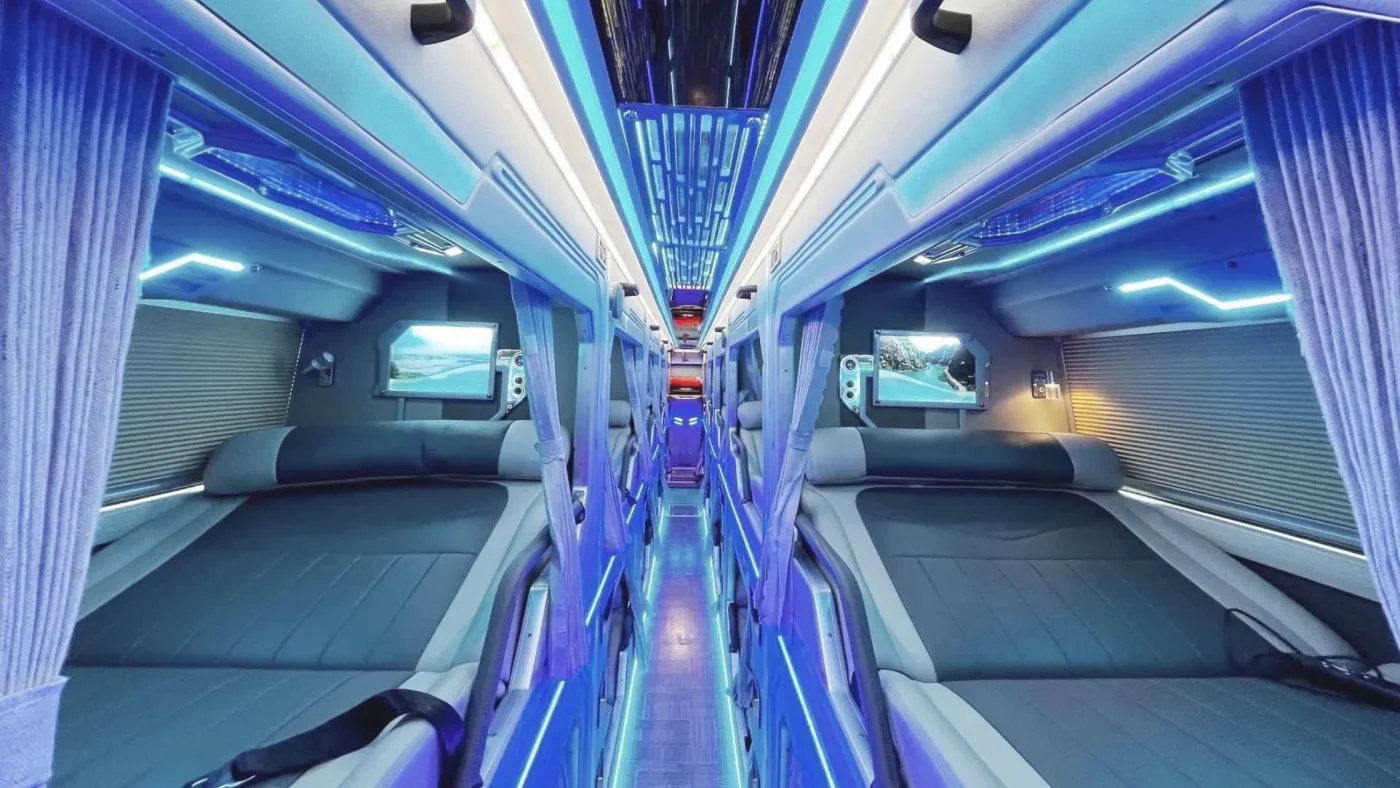
Physical Constraints: The reclining bunk cabins on standard Vietnamese sleeper buses are tightly configured. Since they are ergonomically designed for local height averages, Western travelers or active FIT clients exceeding 1.8 meters (approx. 5’11”) in height will struggle to extend their legs comfortably.
Sanitation Variables: Very few scheduled commercial buses on this route feature reliable, functioning chemical toilets. Instead, they depend on brief roadside rest stops of varying cleanliness.
Arrival Fatigue: Overnight highway noise and sudden lane shifts can disrupt sleep. Clients frequently arrive in Phong Nha feeling exhausted. This is a major liability if they are scheduled to start a multi-day cave expedition immediately after arrival.
Luggage Vulnerabilities: Storage bays under the bus are often shared with heavy commercial freight. Oversized dry bags or expensive personal trekking equipment are at risk of being crushed or soiled during transit.
Our Recommendation: Target the Right Profile
We recommend booking scheduled sleeper buses strictly for independent budget travelers (backpackers) or active, youth-centric accounts who specifically request it.
To maintain low complaint ratios on standard leisure tours and corporate group packages, we advise avoiding these commercial open buses. The minor savings on transport costs do not justify the high risk of negative reviews. If your clients prefer a direct road journey, a private, customized overland vehicle is a far safer and more professional choice.
Option 4: Private Car & Tailored Overland Transfers (Best for Groups & B2B Planners)
For outbound tour operators, chartering private transport is the gold standard for route management. It is the only transport method that gives you absolute control over safety standards, vehicle sanitation, and route pacing. More importantly, it transforms a 500km transit day from a dead administrative expense into a high-value, customizable touring asset.
Converting Transit Into an Experiential Upsell
A private charter allows you to break up the long overland journey into a multi-day, curated travel narrative. Instead of rushing past North-Central Vietnam’s cultural highlights, your clients can stop to experience them firsthand.
The Ninh Binh Stopover: Break the drive just 100km south of Hanoi. This allows your groups to stop for a traditional sampan boat ride through the UNESCO-listed Trang An karst landscape or hike the Peak of Mua Cave before continuing south.
The Historic DMZ Exploration: As the road enters Quang Tri Province, private transport allows your clients to pull off the main highway to visit the Vinh Moc Tunnels and cross the historic Hien Luong Bridge (17th Parallel). This historical immersion adds incredible depth to any educational or cultural itinerary.
Fleet Quality Control: Footprint DMC Safety and Transport Standards
When you partner with Footprint DMC to manage your overland logistics, you protect your brand from the liabilities associated with unvetted local drivers and poorly maintained transport fleets.
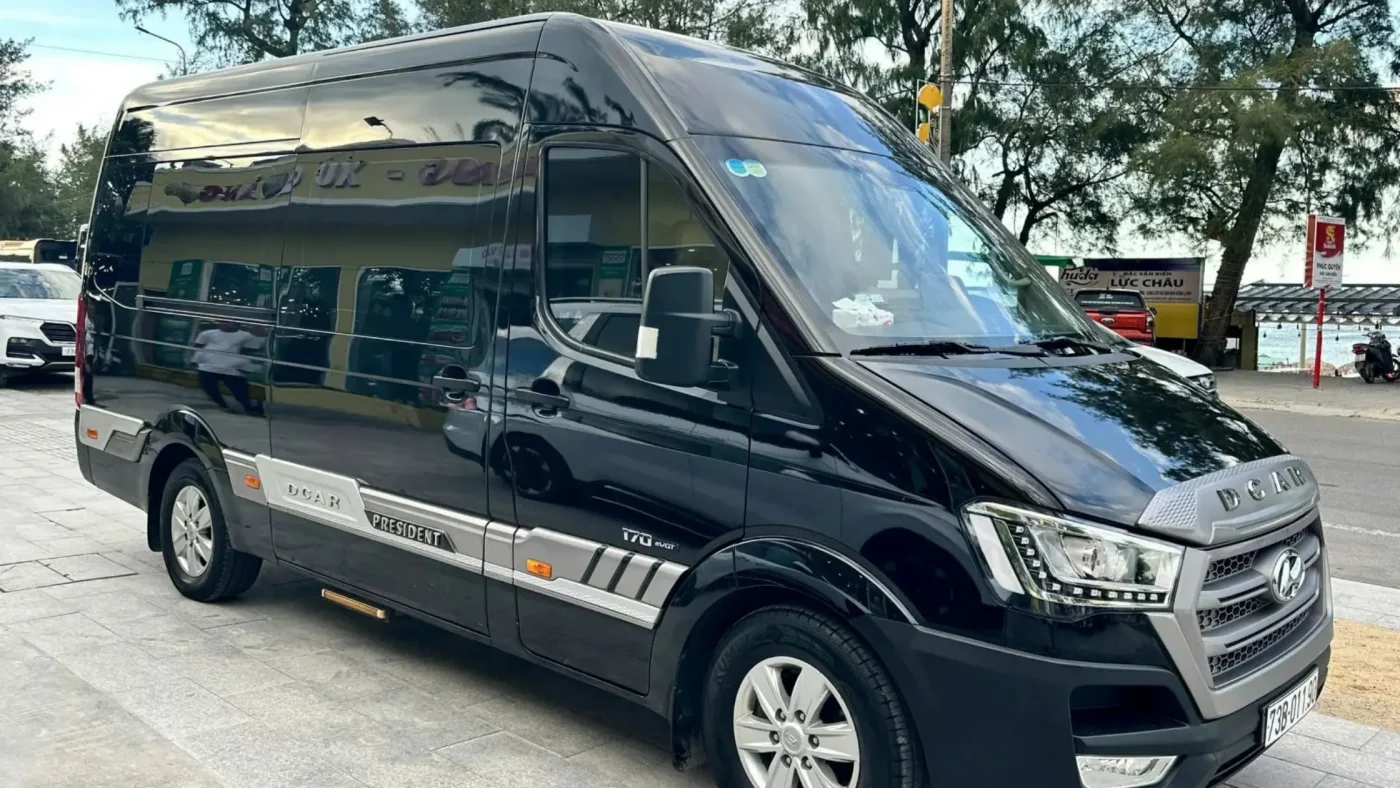
- Class-Vetted Vehicles: We deploy vehicles matched exactly to your group dynamics. We utilize highly maneuverable 16-seater Mercedes Sprinters or Ford Transits for small FIT groups, luxury 9-seater DCar Limousines for VIP bookings, and 29-seater Hyundai County or 45-seater Universe coaches for larger incentive and leisure groups.
- Tourism-Certified, Route-Specialist Drivers: Passenger safety and strict route compliance remain our absolute priorities. Our drivers are specifically selected for their extensive experience navigating regional mountain corridors. They work in seamless coordination with your group’s tour guide or our 24/7 bilingual operational team to ensure smooth, stress-free logistics on the road.
- Safety Protocols: Every vehicle in our network is equipped with fully functional 3-point seatbelts, active GPS tracking, comprehensive passenger insurance, and onboard first-aid kits.
Private overland transfers are ultimately a strategic business tool. They eliminate the rigid constraints of train and flight timetables, offer unlimited luggage flexibility for heavy adventure equipment, and shield your clients from transit exhaustion. By customizing the journey with scenic stopovers, you protect your margins while giving your travelers a seamless, high-touch introduction to Central Vietnam.
Why Partner with Footprint Travel DMC for Your Central Vietnam Routes?
Developing and running seamless itineraries along Central Vietnam’s karst corridors requires on-the-ground operational precision, not just transactional ticket booking. Outbound tour operators and travel agents partner with Footprint Travel to eliminate logistical risks and protect their brand reputation for four core reasons:
Strict Safety & Risk Management Compliance: We enforce strict vehicle maintenance checklists, deploy class-vetted transport equipped with functional safety constraints, and work with licensed specialists to ensure your groups meet international liability and safety standards.
Proactive Ground Handling & Alternative Routing: Weather changes rapidly in Central Vietnam. With on-the-ground offices and a 24/7 bilingual operational team, we actively monitor regional transit networks and national park alerts to instantly pivot your client itineraries, swapping vulnerable water cave routes for accessible terrestrial alternatives without disrupting your master schedule.
A Pioneering Commitment to ESG & Sustainable Travel: As a verified sustainable local operator, we actively design low-impact transit routes, prioritize high-quality rail integrations, and work exclusively with conservation-oriented local guides and community hosts. Partnering with us directly improves your tour’s ESG ratings and environmental metrics.
Exclusive Partner Tariffs & Permit Allotments: We maintain direct wholesale contracts with Phong Nha’s exclusive cave expedition operators, local boutique eco-lodges, and regional coastal transit lines. This ensures secure booking allotments for your active groups even during peak seasons, all supported by highly competitive B2B rates.
Contact the Footprint team to request our wholesale tariff sheets, vehicle specifications, or to start co-designing a customized, high-yield regional adventure itinerary with our destination planners.

Hien Pham is the Operations Manager at Footprint Travel, where she has been part of the team since the company’s early days. With more than 20 years of hands-on experience in tour operations across Vietnam, she has developed extensive expertise in itinerary planning, supplier coordination, and managing complex travel programs for international partners.
Through her work overseeing daily tour operations, Hien has gained deep practical insight into the logistical and safety considerations involved in delivering well-organized travel experiences throughout the country.