







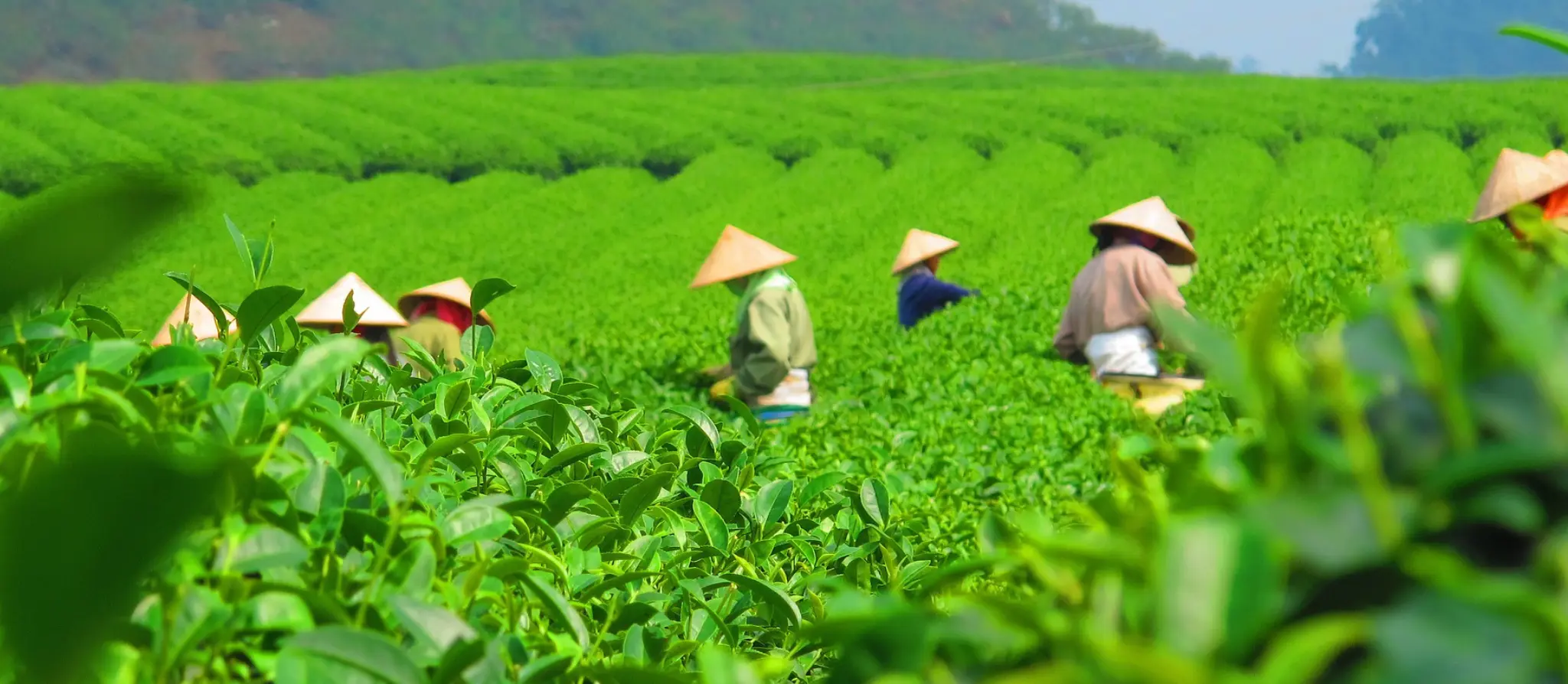
Thai Nguyen Tea Plantation: 8 Things to See and Do
In the highly competitive landscape of Southeast Asian travel, partners like you, boutique tour operators, and travel agents, are constantly searching for that perfect balance: a destination that feels untouched and authentic, yet remains logistically simple to execute. While Sapa’s rice terraces and Ha Long Bay’s limestone karsts are the traditional “must-sees,” many modern travelers, particularly the high-end and experiential segments, are now looking for “hidden gems” that are close to Hanoi but offer a profound sense of cultural immersion.
The Thai Nguyen Tea Plantation is the definitive answer to this demand. Located just 80 kilometers (roughly a 2-hour comfortable drive) from the capital, it serves as the green heart of Vietnam’s tea culture. To help you build a compelling narrative and a flawless itinerary for your clients, here are 8 essential things for them to see and do.
1. Explore the “Champagne of Tea” in Tan Cuong
The most highly-prized and prestigious area within the broader Thai Nguyen Tea Plantation is Tan Cuong. To help your clients understand why this location is so special, we often describe it as the “Bordeaux of Tea.” Just as certain valleys in France have the perfect combination of soil, drainage, and sunlight for grapes, Tan Cuong possesses a unique “terroir”, a specific micro-climate characterized by fertile, slightly acidic soil and a morning mist that rolls off the surrounding mountains to blanket the tea bushes.
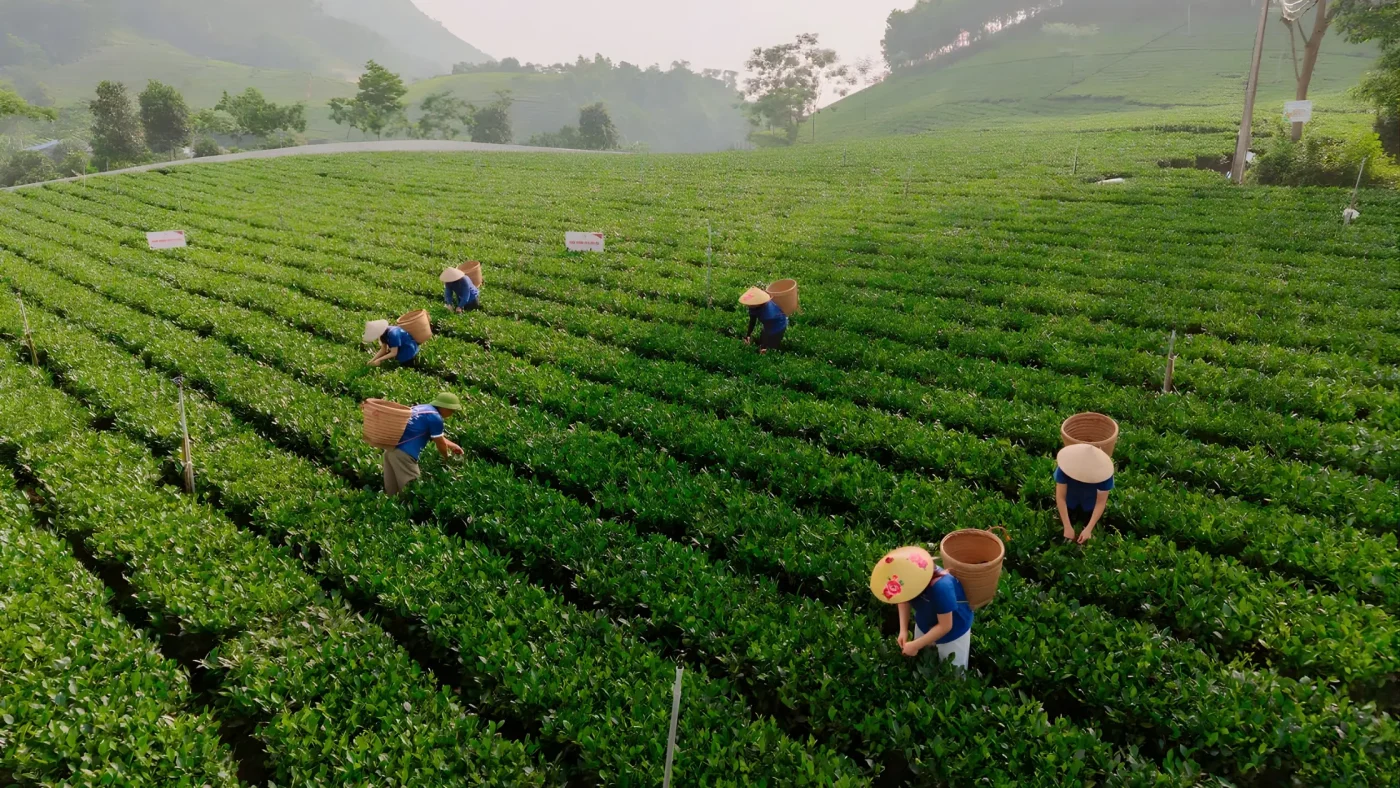
This environment produces leaves that are famous throughout Southeast Asia for their deep aroma and a specific “sweet aftertaste” (known locally as hau ngot) that lingers on the palate long after the first sip. Unlike the massive, industrial-scale tea farms found in other parts of the world, Tan Cuong is comprised of small, family-run plots that have been meticulously tended for generations.
The tea bushes here are carefully kept short and are trimmed by hand throughout the year. This traditional maintenance technique is essential because it prevents the plant from growing into a tall tree, instead forcing it to concentrate all of its nutrients and natural energy into the tiny, young buds at the very tip of the branch.
B2B Sales Tip: Market this to your “Foodie” or “Luxury” clients as an exclusive culinary pilgrimage. Highlight the fact that they are visiting the source of the most expensive and sought-after green tea in Vietnam, a product that is rarely exported in its purest form. For your clients who are passionate about high-end food and drink, this represents a world-class culinary experience that is truly unique to the local soil—a flavor profile they simply cannot find anywhere else in the world.
2. Join the “One Bud, Two Leaves” Harvest
Modern travelers are increasingly shifting away from passive sightseeing; they want to move beyond the camera lens and participate in the local way of life. They seek stories they can inhabit rather than just scenery they can observe. At the Thai Nguyen Tea Plantation, we facilitate a hands-on experience that is both educational and highly photogenic, bridging the gap between tourist and local artisan. Your guests are invited to fully immerse themselves in the rural aesthetic by donning traditional conical hats and woven bamboo baskets before stepping into the waist-high emerald waves of the tea fields.
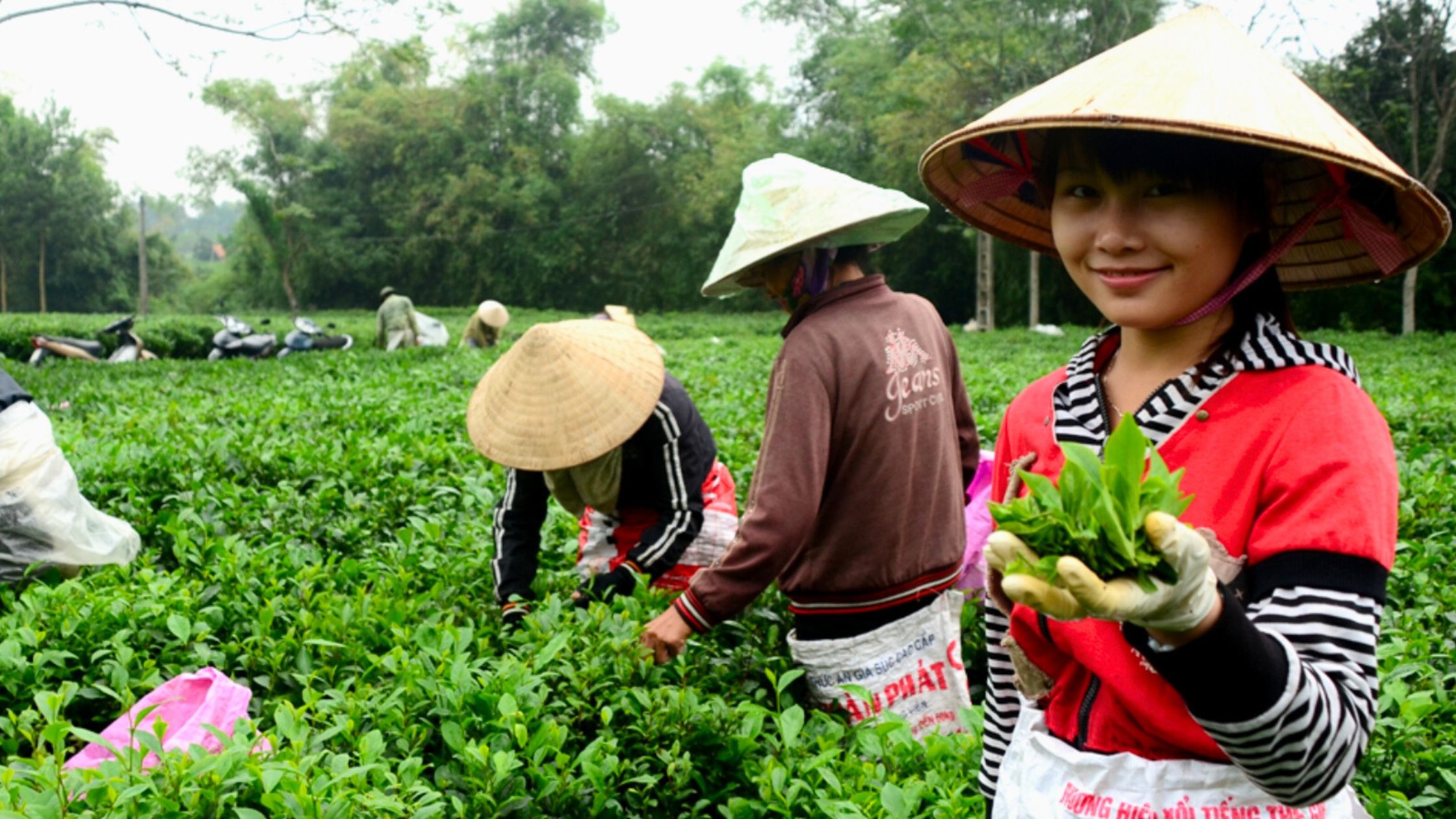
Under the patient, expert guidance of local farmers, guests will learn the artisanal “one bud, two leaves” harvesting technique. This is far more than simple manual labor; it is a vital lesson in quality control and agricultural heritage. The farmers show guests how to identify the “golden standard”, the youngest, most tender shoots that hold the highest concentration of aromatic oils, flavor, and health-boosting antioxidants.
This tactile experience helps travelers understand why Thai Nguyen tea is so prized. It takes thousands of these hand-picked buds just to produce a single kilogram of premium tea. Guests learn to appreciate the speed and precision of the local workers, gaining a newfound respect for the craft that goes into every cup.
Sales Insight: This activity is a “photographer’s dream” and a powerful tool for modern digital marketing. The contrast of the vibrant green tea hills against the traditional attire of the harvesters provides the kind of “authentic Vietnam” imagery that travelers love to share on social media. By offering this, you provide your clients with the visual proof of an “off-the-beaten-path” adventure, which in turn provides organic, high-impact marketing for your specific tour brands.
3. Experience an Artisanal Tea-Making Workshop
The “Farm-to-Cup” journey is a deep sensory experience that grounds the traveler in the tangible reality of Vietnamese rural life. In the modest, heat-filled roasting houses of local families, guests move beyond observation to participate directly in the transformation of a raw, bitter leaf into a sophisticated, aromatic finished product. This workshop is a meticulously timed sequence of events, where guests work alongside the artisans through several critical stages:
- Wilting: Guests observe and assist as freshly picked leaves are spread across large bamboo mats. They learn to feel the change in texture as the leaves lose their moisture, transitioning from crisp to soft and pliable. It is during this crucial resting period that the primary, grassy fragrance of the tea begins to intensify and fill the room.
- Rolling: This is the most physical and rhythmic part of the artisanal process. Guests help “bruise” the leaves—traditionally done by hand using a circular, kneading motion or with the help of vintage mechanical rollers. This physical manipulation is essential to break the cell walls and release the hidden essential oils. This step is the true “shaping” phase, where the tea develops its characteristic curled appearance and its ultimate flavor intensity is decided.
- Roasting (The Firing): The workshop reaches its climax at the large, rotating roasting pans heated by wood fires or gas. Under the artisan’s watchful eye, guests help manage the leaves as the heat “locks in” the flavor and prevents further oxidation. The air quickly becomes thick with a complex, toasted, nutty, and floral aroma—a heady scent that many travelers describe as the “soul of Thai Nguyen.”
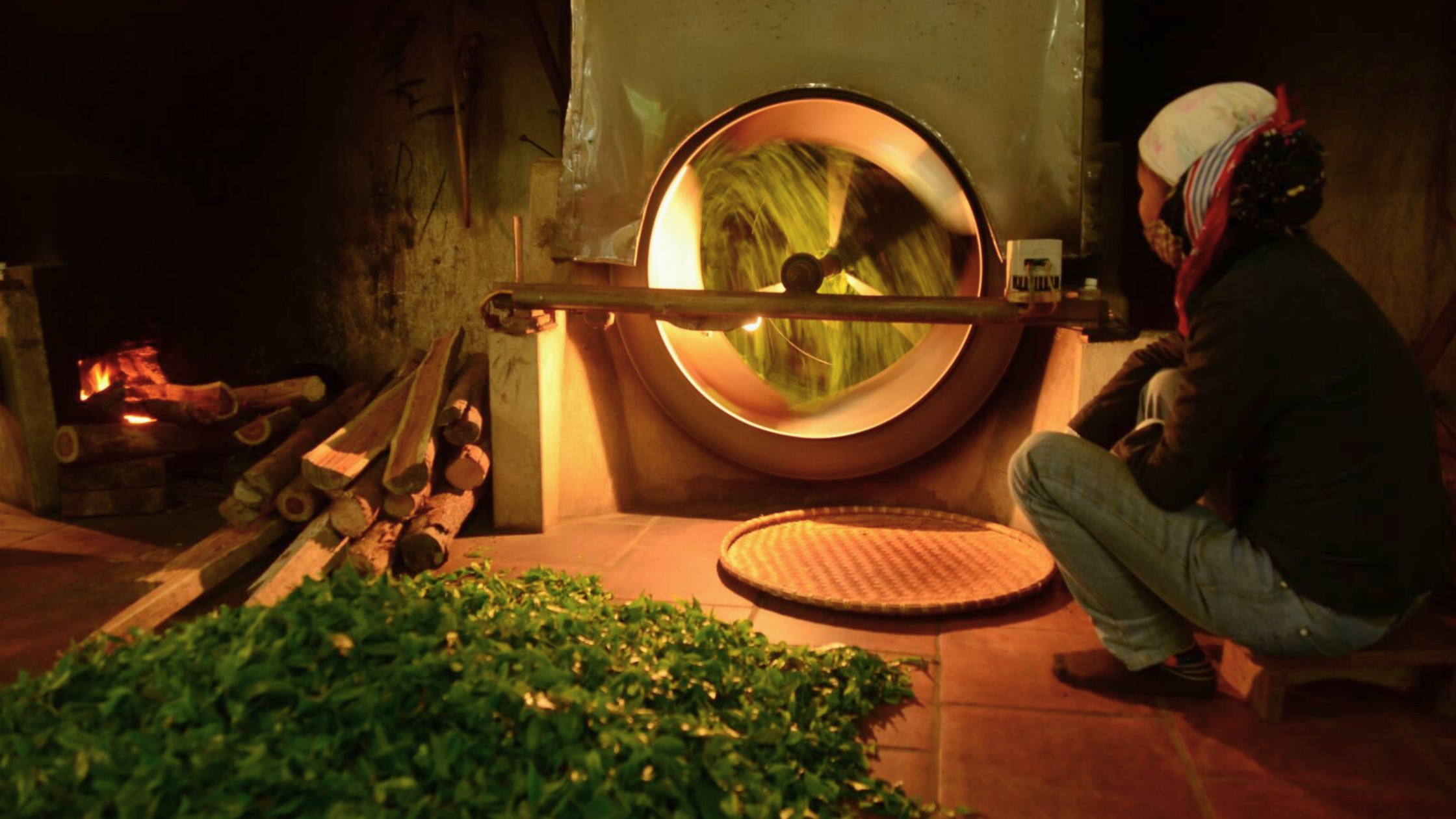
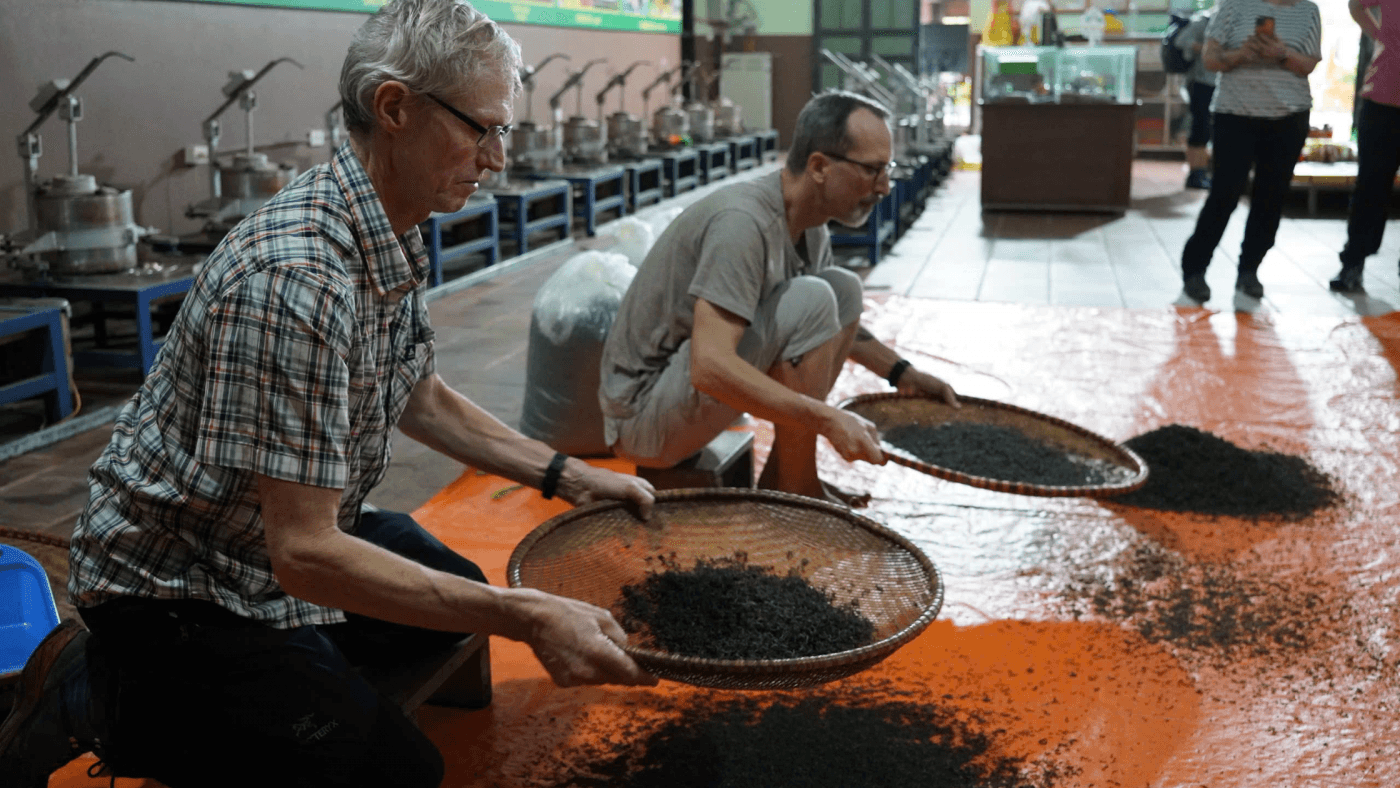
The deep sense of pride a guest feels when drinking a cup of tea they personally helped process from scratch is a powerful emotional hook.
It creates a narrative of accomplishment that makes this destination stand out far more vividly than any standard city tour or museum visit could ever achieve.
4. Master the Art of Vietnamese Tea Etiquette
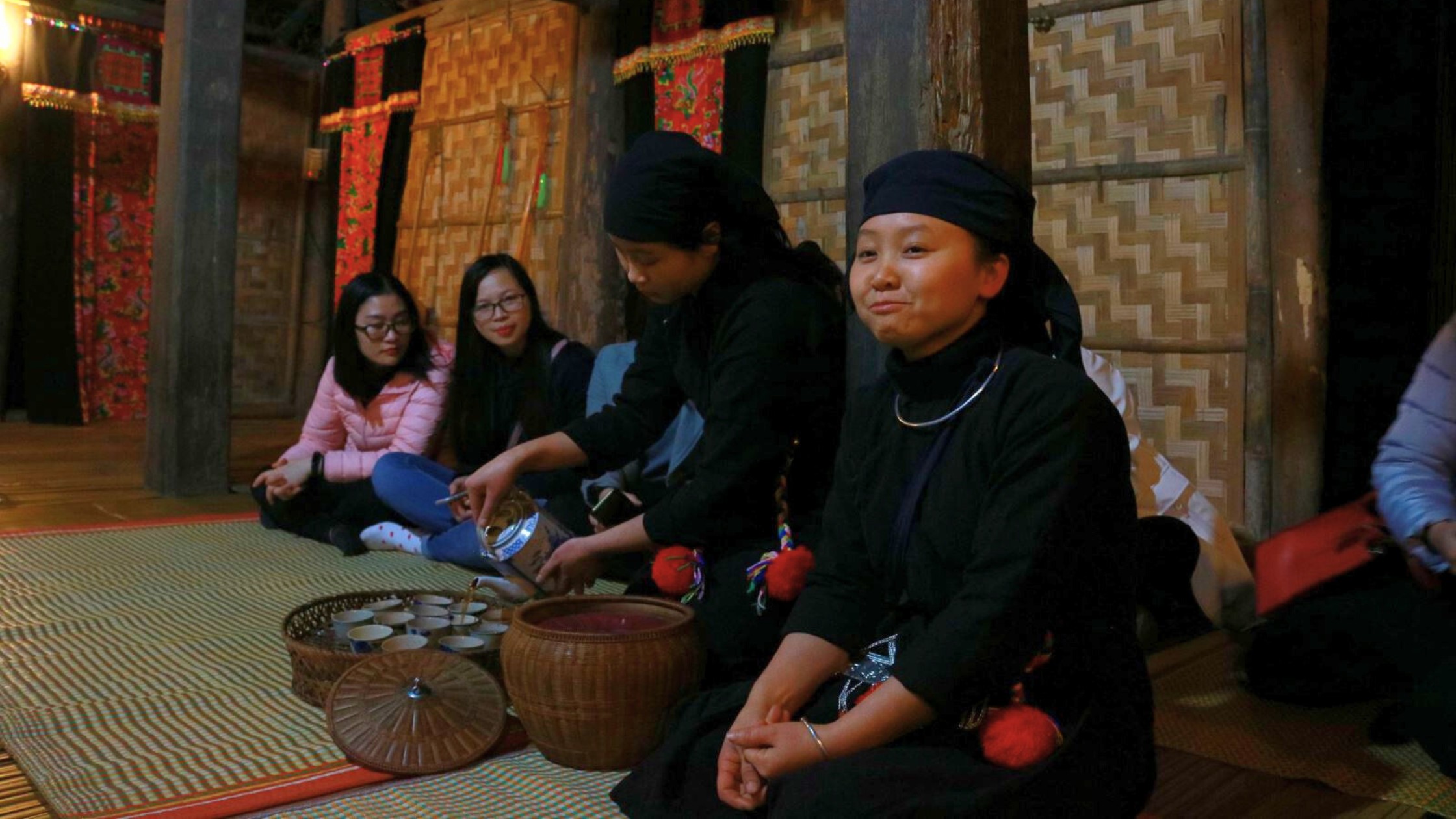
If coffee is the fuel of the Vietnamese city, tea is the social glue of the Vietnamese countryside. By visiting a private home within the Thai Nguyen Tea Plantation, your clients receive a “Culture 101” lesson that is vital for their entire journey through the country. In Vietnam, tea is the first thing offered to a guest; it is a gesture of peace, hospitality, and respect.
We guide your clients through the nuances of the tea table:
- The Pouring Ritual: Understanding the hierarchy of service, where the host always honors the eldest or the “guest of honor” first.
- Body Language: The importance of using two hands to receive and hold a small tea cup—a simple sign of respect that goes a long way in local eyes.
- The Art of Conversation: Learning that in Vietnam, the best business and the deepest friendships are formed over a slow-brewed pot of Tan Cuong tea.
Why this matters for your tours: These cultural insights help travelers feel like “honored guests” rather than “tourists.” It builds their confidence in interacting with locals throughout the rest of their itinerary.
5. Visit the Tan Cuong Tea Cultural Space
For travelers who enjoy a more structured educational experience, the Tan Cuong Tea Cultural Space is an essential stop. This modern, architecturally impressive museum serves as the intellectual hub of the Thai Nguyen Tea Plantation. It is famous for housing a massive, record-breaking teapot at its entrance, but its true value lies inside.
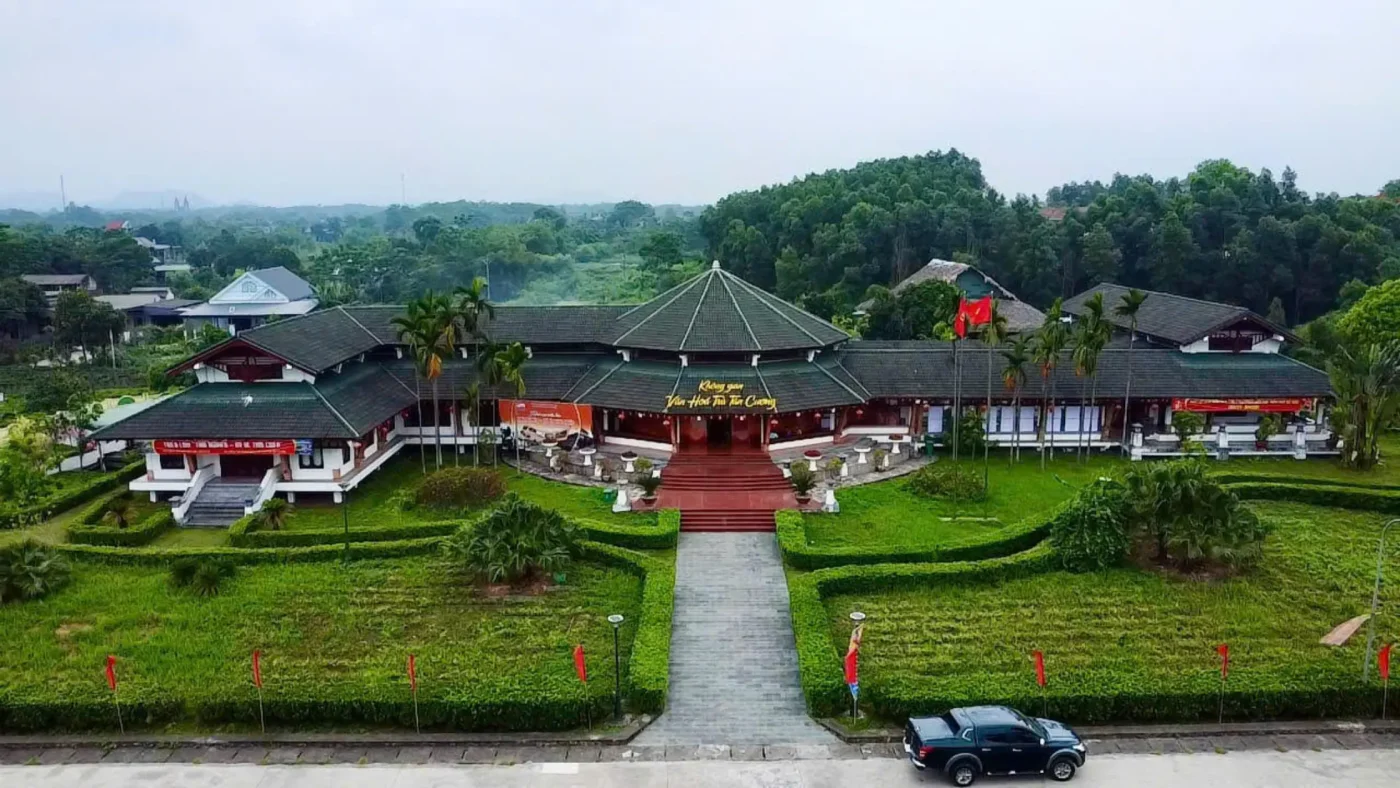
The museum features a curated collection of artifacts, including ancient tea-processing tools, traditional costumes of the various ethnic groups who live in the region, and detailed exhibits on the history of tea in Vietnam. It provides the necessary context to understand how tea shaped the economy and social fabric of Northern Vietnam.
Operational Note: This is an excellent “Plan B” location if the weather turns rainy. It is fully covered and provides enough content to keep guests engaged for 45 to 60 minutes while waiting for a break in the weather.
6. Cycle Through the Emerald Hills
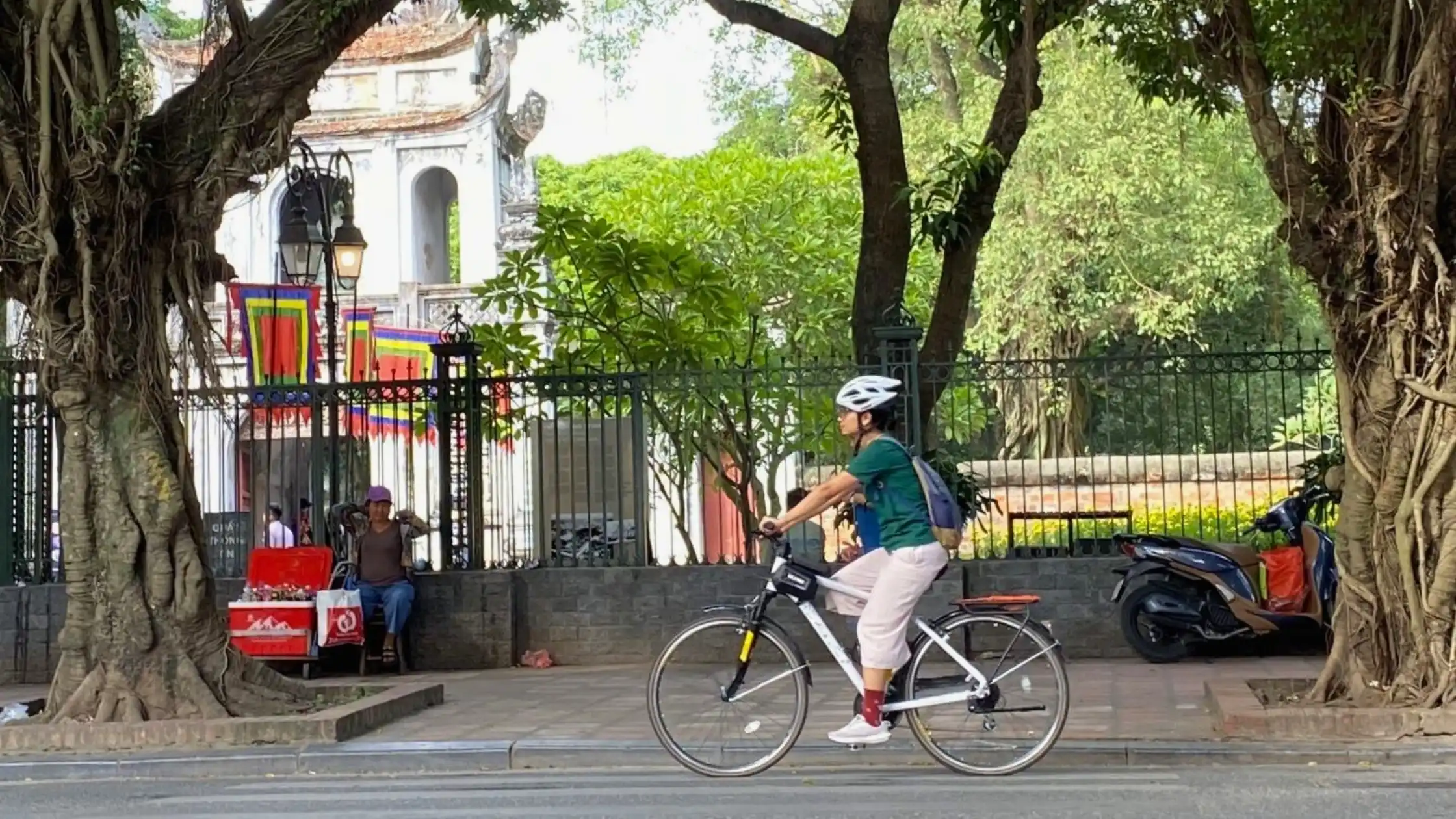
For your “Soft Adventure” or “Active Travel” portfolios, the landscape surrounding the Thai Nguyen Tea Plantation is an absolute goldmine. While many parts of Northern Vietnam are defined by jagged peaks and grueling inclines, the geography here is characterized by gentle, rolling hills that resemble a sea of green waves. This terrain is perfect for travelers who want to be active but aren’t looking for a high-intensity mountain climb.
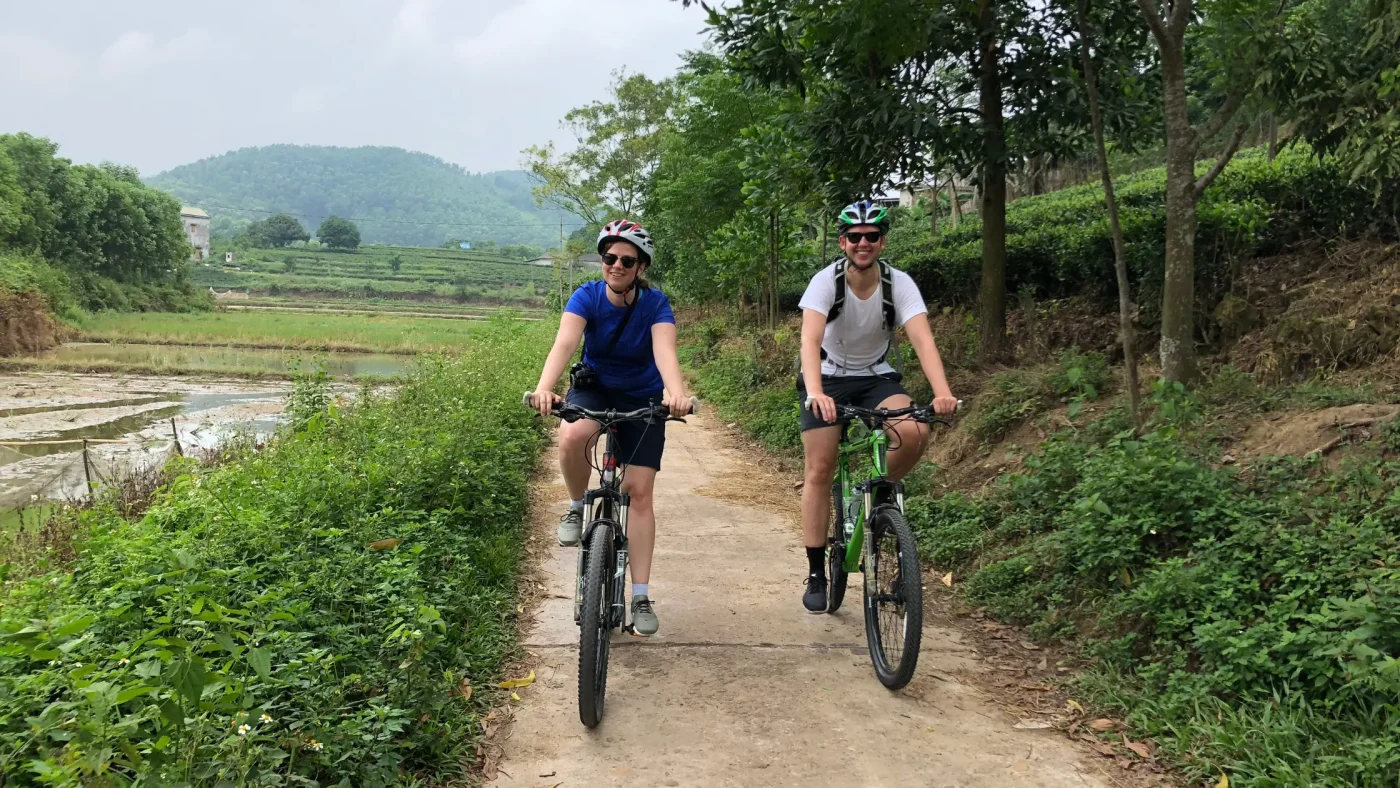
The cycling routes we have carefully mapped out wind gracefully through the heart of the tea estates and the narrow paths of quiet, traditional villages. It is an experience of slow travel at its best.
- Safety First: We prioritize routes with very little heavy traffic. These paved and dirt paths are used mostly by local motorbikes and buffalo carts, creating a safe, low-stress environment for travelers of all skill levels.
- Accessibility: Because the roads are mostly flat or only gently rolling, this is a highly inclusive activity. It is easily accessible for families traveling with young children, as well as senior travelers who wish to remain physically active without the risk of overexertion. We provide high-quality bikes suited for this specific terrain to ensure maximum comfort.
- Connection: Cycling provides a level of intimacy that a bus tour simply cannot match. It allows guests to move at their own pace and stop at a moment’s notice, whether to chat with a roadside vendor selling fresh fruit, watch a water buffalo cool off in a nearby pond, or simply take in the panoramic views of the “emerald waves.” These small, spontaneous human interactions often become the most cherished memories of a trip, and cycling is the key to unlocking them.
7. Take a Sunset Boat Ride on Coc Mountain Lake
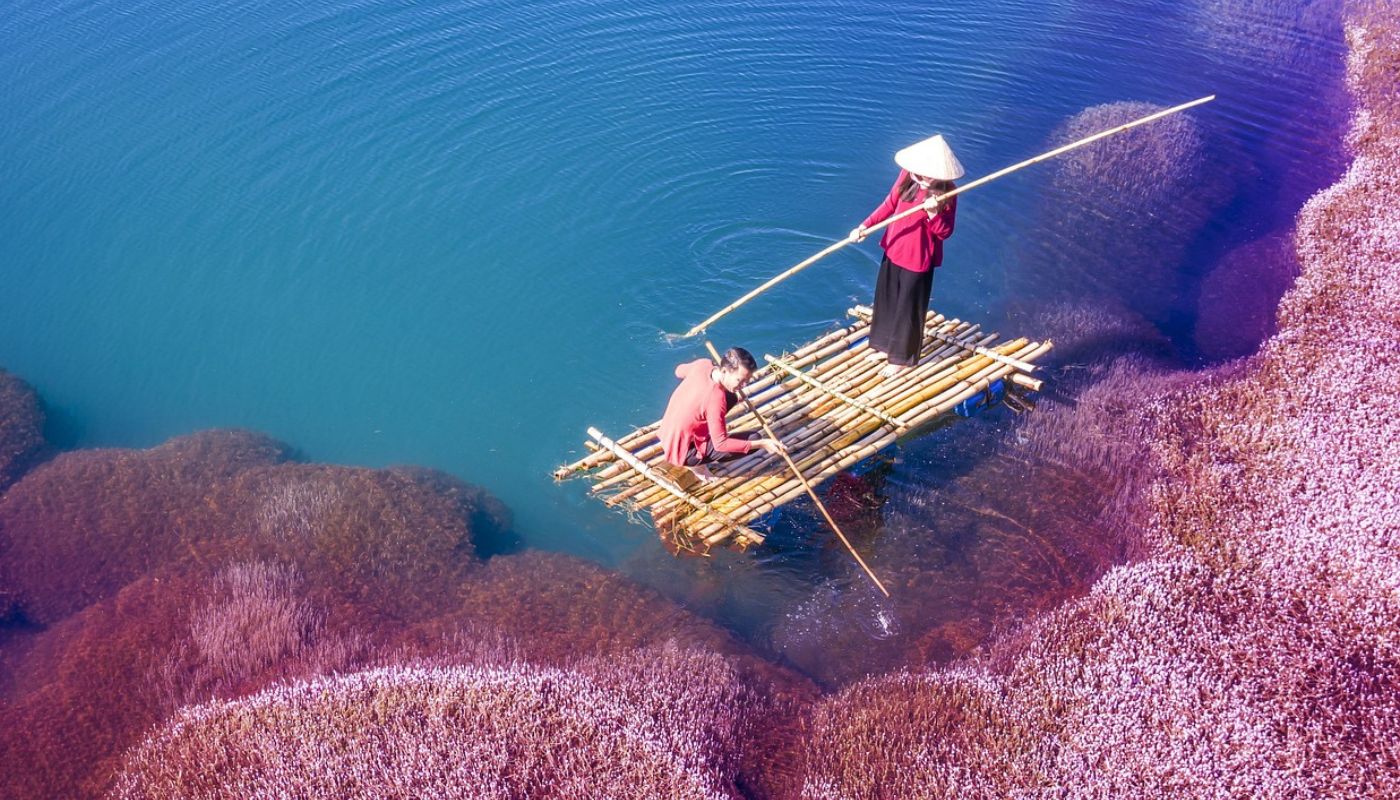
Often overlooked by day-trippers in a hurry, Coc Mountain Lake (Nui Coc) is located right on the edge of the Thai Nguyen Tea Plantation. After a morning spent walking or cycling through the sun-drenched fields, the lake offers a cooling, tranquil contrast that resets the senses. This vast body of water, dotted with small, lush islets, acts as a natural mirror for the surrounding landscape.
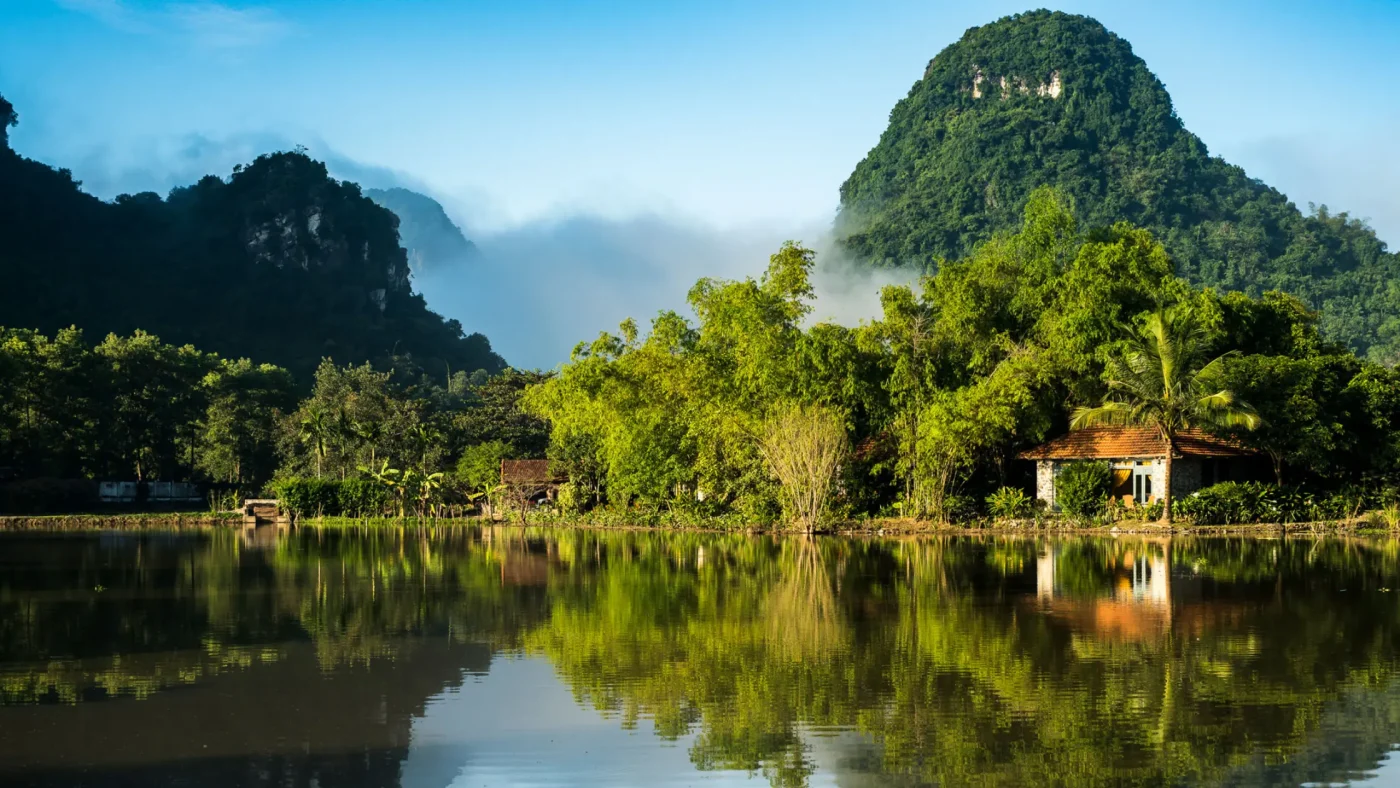
We recommend a private boat excursion in the late afternoon, specifically timed for that “golden hour” when the light begins to soften. As the sun begins its descent, the water reflects the deep emerald greens of the surrounding tea hills and the distant, jagged blue peaks of the Tam Dao mountain range. It is a moment of pure serenity that allows guests to fully decompress, away from the hum of road traffic, and reflect on the cultural experiences of their day. The gentle lapping of the water against the boat and the distant calls of lake birds create a peaceful soundtrack for this scenic finale.
Sales Angle: This is a perfect “romantic” addition for couples or honeymooners looking for an intimate escape. To elevate the experience, you can arrange for a private, guided tea tasting on board or a local snack hamper filled with regional specialties like “cốm” (green sticky rice) to be enjoyed as the sun dips below the horizon. It turns a standard sightseeing stop into a premium, memorable event.
8. Meet the Local “Tea Artisans” and Support the Community
The most enduring memory of any trip is almost always the human connection. Meeting the “Tea Artisans”—the family patriarchs and matriarchs who have spent 50 or 60 years perfecting their craft—is a humbling and inspiring experience.
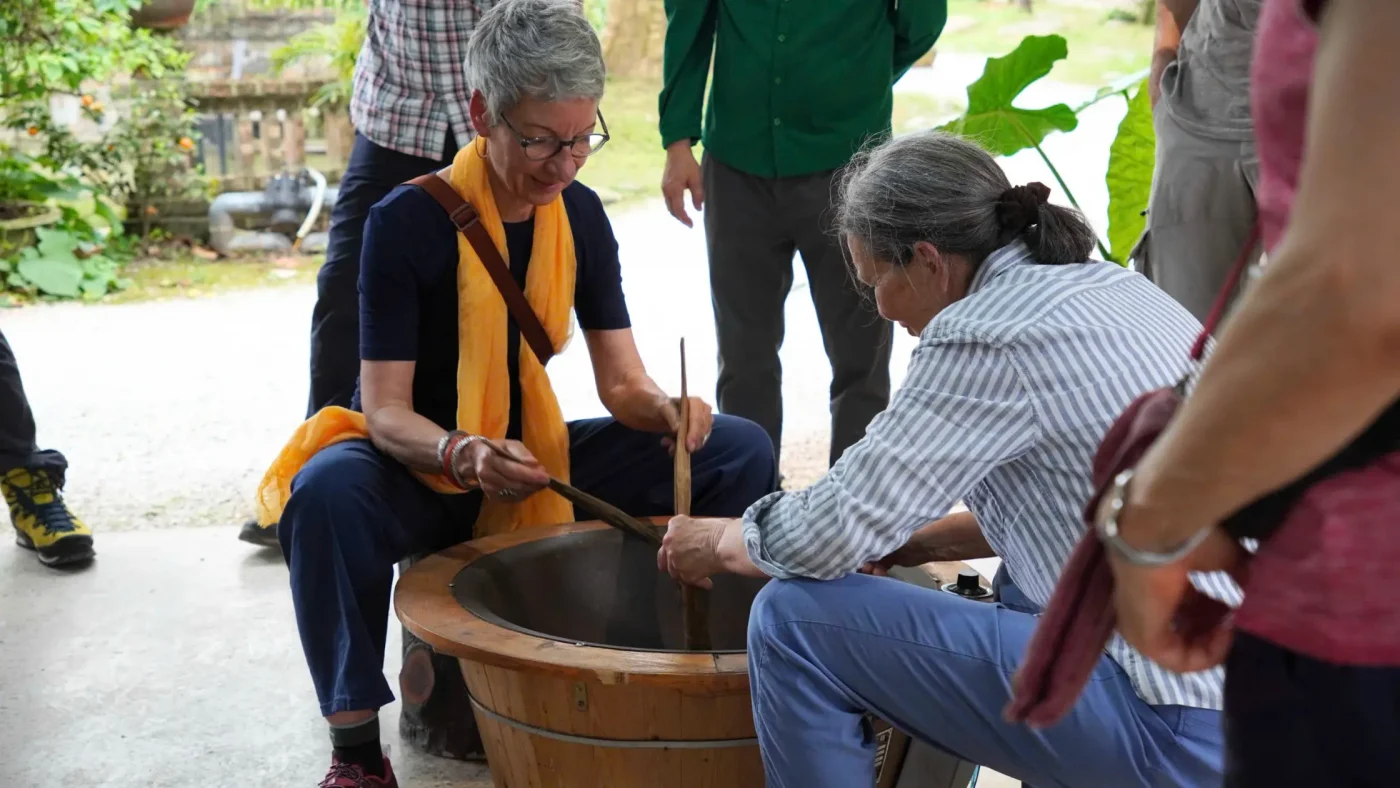
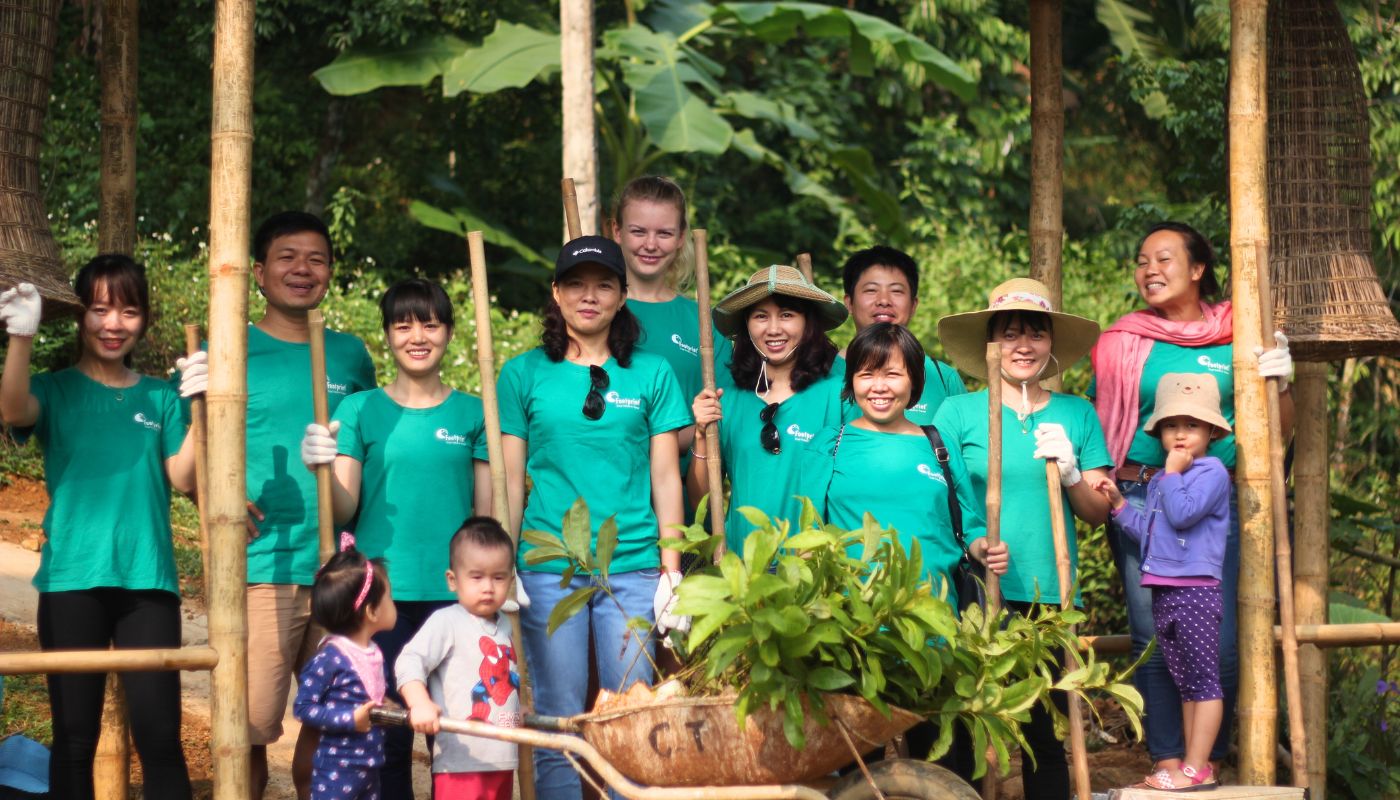
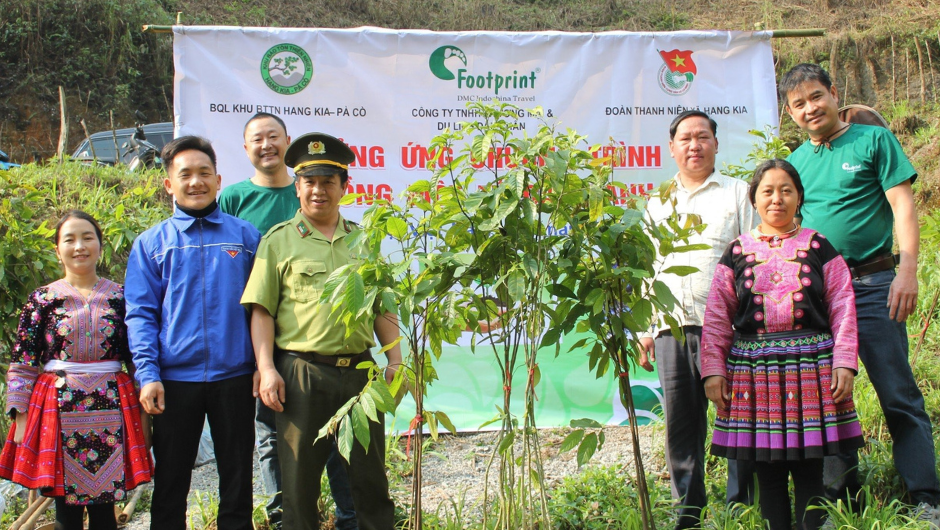
By including the Thai Nguyen Tea Plantation in your tour offerings, you are participating in a sustainable, community-based tourism model (CBT).
- Direct Impact: The fees for workshops, lunches, and guided walks go directly into the household budgets of the local families.
- Preservation: Your tours provide an economic incentive for the younger generation to stay in the village and keep these ancient tea-making traditions alive, rather than migrating to the cities for factory work.
- Social Responsibility: For your clients who care about “Travel for Good,” this is a powerful selling point. They aren’t just seeing Vietnam; they are helping to preserve its heritage.
Logistics & Planning for Your Sales Team
To ensure this destination fits perfectly into your operations, here is the technical data your team needs:
Distance & Time: Approximately 80km from Hanoi’s Old Quarter. The new highway has reduced travel time to about 1.5 to 2 hours, making it the most accessible rural experience from the capital.
The Best Season:
- May to July (The Green Season): The hills are at their most vibrant green. Harvesting is in full swing, and the activity in the villages is high. This is the best time for photography and hands-on workshops.
November to April (The Mist Season): The weather is cooler and often misty, creating a “Zen” like atmosphere. While the harvest is slower, the peace and quiet are perfect for wellness or meditation-focused tours.
Vehicle Access: The roads to the main plantations are well-paved. We can comfortably operate with 7-seater SUVs, 16-seater vans, and even medium 29-seater buses.
Strategic Itinerary Fitting:
- Day Trip: A perfect 8:00 AM to 5:00 PM escape from Hanoi.
Gateway Stop: If your clients are heading further north to the Ba Be Lake National Park or the Ban Gioc Waterfall in Cao Bang, Thai Nguyen is the perfect first-day stop to break up the long drive.
Why Partner with Footprint Travel?
At Footprint, we understand that our job is to make your brand look exceptional. We don’t just “book a tour”; we manage an experience.
White-Label Excellence: Our guides and drivers understand they represent your company. We maintain the highest standards of service, from clean vehicles to professional attire.
Specialist Knowledge: Our guides in the Thai Nguyen Tea Plantation are more than just translators; they are trained in the history and science of tea, ensuring your guests receive high-level information.
Sustainable Roots: We have spent years building relationships with these local families, ensuring that our presence is welcomed and that your guests receive a truly warm, “insider” welcome.
Adding the Thai Nguyen Tea Plantation to your portfolio is a strategic move to offer a unique, eco-friendly, and culturally rich experience that is easy to sell and even easier to love.
Contact our partnership team today to receive our full confidential rates, high-resolution image packs, and ready-to-use itinerary templates!
☕ Join Footprint’s Tea Affair & Bike Tour and experience Vietnam’s tea culture firsthand. Loved by many of our guests, the tour is a favorite for anyone who enjoys authentic tea experiences. Discover what makes it special through the inspiring journey shared by Jess and Laurence on their Independent Travel Cats blog.
Frequently Asked Questions about Thai Nguyen Tea Plantation
1. Where is Thai Nguyen tea plantation located?
Thai Nguyen tea plantations are found in Thai Nguyen Province, about 80 kilometers north of Hanoi in northern Vietnam. The region is easily accessible by car or bus, making it a popular day trip or weekend getaway from Hanoi.
2. When is the best time to visit Thai Nguyen tea plantations?
The ideal time to visit is from May to October, during the tea-growing season when the hills are lush green and farmers are actively harvesting. The weather is pleasant, and the fields are at their most photogenic for visitors and photographers alike.
3. How can I get to Thai Nguyen from Hanoi?
You can reach Thai Nguyen by car, motorbike, or local bus. The drive takes around 2 hours via National Highway 3. Some travelers prefer joining an organized tea tour with local operators like Footprint Travel to enjoy a guided experience with visits to plantations, tea workshops, and cycling routes.
4. Can visitors try picking or making tea themselves?
Yes! Many local tea families and community-based workshops welcome visitors to join hands-on sessions. You can try plucking young leaves, drying and rolling them, and learning the steps behind a perfect brew — a highlight for tea lovers and culture seekers.
6. What other attractions can I visit near Thai Nguyen?
Nearby, you can explore:
Coc Mountain Lake – a peaceful spot surrounded by tea hills.
Museum of Cultures of Vietnam’s Ethnic Groups – located in Thai Nguyen city.
Tan Cuong Tea Cultural Space – where hundreds of tea artifacts are displayed.
These sites make Thai Nguyen perfect for a tea and culture day trip.
7. Is Thai Nguyen tea available to buy as souvenirs?
Definitely! Visitors can purchase fresh or dried Tan Cuong tea directly from local growers or at cultural shops. It makes a thoughtful and authentic souvenir — a taste of Vietnam to bring home.
8. What makes Thai Nguyen tea different from other regions in Vietnam?
Tea from Thai Nguyen is distinguished by its unique terroir: fertile soil, cool climate, and careful manual cultivation. The combination creates a strong aroma, bright color, and rich flavor that set it apart from teas grown in Moc Chau or Lam Dong.

Hoang Yen leads product development and supplier partnerships at Footprint Travel, where she designs and refines travel experiences across Vietnam. Working closely with local communities and operational teams, she ensures each program reflects both authenticity and practical execution.
With strong on-the-ground knowledge and a focus on responsible travel, Yen contributes to building journeys that are meaningful, well-structured, and aligned with sustainable tourism principles.