







Vietnamese Cuisine: Regional Flavours Explained
Vietnamese cuisine is often cited as one of the world’s most distinctive culinary traditions, celebrated for its fresh ingredients, balanced flavours, and strong connection to local culture. Yet for travel professionals, Vietnamese cuisine represents far more than a collection of popular dishes. It offers a powerful way to help travellers engage with Vietnam’s history, communities, and regional identities through authentic, memorable experiences.
From the bustling street food stalls of Hanoi to family-run kitchens in the Mekong Delta, food plays a central role in daily life across Vietnam. Each region has developed its own culinary character, shaped by geography, climate, historical influences, and local ingredients. As a result, travellers can experience remarkable diversity within a single journey, discovering everything from refined northern specialities and imperial recipes in Central Vietnam to vibrant southern flavours inspired by the country’s fertile waterways.
For travel advisors, tour operators, and destination specialists, understanding Vietnamese cuisine can help create more immersive and differentiated itineraries. Whether through guided street food tours, cooking classes, community-based dining experiences, or farm-to-table encounters, culinary experiences can add depth, authenticity, and cultural value to journeys throughout Vietnam. This guide explores the characteristics that make Vietnamese cuisine unique, the distinct culinary traditions found across the country’s regions, and the food-focused experiences that can enrich travel programmes for a wide range of travellers.
TL;DR
Vietnamese cuisine is one of Vietnam’s strongest assets for creating memorable, experience-led travel. Far beyond iconic dishes such as phở and bánh mì, it reflects the country’s geography, history, regional diversity, and cultural traditions. By combining street food tours, cooking classes, market visits, farm-to-table experiences, and community-hosted meals across destinations from Hanoi and Hue to the Mekong Delta, Ha Giang, and Pu Luong, travel professionals can design more authentic, immersive itineraries that help travellers connect with local communities while showcasing the richness of Vietnam’s culinary heritage.
What Makes Vietnamese Cuisine Unique?
Vietnamese cuisine is shaped by a combination of geography, history, and cultural traditions that have evolved over centuries. While the country is home to hundreds of regional dishes, several defining characteristics can be found throughout Vietnam, creating a culinary identity that is both diverse and recognisably Vietnamese.
A Balance of Flavours
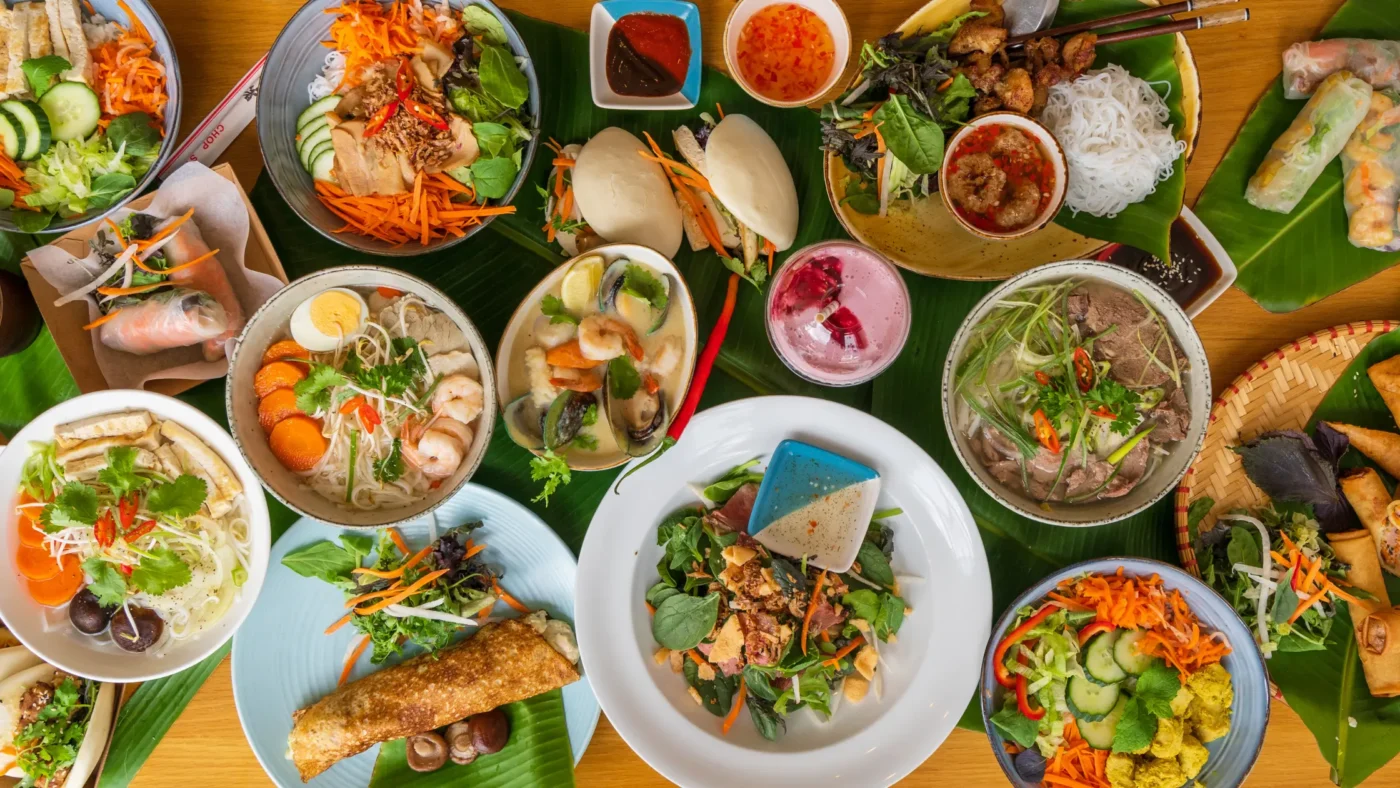
One of the hallmarks of Vietnamese cuisine is its emphasis on balance. Rather than allowing a single flavour to dominate, many dishes combine sweet, sour, salty, bitter, and umami elements in harmony. Fish sauce provides depth and savouriness, fresh lime adds acidity, herbs contribute brightness, and chillies introduce varying levels of heat. This balance can be seen in iconic dishes such as pho, where aromatic broth, fresh herbs, rice noodles, and carefully seasoned meats come together to create a complex yet delicate flavour profile.
Fresh Herbs and Seasonal Ingredients
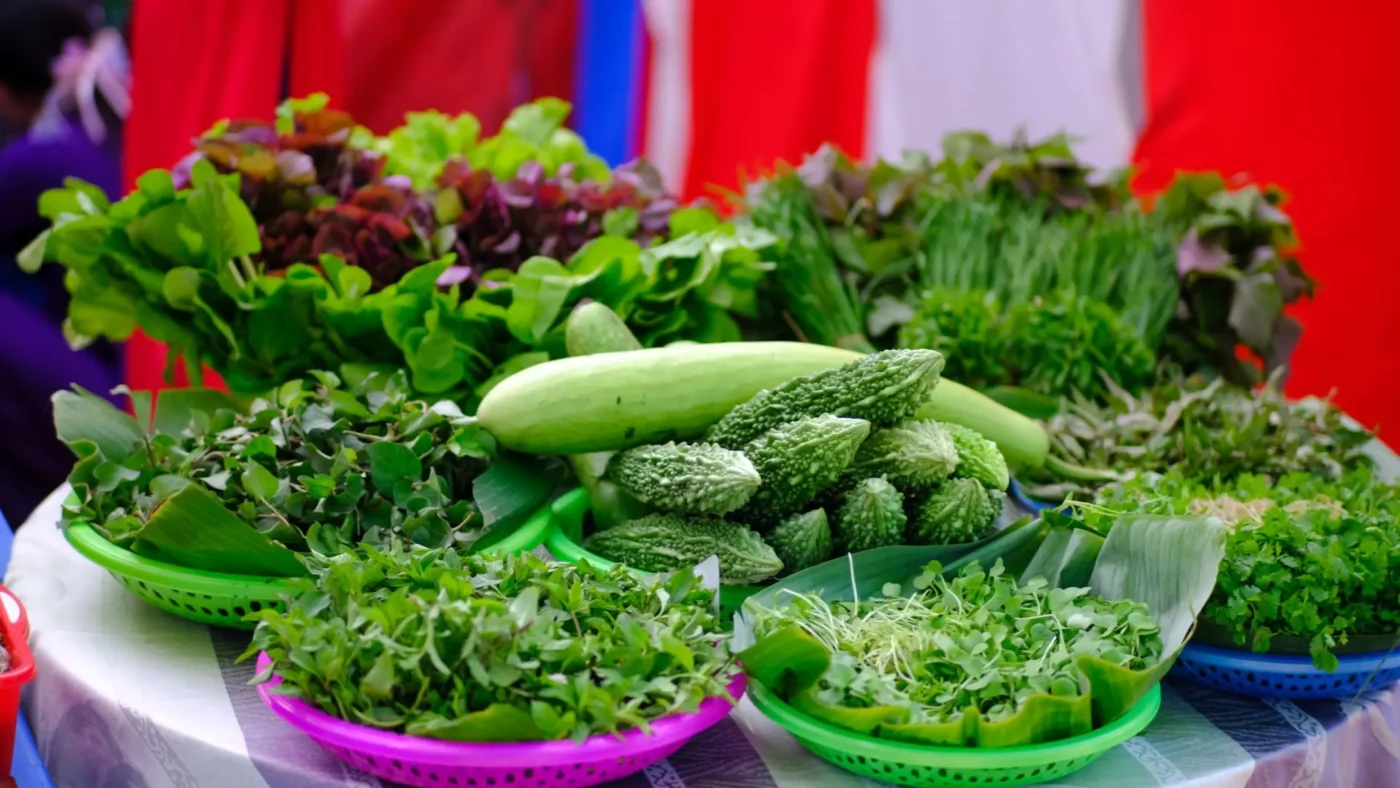
Fresh ingredients play a central role in Vietnamese cooking. Herbs are not merely garnishes but essential components of many dishes, adding fragrance, texture, and layers of flavour. Depending on the region, diners may encounter coriander, mint, perilla, Vietnamese balm, sawtooth herb, and other locally grown varieties. Vietnam’s diverse climate also allows for an abundance of seasonal produce. From mountain vegetables in the north to tropical fruits in the south, local ingredients help shape the character of regional cuisines across the country.
Strong Regional Diversity
Stretching more than 1,600 kilometres from north to south, Vietnam encompasses a wide range of landscapes and climatic zones. These differences have given rise to distinct culinary traditions that vary significantly between regions. Northern cuisine is often characterised by subtle flavours and a focus on balance. Central Vietnam is known for its bold seasonings and imperial culinary heritage, while southern cuisine reflects the abundance of the Mekong Delta, incorporating sweeter flavours and a wider variety of fresh produce.
For travel professionals, this regional diversity creates opportunities to introduce travellers to different culinary experiences throughout a single itinerary.
A Vibrant Street Food Culture
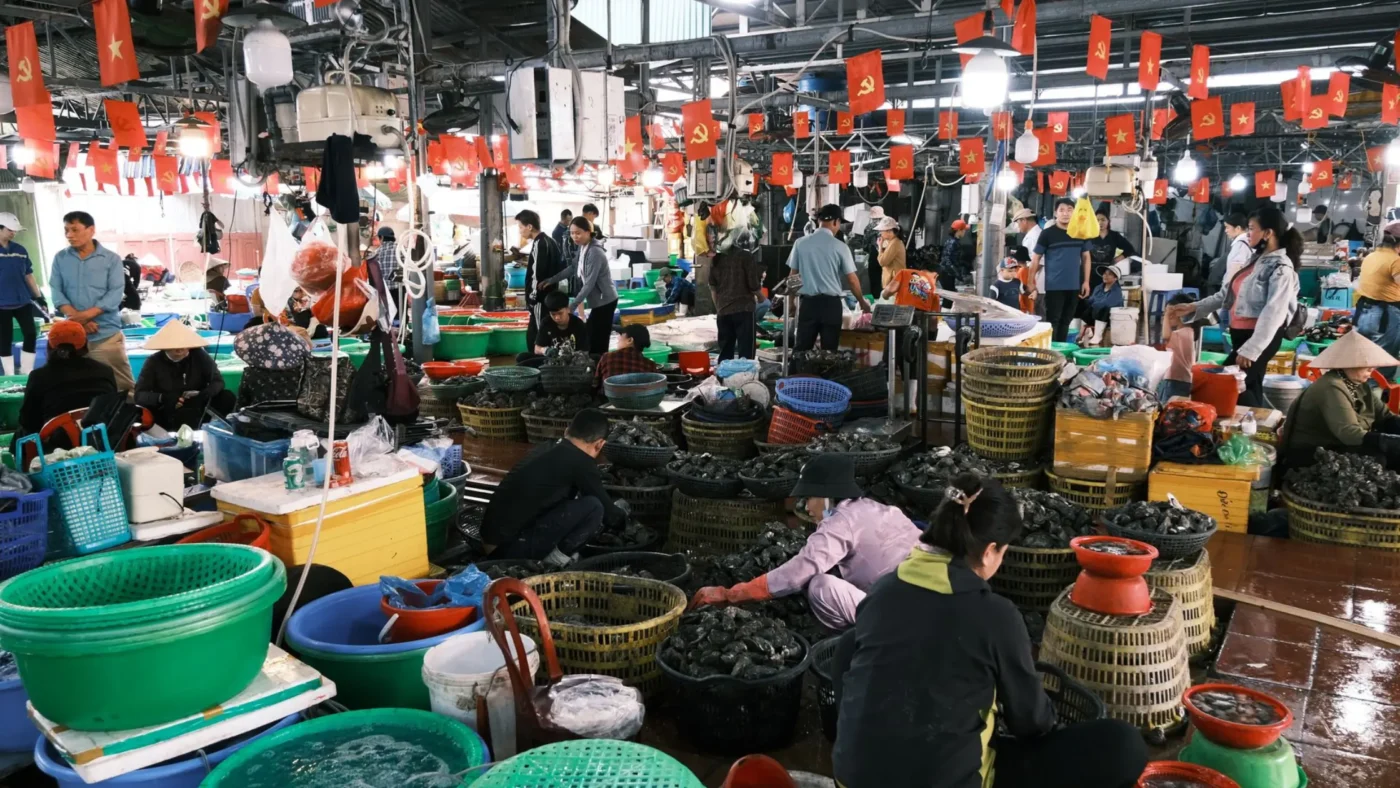
Food in Vietnam is deeply embedded in everyday life, and some of the country’s most memorable culinary experiences take place on its streets. Morning noodle stalls, bustling markets, pavement cafés, and family-run eateries form an important part of the local food landscape. Street food offers travellers an accessible way to engage with local culture while observing daily routines and community life. From enjoying a bowl of pho in Hanoi to sampling fresh seafood in coastal towns, these experiences often become highlights of a journey through Vietnam.
Food as a Reflection of Culture
Beyond its flavours and ingredients, Vietnamese cuisine reflects the country’s social and cultural values. Meals are often shared, reinforcing the importance of family and community. Traditional recipes are passed down through generations, preserving local customs and culinary knowledge. For travellers, food provides a meaningful lens through which to understand Vietnam’s history, traditions, and regional identities. This cultural dimension is one of the reasons culinary experiences continue to play an increasingly important role in travel programmes across the country.
Understanding Vietnam Through Its Three Culinary Regions
Vietnam is home to one of the world’s richest culinary heritages, with thousands of distinctive dishes reflecting the traditions of its 54 ethnic groups. Many have gained international recognition, including phở, bánh mì, fresh spring rolls (gỏi cuốn), and bún chả, while countless regional specialities remain waiting to be discovered. This remarkable diversity is shaped by the country’s geography. Stretching from the mountains near the Chinese border to the fertile waterways of the Mekong Delta, Vietnam encompasses a wide range of climates, ingredients, and cultural influences. As a result, each region has developed its own distinctive food traditions, offering travellers a wealth of culinary experiences throughout their journey.
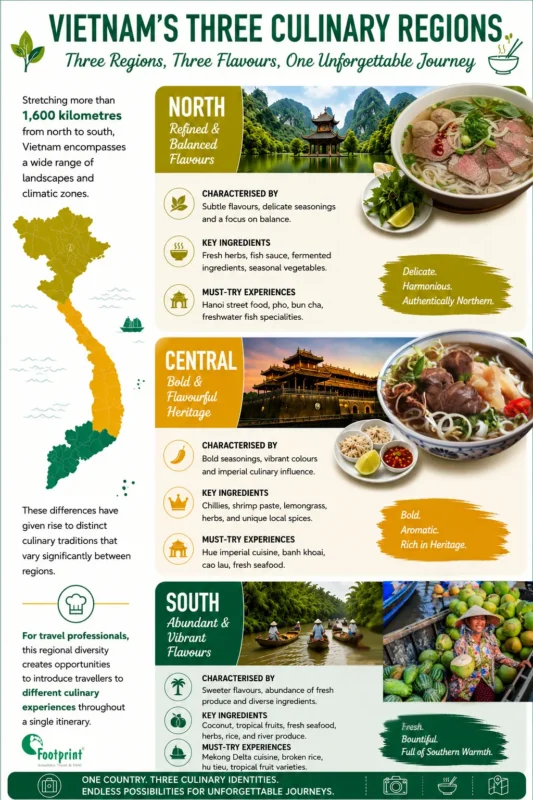
For travel professionals, understanding these regional differences can help create more engaging itineraries that showcase Vietnam beyond its most recognisable dishes. From heritage recipes and street food culture to coastal seafood and farm-based dining experiences, each destination offers a unique perspective on Vietnamese cuisine.
Northern Vietnam: Refined and Balanced Flavours
Northern Vietnamese cuisine is often characterised by its subtle seasoning, balanced flavours, and emphasis on fresh ingredients. The region’s cooler climate and long history have shaped a culinary tradition that many consider the foundation of Vietnamese cuisine.
Hanoi: The Heart of Northern Vietnamese Cuisine
As Vietnam’s capital, Hanoi is widely regarded as one of the country’s premier culinary destinations. Many of Vietnam’s best-known dishes either originated here or have become closely associated with the city. Travellers can explore a rich food culture through dishes such as pho, bun cha, cha ca, and bun thang, each reflecting generations of culinary tradition. The city’s Old Quarter is particularly renowned for its street food scene, where family-run eateries and pavement-side stalls continue to serve recipes passed down through generations. For travel advisors, Hanoi offers an ideal introduction to Vietnamese cuisine. Guided street food tours, cooking classes, and market visits can easily be incorporated into arrival days, helping travellers gain a deeper understanding of local culture from the start of their journey.
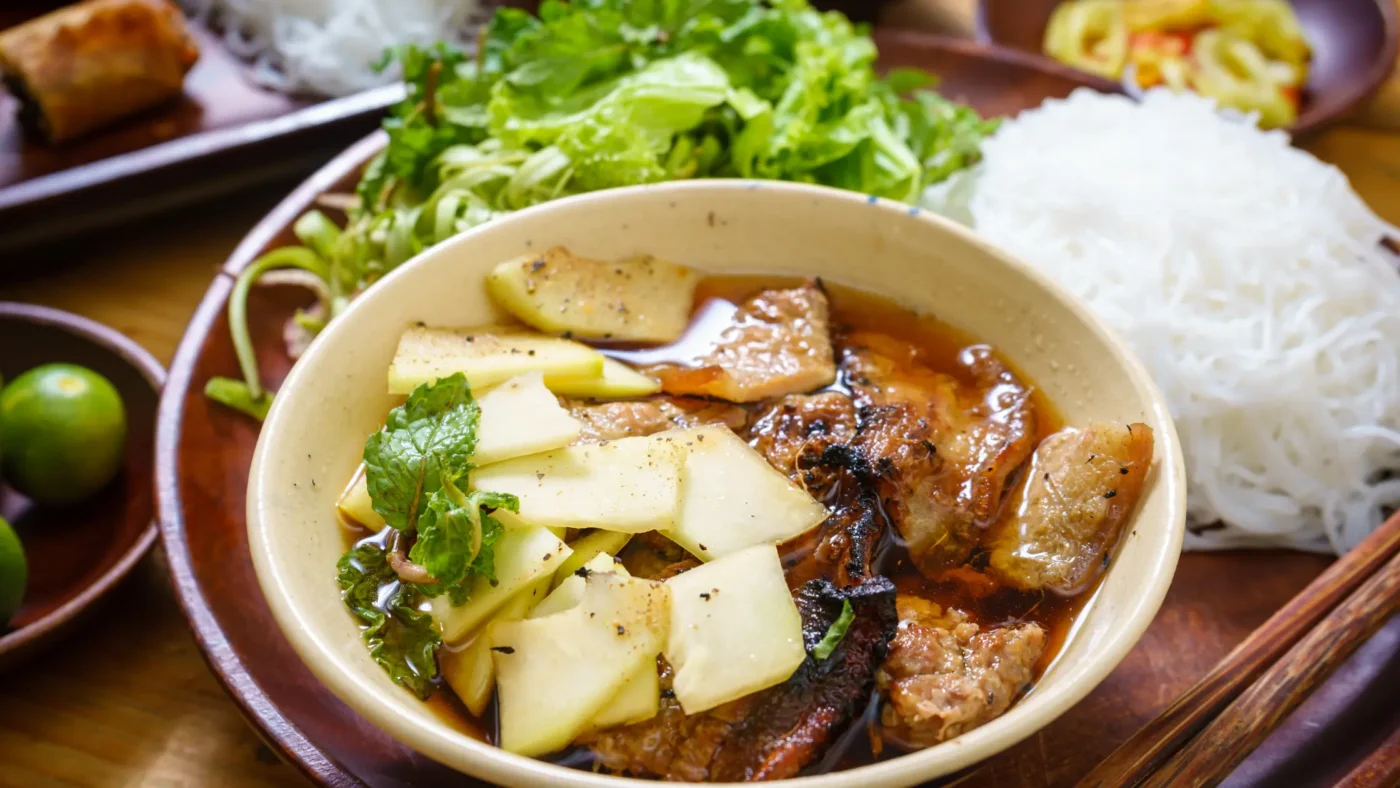
Did you know? One of Hanoi’s most famous culinary moments took place in 2016, when former U.S. President Barack Obama joined the late chef Anthony Bourdain for a dinner of bún chả at a local restaurant. Today, many visitors still seek out the restaurant where the memorable meal took place, making it a popular stop on Hanoi food tours.
Ninh Binh: Rural Flavours Rooted in Agricultural Traditions
Located just south of Hanoi, Ninh Binh presents a different side of Northern Vietnamese cuisine. Here, food is closely connected to the region’s limestone landscapes, rice fields, and agricultural heritage. Local specialities include crispy rice crust (com chay), goat dishes, freshwater fish, and traditional rice wines.
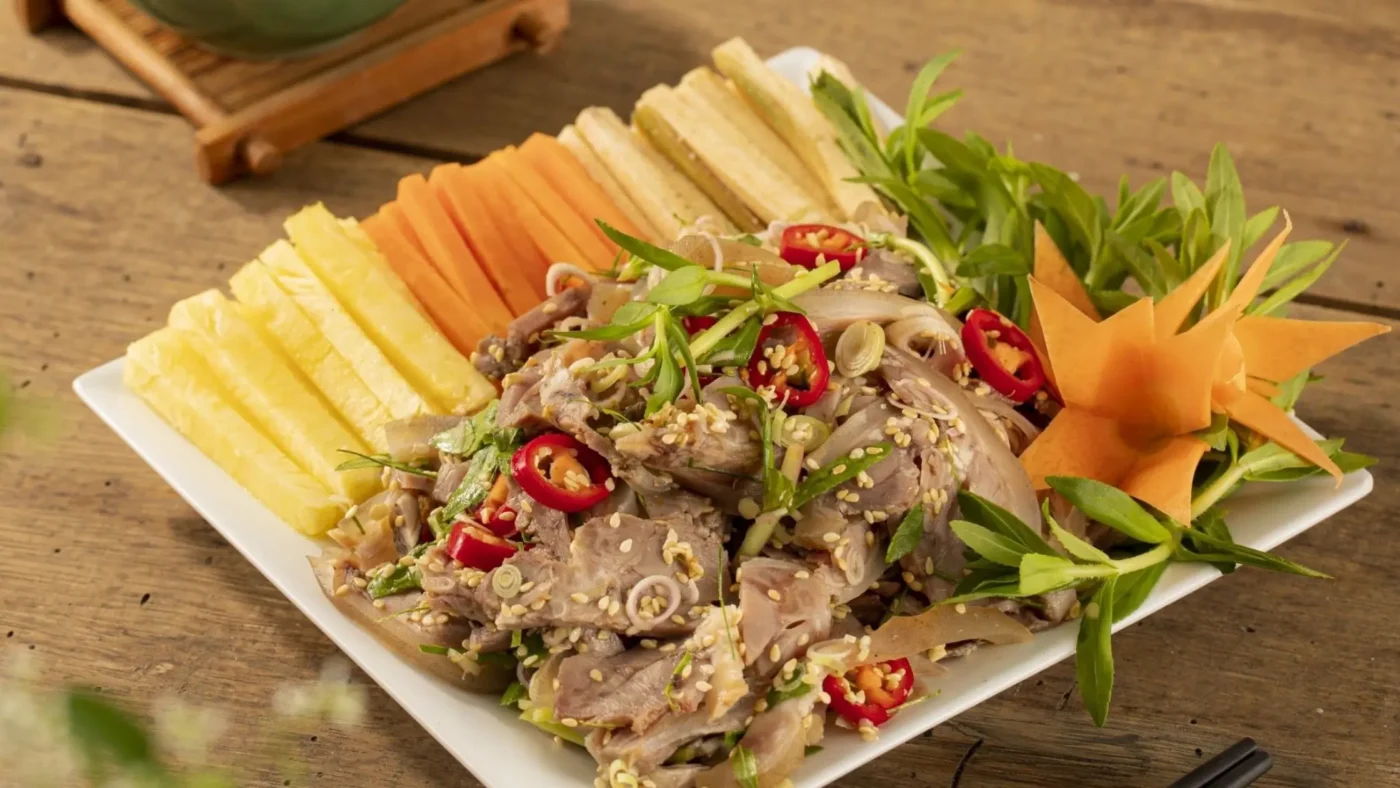
The cuisine reflects a strong relationship between local communities and the natural environment, with many ingredients sourced directly from nearby farms and waterways. For travellers seeking authentic experiences beyond major cities, Ninh Binh offers opportunities to combine culinary exploration with cycling, village visits, and community-based tourism activities. Home-hosted meals and farm-to-table experiences can provide valuable insights into rural life in Northern Vietnam.
Ha Long Bay: Coastal Culinary Traditions
While Ha Long Bay is best known for its spectacular seascapes, it also offers a rich culinary heritage shaped by centuries of fishing traditions and access to abundant seafood. Fresh prawns, crabs, shellfish, and locally caught fish feature prominently in regional cuisine. One of the area’s most famous specialities is cha muc, a grilled squid patty that has become synonymous with Ha Long’s food culture.
For tour operators designing cruise programmes, culinary experiences can add an additional layer of value to a Ha Long Bay itinerary. Seafood-focused dining, local market visits, and onboard cooking demonstrations allow travellers to connect with the region’s maritime heritage while enjoying some of Vietnam’s freshest ingredients. Together, Hanoi, Ninh Binh, and Ha Long Bay showcase three distinct dimensions of Northern Vietnamese cuisine: urban culinary heritage, rural agricultural traditions, and coastal seafood culture. Combined within a single itinerary, they offer travellers a comprehensive introduction to the flavours and food experiences that define Northern Vietnam.
Central Vietnam: Imperial Heritage and Bold Flavours
Central Vietnam is home to some of the country’s most distinctive culinary traditions. Influenced by imperial history, coastal trade routes, and regional ingredients, the cuisine is often characterised by bolder flavours, greater use of spices, and an impressive variety of dishes. For many travellers, this region offers some of Vietnam’s most memorable food experiences.
Hue: The Legacy of Imperial Cuisine
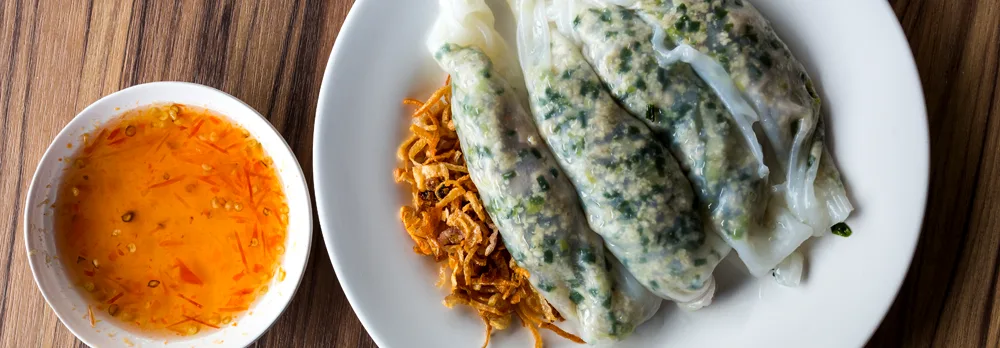
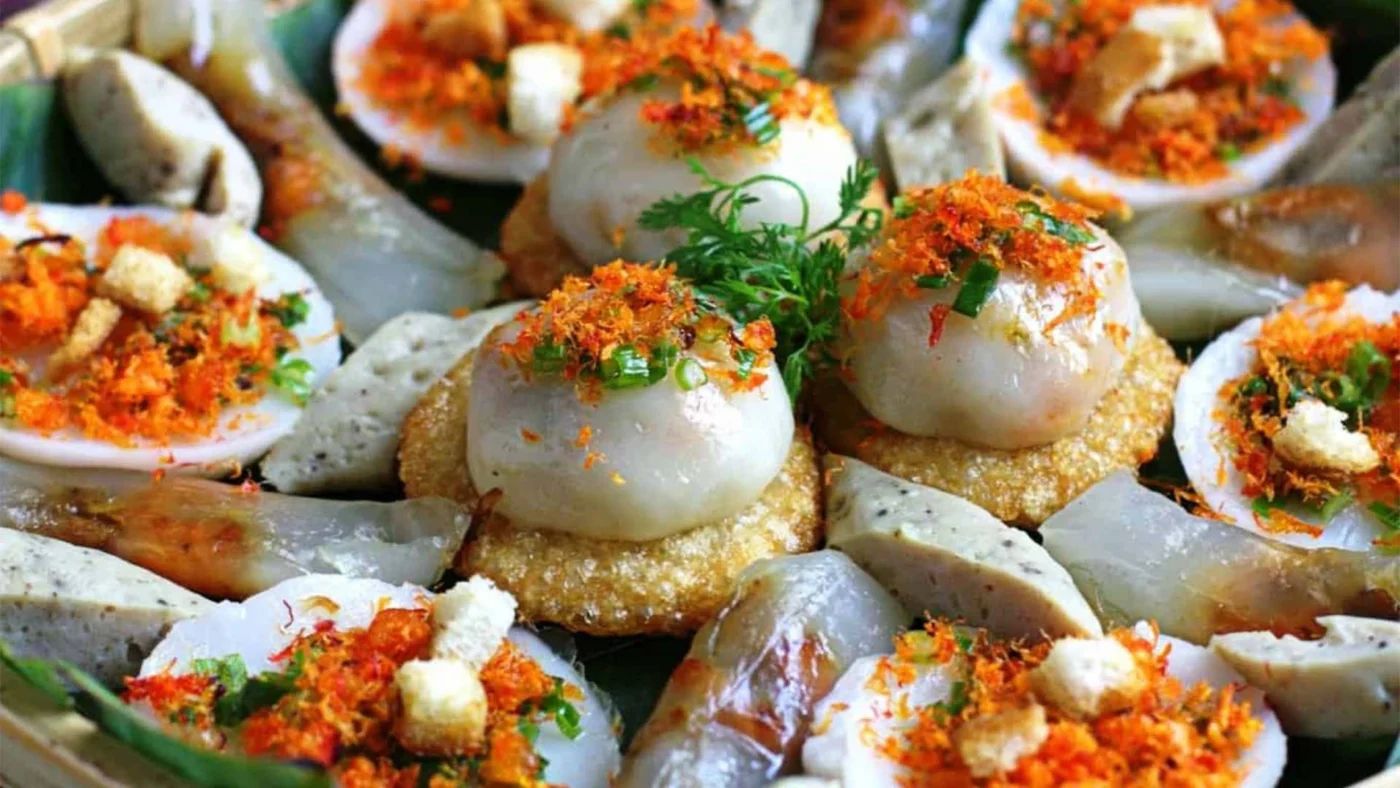
As the former capital of the Nguyen Dynasty, Hue occupies a unique place in Vietnam’s culinary heritage. The city’s cuisine was shaped by centuries of royal patronage, resulting in a sophisticated food culture that emphasises presentation, balance, and attention to detail. Many dishes associated with Hue were originally prepared for the imperial court, while others evolved from the culinary traditions of local communities. Signature specialities include bun bo Hue, banh beo, banh nam, and banh khoai, alongside an array of small dishes designed to be shared and sampled.
For travel professionals, Hue offers compelling storytelling opportunities. Culinary experiences can be combined with visits to imperial landmarks, allowing travellers to explore how food and history have shaped one another over time. Cooking classes, local market tours, and traditional dining experiences can further enrich cultural itineraries.
Hoi An: A Crossroads of Culinary Influences
For centuries, Hoi An served as one of Southeast Asia’s most important trading ports, attracting merchants from China, Japan, and other parts of the region. These international connections helped shape a food culture that remains distinctive within Vietnam today. The town is known for signature dishes such as cao lau, white rose dumplings, and Hoi An-style chicken rice, many of which are closely tied to local ingredients and traditions.
Its compact historic centre also makes it easy for visitors to explore food markets, street vendors, family-run restaurants, and riverside cafés on foot. Hoi An is particularly well suited to experiential travel. Cooking classes, market visits, basket boat excursions, and farm-to-table experiences in nearby Tra Que Herb Village allow travellers to engage directly with the ingredients and people behind the region’s cuisine.
Da Nang: Contemporary Flavours on Vietnam’s Central Coast
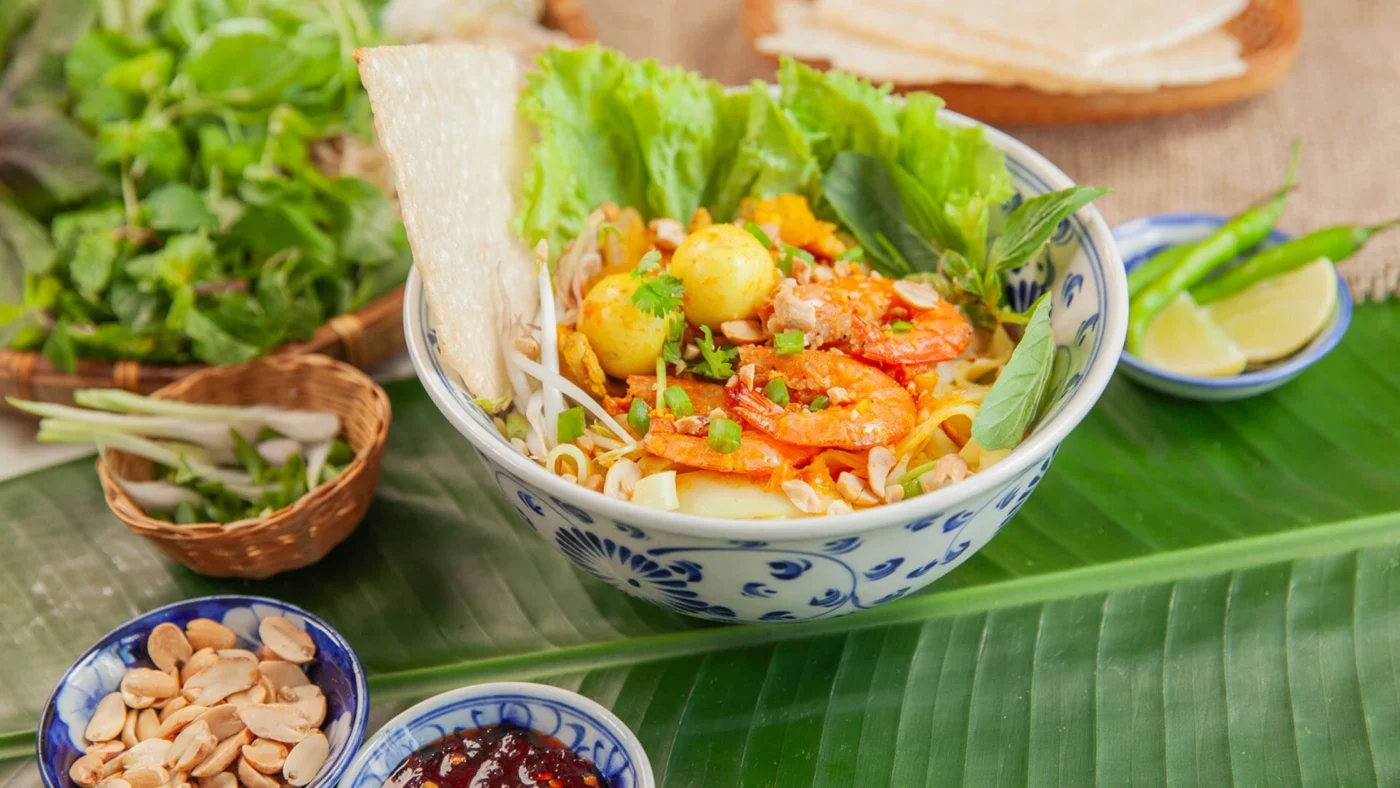
Located between Hue and Hoi An, Da Nang has emerged as one of Vietnam’s most dynamic culinary destinations. While often viewed as a gateway to the region’s heritage sites, the city also offers a thriving local food scene shaped by both traditional recipes and contemporary influences. Popular dishes include mi Quang, fresh seafood specialities, and a variety of noodle and rice dishes that reflect the city’s coastal location. Local markets and waterfront dining areas provide opportunities for travellers to experience everyday life alongside regional cuisine.
For tour operators, Da Nang works well as both a stand-alone destination and a complement to neighbouring Hue and Hoi An. Its combination of beaches, urban amenities, and diverse dining options makes it particularly attractive for leisure groups, families, and travellers seeking a balance of culture and relaxation.
Together, Hue, Hoi An, and Da Nang showcase the remarkable diversity of Central Vietnamese cuisine. From imperial recipes and centuries-old trading influences to vibrant coastal food culture, the region demonstrates how history, geography, and local traditions continue to shape the flavours of Vietnam today.
Southern Vietnam: Abundance and Creativity
Southern Vietnamese cuisine reflects the region’s fertile landscapes, extensive waterways, and long history of cultural exchange. Benefiting from a tropical climate and year-round agricultural production, the south enjoys access to an abundance of fresh fruits, vegetables, seafood, and rice products. These influences have helped shape a cuisine that is often characterised by vibrant flavours, generous use of fresh ingredients, and remarkable culinary diversity.
For travellers, Southern Vietnam offers opportunities to experience both the energy of modern urban dining and the traditions of rural river communities, providing a compelling contrast to the culinary traditions found elsewhere in the country.
Ho Chi Minh City: Vietnam’s Dynamic Culinary Capital
As Vietnam’s largest city and economic centre, Ho Chi Minh City has become one of the country’s most exciting food destinations. The city’s culinary landscape reflects influences from across Vietnam, making it possible for travellers to sample regional specialities from north, central, and southern Vietnam within a single destination.
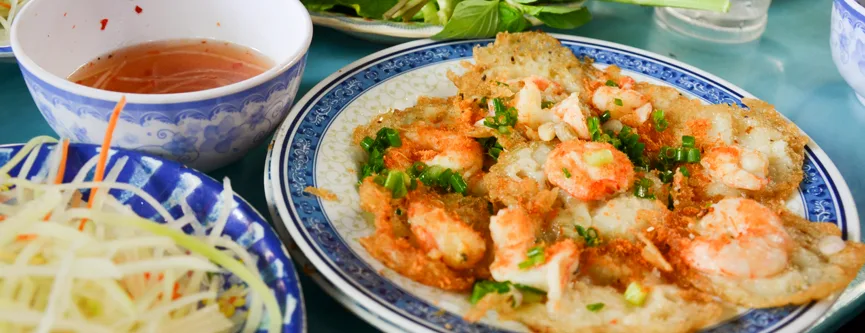
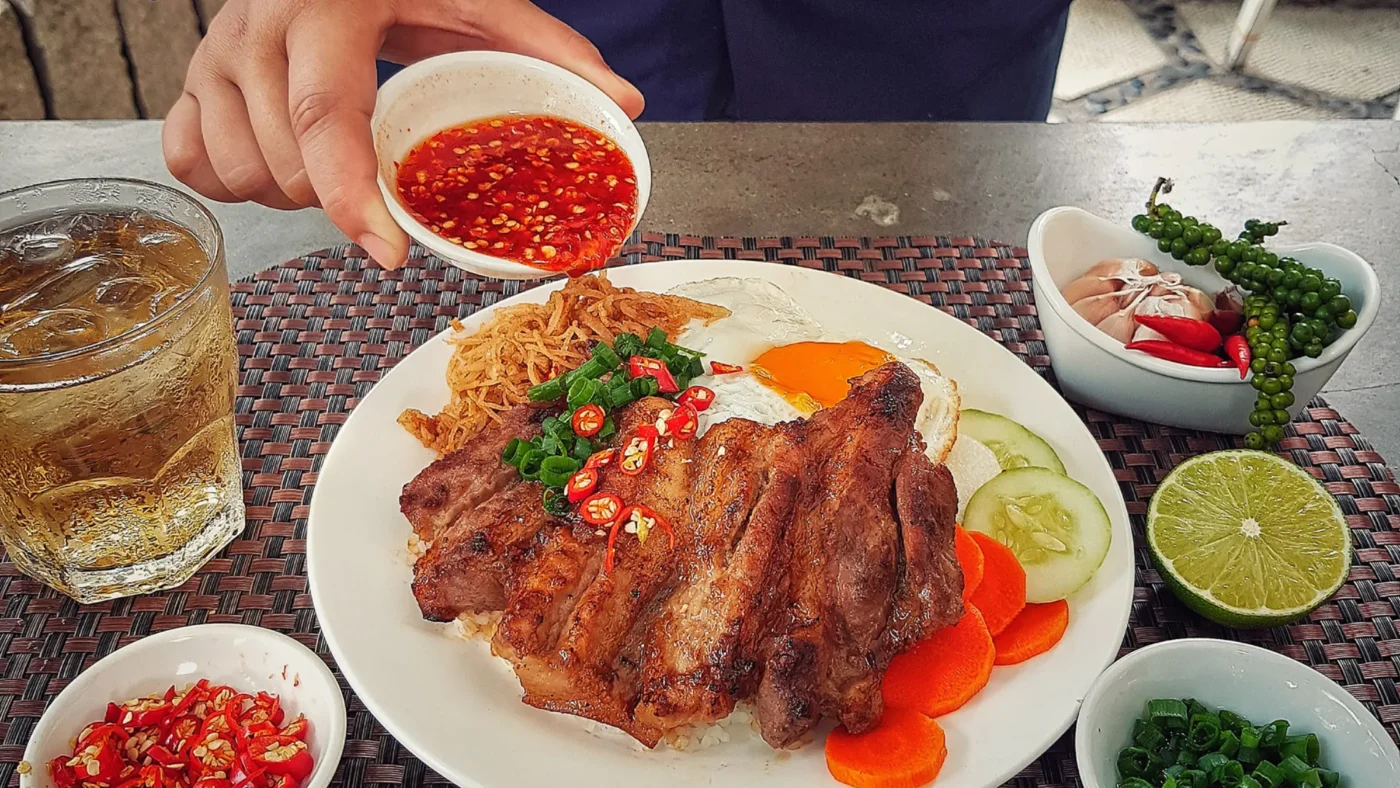
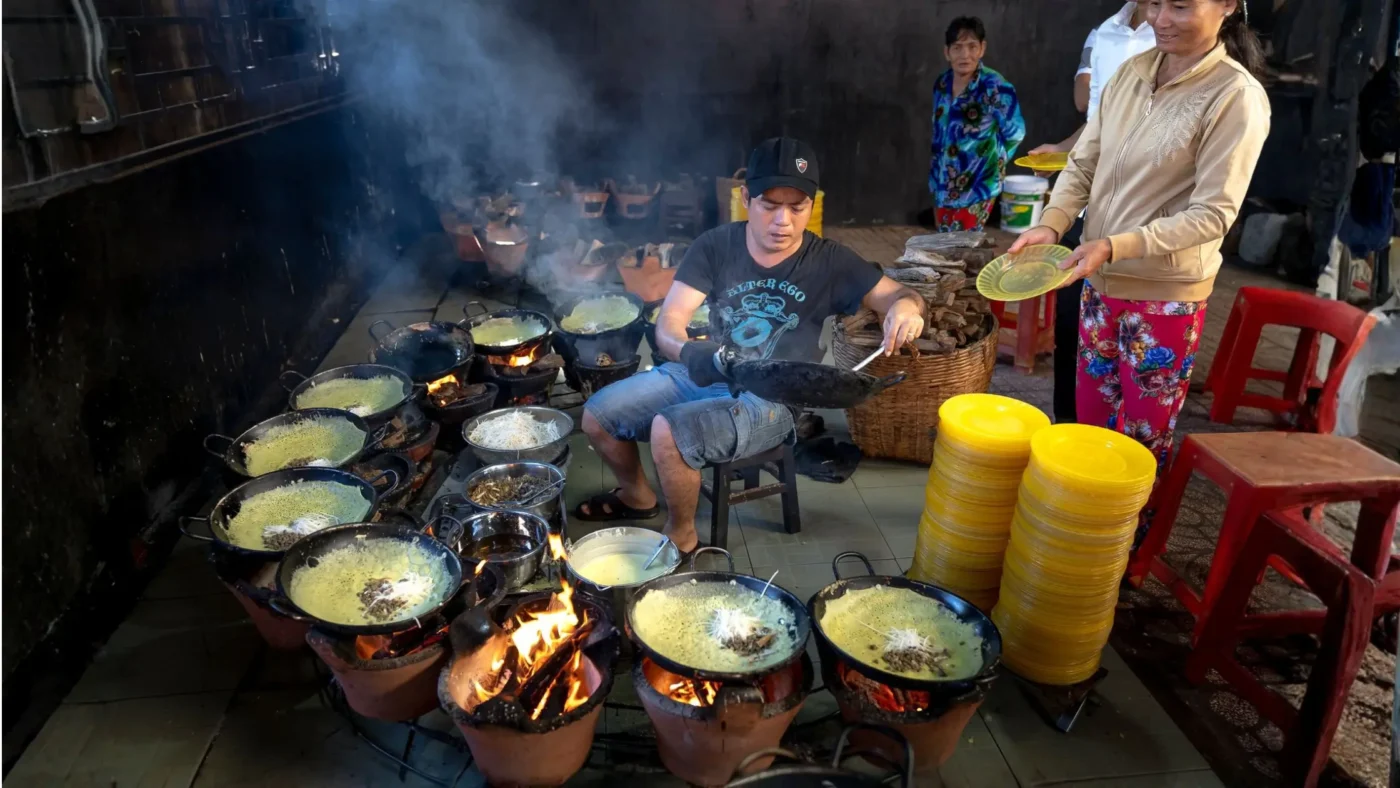
Local favourites such as com tam, hu tieu, banh xeo, and various street food specialities can be found alongside contemporary restaurants, rooftop dining venues, and innovative chefs reinterpreting traditional recipes for modern audiences.
For travel professionals, Ho Chi Minh City offers exceptional flexibility when designing food-focused programmes. Culinary experiences can range from guided street food tours and market visits to fine dining experiences and themed gastronomy journeys, catering to a wide range of traveller interests and budgets.
The Mekong Delta: A Cuisine Shaped by Water
Known as Vietnam’s “rice bowl”, the Mekong Delta is one of the country’s most productive agricultural regions. Its vast network of rivers, canals, orchards, and rice fields provides an abundance of ingredients that have influenced local cuisine for generations.
Freshwater fish, prawns, tropical fruits, coconut products, and seasonal vegetables play an important role in everyday meals. Local dishes often highlight the freshness of ingredients while reflecting the rhythms of life along the river.
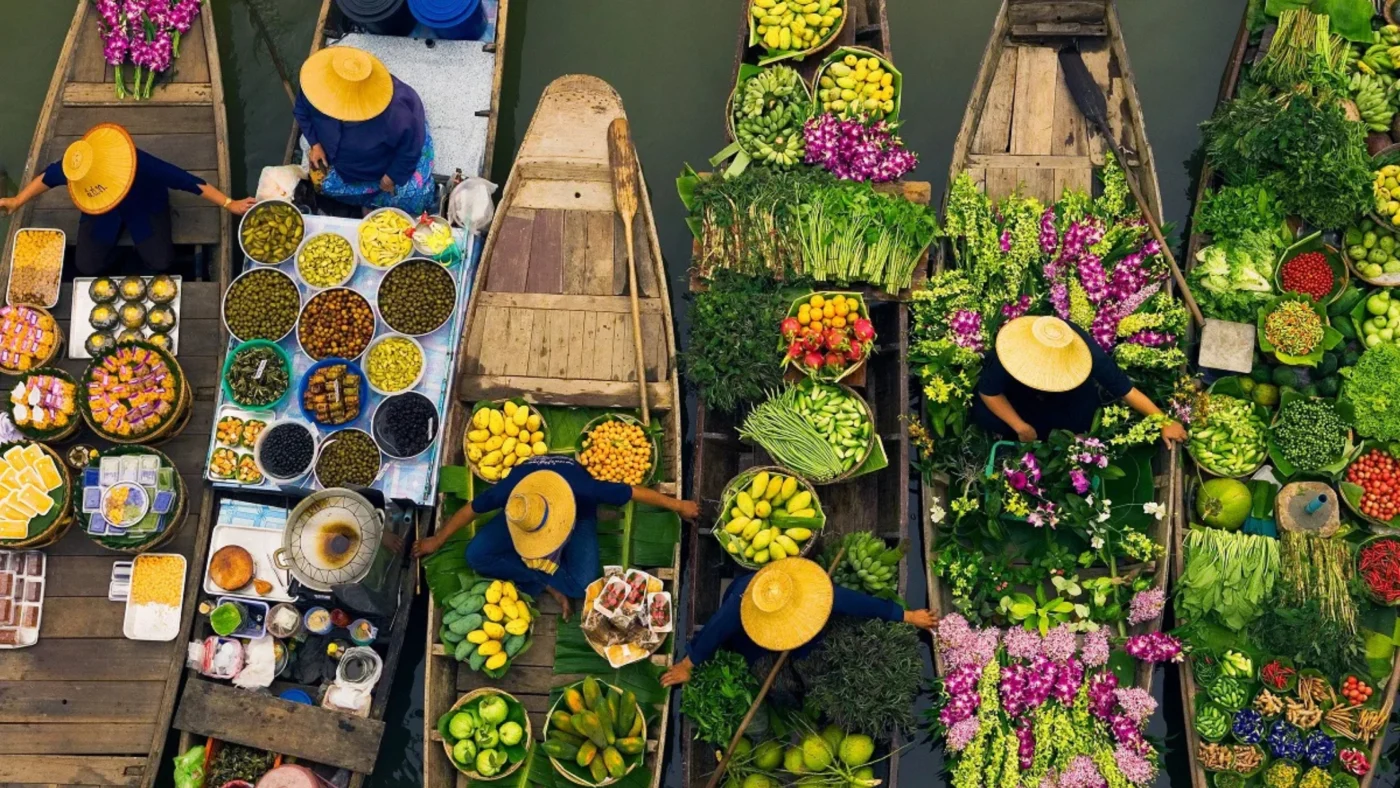
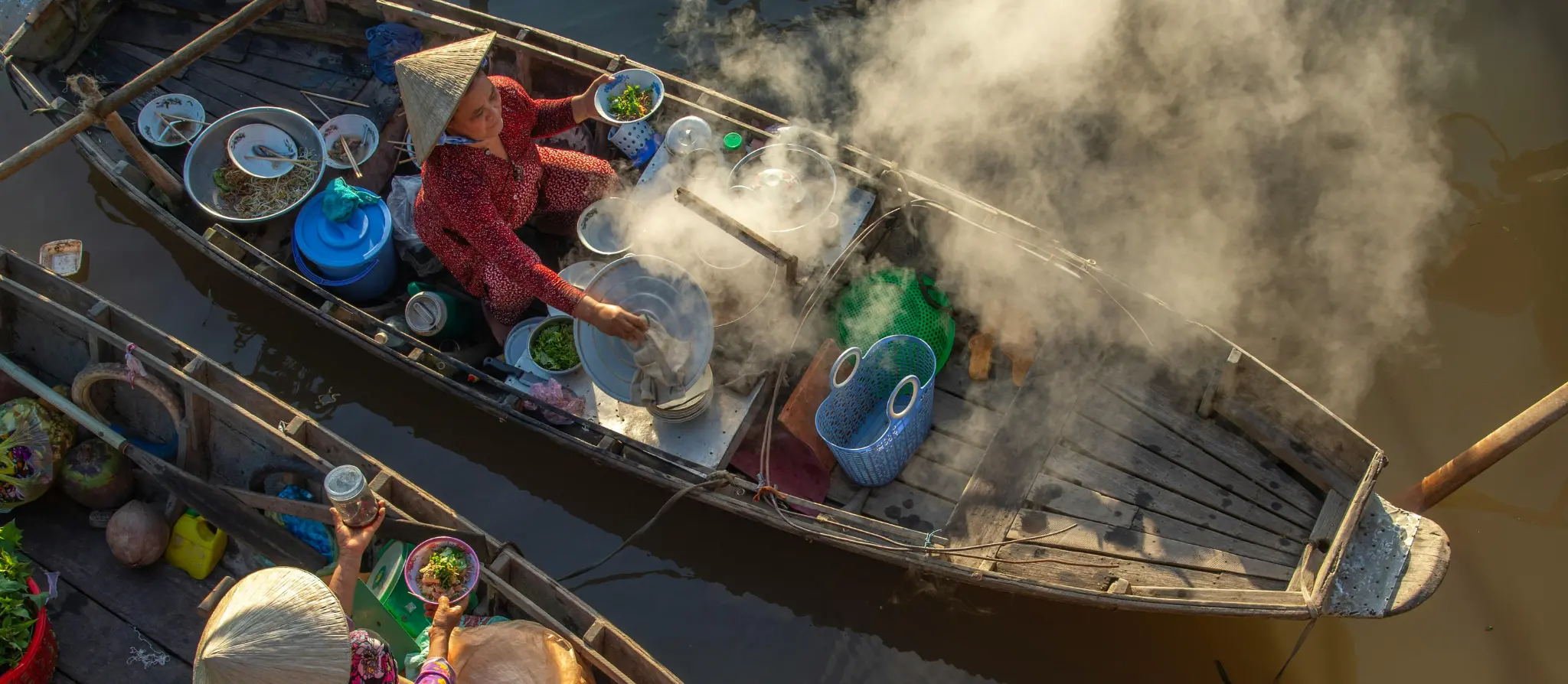
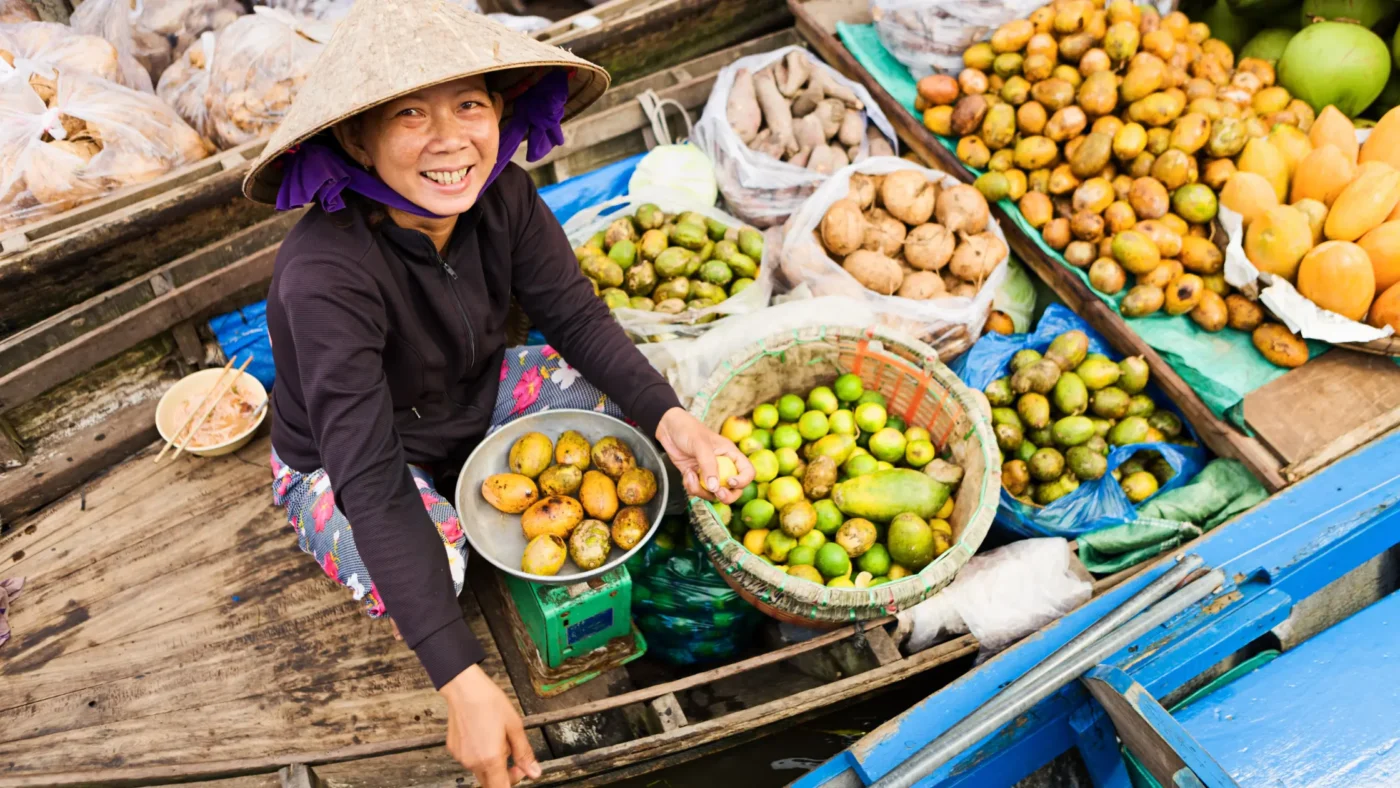
Food experiences in the Mekong Delta frequently extend beyond restaurants. Travellers can visit floating markets, explore fruit orchards, learn traditional cooking methods, and enjoy home-hosted meals with local families. These experiences provide valuable cultural context while supporting community-based tourism initiatives.
A Region Defined by Diversity
Southern Vietnam’s openness to trade and migration has contributed to a highly diverse culinary culture. Chinese, Khmer, and other cultural influences can be found throughout the region, adding further depth to local food traditions.
For tour operators and travel advisors, Southern Vietnam offers opportunities to combine culinary exploration with cultural immersion, river-based experiences, and interactions with local communities. Whether through a street food adventure in Ho Chi Minh City or a family meal in the Mekong Delta, travellers gain insight into a region where food remains closely connected to both daily life and local identity.
Together, Ho Chi Minh City and the Mekong Delta highlight the creativity, abundance, and cultural richness that define Southern Vietnamese cuisine. Their contrasting urban and rural environments demonstrate how food can serve as a gateway to understanding the diverse communities and landscapes of southern Vietnam.
Emerging Culinary Destinations Beyond the Major Cities
Hanoi and Ho Chi Minh City are often the first destinations that come to mind when discussing Vietnamese cuisine. However, some of Vietnam’s most rewarding culinary experiences can be found beyond the country’s largest urban centres. These destinations offer opportunities to explore local food traditions, regional ingredients, and community-based experiences that reveal a different side of Vietnamese cuisine.
For travel planners seeking to create distinctive itineraries, these emerging culinary destinations can add both authenticity and diversity to a travel programme.
Ha Giang: Discovering Ethnic Minority Food Traditions
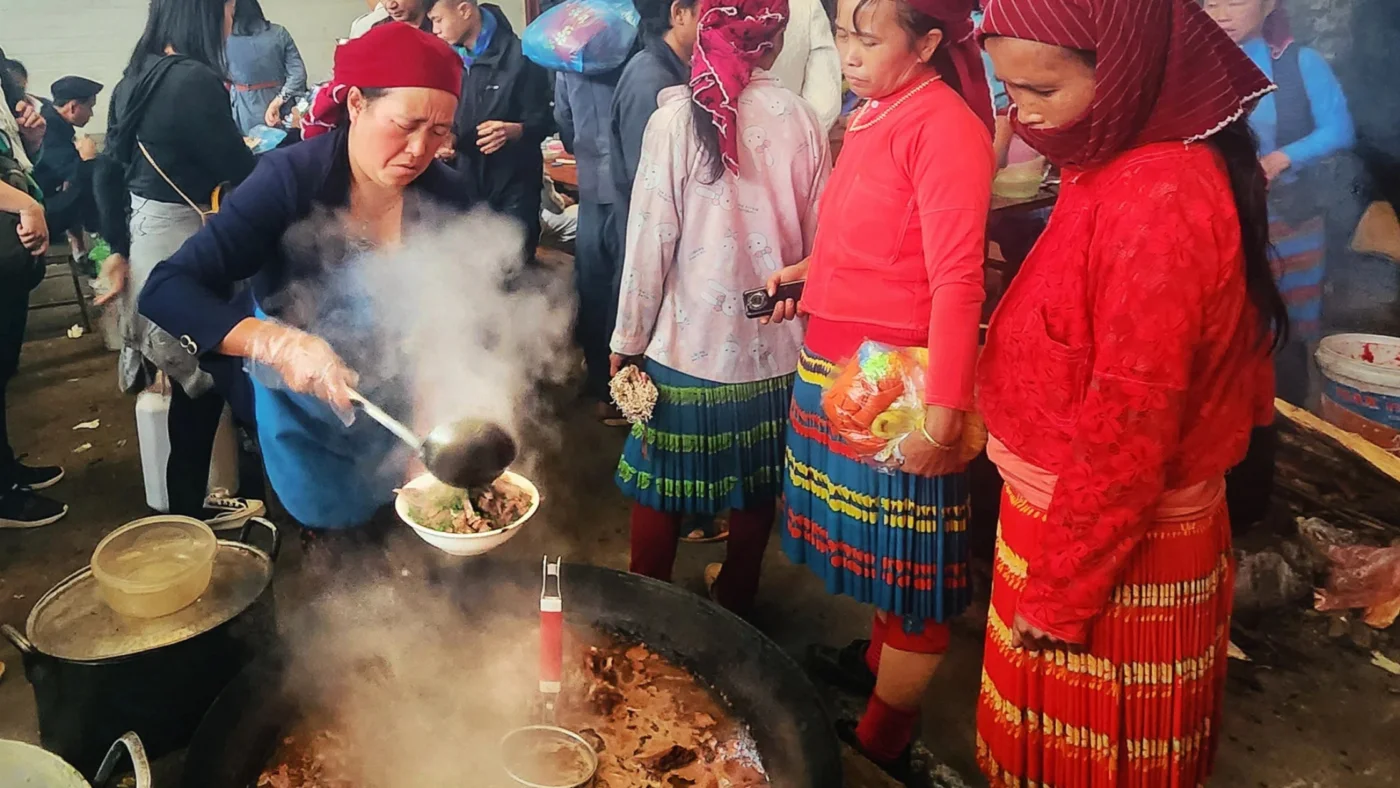
Located in Vietnam’s far north, Ha Giang is increasingly recognised for its dramatic mountain landscapes and cultural diversity. The province is home to numerous ethnic minority communities, including the Hmong, Tay, Dao, and Lo Lo, each with its own culinary traditions, ingredients, and cooking techniques. Travellers may encounter dishes prepared using locally grown maize, mountain herbs, free-range livestock, and seasonal produce sourced from highland farms.
Traditional foods such as thang co, smoked meats, corn wine, and buckwheat-based specialities offer insights into the region’s unique cultural heritage and mountain way of life. Food experiences in Ha Giang are often integrated into community-based tourism programmes, allowing visitors to share meals with local families, learn about traditional cooking methods, and gain a deeper understanding of the customs that shape everyday life in Vietnam’s northern highlands.
Pu Luong: Farm-Based Experiences and Local Hospitality
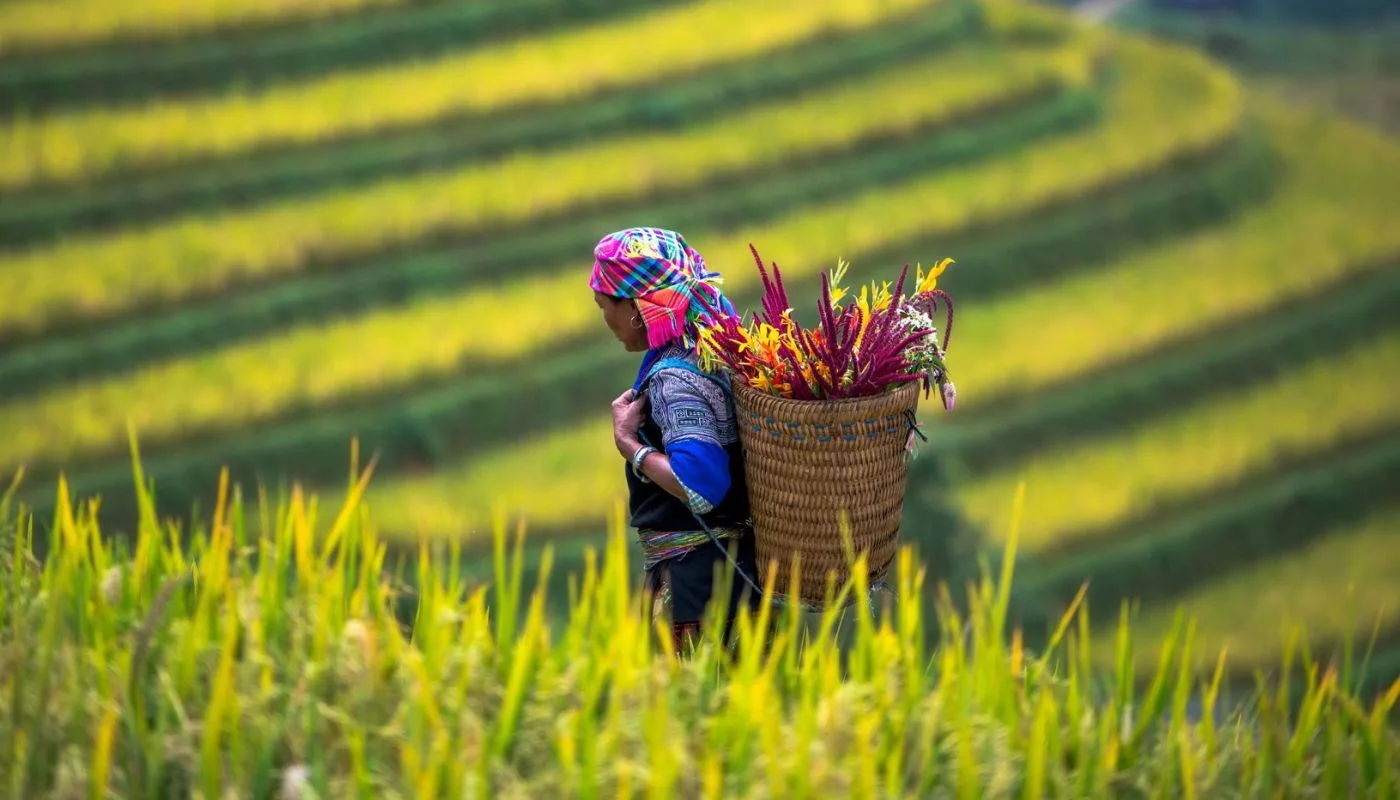
Nestled among terraced rice fields and traditional villages in Thanh Hoa Province, Pu Luong offers a slower and more intimate approach to culinary travel. The region’s cuisine is closely tied to the agricultural practices of the Thai and Muong communities, with meals often prepared using ingredients sourced directly from nearby farms, gardens, streams, and forests. Seasonal vegetables, bamboo shoots, river fish, free-range poultry, and locally grown rice feature prominently in traditional dishes. Many ingredients are harvested daily, reflecting a farm-to-table approach that has long been part of local life.
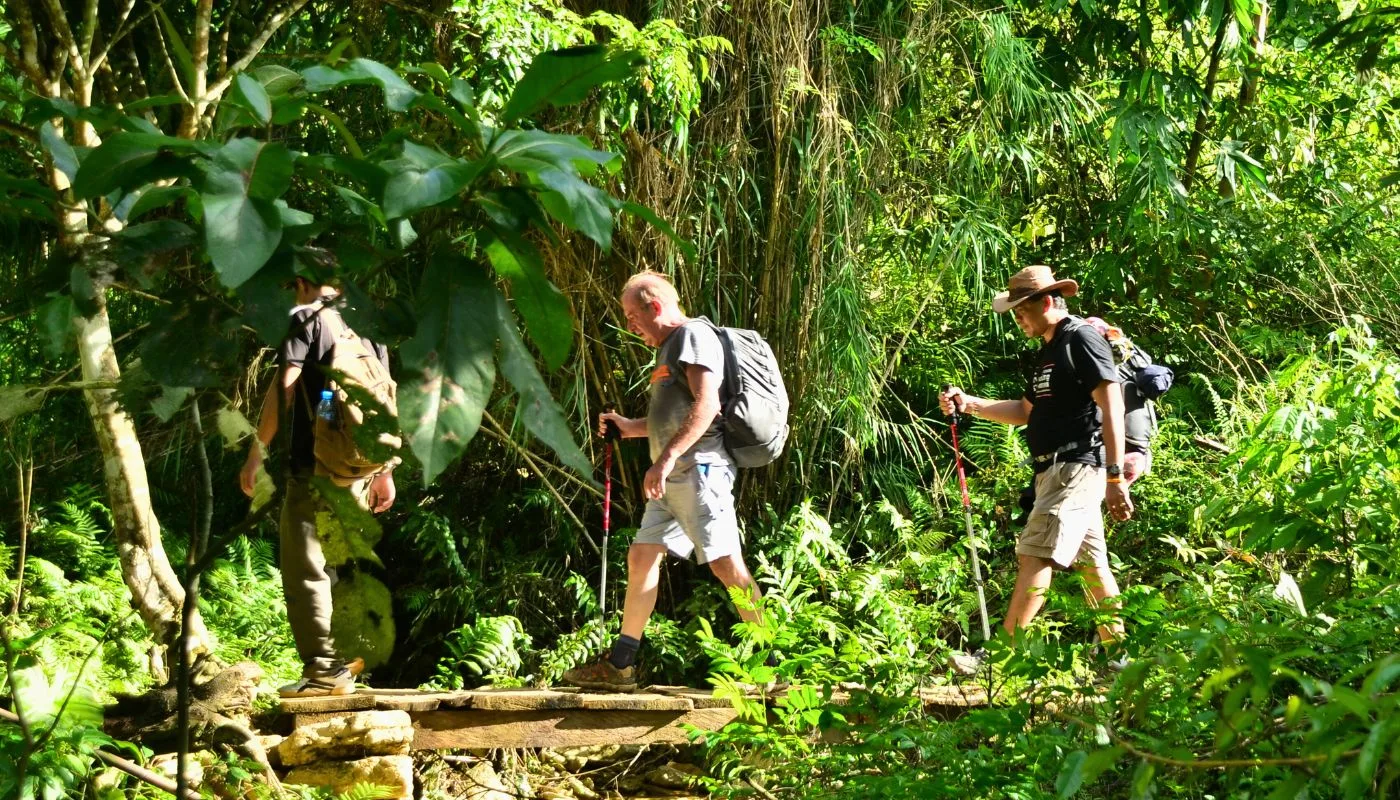
Travellers staying in community-based lodges or village homestays can enjoy home-cooked meals while learning about local farming practices and food traditions. These experiences provide valuable insight into rural life while supporting sustainable tourism initiatives that benefit local communities.
Expanding Culinary Itineraries Beyond the Familiar
As travellers increasingly seek authentic and experience-led journeys, destinations such as Ha Giang and Pu Luong offer compelling alternatives to more conventional food tourism routes. By combining regional cuisine with cultural heritage, local communities, and immersive experiences, these destinations allow travellers to gain a richer understanding of Vietnamese cuisine beyond the country’s major cities. For travel professionals, they also present opportunities to create more distinctive itineraries that showcase the diversity of Vietnam’s culinary landscape.
Beyond Restaurants: Culinary Experiences Travel Advisors Can Include
While Vietnam’s restaurants and street food stalls are often highlights of a journey, some of the most meaningful culinary experiences take place beyond the dining table. Increasingly, travellers are seeking opportunities to engage with local culture through hands-on and immersive activities that reveal the people, traditions, and stories behind the food. For travel planners and itinerary designers, these experiences can add depth to itineraries while helping travellers develop a stronger connection with the destinations they visit.
Guided Street Food Tours
Street food remains one of the most accessible ways to experience Vietnamese cuisine. Accompanied by knowledgeable local guides, travellers can discover hidden eateries, family-run establishments, and neighbourhood favourites that might otherwise be overlooked. Beyond sampling local dishes, these tours provide valuable cultural context, introducing travellers to regional food traditions, dining customs, and the daily rhythms of urban life. Street food experiences are particularly popular in cities such as Hanoi, Hue, Da Nang, and Ho Chi Minh City, where vibrant food scenes form an integral part of local identity.
Cooking Classes and Culinary Workshops
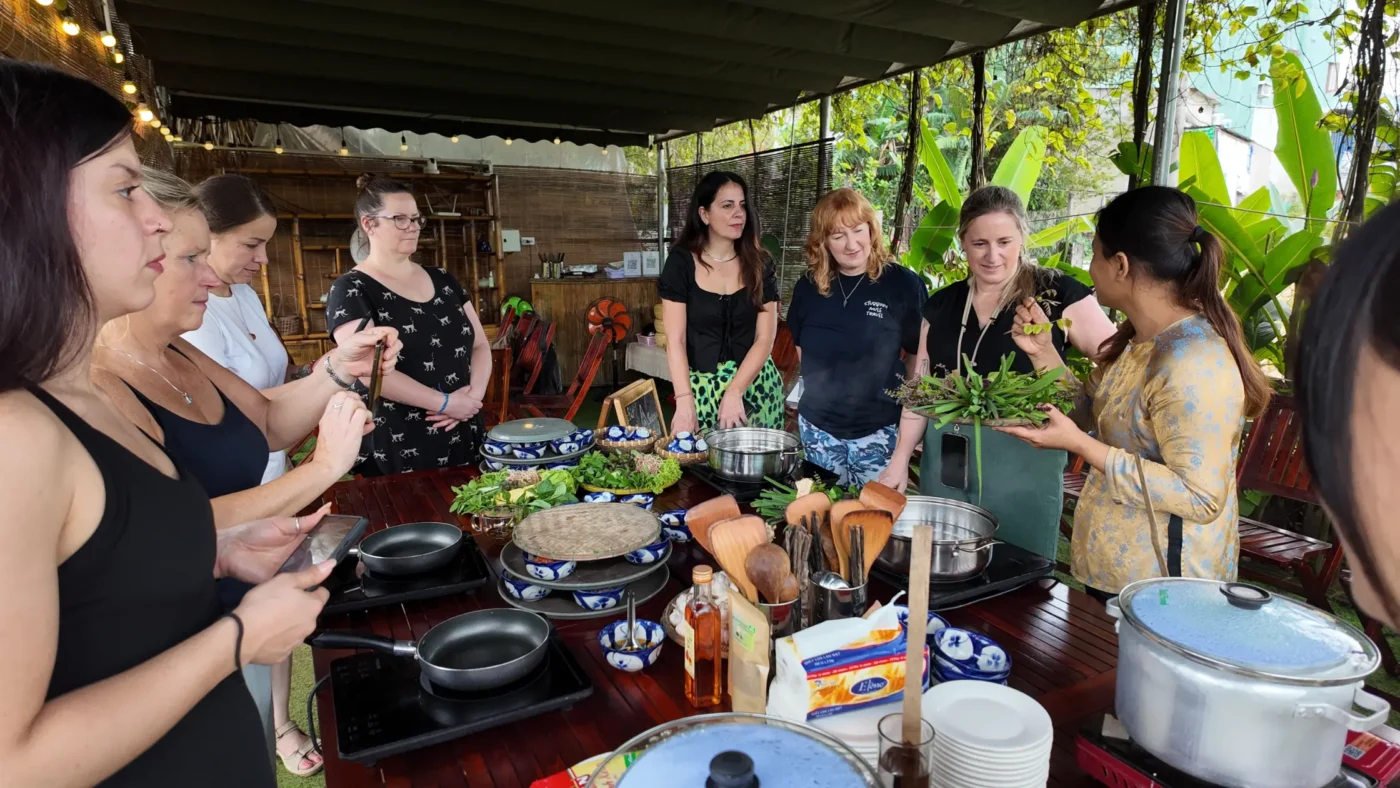
Cooking classes offer travellers the opportunity to move from tasting Vietnamese cuisine to understanding how it is prepared. Many programmes begin with visits to local markets, where participants learn about regional ingredients before preparing traditional dishes under the guidance of experienced cooks. Destinations such as Hanoi, Hoi An, Hue, and the Mekong Delta offer a wide range of cooking experiences suitable for different traveller profiles, from first-time visitors to dedicated food enthusiasts. These activities are particularly effective for small groups, families, and travellers seeking more interactive cultural experiences.
Market Visits and Local Food Discovery
Markets play a central role in Vietnam’s food culture, serving as gathering places where local communities buy, sell, and exchange fresh produce, seafood, herbs, and spices.
A guided market visit can provide valuable insight into regional ingredients and culinary traditions while offering opportunities for cultural interaction. Whether exploring a bustling urban market in Hanoi or a riverside market in the Mekong Delta, travellers gain a deeper appreciation for the ingredients that underpin Vietnamese cuisine.
Farm-to-Table Experiences
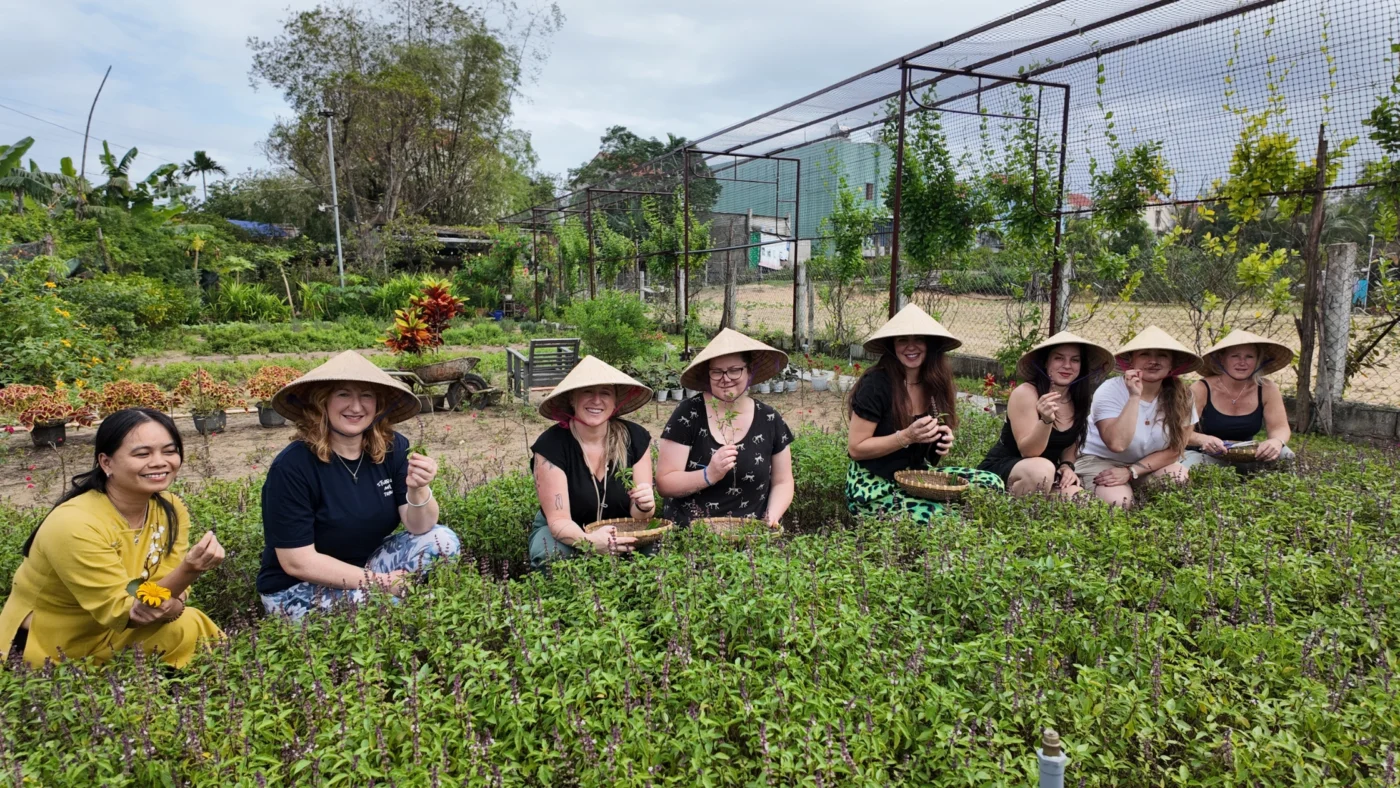
As interest in sustainable and locally sourced food continues to grow, farm-to-table experiences have become increasingly attractive to international travellers. In destinations such as Hoi An’s Tra Que Herb Village, visitors can learn about traditional farming methods, harvest fresh ingredients, and participate in cooking activities that highlight the connection between agriculture and cuisine. These experiences not only showcase local food traditions but also provide insight into rural livelihoods and community life.
Community-Based Culinary Experiences
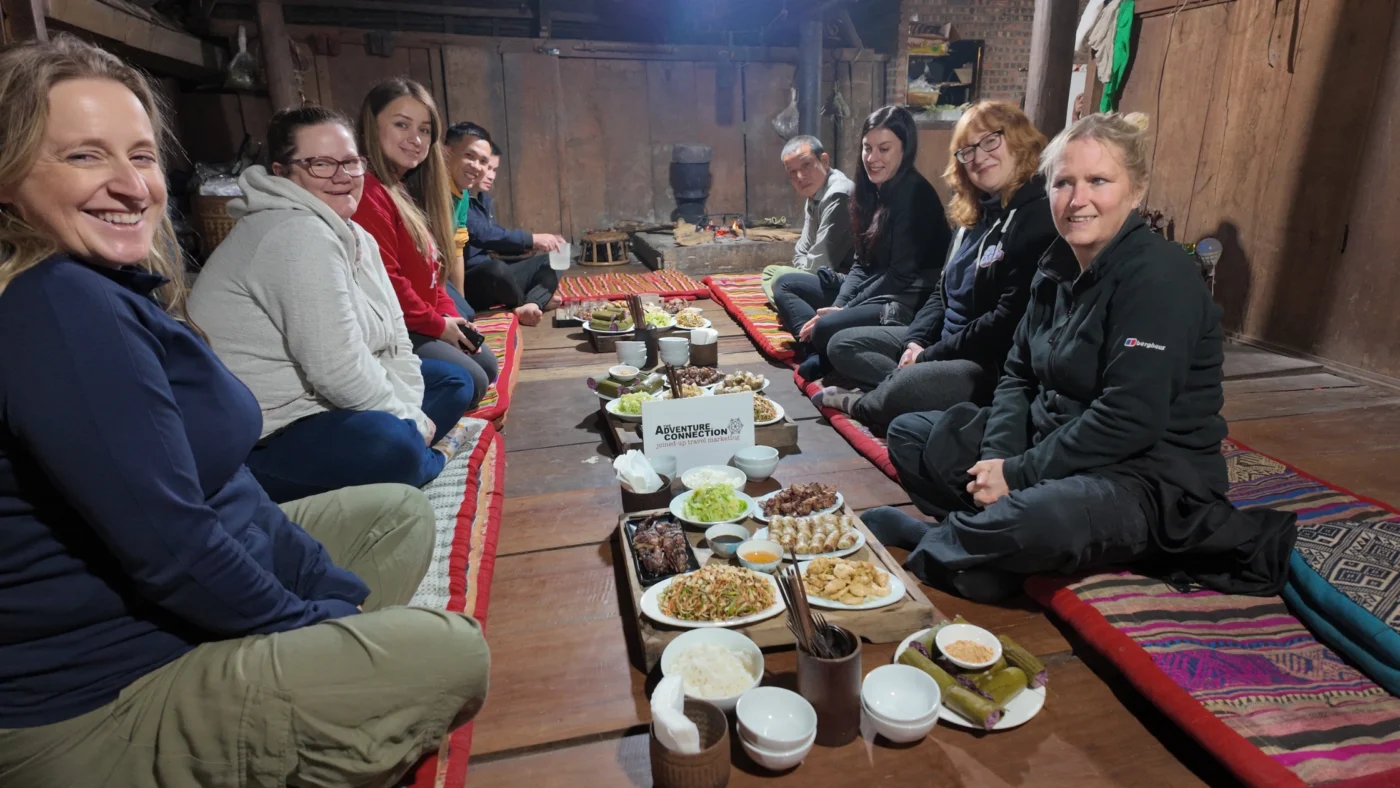
Food can serve as a powerful bridge between travellers and local communities. Across Vietnam, community-based tourism initiatives offer opportunities to share meals with local families, learn traditional cooking techniques, and discover regional food customs that are rarely found in mainstream tourism experiences.
In destinations such as the Mekong Delta, Pu Luong, Mai Chau, and Ha Giang, culinary activities are often integrated into broader cultural experiences, allowing travellers to gain a more authentic understanding of local life. These interactions can create lasting memories while supporting local households and preserving culinary heritage.
Creating More Meaningful Travel Experiences
For many travellers, the most memorable moments are not necessarily found at famous landmarks but around a dining table, in a local market, or in a family kitchen. Culinary experiences provide opportunities for cultural exchange, storytelling, and genuine human connection. By incorporating food-focused activities throughout an itinerary, travel professionals can transformVietnamese cuisine from a simple dining experience into a deeper exploration of the country’s culture, history, and communities.
How Travel Professionals Can Use Vietnamese Cuisine to Create More Memorable Itineraries
Vietnamese cuisine can be much more than a dining component within an itinerary. When thoughtfully integrated into a travel programme, food can help travellers connect with local communities, understand regional cultures, and create lasting memories that extend beyond traditional sightseeing.
For travel professionals, culinary experiences often provide opportunities to add depth, authenticity, and differentiation to Vietnam itineraries.
Move Beyond Restaurant Dining
Many itineraries include meals simply as logistical necessities between sightseeing activities. However, some of the most memorable food experiences occur when travellers engage directly with the people, traditions, and environments behind the cuisine. Instead of relying solely on restaurant dining, travel programmes can incorporate activities such as market visits, cooking classes, farm tours, and community-hosted meals. These experiences provide greater cultural context while encouraging meaningful interactions with local communities.
Connect Food with Local Stories
Food is often most impactful when it is linked to the history, culture, or livelihoods of a destination. In Hanoi, a street food tour can introduce travellers to generations-old family businesses and neighbourhood traditions. In Hoi An, a cooking experience can begin with a visit to Tra Que Herb Village, where travellers learn how local farmers cultivate the ingredients used in regional dishes. In Ha Giang or Pu Luong, sharing a meal with local families can offer insights into ethnic minority cultures and traditional ways of life. By connecting cuisine to storytelling, travel professionals can transform meals into memorable cultural experiences.
Create Regional Culinary Journeys
Vietnam’s regional diversity makes it possible to build itineraries around contrasting culinary experiences. Travellers might begin with the refined flavours and street food culture of Hanoi, continue to the imperial culinary heritage of Hue, and conclude with the vibrant food scene of Ho Chi Minh City and the Mekong Delta. Along the way, they gain a deeper understanding of how geography, climate, and history have influenced food traditions across the country. This approach allows cuisine to become a narrative thread that connects multiple destinations within a single journey.
Combine Food with Other Travel Experiences
Culinary activities are often most effective when integrated with broader travel themes rather than presented as standalone experiences. Food can complement active adventures, cultural tours, heritage programmes, community-based tourism initiatives, and responsible travel experiences. A cycling journey through rural villages may include home-hosted lunches, while a cultural itinerary can be enhanced through cooking workshops and local market visits. These combinations create more immersive experiences while appealing to travellers seeking authentic connections with a destination.
Deliver Experiences Travellers Remember
After more than 25 years of designing journeys across Vietnam, one observation remains consistent: travellers often remember the people they shared meals with as much as the dishes themselves. Whether enjoying street food in Hanoi, harvesting herbs in Hoi An, or sharing a traditional meal in a mountain village, culinary experiences create opportunities for cultural exchange and human connection. For travel professionals, this makes Vietnamese cuisine one of the most effective tools for transforming a well-planned itinerary into a truly memorable journey.
Final Thoughts
Vietnamese cuisine is far more than a collection of iconic dishes. It is a reflection of the country’s geography, history, cultural diversity, and way of life. From the refined flavours of Hanoi and the imperial culinary heritage of Hue to the abundance of the Mekong Delta and the distinctive food traditions of Vietnam’s ethnic minority communities, each region offers its own perspective on the nation’s rich culinary identity. For those designing travel experiences, food provides a powerful way to transform a journey from sightseeing into meaningful cultural discovery. Culinary experiences such as street food tours, cooking classes, market visits, farm-to-table activities, and community-hosted meals allow travellers to engage more deeply with local people, traditions, and landscapes.
Ready to create food experiences your clients will remember long after they return home? Partner with Footprint Travel to design tailor-made Vietnam itineraries that combine authentic cuisine, local expertise, and responsible travel experiences. From street food discoveries and cooking classes to community-hosted meals and farm-to-table encounters, we’ll help you deliver journeys that stand out in today’s experience-driven travel market. Get in touch with our team to start planning your next culinary programme.

Hoang Yen leads product development and supplier partnerships at Footprint Travel, where she designs and refines travel experiences across Vietnam. Working closely with local communities and operational teams, she ensures each program reflects both authenticity and practical execution.
With strong on-the-ground knowledge and a focus on responsible travel, Yen contributes to building journeys that are meaningful, well-structured, and aligned with sustainable tourism principles.