









Agricultural Tourism in Vietnam: Farm Experiences
Introduction
Agricultural tourism in Vietnam offers travellers a different way to experience the country, taking them beyond major cities and well-known attractions and into the farms, fields and waterways that support local communities. From rice cultivation in the Mekong Delta and vegetable farming near Hanoi to coffee production in the Central Highlands, agriculture is closely connected to Vietnam’s landscapes, food culture and everyday life.
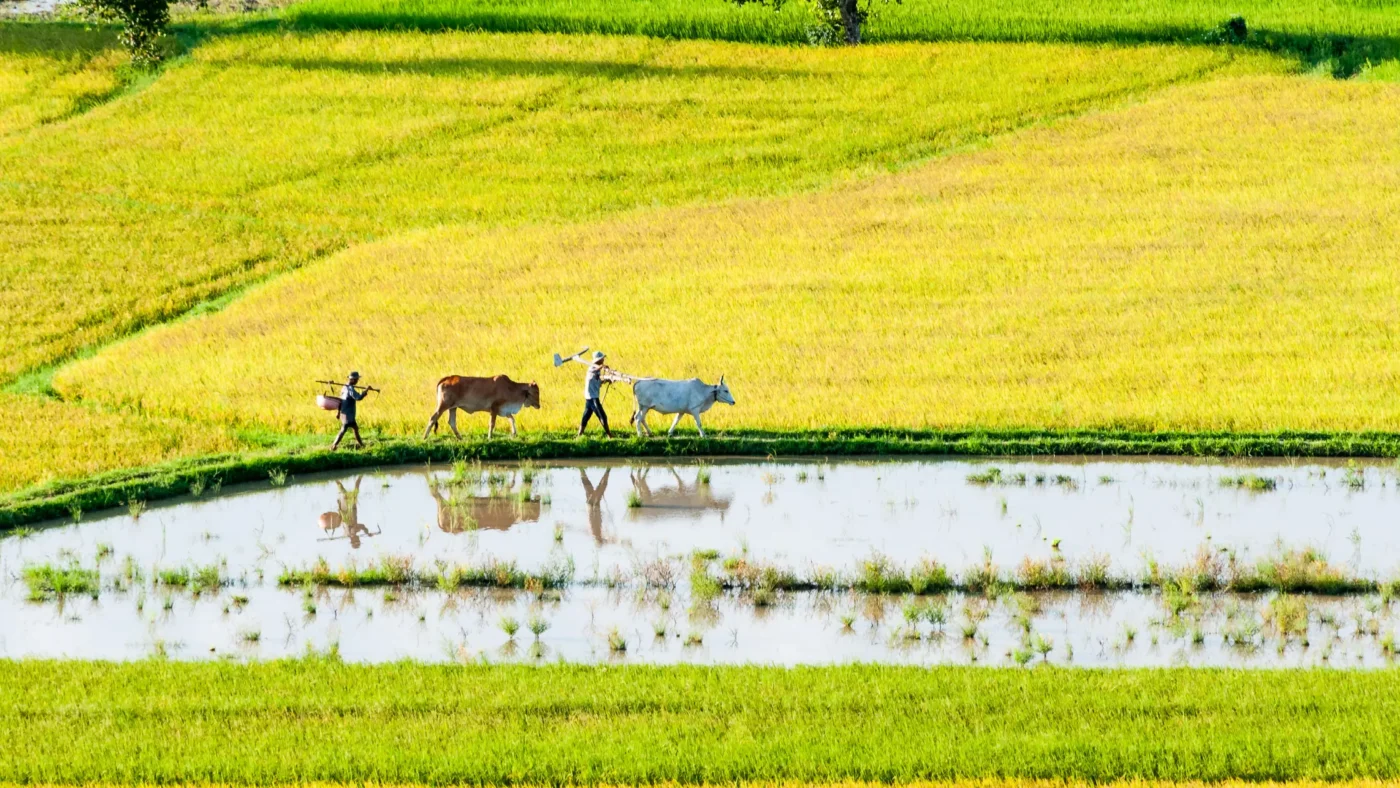
For travel companies building experiential Vietnam itineraries, agricultural activities can add meaningful local encounters and a change of pace to a programme. Depending on the destination and season, travellers can meet farmers, explore working farms, learn about traditional cultivation methods, take part in seasonal activities or discover how products such as rice and coffee make their way from farm to table.
Across Vietnam, these experiences vary considerably by region, making it possible to incorporate agricultural tourism into cultural, culinary, cycling and rural itineraries. This guide explores the main types of agricultural experiences available, where to find them and how seasonality can influence the experience.
TL;DR
Agricultural tourism in Vietnam offers travel professionals a way to connect travellers with the country’s rural landscapes, farming traditions and food culture. From rice fields and vegetable gardens in the north to tea plantations, coffee farms and the waterways of the Mekong Delta, experiences vary by region and season. Farm visits, harvesting, fishing, aquaculture and farm-to-table activities can be combined with cycling, cooking, village visits and cultural experiences, making them adaptable to different traveller profiles. The key to planning these experiences is choosing the right destination and timing to match seasonal farming activities with the wider itinerary.
What Is Agricultural Tourism in Vietnam?
Agricultural tourism, also known as agritourism, connects travel with the places, people and activities involved in farming and food production. In Vietnam, this can range from visiting rice fields and vegetable gardens to exploring coffee plantations, fruit orchards and family-run fish farms.
What makes agricultural tourism different from simply visiting the countryside is the opportunity to engage with local agriculture. These experiences offer a closer understanding of how farming shapes local communities, food traditions and the landscapes travellers encounter across Vietnam.
Vietnam’s geographical diversity gives agricultural tourism a particularly broad range of experiences. The fertile Mekong Delta is known for rice cultivation, fruit growing and aquaculture, while the Central Highlands are closely associated with coffee production. Around Hanoi and Hoi An, smaller-scale farms and fishing communities offer opportunities to explore rural livelihoods close to major cultural destinations.
For travel professionals, agricultural activities can provide an authentic way to complement a wider Vietnam itinerary, particularly when combined with cultural, culinary, cycling or community-based activities.
Types of Agricultural Tourism Experiences in Vietnam
Vietnam’s agricultural landscape is as diverse as its geography, so agricultural tourism can take many forms. Some experiences focus on hands-on activities, while others offer insight into traditional farming, local food production or the livelihoods of rural communities.
Rice Farming Experiences
Rice is central to Vietnam’s agricultural heritage and remains closely connected to the country’s landscapes, cuisine and rural livelihoods. From the fertile deltas in the north and south to the terraced rice fields of the northern mountains, rice cultivation takes different forms across Vietnam.
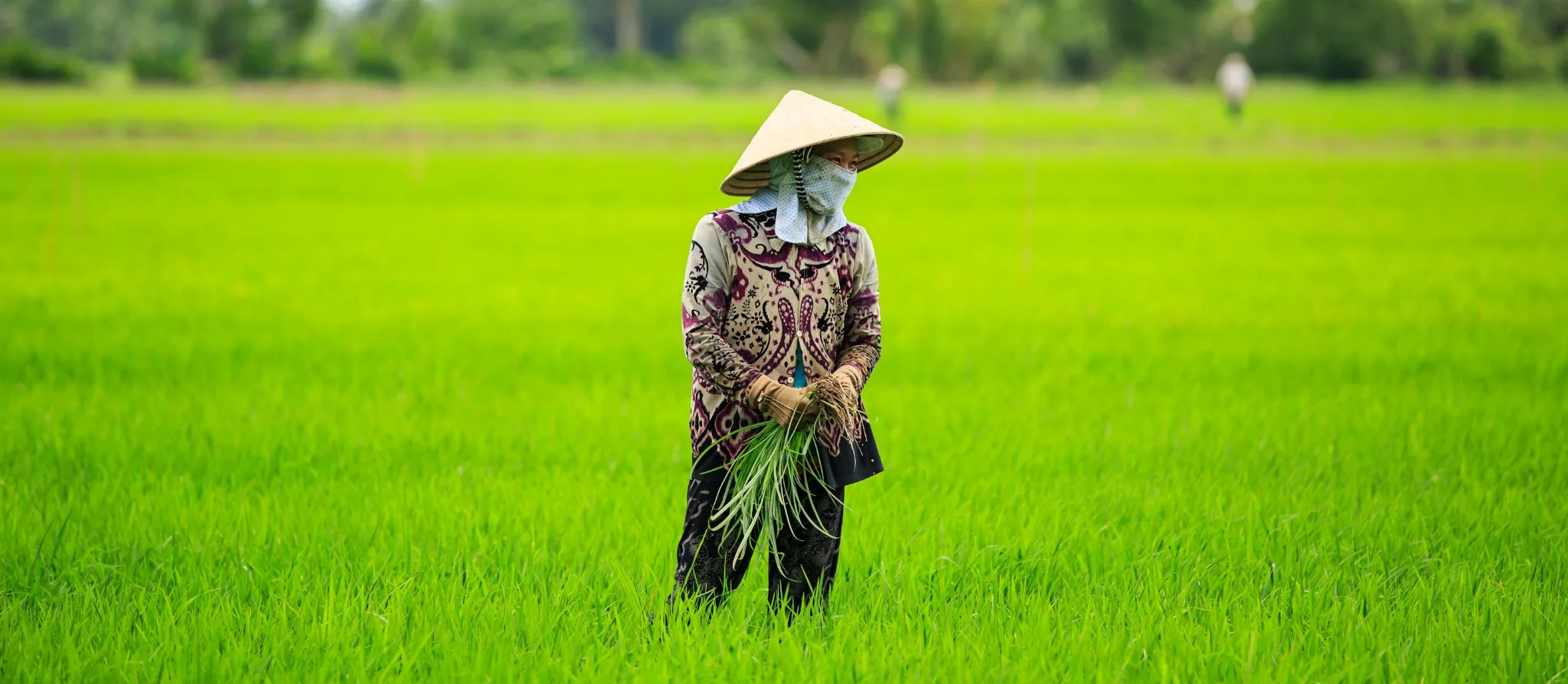
A visit to a working rice-growing area offers more than a chance to admire the scenery. Visitors can gain insight into the farming cycle by meeting local farmers, learning about cultivation methods and observing activities such as field preparation, seedling transplantation, crop tending and harvesting. Some experiences also include hands-on activities, providing a closer understanding of the work behind one of Vietnam’s most important staple foods.
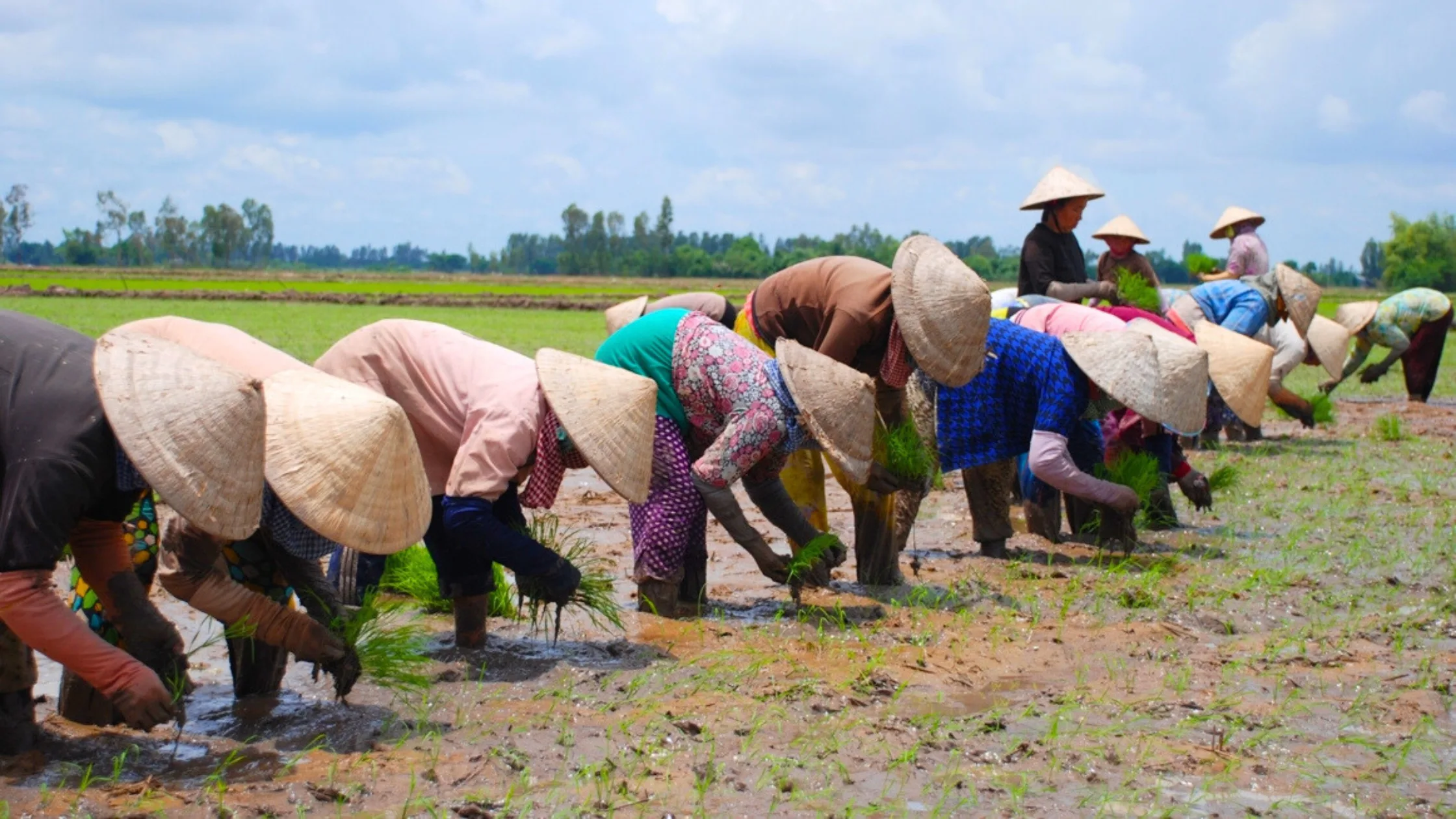
A rice-farming visit can fit naturally into cultural and rural itineraries, particularly when combined with village walks, cycling, local food experiences or community-based activities. They also offer a simple way to connect Vietnam’s landscapes with its food culture, giving visitors a better understanding of where the rice served at meals comes from and the communities that produce it.
Vegetable and Fruit Farm Experiences
Vietnam’s warm climate, varied terrain and fertile soils support a wide range of vegetables, fruits and other crops. Small-scale farms and family-run gardens can be found close to both cities and rural communities, making them an accessible way to discover the agricultural side of Vietnam.
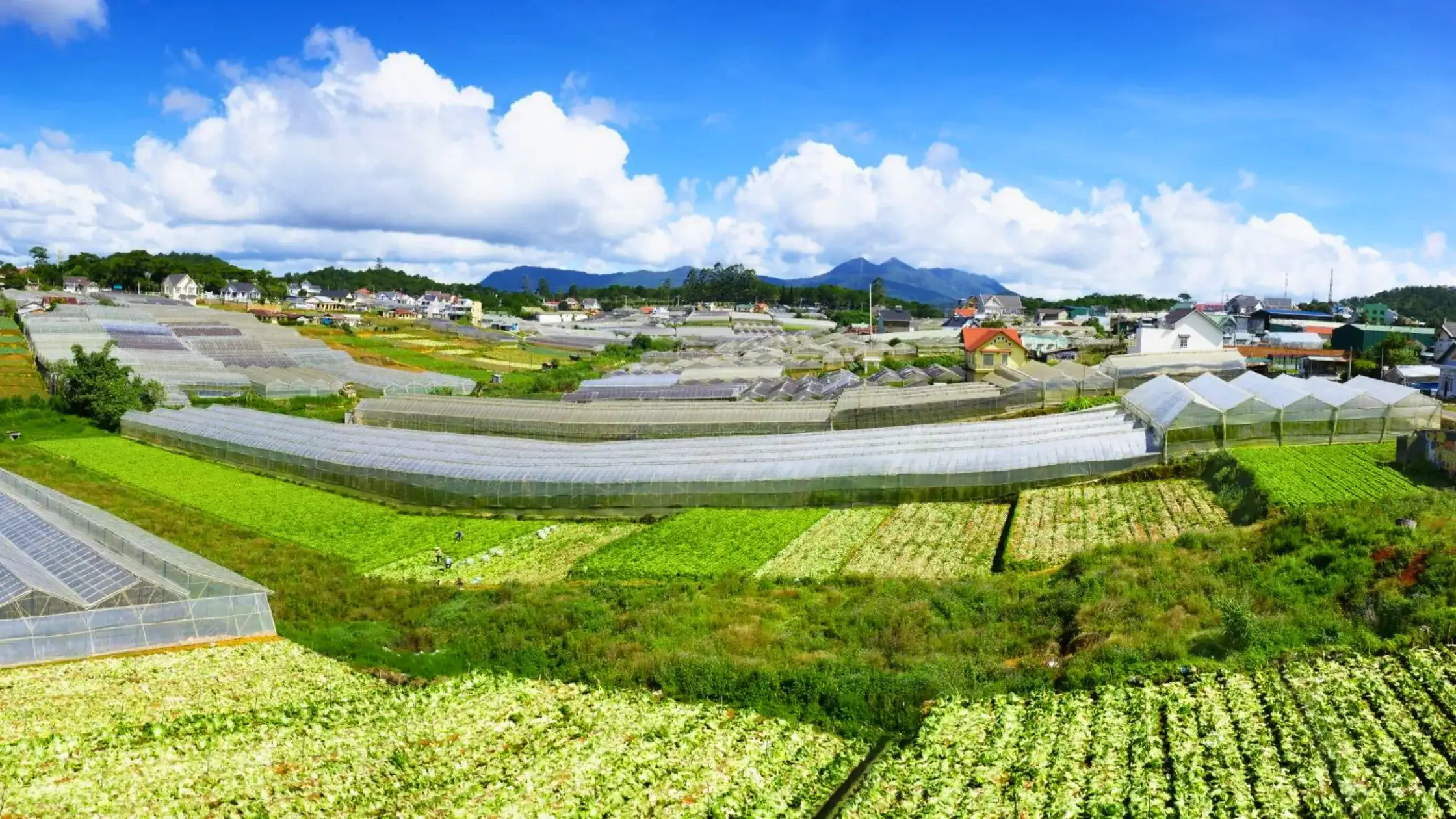
A farm visit may involve walking through vegetable gardens, learning how crops are grown and taking part in activities such as sowing, watering, tending or harvesting. The work visitors encounter varies with the stage of cultivation, while farmers can also explain how crops are selected according to the local climate, soil and growing conditions.
Fruit farming offers a different seasonal experience. Orchards across southern Vietnam produce tropical fruits such as mangoes, pomelos, coconuts and rambutans, with harvest periods varying by crop and location. Visiting during the right season can turn a simple farm visit into a more hands-on experience, with opportunities to see ripe fruit being picked and learn how it moves from the farm to local markets and kitchens.
Vegetable and fruit farms can also provide a natural connection to Vietnamese food culture. Freshly harvested produce is a fundamental part of everyday cooking, while visits to farming communities can help put familiar ingredients into context. A farm visit can add a quieter, more local dimension to a wider Vietnam itinerary, particularly alongside cycling, cooking or village experiences.
Coffee Farm Experiences
Coffee is an important part of Vietnam’s agricultural landscape and everyday culture, with the Central Highlands serving as the country’s main coffee-growing region. The area’s high elevation, fertile volcanic soils and climate provide favourable conditions for coffee cultivation, particularly Robusta varieties.
A coffee farm visit offers an opportunity to see what happens before the beans reach the cup. Depending on the season and location, visitors may learn about planting, cultivation and harvesting, as well as the steps involved in processing coffee cherries after they are picked. During harvest periods, farms can be particularly lively, with coffee cherries being collected and prepared for processing.
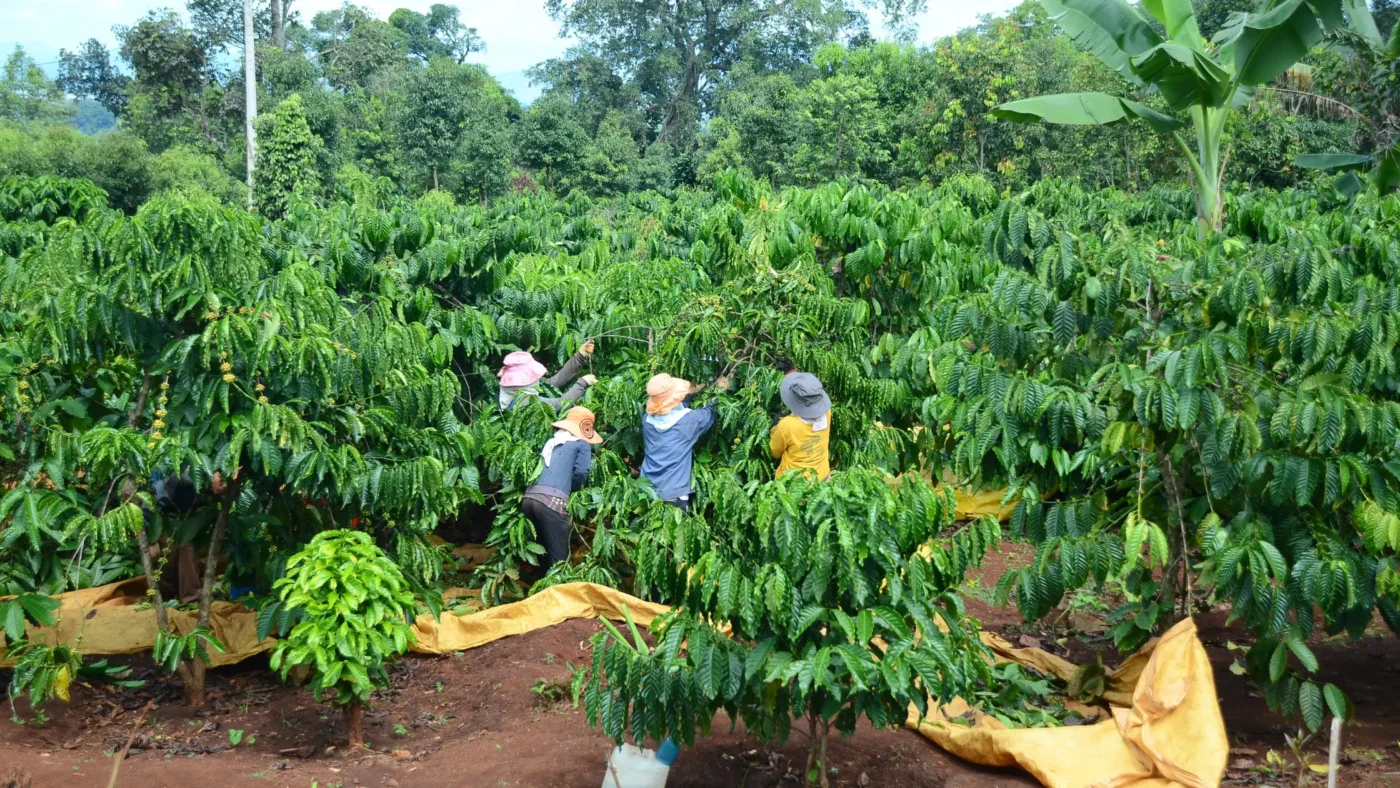
The experience can also reveal the strong connection between agriculture and Vietnamese coffee culture. Learning about how coffee is grown and processed provides useful context for the distinctive brewing methods and flavours found in cafés across the country.
Coffee experiences can work particularly well alongside cultural and culinary activities in the Central Highlands or as part of a wider journey through Vietnam. More detailed experiences can vary considerably between coffee-growing regions, making the choice of destination and season an important part of planning a farm visit.
Tea Plantation Experiences
Tea has been cultivated in Vietnam for centuries and remains an important part of the country’s agricultural and cultural heritage. Vietnam’s tea-growing areas range from the northern highlands to established tea-producing provinces such as Thai Nguyen, where green tea is closely associated with local farming traditions.
A visit to a tea plantation offers a chance to see how tea is cultivated, from caring for the tea bushes to picking and processing the leaves. Visitors can walk through the plantations, meet local growers and learn about traditional methods used to produce Vietnamese tea, with activities varying according to the farm and stage of the growing cycle.
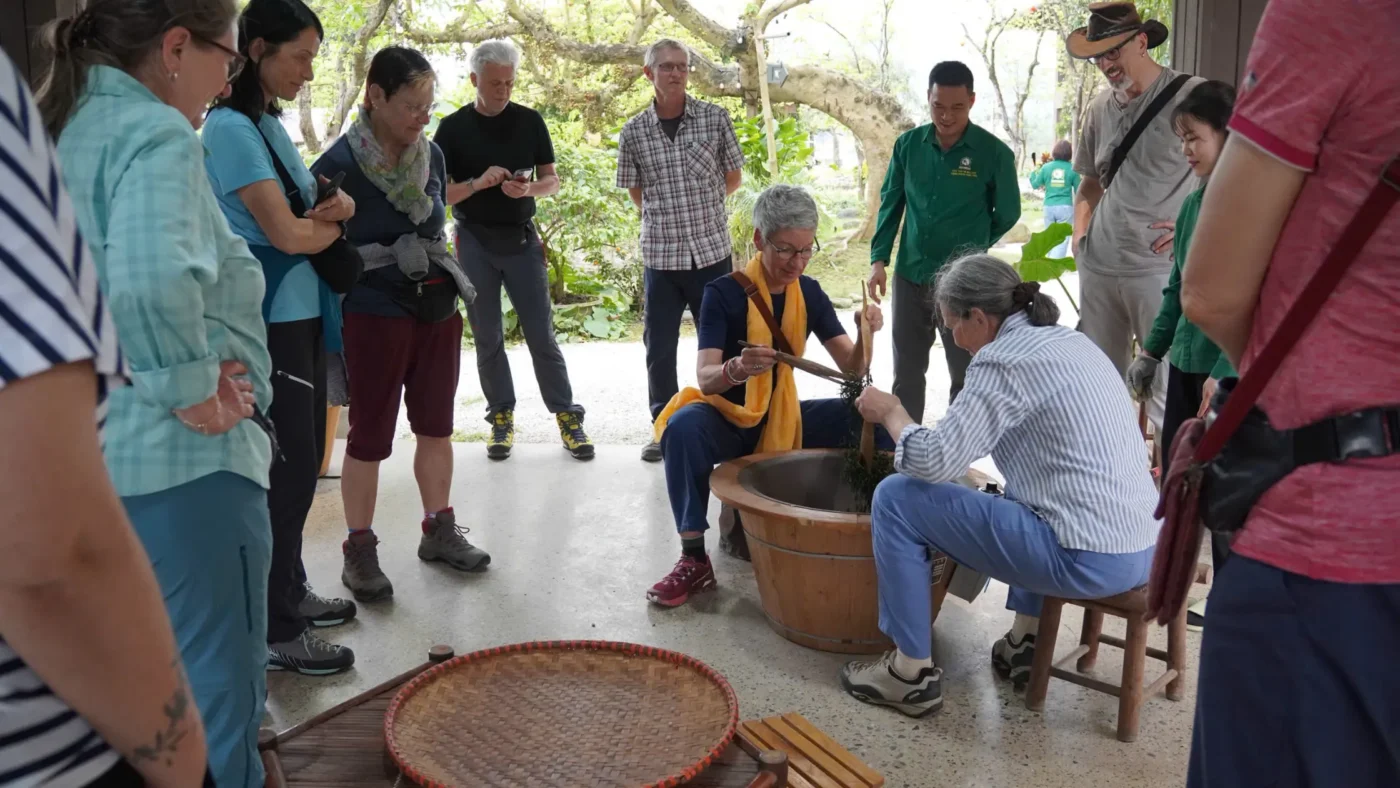
Tea experiences also provide an opportunity to explore the connection between agriculture and Vietnamese daily life. Tea is commonly served when welcoming guests and is an important part of social and family gatherings, making a plantation visit as much a cultural experience as an agricultural one.
For a closer look at one of Vietnam’s best-known tea-growing areas, explore our guide to Thai Nguyen Tea Plantation, where tea cultivation, local farming traditions and the surrounding countryside come together in one experience.
Fishing and Aquaculture Experiences
With an extensive network of rivers, canals, wetlands and coastal waters, Vietnam has a long-standing connection with fishing and aquaculture. In many rural communities, waterways are not simply part of the landscape but an important source of food and income.
Fishing experiences can offer an insight into traditional livelihoods and the skills passed down through generations. Local fishermen may demonstrate the use of nets, traps and other traditional equipment, with some experiences allowing visitors to take part in catching freshwater or coastal species.
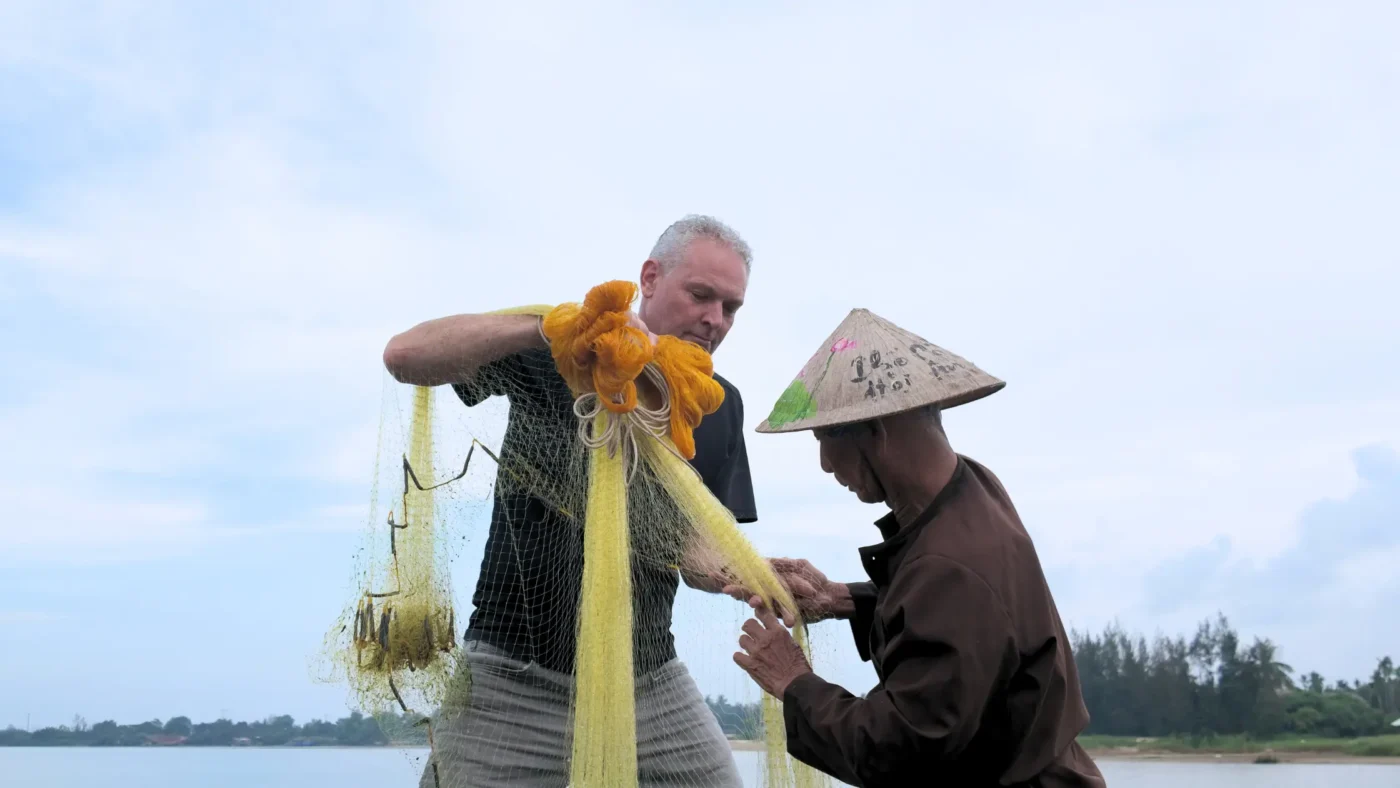
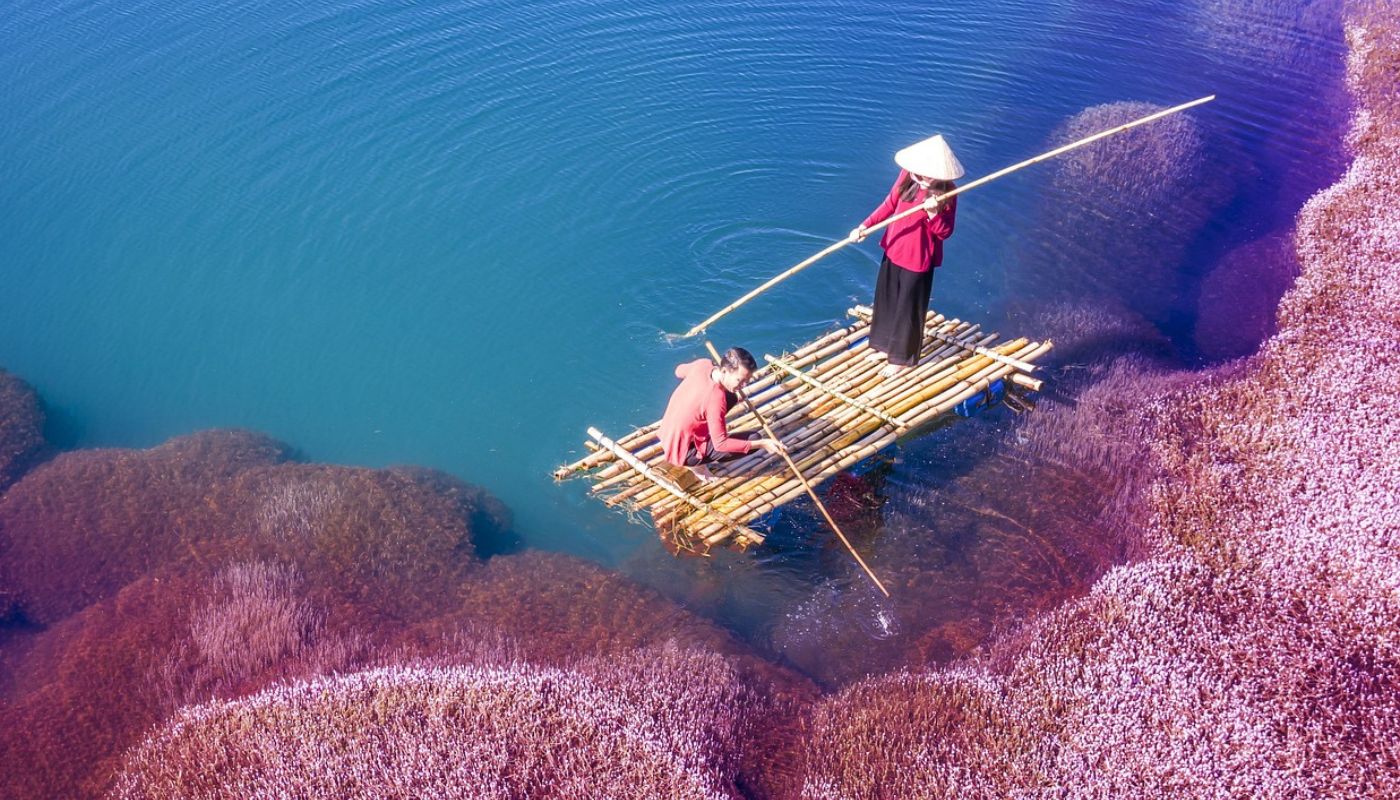
Aquaculture provides another perspective on Vietnam’s relationship with its waterways. Family-run fish farms and larger farming areas can show how freshwater species are raised, fed and harvested for local markets. In the Mekong Delta in particular, fish farming is closely connected to the region’s network of rivers and canals and the communities living along them.
Fishing and aquaculture activities can also complement other rural experiences, such as boat trips, cycling, cooking or visits to local communities. Together, they help illustrate how Vietnam’s waterways shape both agricultural production and everyday life.
Farm-to-Table Experiences
Vietnamese cuisine is closely connected to the country’s agricultural landscape. Rice, vegetables, herbs, fruit, coffee, tea and freshwater fish all play an important role in everyday meals, making food an accessible way to understand the relationship between farming and local life.
Farm-to-table experiences bring that connection to life by showing where ingredients come from before they reach the kitchen. Depending on the destination, a programme may include visiting a farm or garden, selecting seasonal produce, learning about local cultivation methods and then using the ingredients in a traditional meal or cooking activity.
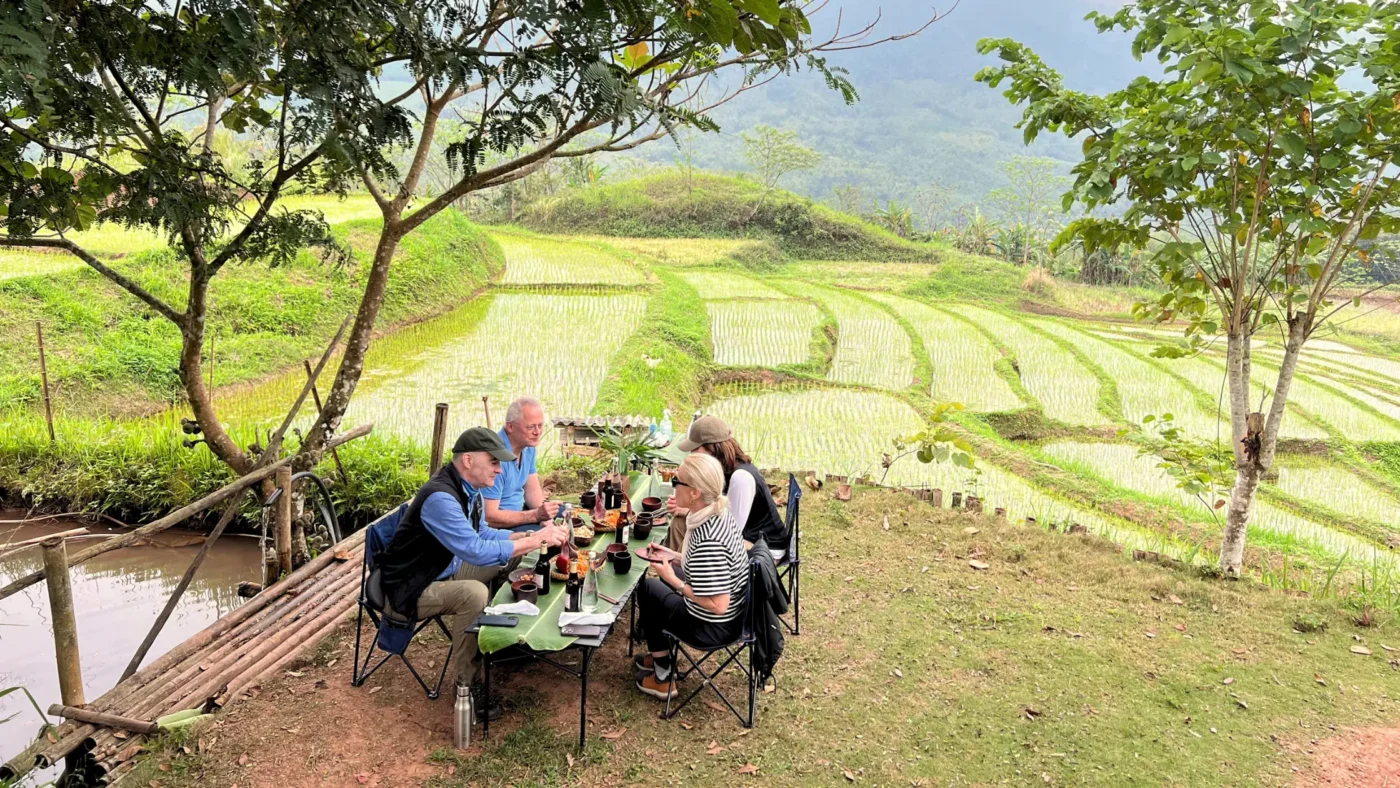
Seasonality is an important part of the experience. The ingredients available on a farm can change throughout the year, so a visit during harvest season may offer a very different experience from one outside the main growing period. This also provides a more authentic insight into how local communities adapt their cooking to what is available.
Combining agricultural activities with food experiences can add depth to an itinerary, particularly in rural areas where farming and cuisine are closely intertwined. Rather than simply tasting a finished dish, visitors can follow part of its journey from the field, orchard, plantation or waterways to the table.
Where to Experience Agricultural Tourism in Vietnam
Agricultural experiences can be found across Vietnam, but the type of farming and the experiences available vary considerably from one region to another. The country’s long north-to-south geography, different climates and varied landscapes have shaped distinct agricultural traditions, from rice cultivation in the deltas to tea and coffee production in the highlands.
Northern Vietnam
Northern Vietnam offers some of the country’s most varied agricultural landscapes, shaped by the contrast between fertile lowlands, rolling hills and mountainous terrain. Around Hanoi and across the Red River Delta, rice paddies and vegetable gardens form an important part of the countryside, with smaller farms providing a closer look at everyday agricultural life outside the capital.
Further north, tea cultivation becomes an important part of the landscape and local economy. Thai Nguyen is particularly well known for its tea-growing traditions, with plantations covering the surrounding hills and producing the region’s distinctive green tea. A visit to a tea-growing area can combine an agricultural experience with an introduction to local tea culture and rural life.
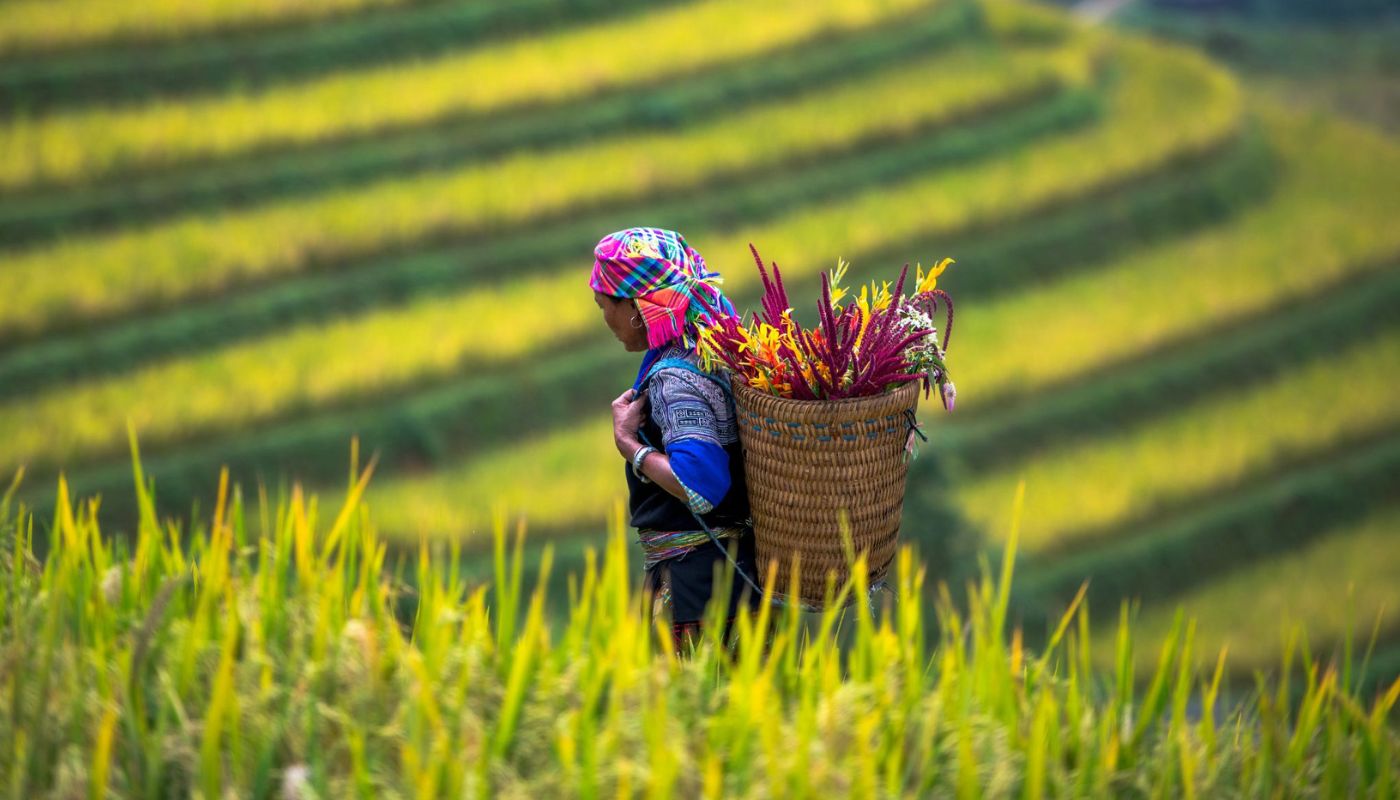
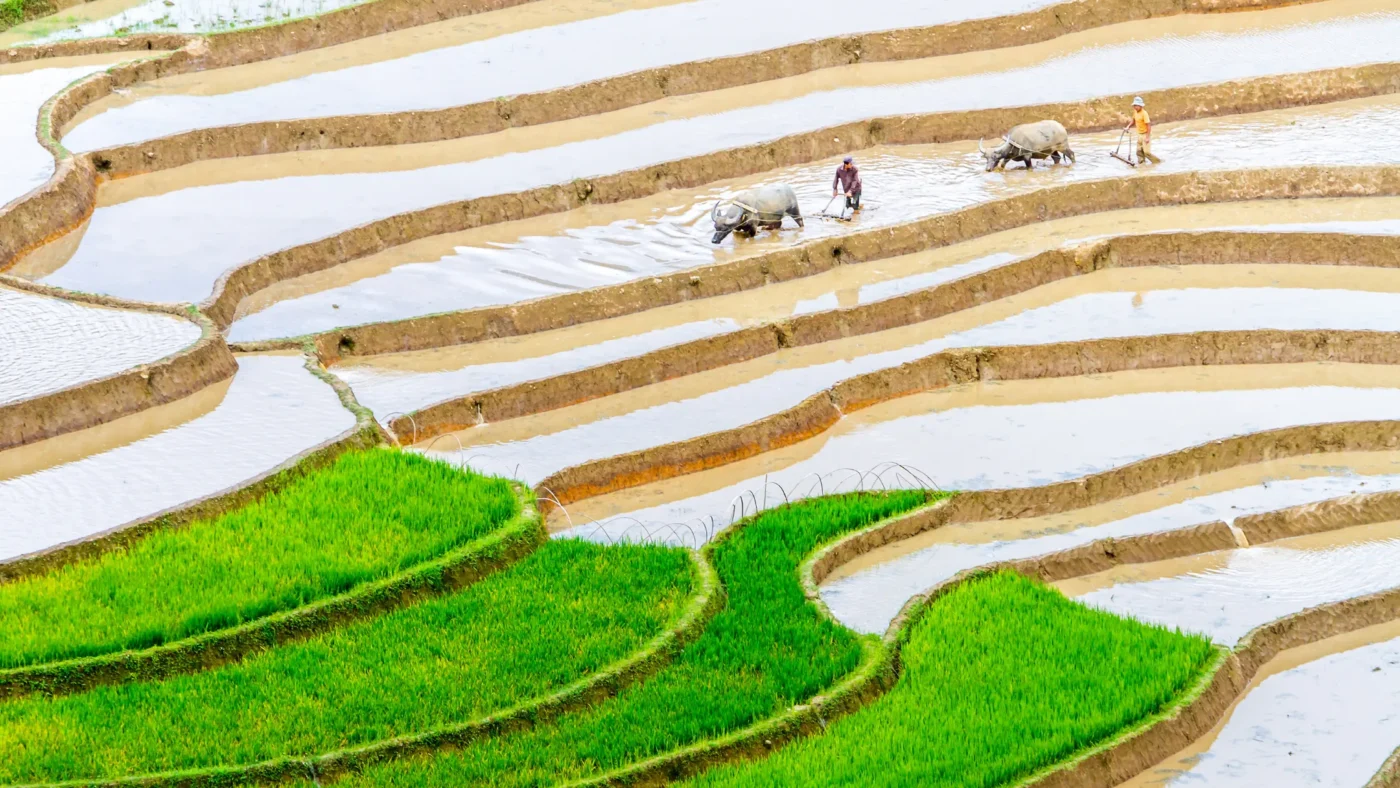
In the northern mountains, rice cultivation takes on a very different character. Terraced fields have been shaped into steep hillsides, creating distinctive landscapes in areas such as Mu Cang Chai and Hoang Su Phi. The appearance of these terraces changes throughout the farming cycle, from flooded fields during preparation and planting to vibrant green crops and golden terraces around harvest time.
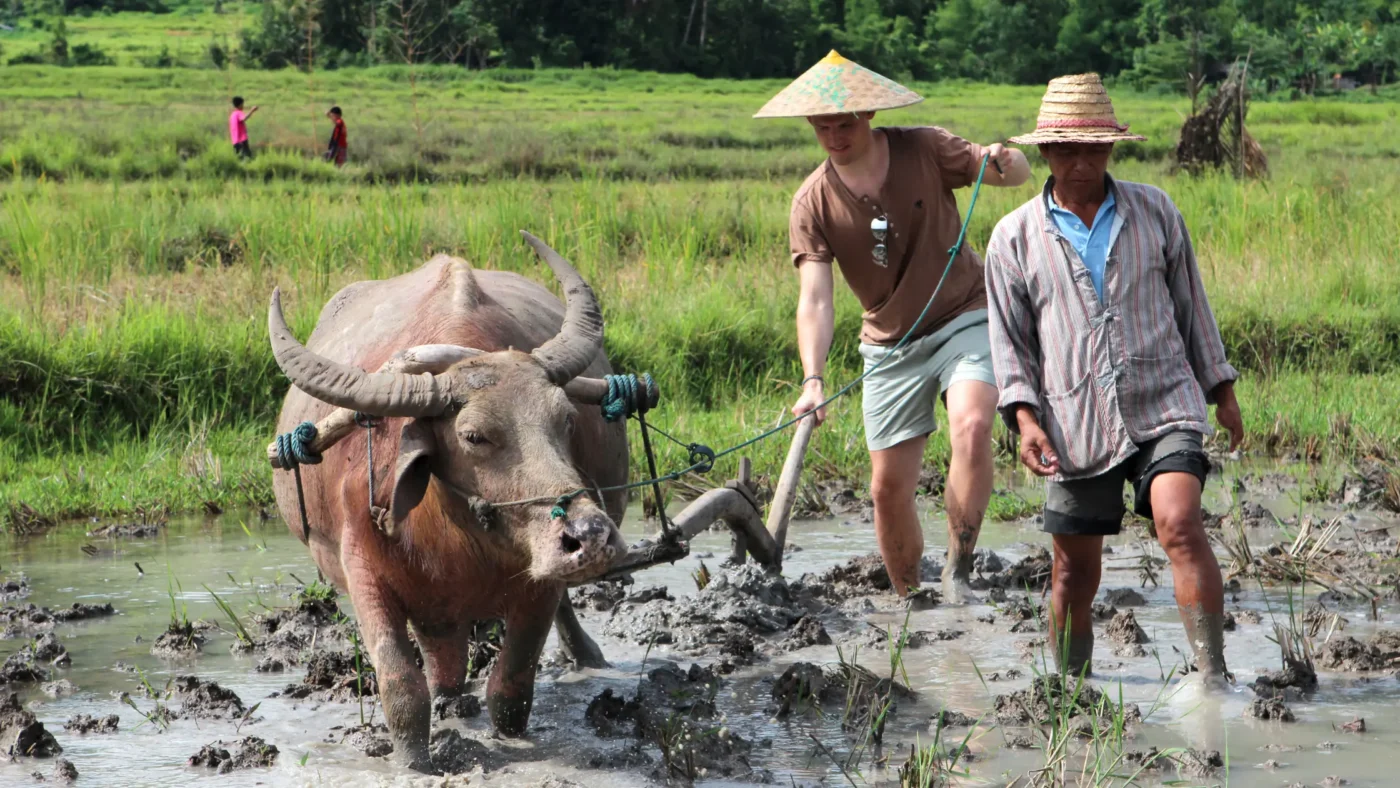
This variety makes Northern Vietnam particularly suitable for building agricultural elements into cultural and rural programmes. A programme can incorporate farm visits, tea plantations, village encounters, cycling or walks through agricultural landscapes without requiring a long departure from the region’s main cultural destinations.
Central Vietnam
Central Vietnam offers a different perspective on agricultural tourism, where farming is closely connected to coastal landscapes, rivers and traditional village life. Around Hoi An, fertile land along the Thu Bon River supports vegetable cultivation, while nearby waterways have long sustained fishing and aquaculture communities.
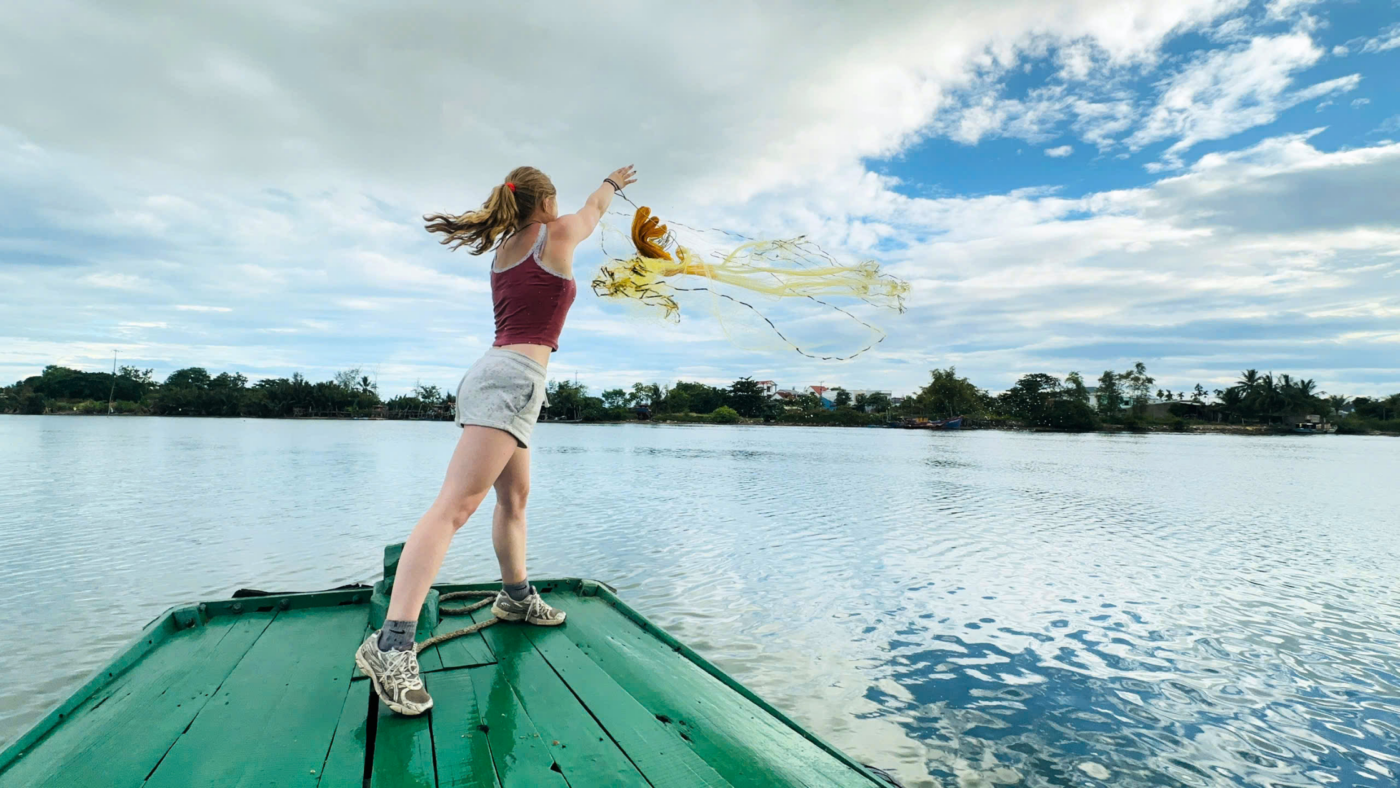
The countryside surrounding Hoi An is particularly well suited to experiences that combine agriculture with other forms of rural exploration. Visitors can discover vegetable gardens, learn about traditional cultivation methods and take part in simple farming activities suited to the local setting and time of year. In nearby fishing communities, traditional techniques and basket boats provide another way to understand how local livelihoods have developed around the region’s waterways.
Further inland, the agricultural landscape changes as the terrain rises towards the Central Highlands. Coffee, pepper and other crops become increasingly important, creating a transition from the coastal farming communities of Central Vietnam to the plantation landscapes further west.
The region’s agricultural experiences can therefore complement cultural visits to Hoi An and other destinations in Central Vietnam, adding opportunities for cycling, village exploration, food experiences and encounters with local communities.
Southern Vietnam
Southern Vietnam is home to some of the country’s most productive agricultural landscapes, with the Mekong Delta at their centre. Formed by a dense network of rivers and canals, the Delta’s fertile soils and abundant water support a diverse range of agricultural activities, including rice cultivation, fruit growing, vegetable farming and aquaculture.
Rice remains one of the defining features of the region. Vast paddy fields stretch across the Delta, while smaller farms and orchards produce a wide variety of tropical fruit. The waterways also support extensive fish farming, making agriculture and aquaculture closely connected to everyday life in many riverside communities.
Fruit orchards provide another seasonal dimension to agricultural experiences in the south. Depending on the location and time of year, visitors may explore orchards, learn about local cultivation methods and see tropical fruits being harvested. These visits can also be paired with opportunities to taste fresh produce and discover how it is used in local cuisine.
The Mekong Delta’s waterways make it particularly easy to combine agricultural experiences with boat journeys and visits to rural communities. Travelling between farms, orchards and villages by boat or bicycle can provide a more intimate view of the region and show how closely transport, agriculture, food and daily life are connected.
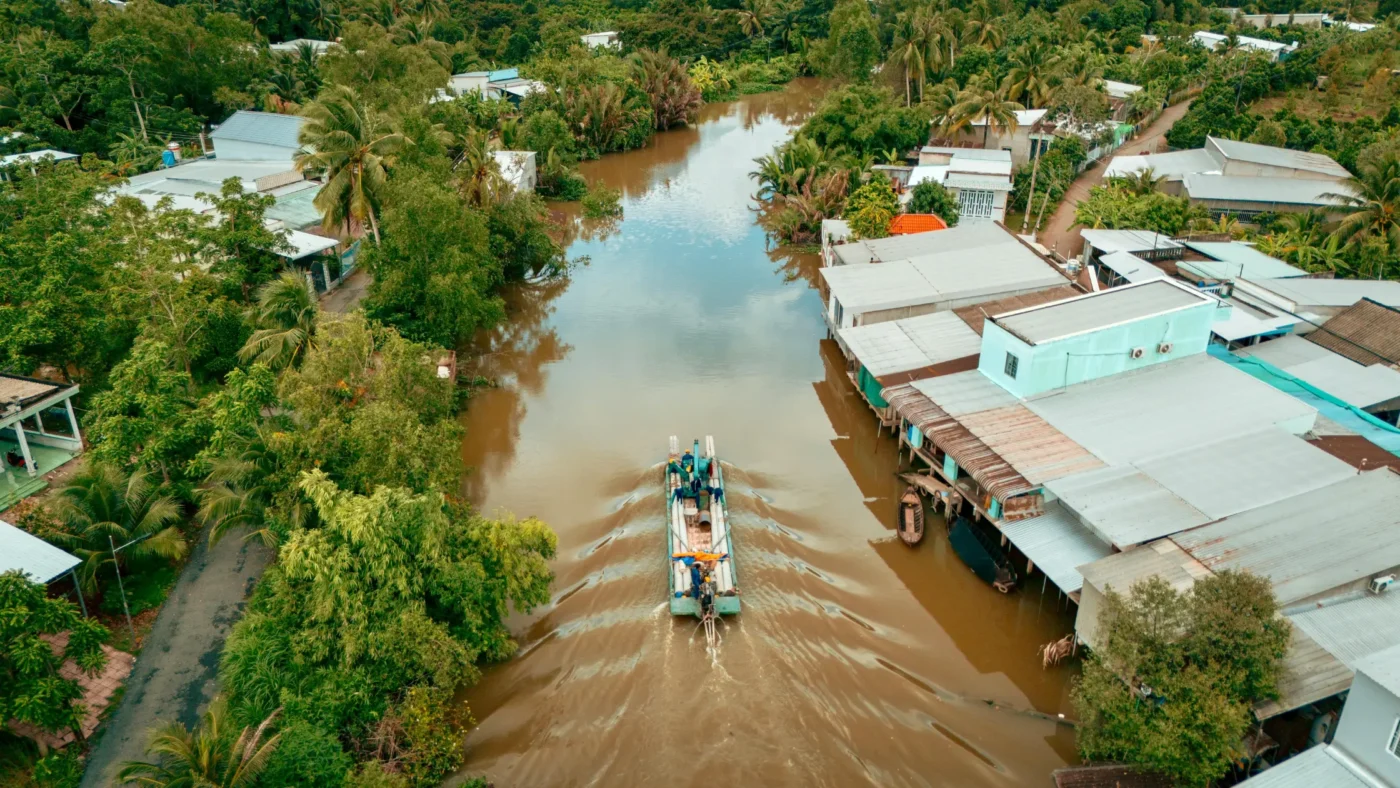
Beyond the Mekong Delta, southern Vietnam also includes other agricultural areas producing crops such as coffee, pepper, cashews and rubber. This wider agricultural diversity provides opportunities to explore different farming landscapes when building longer journeys through the south.
When Is the Best Time for Agricultural Tourism in Vietnam?
There is no single best time for agricultural tourism across Vietnam. Farming follows different cycles depending on the crop, region, weather and local growing conditions, so the experience can change considerably throughout the year. Understanding these seasonal differences is particularly useful when matching an agricultural experience with a wider Vietnam itinerary.
Rice-Growing Seasons
Rice cultivation takes place throughout much of Vietnam, but the farming calendar varies considerably between regions. This means the appearance of a rice-growing area can change significantly depending on when it is visited, from freshly prepared and flooded fields to bright green crops and golden fields ready for harvest.
In Northern Vietnam, particularly in the Red River Delta, rice is closely integrated into the agricultural landscape surrounding villages and communities. Further north, the terraced rice fields of the mountains follow a more pronounced seasonal cycle. During the preparation and planting period, water-filled terraces can create reflective landscapes across the hillsides. As the rice grows, the terraces turn green before gradually taking on golden tones towards harvest.
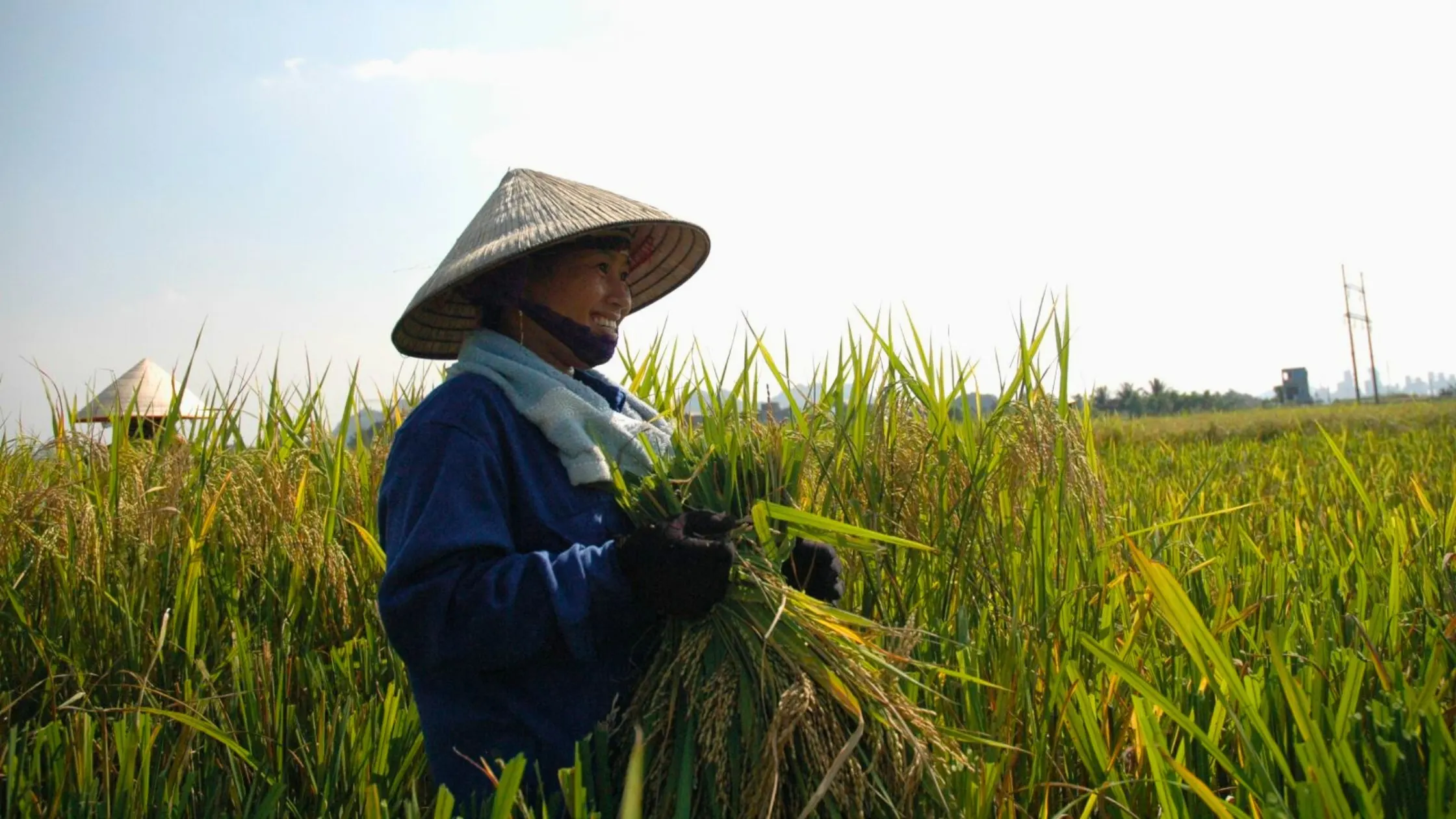
The Mekong Delta follows different cultivation patterns because of its tropical climate, extensive waterways and irrigation systems. Rice can be grown in multiple cropping cycles in some parts of the Delta, so the timing of planting and harvesting varies between locations. This makes the region suitable for agricultural experiences at different points of the year, although the specific activities available depend on the local farming calendar.
For itinerary planning, the key is to identify the specific rice-growing area and stage of the farming cycle rather than relying on a single nationwide rice season. Travellers interested in seeing planting, harvesting or particular rice-field landscapes should have the timing checked locally before the trip.
Coffee Harvest Season
Vietnam’s main coffee-growing region is the Central Highlands, where coffee plantations cover large areas of the landscape around destinations such as Buon Ma Thuot. The coffee harvest generally takes place towards the end of the year, although the exact timing can vary depending on location, weather and growing conditions.
During the harvest, coffee plantations become particularly active as ripe coffee cherries are picked and gathered for processing. Visiting during this period can provide a more vivid insight into the agricultural work behind Vietnam’s coffee industry, with opportunities to see how cherries are collected, sorted and prepared after picking.
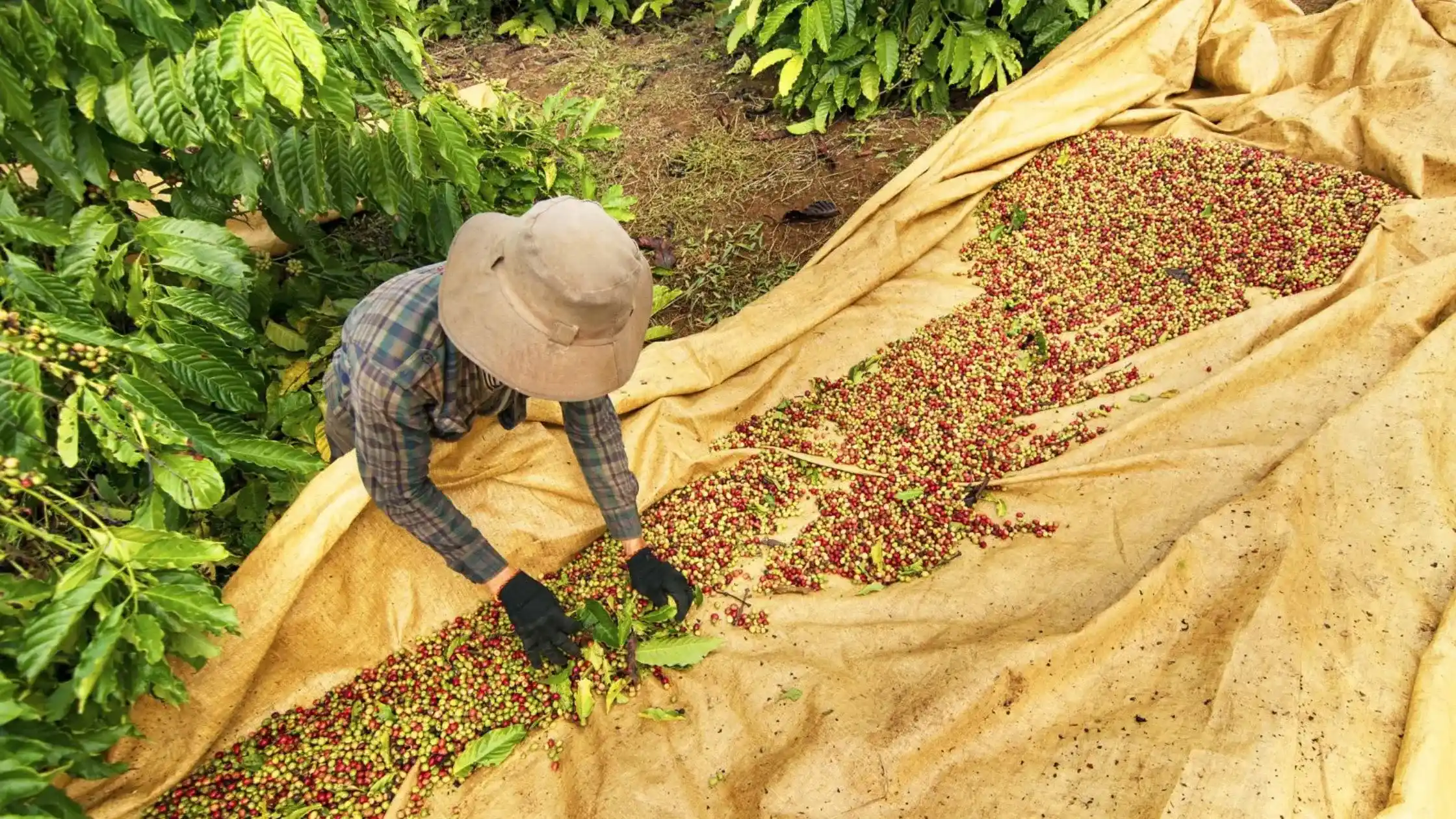
Outside the main harvest, a coffee farm visit can still be worthwhile. Different stages of cultivation provide an opportunity to understand how coffee plants are cared for throughout the year, while processing facilities and coffee-focused experiences can offer insight into what happens after the crop leaves the plantation.
The harvest period can therefore be an important consideration when building a coffee-focused itinerary, particularly when the aim is to see agricultural activity taking place in the fields. However, the exact timing should be confirmed with local farms, as seasonal conditions can affect when harvesting begins and how long it continues.
Seasonal Farming Experiences
Agricultural experiences beyond rice and coffee are also closely shaped by the seasons. Vegetables, fruit and tea all follow their own growing and harvesting cycles, so the activities available at a farm or plantation can change throughout the year.
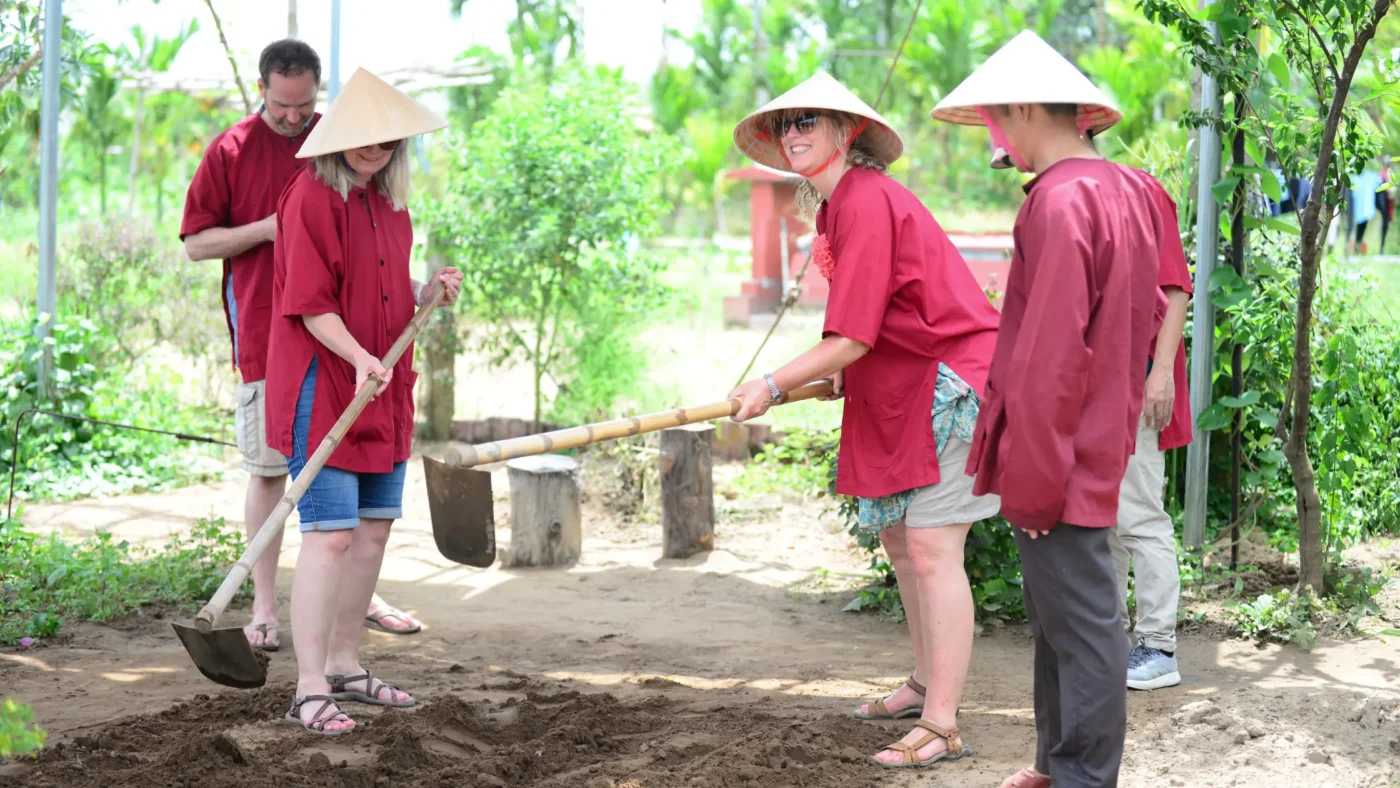
Vegetable farms can offer different hands-on activities depending on the stage of cultivation. At one time of year, visitors may see farmers preparing soil and planting new crops; at another, they may be able to help with watering, tending or harvesting. Around Hanoi and Hoi An, for example, smaller farming communities can provide an accessible introduction to how fresh produce is grown close to major tourism destinations.
Fruit orchards are particularly seasonal. Different parts of southern Vietnam produce mangoes, pomelos, coconuts, rambutans and other tropical fruits at different times, meaning the most interesting period for an orchard visit depends on the specific crop and location. Visiting during harvest can add a more hands-on element, while other periods may focus more on cultivation and learning about local farming practices.
Tea plantations also change with the farming cycle. In tea-growing areas such as Thai Nguyen, the appearance of the plantations and the work taking place among the tea bushes can vary according to local harvesting periods and weather conditions. A visit can combine an agricultural experience with an introduction to Vietnamese tea culture and the methods used to produce the finished leaves.
Because these activities are governed by natural growing cycles, there is no single agricultural calendar that applies across Vietnam. With local knowledge and on-the-ground support, Footprint Travel can help trade partners match agricultural experiences with the right destinations, seasons and itinerary requirements.
Why Include Agricultural Tourism Experiences in a Vietnam Itinerary?
Agricultural experiences can add a different dimension to a Vietnam itinerary, taking visitors beyond the country’s major attractions and into the landscapes and communities that shape everyday life. Their flexibility also makes them suitable for cultural, culinary and active itineraries.
Add Authentic Local Interaction
Agricultural experiences create opportunities to meet the people behind Vietnam’s rural landscapes. A visit to a working farm, tea plantation, coffee-growing area or fishing community can bring travellers into direct contact with farmers and local producers, offering perspectives that are difficult to gain through conventional sightseeing alone.
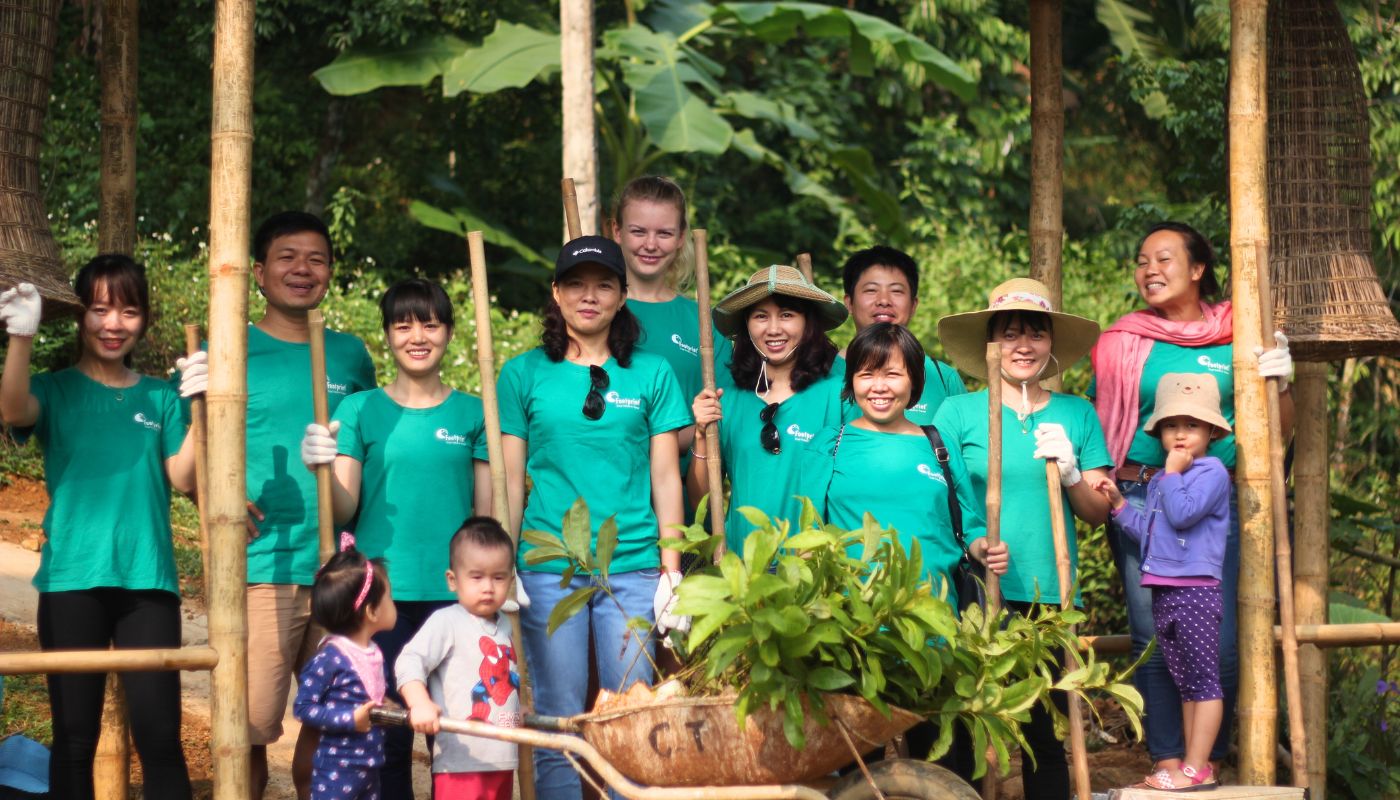
The interaction can be as simple as learning how a particular crop is grown, seeing the tools used in everyday farming or hearing how agricultural traditions have been passed between generations. Where hands-on activities are available, taking part in seasonal work can make the encounter more engaging while giving a better sense of the time, skill and knowledge involved in producing familiar ingredients.
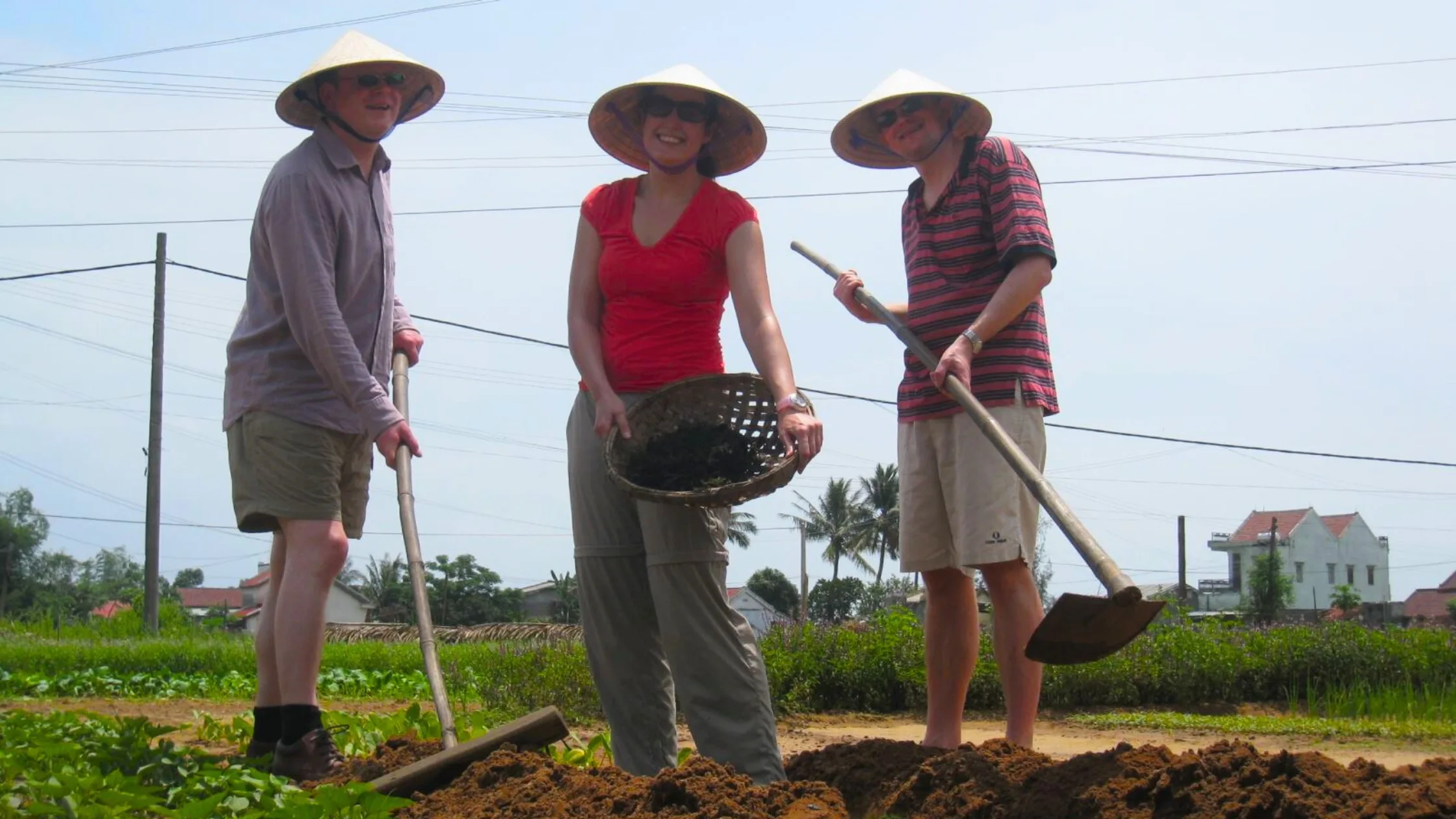
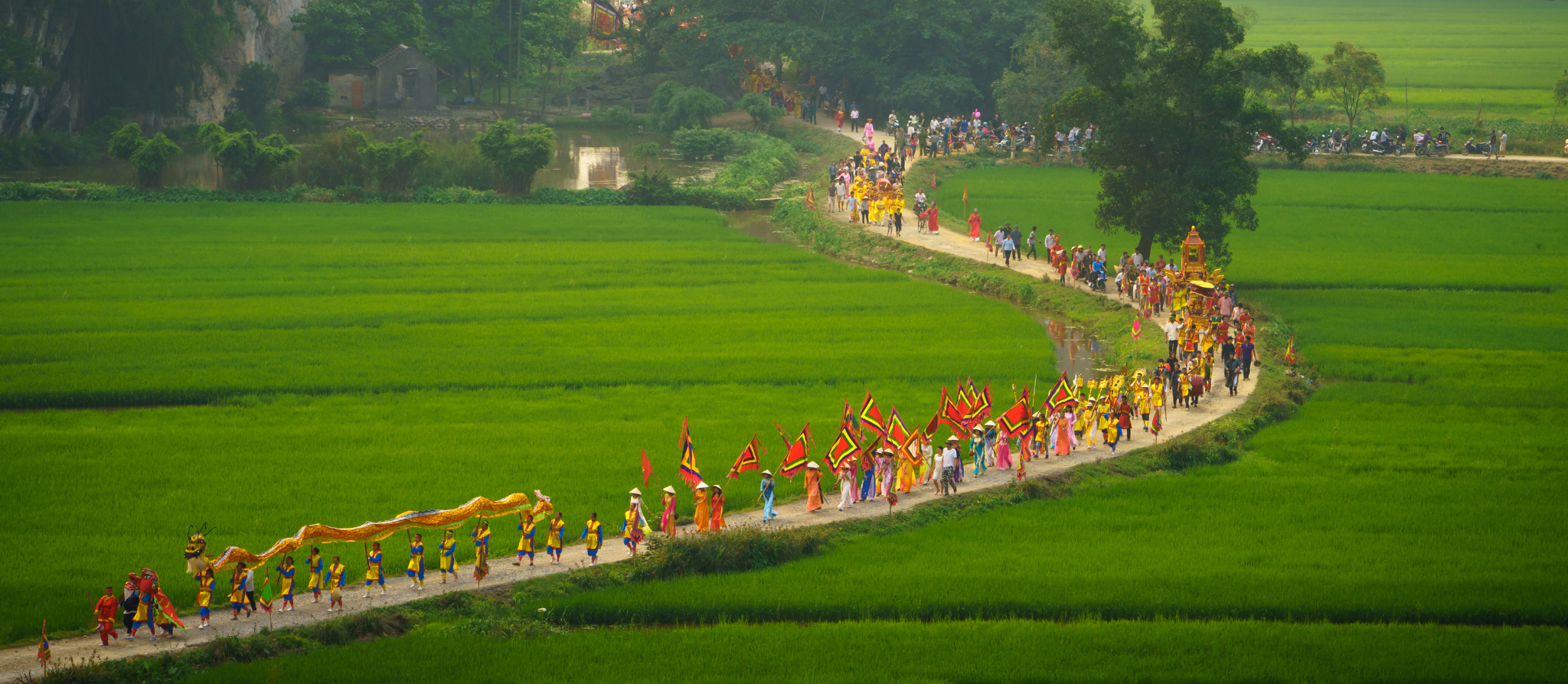
These encounters can also reveal how agriculture fits into wider community life. Farming often influences local food traditions, family routines, celebrations and relationships with the surrounding environment. Combined with a village visit or other community-based experience, an agricultural activity can therefore provide a more rounded understanding of the destination and the people who live there.
Connect Agriculture with Vietnamese Food Culture
Vietnamese food culture begins long before a dish reaches the table. Rice fields, vegetable gardens, fruit orchards, tea plantations, coffee farms and waterways all contribute ingredients that feature in everyday meals and local culinary traditions. Exploring where these products are grown can therefore add context to the food experiences found throughout a Vietnam itinerary.
A visit to a farm or plantation can reveal how local ingredients are cultivated, harvested and prepared for use. In some places, seasonal produce can be picked directly from the garden before being used in a cooking activity, while visits to coffee and tea-growing areas can introduce the processes behind two of Vietnam’s most widely enjoyed drinks.
Agriculture also helps explain why Vietnamese cuisine varies between regions. The fertile Mekong Delta, for example, provides an abundance of rice, fruit and freshwater produce, while the Central Highlands is closely associated with coffee and other highland crops. Northern farming communities have their own traditions shaped by the region’s climate, terrain and seasonal crops.
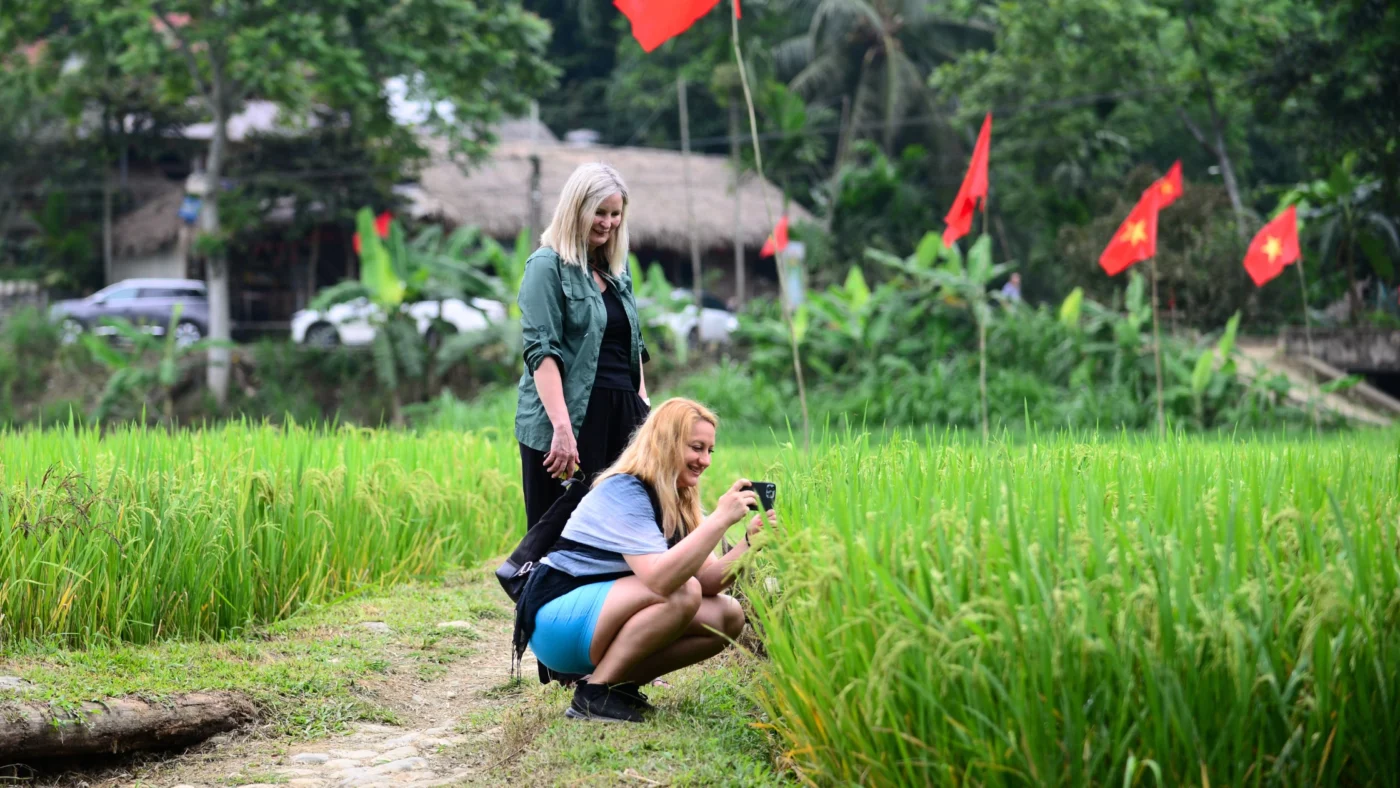
Bringing agriculture into local food, cooking or market experiences can create a more connected story. Rather than experiencing Vietnamese cuisine only at the table, visitors can follow part of the journey from the farm or waterway to the finished dish.
Experience Rural Vietnam Beyond the Major Attractions
Vietnam’s major cities, heritage sites and natural attractions are important parts of any itinerary, but they do not tell the whole story of the country. Much of everyday life takes place in the countryside, where farming, fishing and food production continue to shape local communities and landscapes.
Agricultural experiences provide a way to explore this side of Vietnam without necessarily travelling far from established destinations. Vegetable gardens and farming communities can be found around Hanoi and Hoi An, while tea plantations, rice terraces and coffee-growing areas offer opportunities to explore different rural landscapes further from the main tourism centres.
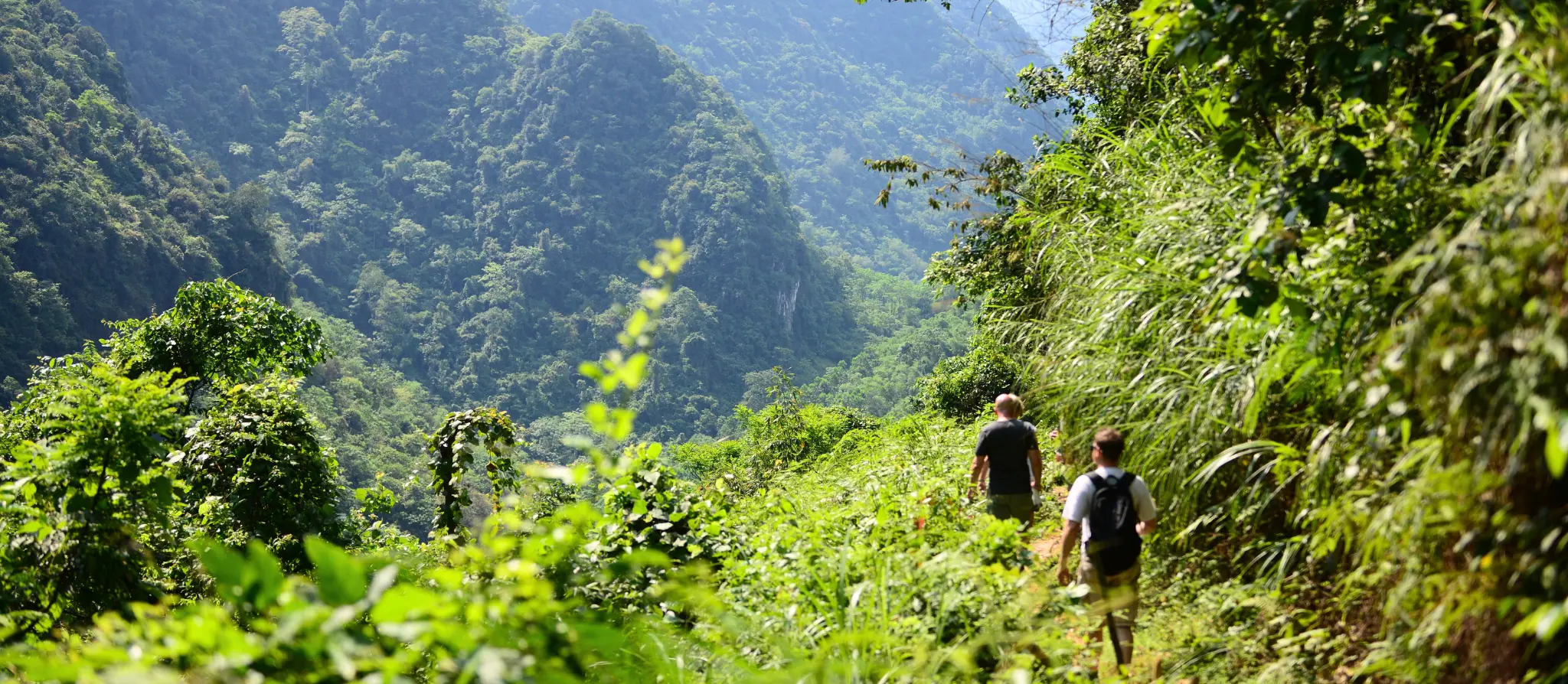
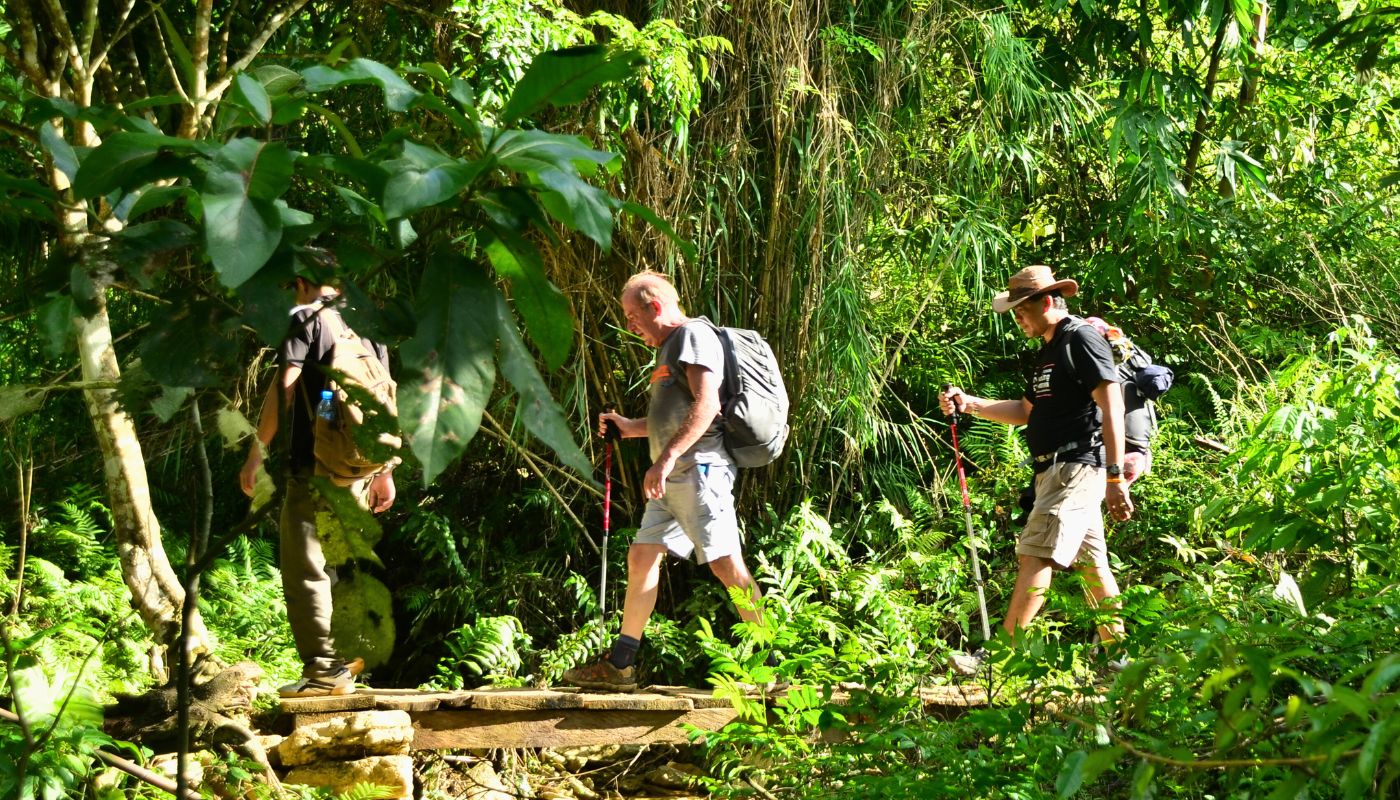
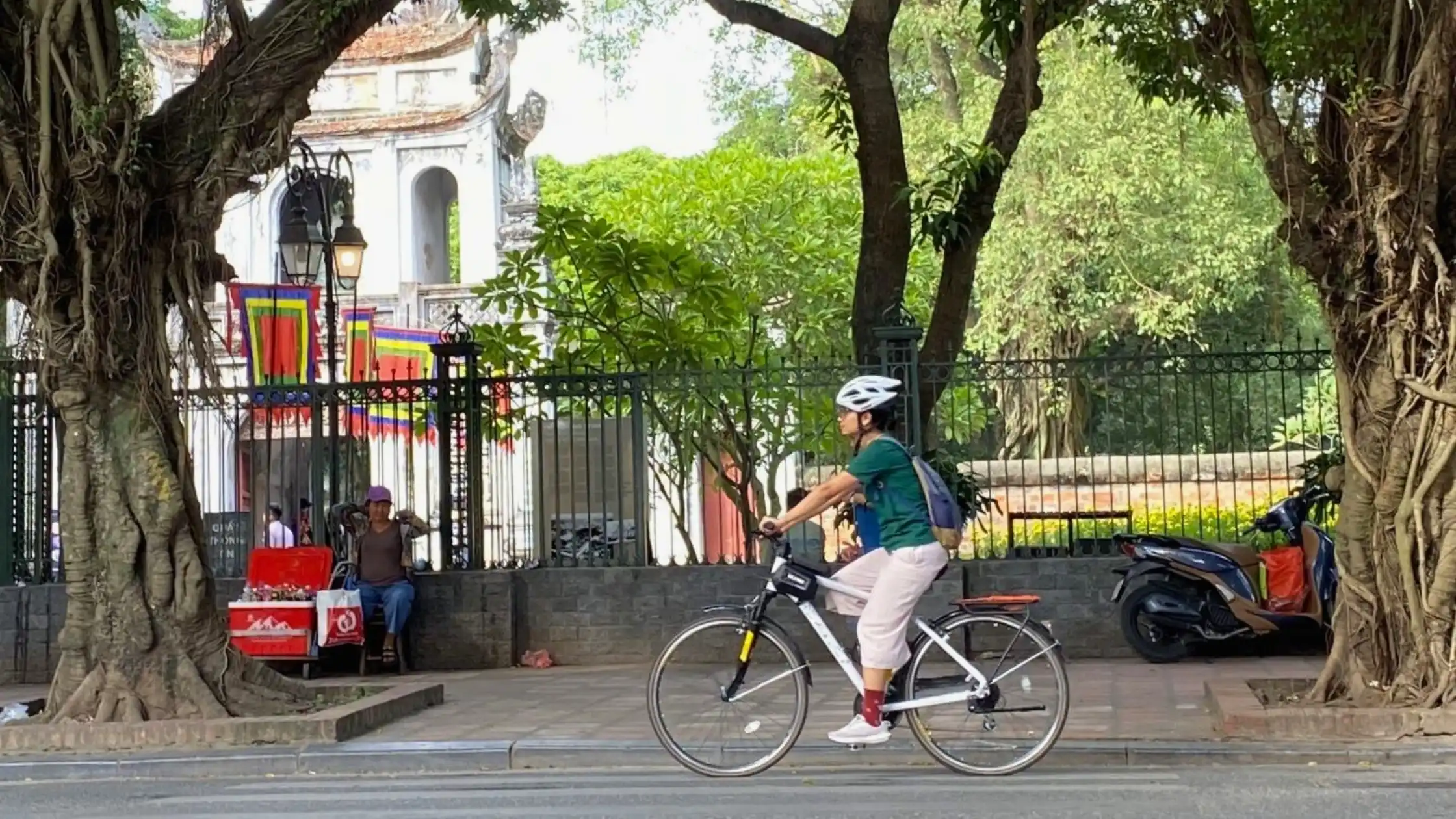
The experience can also change the pace of an itinerary. After time spent exploring busy streets, historic sites or major attractions, a walk through a farm, cycle between rice fields or visit to a local plantation can offer a quieter setting and more personal interaction with the destination.
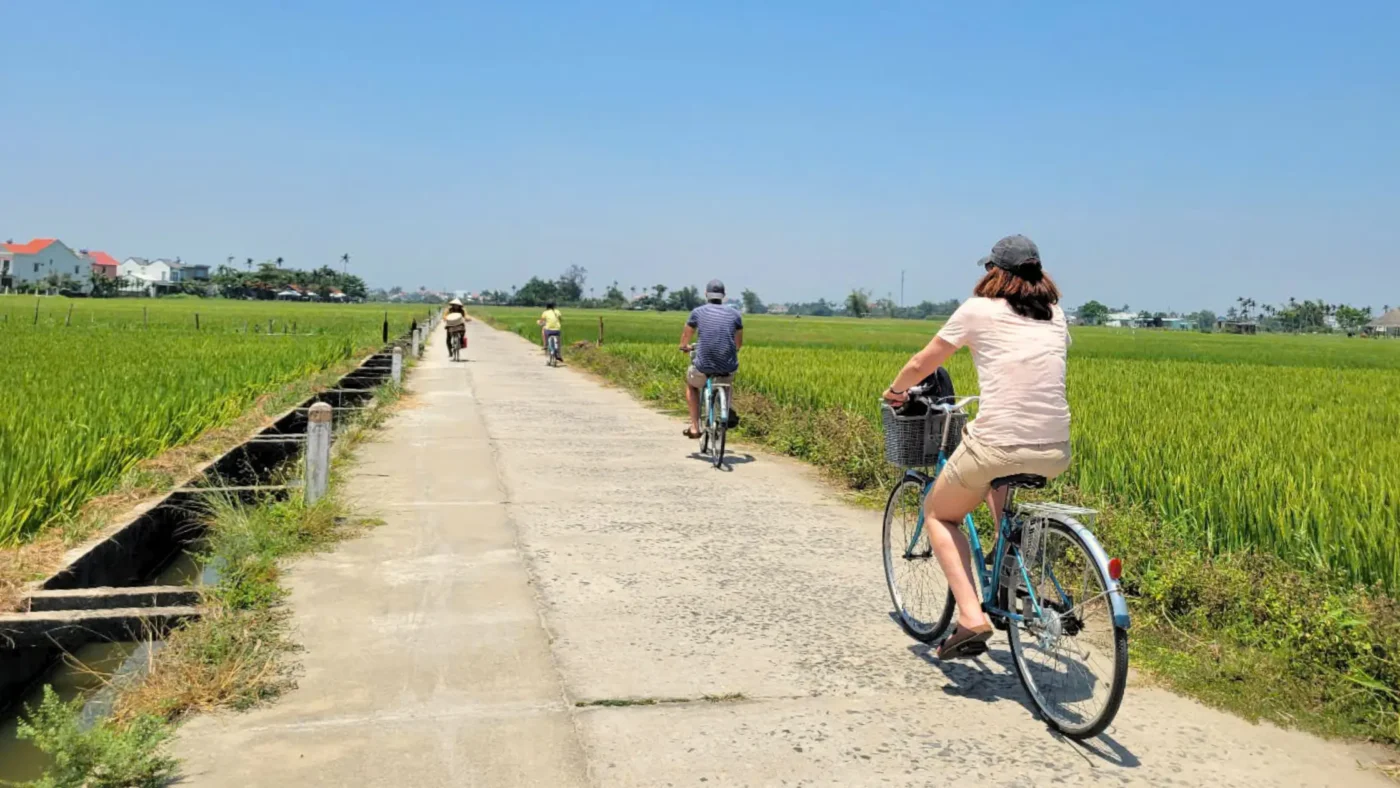
For itinerary design, agricultural activities are particularly useful when they connect a well-known destination with its surrounding countryside. Instead of treating rural areas as simply a route between major attractions, they can become part of the destination’s story, showing how local communities live, work and produce the food that travellers encounter throughout Vietnam.
Combine Agricultural Activities with Other Experiences
Agricultural activities work particularly well when they are connected with other experiences in the same destination. A farm visit does not need to be a standalone stop; it can become part of a wider day that brings together food, culture, nature and local communities.
In rural areas around Hanoi and Hoi An, for example, farming experiences can be combined with cycling through villages, cooking activities or visits to local communities. In the Mekong Delta, agricultural experiences can be linked with boat journeys along canals and rivers, orchard visits and encounters with riverside communities. In the Central Highlands, a coffee farm can form part of a wider programme exploring local landscapes, food and coffee culture.
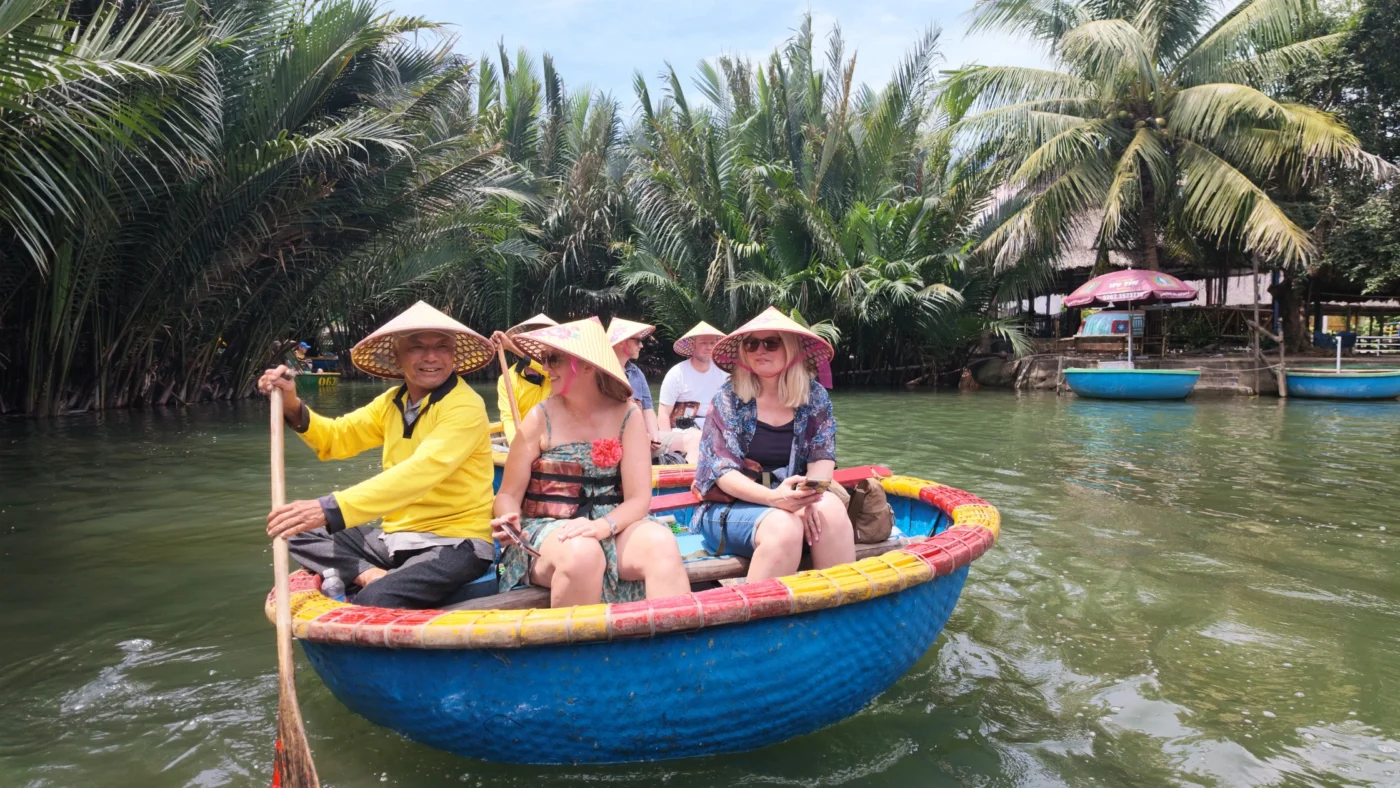
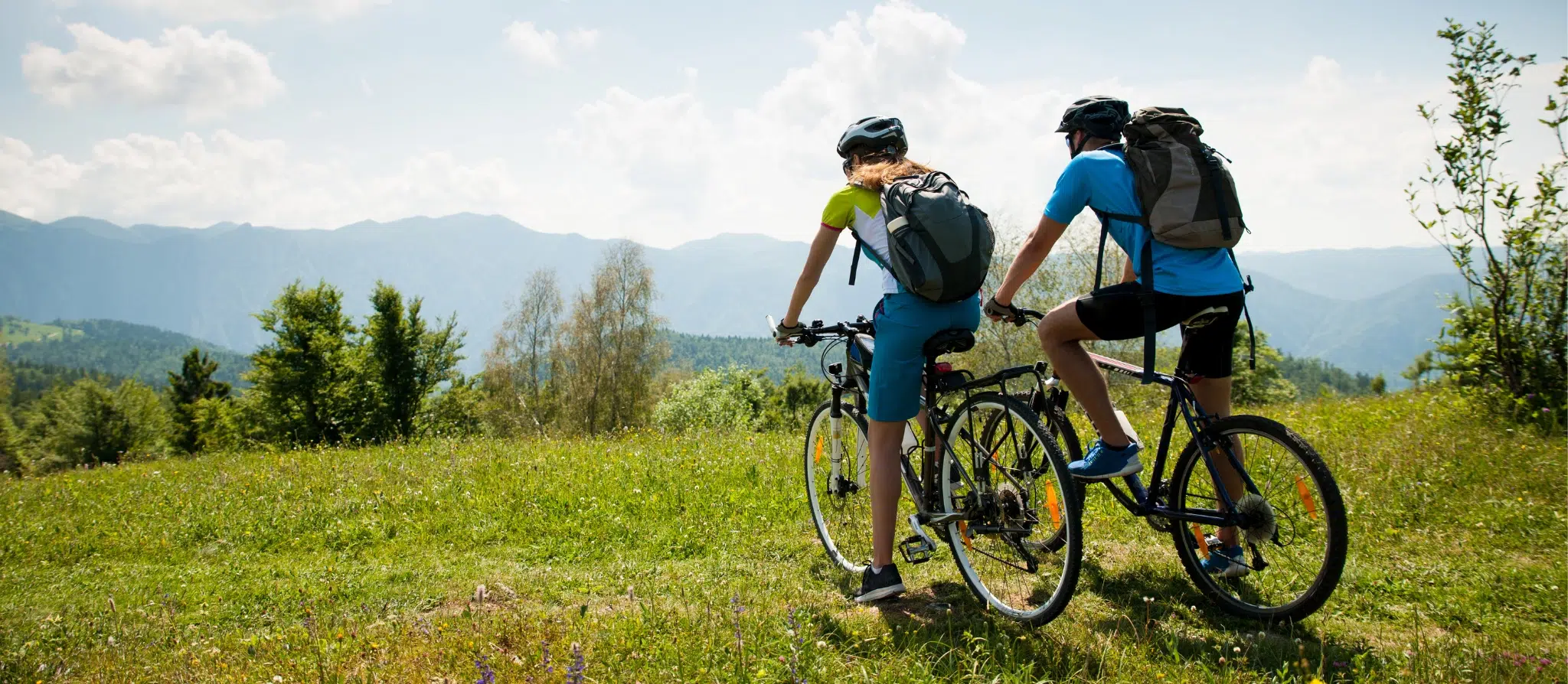
The combination also allows different activities to complement one another. A morning spent learning about farming can lead naturally into a local cooking experience, while a visit to a tea or coffee plantation can be followed by a tasting session. Similarly, cycling or walking through agricultural landscapes can turn the journey between experiences into part of the experience itself.
This flexibility makes agricultural tourism suitable for a range of tailor-made itineraries. With careful selection of location, timing and activities, a farm or plantation visit can add a strong sense of place without feeling like an isolated addition to the programme.
Match the Experience to Different Traveller Profiles
Agricultural experiences can appeal to different types of travellers, but the most suitable activity depends on the interests and pace of the group. A hands-on farming experience may suit travellers looking for active and immersive encounters, while a tea or coffee plantation visit can offer a more relaxed way to discover local agriculture and culture.
Food-focused travellers may enjoy experiences that connect farms with local cuisine, such as visiting a vegetable garden before a cooking activity or exploring a coffee plantation followed by a tasting. Families and private groups may prefer shorter, interactive activities, while more active travellers may enjoy incorporating farming visits into cycling or walking routes through rural landscapes.
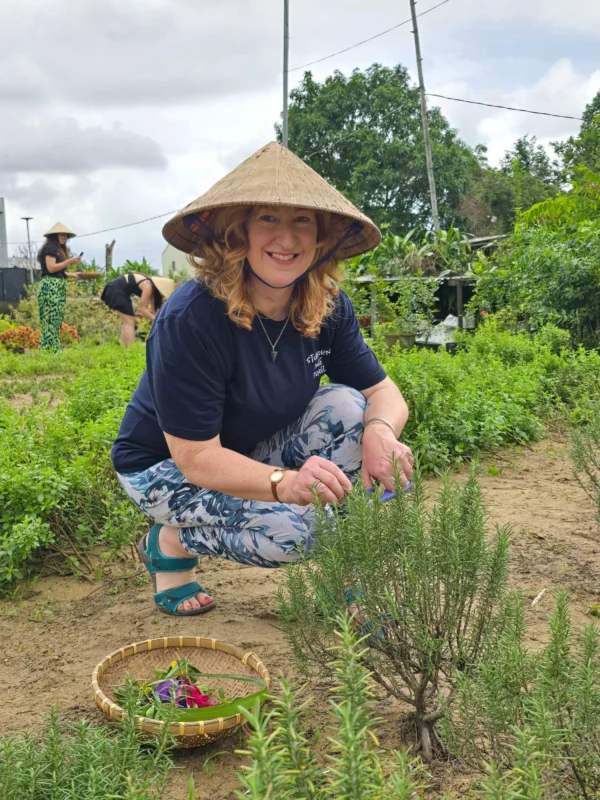
Matching the experience to the group helps ensure that agricultural tourism feels like a natural part of the itinerary rather than an additional stop. The destination, season, level of participation and interests of the group can all be considered when selecting the right experience.
Experience Vietnam Through Its Agriculture
Agricultural tourism offers a different way to experience Vietnam, connecting its landscapes, food and communities through the places where crops are grown and local livelihoods are built. From rice fields and tea plantations in the north to coffee farms in the Central Highlands and the orchards, paddies and waterways of the Mekong Delta, each region reveals a different side of Vietnam’s agricultural heritage.
The variety of experiences also makes agricultural tourism easy to adapt to different itineraries. A farm visit can add local interaction to a cultural programme, a plantation can complement a food-focused journey, while cycling through agricultural landscapes can bring an active dimension to a rural experience. Choosing the right destination and season helps ensure that each activity feels relevant to the wider journey.
Footprint Travel works with travel trade partners to create tailor-made Vietnam itineraries that combine authentic agricultural experiences with the destinations, activities and local encounters that best suit each group. Get in touch with our team to explore how agricultural tourism can add a distinctive local dimension to your next Vietnam programme.

Hoang Yen leads product development and supplier partnerships at Footprint Travel, where she designs and refines travel experiences across Vietnam. Working closely with local communities and operational teams, she ensures each program reflects both authenticity and practical execution.
With strong on-the-ground knowledge and a focus on responsible travel, Yen contributes to building journeys that are meaningful, well-structured, and aligned with sustainable tourism principles.