







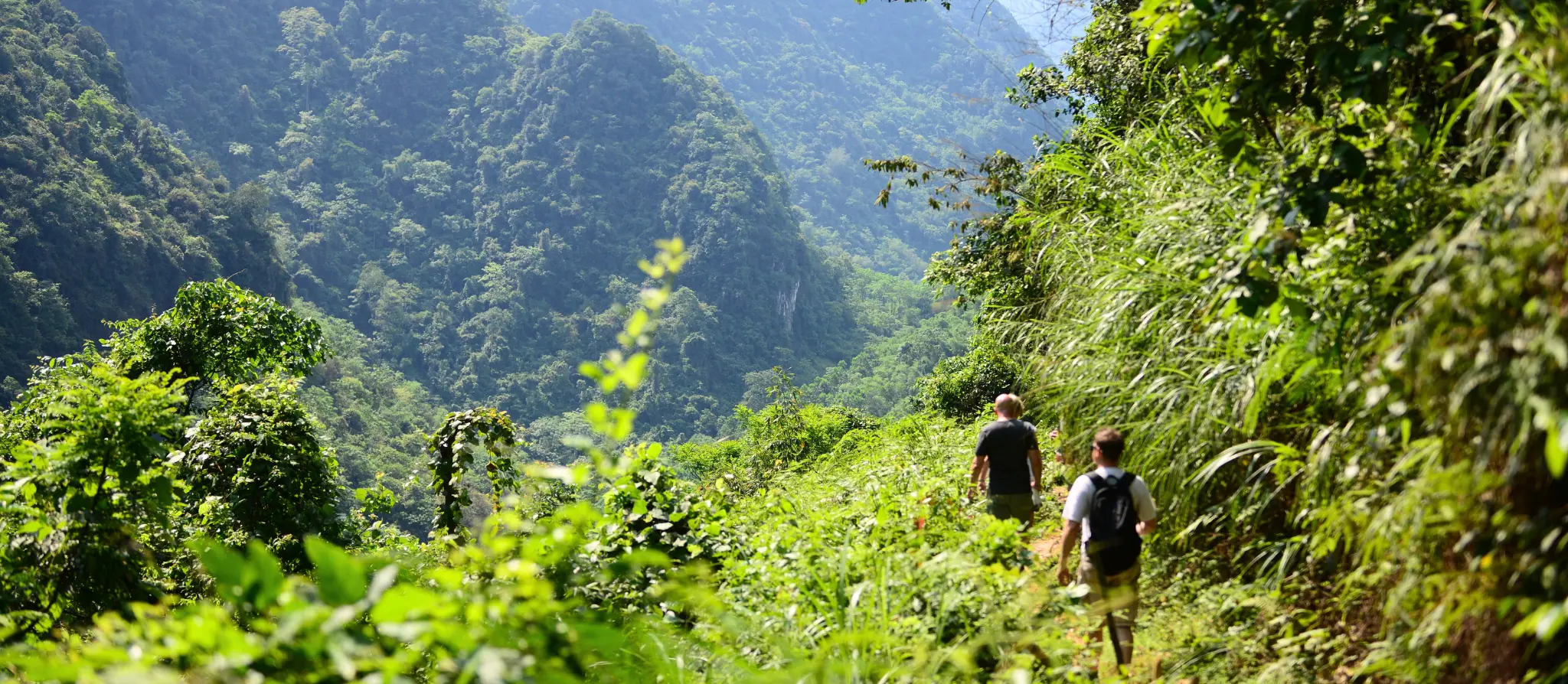
Trekking in Northern Vietnam: Best Destinations
Trekking in Northern Vietnam offers a wide range of experiences, from gentle walks through rice-growing valleys to more demanding routes across remote mountain landscapes. The region also provides opportunities to connect trekking with village life, local food, traditional crafts and community-based experiences, giving travellers a deeper understanding of the places they visit.
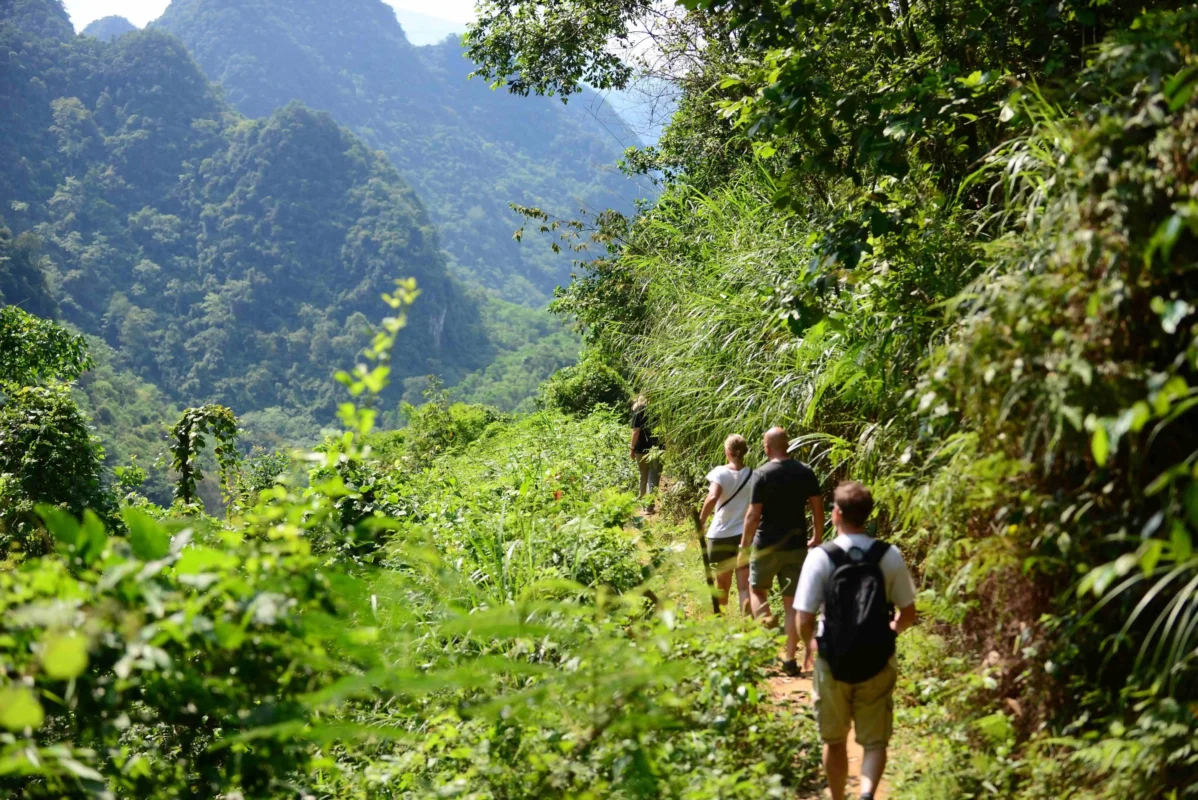
For travel agents and tour operators, choosing the right trekking destination involves more than assessing the attractiveness of a trail. Distance, terrain, traveller fitness, seasonal conditions, accommodation and accessibility can all influence whether a destination fits a particular programme. A short valley trek near Hanoi, for example, serves a very different purpose from a multi-day adventure in the mountains of Ha Giang or Cao Bang.
This guide focuses on four destinations that offer distinct approaches to trekking in Northern Vietnam: Mai Chau and Pu Luong, Cao Bang, Ha Giang, and Cuc Phuong National Park. Each has its own landscape, level of challenge and cultural or nature-based experiences, making them suitable for different traveller profiles and itinerary designs.
TL;DR
- Mai Chau & Pu Luong – Best for first-time trekkers and soft-adventure programmes, combining manageable walks with rice terraces, village life, homestays and community-based experiences.
- Cao Bang – A strong choice for off-the-beaten-path programmes, with rural walking, karst landscapes, traditional crafts, Ban Gioc Waterfall and Nguom Ngao Cave.
- Ha Giang – Best suited to experienced and adventure-focused travellers seeking more demanding mountain terrain, dramatic karst landscapes and ethnic minority communities.
- Cuc Phuong National Park – Ideal for nature and wildlife programmes, with forest trekking, biodiversity and conservation experiences that can be combined with Ninh Binh.
- Programme design matters – Match the destination and route to the traveller’s fitness, available time, preferred accommodation, season and wider Vietnam itinerary.
- Trekking does not need to mean continuous hiking – Combining shorter walks with road journeys, village visits, cultural activities and nature experiences can create a more balanced programme for different traveller profiles.
- For travel professionals – The right Northern Vietnam trekking destination depends on the type of client and the role trekking needs to play within the overall itinerary.
Trekking in Northern Vietnam at a Glance
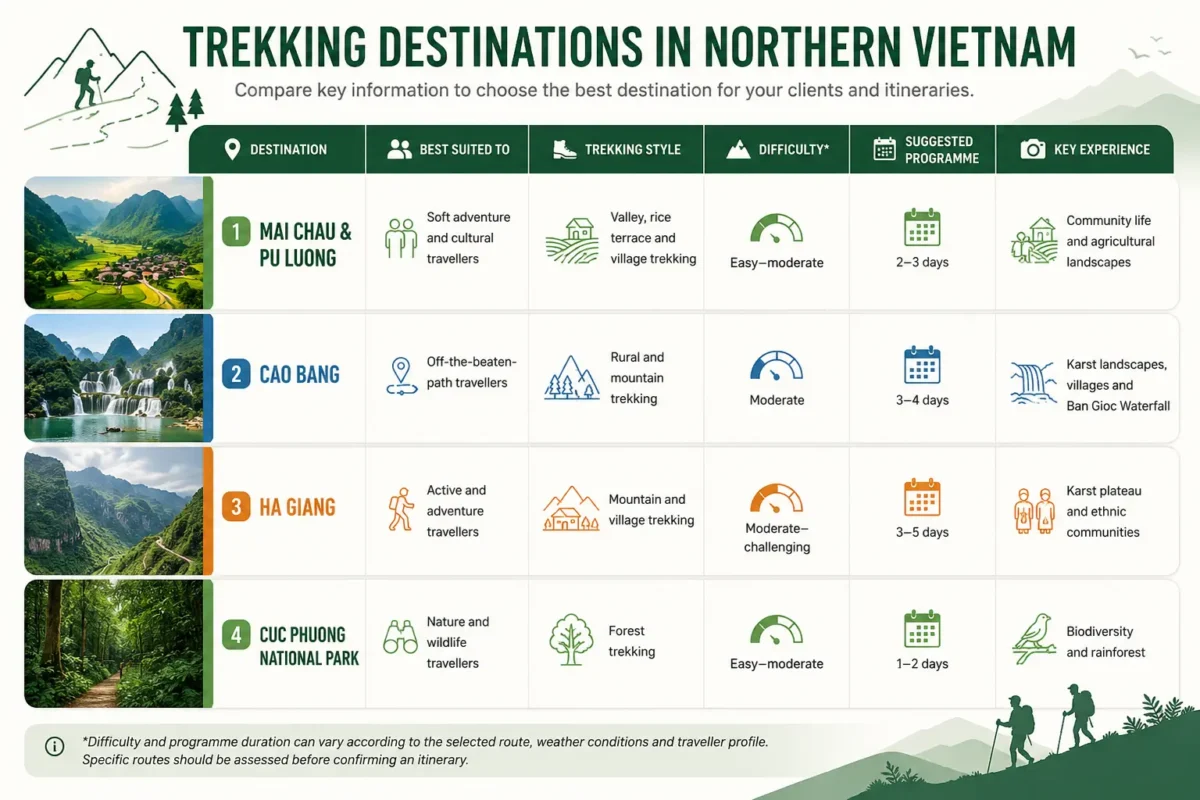
Before selecting a destination, it is useful to compare the four areas by the type of trekking experience they offer. The graphic below provides a quick reference for programme design, while the following sections explore each destination in greater detail.
Mai Chau & Pu Luong
Why Choose Mai Chau & Pu Luong for Trekking?
Mai Chau and Pu Luong offer a relatively accessible introduction to trekking in Northern Vietnam, combining mountain scenery with rural landscapes and village life. Mai Chau is approximately 140 km from Hanoi, while Pu Luong is around 150–160 km away, depending on the route and location within the reserve. This proximity makes the two destinations practical for programmes that want to introduce an active element without requiring travellers to commit several days to more demanding highland routes.
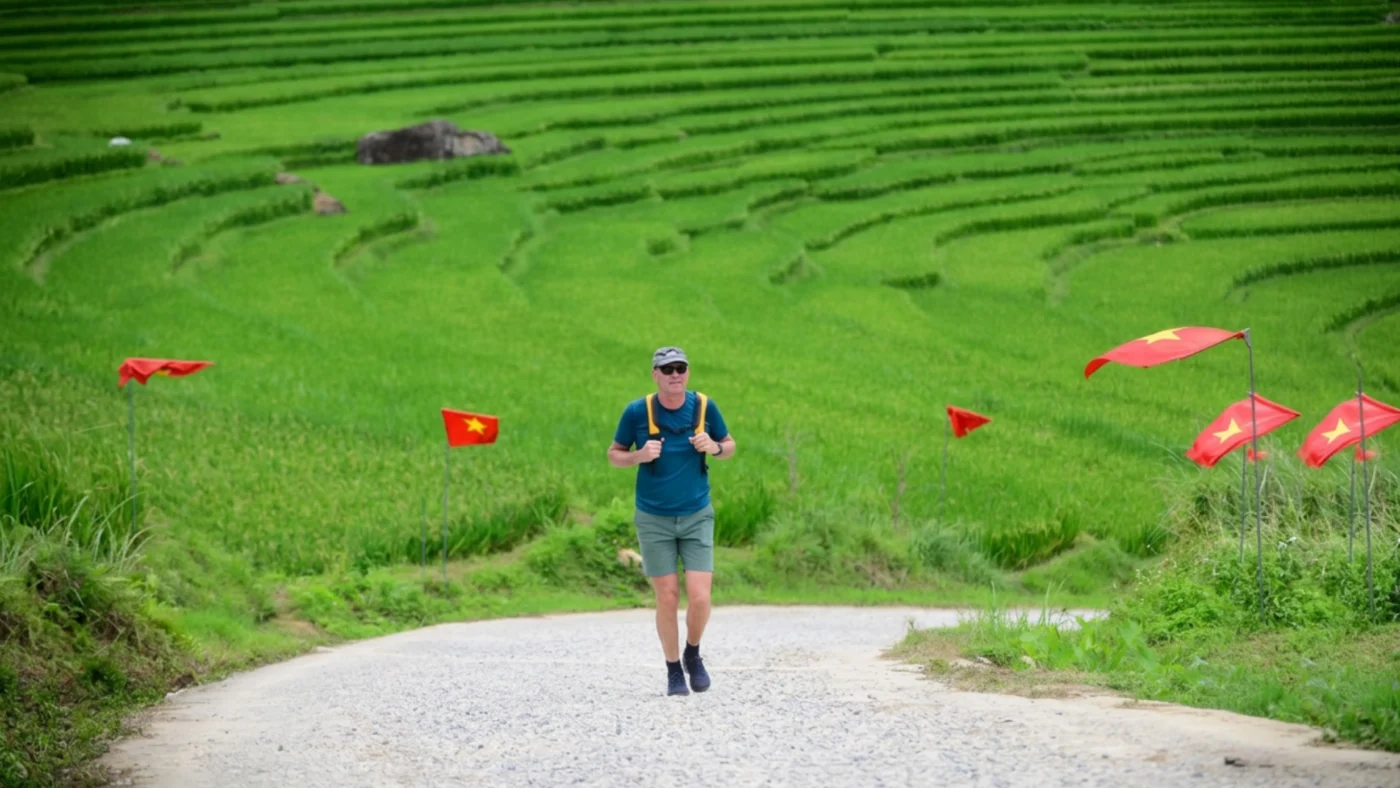
The landscape changes noticeably along the trails. Rice fields and terraces occupy the valleys, while forested hills, streams and traditional villages create a varied setting for walking. In Pu Luong Nature Reserve, trekking routes also provide opportunities to explore a more extensive natural environment away from the main urban centres.
Trekking Experiences in Mai Chau & Pu Luong
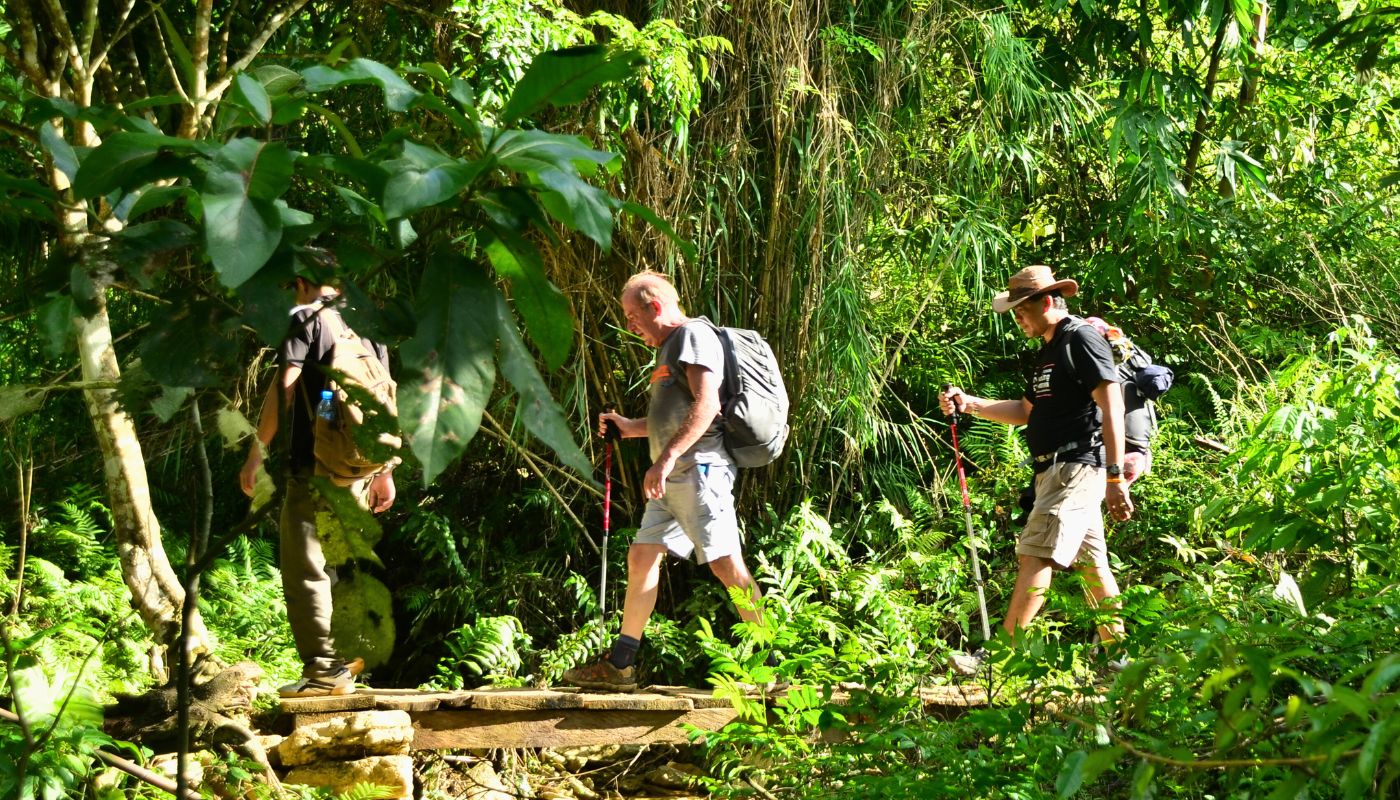
Trekking in Mai Chau can range from gentle village walks to longer routes that venture further into the surrounding hills. For example, a 5–6 km Pom Coong–Lac Village loop can be completed in around two to three hours, with relatively flat terrain, rice fields and traditional stilt houses along the way. A longer Van–Na Phon circuit of around 8–9 km takes approximately three to four hours and introduces more rural trails and some uneven or muddy sections.
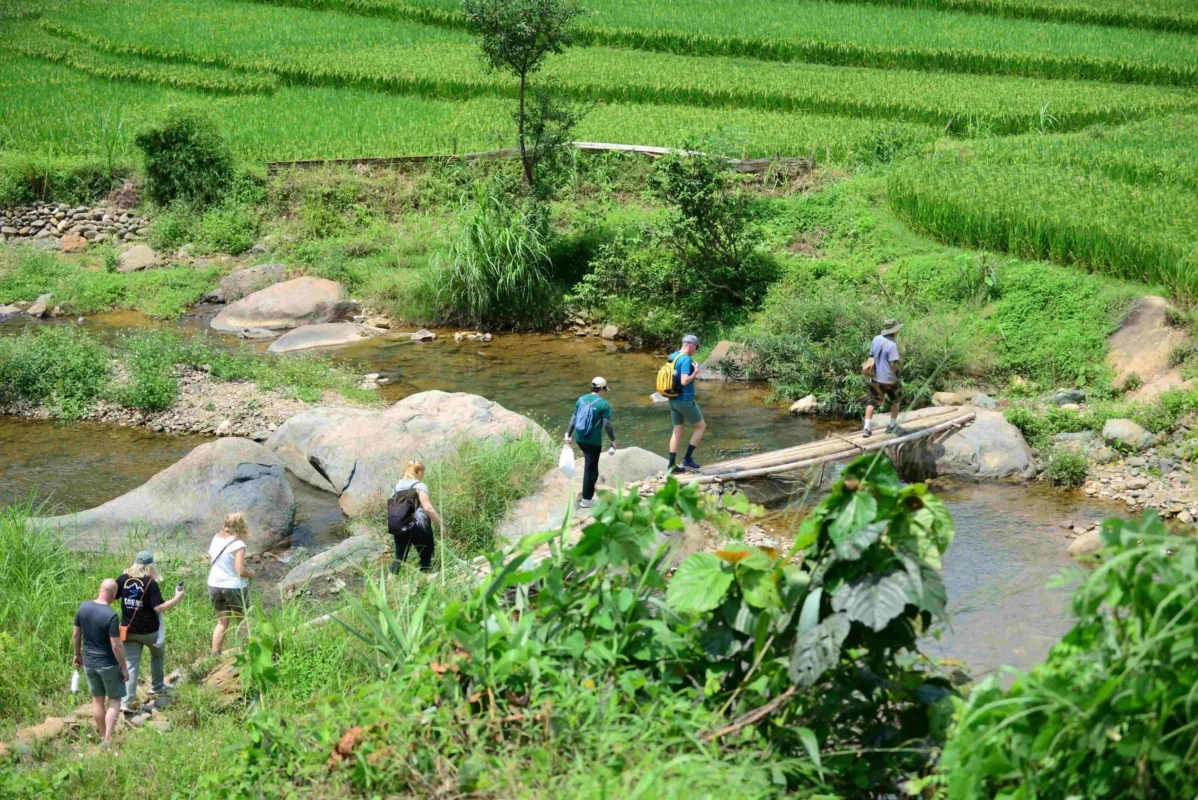
As the programme moves towards Pu Luong Nature Reserve, the terrain becomes more varied. A typical Footprint programme, for example, includes a 9 km trek through Pu Luong, taking around three hours and involving uphill sections, before continuing to a Thai stilt-house homestay. Longer programmes can extend the walking component over several days, with routes connecting villages such as Kho Muong and Hieu and passing through rice terraces, forest and rural settlements.
Community and Cultural Experiences
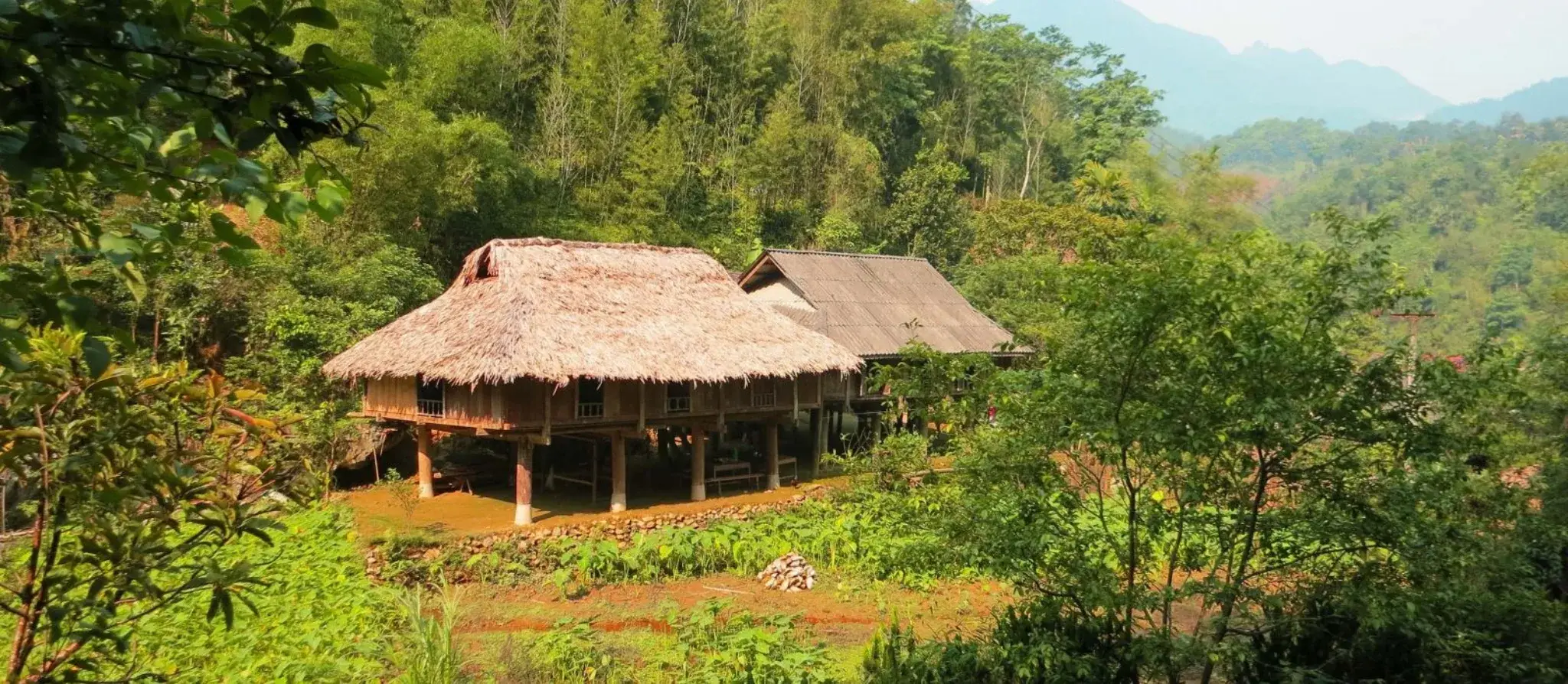
The cultural dimension is one of the area’s main strengths. Mai Chau and Pu Luong are home to White Thai communities, and village-based experiences can give travellers an opportunity to learn about local architecture, food, farming and everyday life.
Homestays can form part of an overnight trekking programme, allowing travellers to stay within or close to local communities rather than returning to a conventional hotel after each day’s walk. Where appropriate, programmes can also incorporate locally prepared meals and agricultural activities, creating a stronger connection between the landscape and the communities that depend on it.
Planning Considerations for Tour Operators
Mai Chau and Pu Luong are particularly practical when an itinerary needs an active component while retaining reasonable accessibility from Hanoi. A two- to three-day programme can allow enough time for trekking, village experiences and an overnight stay, although the final structure should be adjusted according to the selected routes and accommodation.
Accommodation should also be considered alongside the traveller profile. Community homestays offer a more immersive experience, while lodges and other accommodation provide alternatives for clients who prefer greater comfort. Local guiding is important not only for navigation but also for interpreting the landscape and cultural context.
The destination can work as a standalone active programme or as part of a broader Northern Vietnam itinerary. Its combination of trekking and rural experiences also makes it a useful option for travellers who want more than a conventional sightseeing circuit.
Who Is Mai Chau & Pu Luong Best Suited To?
Mai Chau and Pu Luong are a strong choice for first-time trekkers, soft-adventure travellers and clients interested in rural and community-based experiences. They are particularly suitable when the objective is to combine manageable walking with cultural interaction rather than focus exclusively on physical challenge.
For travellers who want increasingly demanding mountain terrain or a more remote adventure, Ha Giang or Cao Bang may provide a better fit. Pu Luong, by contrast, works well when trekking is one element of a broader cultural and active itinerary.
Cao Bang
Why Choose Cao Bang for Trekking?
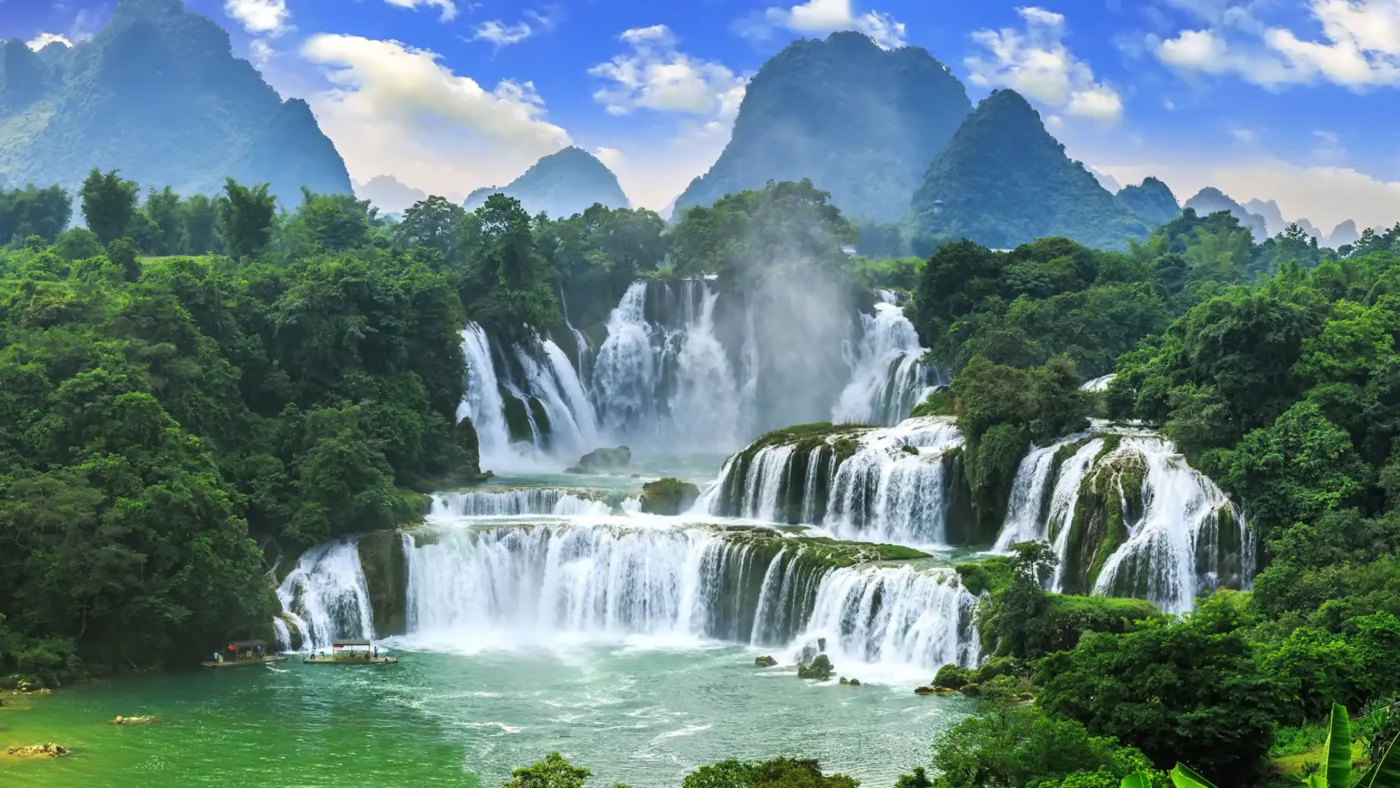
Cao Bang offers a different proposition from the more accessible trekking areas around Hanoi. Located around 300 km from Hanoi, the province requires more travel time than destinations such as Mai Chau or Pu Luong, but that additional journey opens access to a landscape shaped by limestone mountains, caves, valleys and rural communities. Much of the province forms part of the Non Nuoc Cao Bang UNESCO Global Geopark, which covers around 339,000 hectares and is home to eight Indigenous groups.
The destination is particularly valuable for travellers who have already experienced Vietnam’s more established tourism centres. Trekking can be incorporated into a wider journey through the province, allowing walking experiences to sit alongside cultural visits and major natural attractions rather than functioning as a standalone activity.
Trekking and Rural Walking Experiences
Routes around Cao Bang can combine rural walking with the province’s distinctive karst landscapes and ethnic communities. In the Khuoi Ky area near Ban Gioc, for example, village trekking routes can be used as relatively short walking sections within a wider programme. One route from Khuoi Ky through Nung Niec Village to Ban Gioc Waterfall is around 3 km, while another route of a similar length connects Khuoi Ky with Nguom Ngao Cave via Bong Son Village. These walks pass through hills, agricultural areas and traditional villages, offering a more immersive alternative to simply travelling between the main attractions by road.
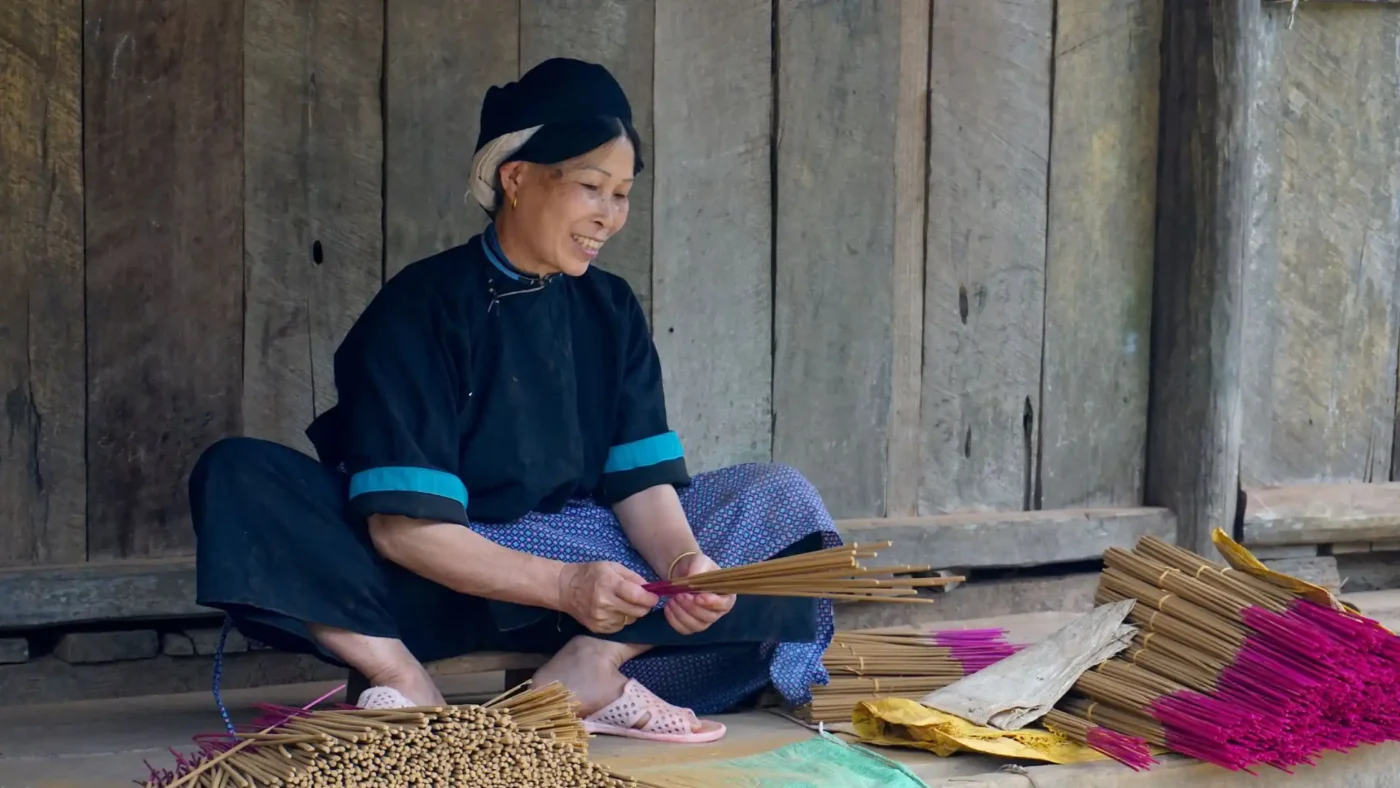
Phia Thap incense village provides another example of how rural exploration can be combined with cultural experiences. The village is home to the Nung An community and is known for its traditional incense-making craft, which has been passed down through generations. Visitors can learn about the production process and, where locally arranged, take part in the craft experience. The village sits within Cao Bang’s eastern tourism route, which also connects with Ma Phuc Pass, Phuc Sen forging village, Khuoi Ky Stone Village, Nguom Ngao Cave and Ban Gioc Waterfall.
When designing a trekking programme, it is therefore important to distinguish between dedicated walking sections and attractions connected by road. For example, a programme could include a short walk between villages around Khuoi Ky and Ban Gioc, followed by a visit to the waterfall and Nguom Ngao Cave. Another itinerary could combine a visit to Phia Thap with rural walking and continue by road towards the Ban Gioc area. This approach creates a varied active programme without requiring every day or every attraction to involve a long-distance trek.
This flexibility is particularly useful when working with mixed-ability groups. Shorter village walks can be incorporated alongside cultural and sightseeing experiences, while more active travellers can be offered longer trekking sections in suitable areas. The result is a programme that retains the character of a trekking itinerary without making physical endurance the defining feature of the entire journey.
Ban Gioc Waterfall and Nguom Ngao Cave
Ban Gioc Waterfall is one of Cao Bang’s best-known natural attractions and can provide a strong visual highlight within a wider active itinerary. Nearby Nguom Ngao Cave adds another dimension, taking travellers from open mountain landscapes into a substantial limestone cave system.
Neither attraction needs to be presented simply as part of a trekking route. Instead, they can complement walking experiences by giving travellers a broader understanding of the province’s karst landscape and creating a natural balance between active and sightseeing elements.
Local Culture and Craft Experiences
Cao Bang’s rural communities add depth to a trekking programme. The Nung are among the ethnic communities found in the province, while villages such as Phia Thap are associated with traditional craft production.
A visit to a craft village can provide context for the landscapes and communities encountered along the route. Depending on the programme, travellers may also experience local food, village life and community-based accommodation, giving the itinerary a stronger cultural component than a purely scenic hike.
Extending Cao Bang to Ba Be
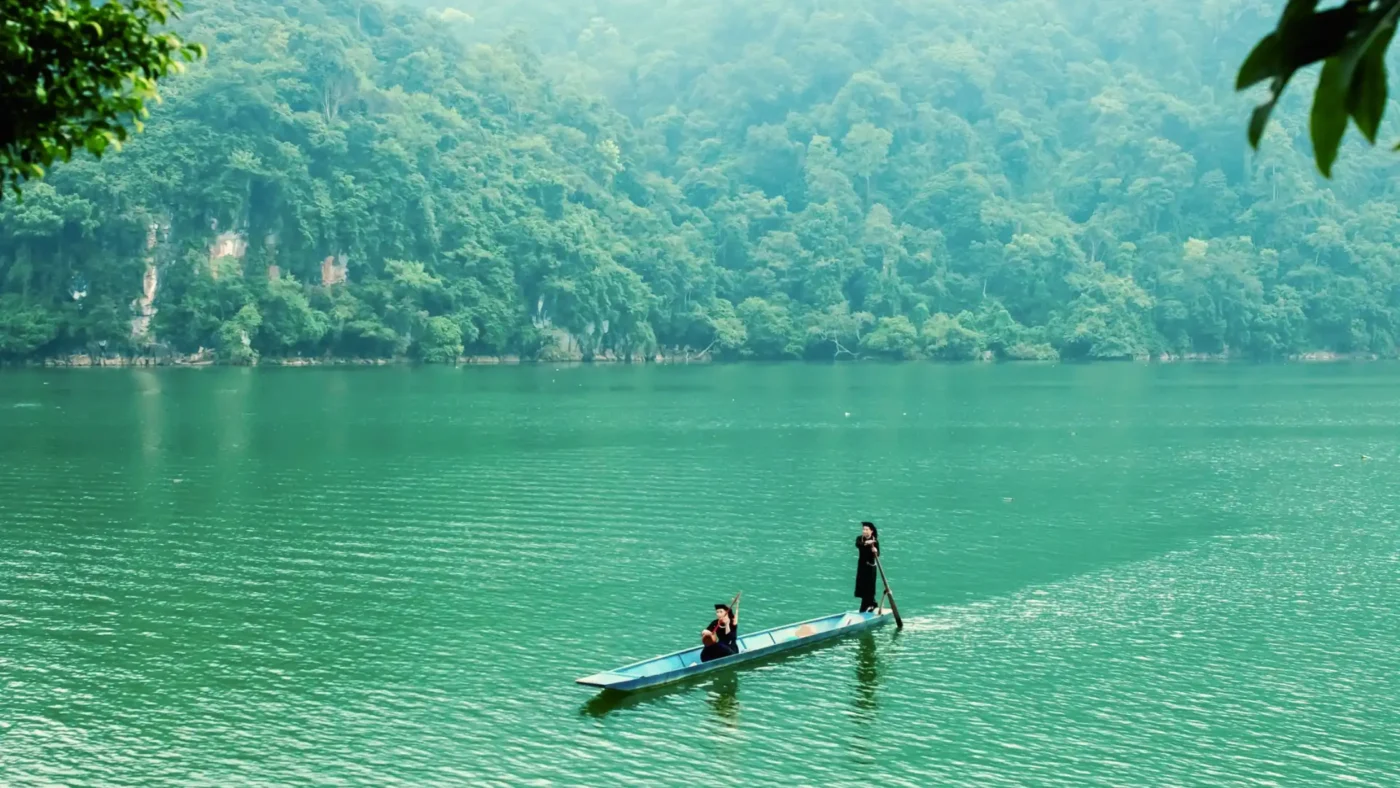
Cao Bang can also form part of a longer northeastern Vietnam programme with Ba Be National Park. The combination introduces another environment, centred on forests, limestone landscapes and Ba Be Lake, and can be particularly useful for travellers with enough time to explore the region beyond the main northern circuit.
For tour operators, this creates an opportunity to build a multi-day active itinerary rather than treating Cao Bang as a short excursion from Hanoi. The additional travel involved, however, needs to be reflected in the overall programme design.
Planning Considerations for Tour Operators
Cao Bang requires more planning than destinations that can be reached easily as short extensions from Hanoi. Travel time, road conditions, accommodation availability and the remoteness of some areas should all be considered when building the itinerary.
The length and difficulty of the walking component should also be matched to the group. A programme can combine shorter village walks with longer trekking days, depending on the traveller profile and the wider itinerary. Local guides are valuable for route knowledge and cultural interpretation, particularly when programmes venture into less-developed rural areas.
Because the northeast is relatively remote, it is also sensible to build flexibility into the programme. Weather and local conditions can affect mountain activities, so alternative experiences should be identified in advance where practical.
Who Is Cao Bang Best Suited To?
Cao Bang is particularly appropriate for repeat visitors to Vietnam, adventurous travellers and clients looking for a less-visited part of the country. It works well for programmes where the journey itself is part of the experience and where trekking can be combined with cultural encounters and major natural attractions.
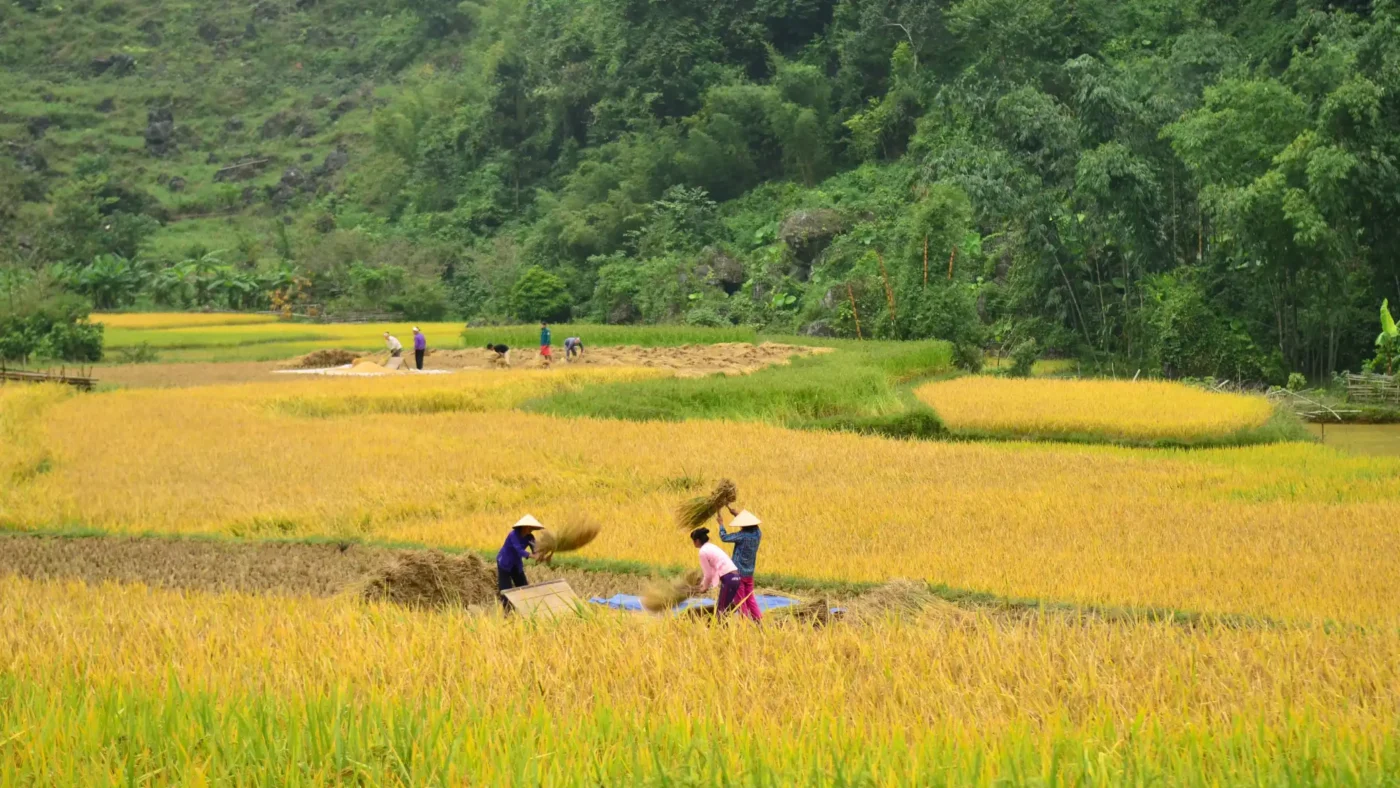
For clients with limited time, the destination may be less practical than Mai Chau and Pu Luong. Those with several days available for northeastern Vietnam, however, can gain a more immersive experience by combining Cao Bang’s trekking and rural landscapes with Ban Gioc, local communities and, where appropriate, Ba Be National Park.
Ha Giang
Why Choose Ha Giang for Trekking?
Ha Giang offers some of the most dramatic mountain landscapes in Northern Vietnam, with trekking opportunities shaped by the rugged terrain of the Dong Van Karst Plateau. Limestone peaks, deep valleys, terraced fields and remote settlements create a setting that feels markedly different from the more accessible trekking areas closer to Hanoi.
For travel professionals, Ha Giang is particularly relevant when designing programmes for active travellers who want a stronger sense of adventure. The province can also add cultural depth to an itinerary, as trekking routes and village walks provide opportunities to encounter communities living among the karst mountains.
Trekking Around Dong Van and Meo Vac
The area around Dong Van and Meo Vac offers a range of walking experiences rather than one single trekking route. Depending on the itinerary, travellers can follow village trails, cross mountain terrain and walk through valleys surrounded by limestone formations.
The difficulty can vary considerably between routes. Elevation changes, uneven surfaces and the remoteness of some trails mean that distance alone is not a sufficient measure of difficulty. Route selection should therefore take into account the group’s fitness, previous trekking experience and the time available for walking.
For a multi-day programme, trekking can be combined with road journeys between different parts of the karst plateau, such as the scenic drive from Ha Giang City to Dong Van via Quan Ba Heaven’s Gate, or the winding Ma Pi Leng Pass route towards Meo Vac, where travellers can see towering limestone peaks, deep river gorges, terraced hillsides and remote ethnic minority villages along the mountainsides. This approach allows travellers to explore a wider area without turning every day of the itinerary into a full trekking day.
Ma Pi Leng and the Karst Landscape
Ma Pi Leng is one of the most recognisable landscapes in Ha Giang, where steep limestone mountains rise above the Nho Que River and surrounding valleys. The area is particularly suited to travellers interested in dramatic scenery and geological landscapes.
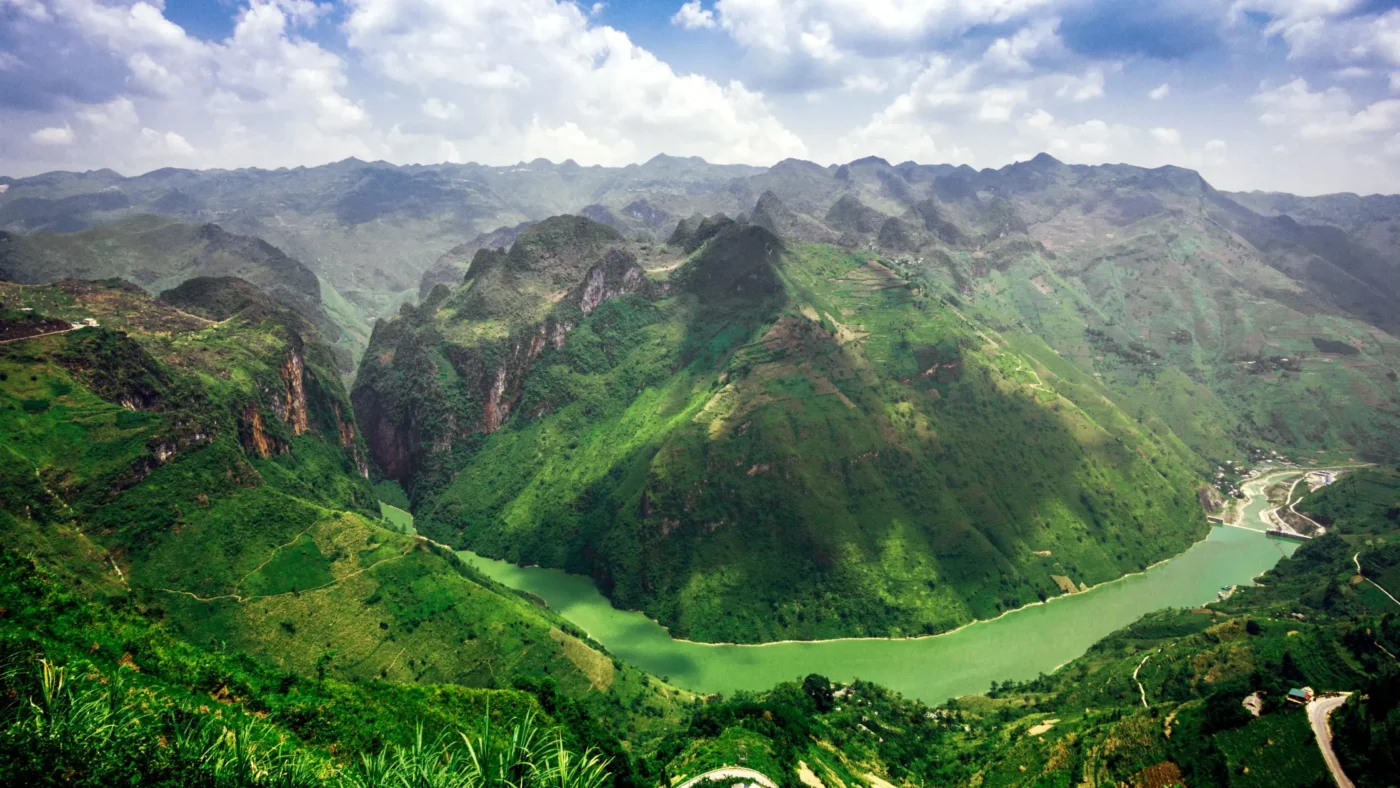
Rather than treating the viewpoint as the trekking experience itself, it can be incorporated into a wider programme that includes village walks and shorter hikes. This creates a more balanced itinerary and gives travellers time to experience both the landscape and the communities that live within it.
Ethnic Communities and Cultural Experiences
Ha Giang’s cultural diversity is an important part of the trekking experience. Dao, H’Mong, Tay and Lo Lo communities are among the ethnic groups found across the province, with individual areas having their own cultural traditions and ways of life.
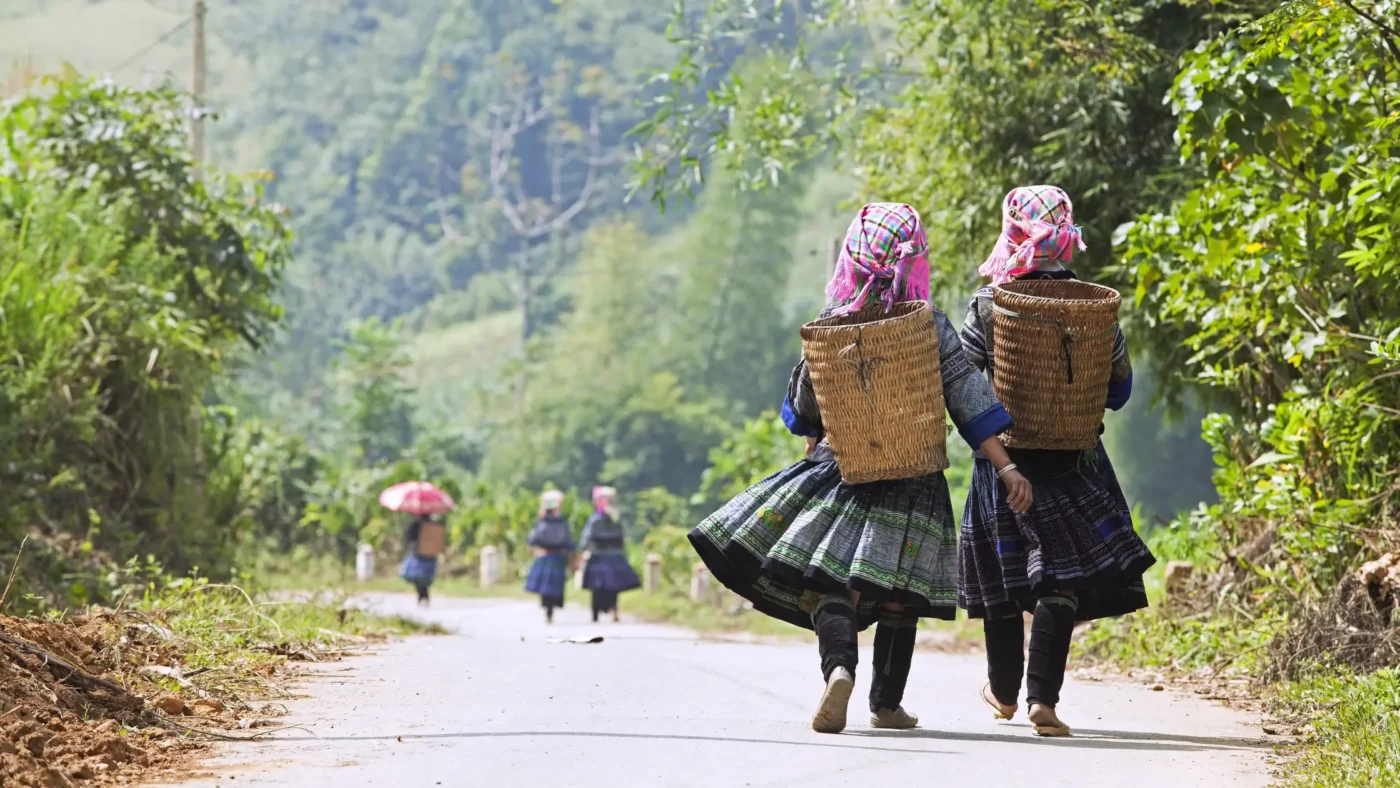
Village-based activities such as guided walks through ethnic minority villages, participation in seasonal farming tasks, hands-on craft workshops (including weaving, embroidery and indigo dyeing), shared cooking experiences with host families, and visits to local markets or community schools can provide a more meaningful connection with the region when they are organised respectfully. Depending on the route and community involved, programmes may include local food, traditional crafts, homestays or opportunities to learn about everyday life in the highlands.
For a B2B itinerary, the cultural component should complement the trekking rather than become a generic village visit. Choosing experiences that are locally operated and appropriate to the community helps maintain the authenticity of the programme.
Trekking as Part of a Wider Ha Giang Programme
Ha Giang is often associated with scenic road journeys, but trekking can add a different dimension to the experience. Short village walks, half-day hikes and longer trekking sections can be incorporated between road transfers, allowing the programme to accommodate different levels of physical activity.
This flexibility is particularly useful when designing itineraries for mixed-interest groups. Travellers who want more activity can undertake longer walks, while others can explore the same area through shorter walks and cultural experiences.
A multi-day Ha Giang programme therefore does not need to be structured as continuous trekking. Combining road travel, walking and cultural activities can provide a more realistic balance between exploration and physical challenge.
Planning Considerations for Tour Operators
Ha Giang requires careful itinerary planning because of its mountainous geography and distance from Hanoi. Transfer times should be considered alongside trekking hours so that travellers are not faced with unnecessarily long or physically demanding days.
Weather is another important consideration. Conditions in the mountains can affect visibility, trail surfaces and road travel, so itineraries should allow some flexibility where possible. The selected route should also reflect the group’s experience and physical ability rather than simply following a standard programme.
Local guides are particularly valuable in Ha Giang. Their knowledge of trails, communities and local conditions can improve both the practical operation of the trek and the quality of cultural interpretation.
Accommodation should also be considered early in the planning process. Depending on the route, travellers may stay in hotels, guesthouses or community-based homestays, with the choice influencing the overall character of the programme.
Who Is Ha Giang Best Suited To?
Ha Giang is best suited to active travellers, experienced trekkers, adventure-focused clients and repeat visitors looking for a deeper exploration of Northern Vietnam. It is especially effective for travellers who value dramatic landscapes and cultural encounters as much as the physical activity itself.
Compared with Mai Chau and Pu Luong, Ha Giang generally demands more time and greater logistical planning. Its appeal lies in that additional commitment: for the right traveller, the combination of mountain terrain, village life and the scale of the karst landscape can become one of the defining elements of a Northern Vietnam itinerary.
Cuc Phuong National Park
Why Choose Cuc Phuong for Trekking?
Cuc Phuong National Park offers a different type of trekking experience from the mountainous destinations of Ha Giang and Cao Bang. Located in Ninh Binh Province, the park protects a large area of tropical forest and provides opportunities to explore Vietnam’s biodiversity on foot. Rather than focusing on high-altitude terrain, trekking here centres on forest trails, limestone formations, caves and wildlife.
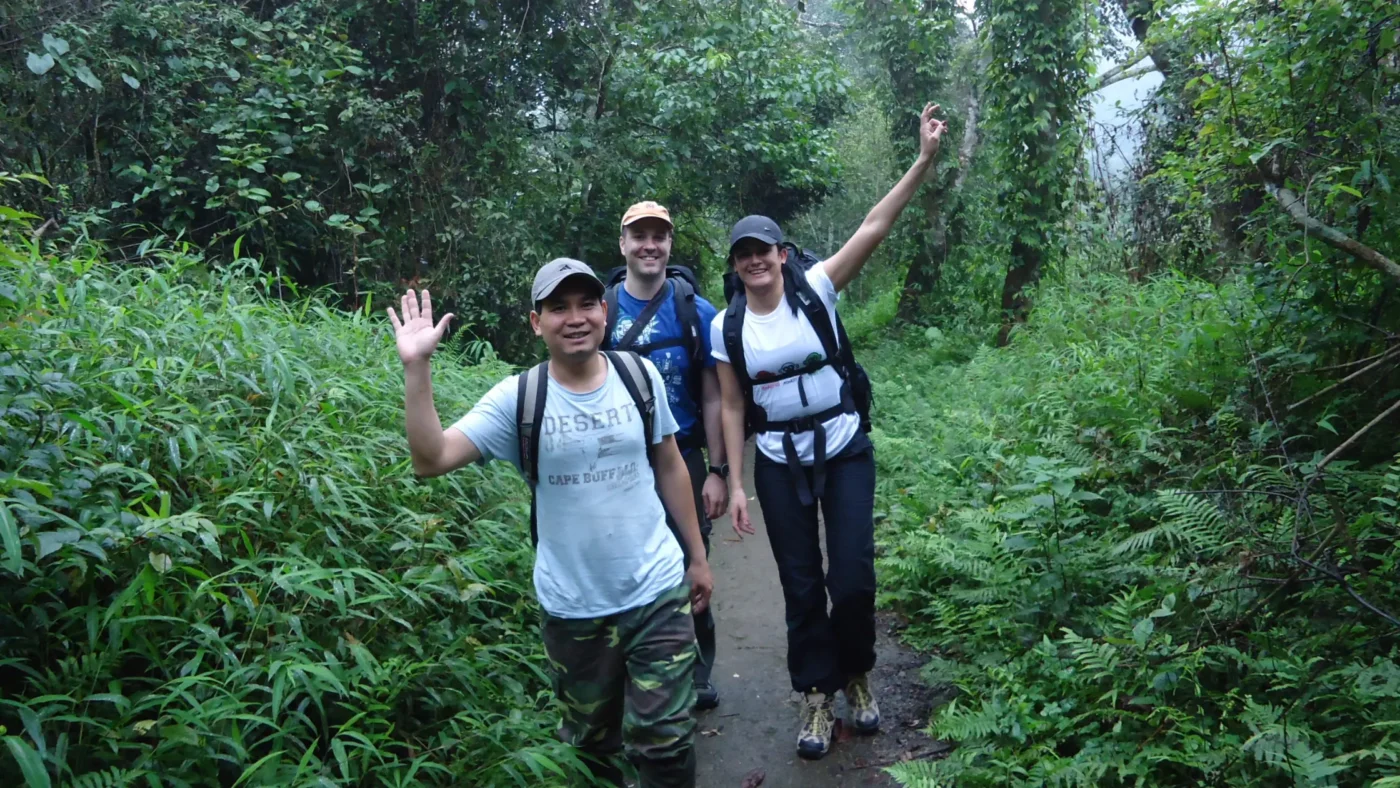
Its location also makes Cuc Phuong practical for programmes that already include Ninh Binh. A trekking experience can be added to visits to Trang An, Tam Coc and other attractions in the region, giving travellers an active alternative to a purely sightseeing-focused itinerary.
Forest Trekking Experiences
The park has a network of trails that lead through dense forest and karst landscapes. Depending on the selected route, walks can include limestone caves, ancient trees and areas of relatively undisturbed woodland.
Trekking duration and difficulty vary between routes, so programmes should be selected according to the group’s interests and physical ability. A shorter forest walk can work as a half-day activity within a wider Ninh Binh itinerary, while an overnight programme allows travellers more time to explore the park and experience its forest environment.
The character of the trekking is also quite different from walking through the terraced mountain landscapes of Northern Vietnam. Here, the forest itself becomes the main attraction, with changing vegetation, sounds and wildlife providing much of the experience.
Wildlife and Biodiversity
Cuc Phuong is particularly relevant for travellers with an interest in nature and wildlife. The park supports a wide range of species, including primates, birds, reptiles, amphibians and insects, while its forest habitat provides opportunities to observe different forms of tropical biodiversity.

Wildlife encounters should never be presented as guaranteed. Instead, the value of a Cuc Phuong programme lies in exploring a protected forest ecosystem and learning about the species and habitats found there. A knowledgeable local guide can significantly enhance the experience by helping travellers identify wildlife and understand the ecological importance of the park.
For specialist or nature-focused programmes, the park’s conservation work can also add an educational dimension. This makes Cuc Phuong particularly suitable for travellers who want their time outdoors to include learning as well as physical activity.
Combining Cuc Phuong with Ninh Binh
Cuc Phuong can complement a wider Ninh Binh programme particularly well because the two destinations offer contrasting ways to experience the region. After trekking through the forest, travellers can explore the limestone landscape around Trang An or Tam Coc by boat, cycle through rural areas or visit local communities.
This combination can work particularly well for clients who want a balance between active travel and cultural or scenic experiences. A trekking component also provides an alternative to building a Ninh Binh itinerary entirely around boat trips and sightseeing.
For tour operators, the key is to treat Cuc Phuong as part of the wider programme rather than an isolated park visit. The amount of time allocated to trekking can be adjusted according to the traveller profile, while the surrounding Ninh Binh experiences provide flexibility for the rest of the itinerary.
Planning Considerations for Tour Operators
Cuc Phuong is relatively straightforward to incorporate into a Northern Vietnam itinerary, particularly when Ninh Binh is already included. The main planning considerations are the selected trail, walking duration, weather conditions, guide availability and the group’s expectations regarding wildlife.
Travellers should also understand that forest trekking can feel physically demanding even when a route is not particularly long. Heat, humidity, uneven ground and forest conditions can affect the pace, so realistic walking times should be allowed when building the programme.
For overnight stays, accommodation within or near the park should be selected according to the desired level of comfort and the overall purpose of the programme. If wildlife observation is an important element, the timing of activities should also be planned carefully rather than treating wildlife encounters as an incidental part of a daytime trek.
Who Is Cuc Phuong Best Suited To?
Cuc Phuong is a strong option for nature-focused travellers, wildlife enthusiasts and soft-adventure clients who want to explore Vietnam’s forests rather than tackle high mountain terrain. It can also suit travellers visiting Ninh Binh who would like to add a more active experience to their itinerary.
Compared with Ha Giang or Cao Bang, the emphasis here is less on remote mountain trekking and more on biodiversity, conservation and forest exploration. That distinction makes Cuc Phuong a useful addition to a Northern Vietnam trekking portfolio, particularly for programmes that need to combine active travel with nature and wildlife interests.
How to Choose a Northern Vietnam Trekking Destination
The four destinations covered in this guide offer very different trekking experiences, so the right choice depends on what the traveller wants from the programme. Physical ability is only one consideration. The available time, interest in local culture or nature, preferred level of comfort and the wider itinerary can all influence which destination makes the most sense.
For Beginner and Soft-Adventure Travellers
Mai Chau and Pu Luong are particularly suitable when trekking needs to remain accessible while still providing a strong sense of place. Valley trails, rice-growing landscapes and village experiences allow travellers to experience Northern Vietnam on foot without making strenuous mountain trekking the central focus of the programme.
Cuc Phuong National Park can also work for softer active programmes, particularly when the traveller is more interested in forest and biodiversity than extended mountain walks.
For Experienced and Adventure Travellers
Ha Giang is the stronger choice when the physical challenge and mountain environment are central to the experience. Its varied terrain, elevation changes and remote landscapes provide opportunities for more demanding walking programmes, while road journeys between trekking areas can help create a multi-day adventure without requiring continuous trekking.
The route still needs to be matched carefully to the group’s ability. Ha Giang offers a range of walking experiences, so an itinerary can be adjusted rather than assuming that every traveller should undertake the most challenging routes.
For Off-the-Beaten-Path Programmes
An off-the-beaten-path programme is not simply an itinerary that takes travellers to a destination with fewer visitors. It is about changing the pace and character of the journey: spending more time in rural areas, using less conventional routes, meeting local communities and allowing the destination itself to become part of the experience. Cao Bang is particularly well suited to this approach because reaching the province requires more time from Hanoi, while its landscapes and communities offer experiences that are less typical of the standard northern Vietnam circuit.
The destination also lends itself to slower, multi-day programmes. Rather than treating Cao Bang as a one-night stop between Hanoi and another destination, a tour operator can allow several days for the northeast, combining trekking with rural exploration and community-based experiences. This gives travellers more time to walk through villages, observe agricultural landscapes and learn about local traditions instead of spending most of the programme travelling between major attractions.
There is also a clear distinction between the type of traveller who is attracted to this style of programme and one looking for a conventional sightseeing itinerary. Repeat visitors to Vietnam, experienced travellers and clients specifically seeking remote or less familiar destinations are more likely to appreciate the additional travel time and simpler infrastructure. They may be less concerned with having a large choice of international-standard facilities if the programme offers access to places, communities and experiences that are difficult to replicate on a mainstream itinerary. This makes Cao Bang particularly effective for clients who value discovery and immersion over convenience and a tightly packed sightseeing schedule.
For Nature and Wildlife Programmes
Cuc Phuong National Park is the most natural fit when biodiversity is a primary motivation. Forest trekking provides a different experience from the mountain routes of Ha Giang and Cao Bang, while the park’s conservation context adds educational value.
For travellers whose interest lies more in landscapes and rural environments than wildlife, Mai Chau and Pu Luong may offer a better balance between nature, walking and cultural experiences.
For Culture-Focused Programmes
Mai Chau and Pu Luong, Cao Bang and Ha Giang can all support culturally focused trekking programmes, but each offers a different context.
Mai Chau and Pu Luong lend themselves particularly well to village stays, agricultural landscapes and community-based experiences. Cao Bang combines rural exploration with traditional crafts and ethnic minority communities, while Ha Giang offers opportunities to encounter diverse communities across a dramatic highland landscape.
The quality of the experience depends on how it is designed. A village visit should have a clear purpose and genuine local participation rather than simply being added as a sightseeing stop between trekking routes.
For Shorter Active Extensions
When trekking is intended to complement, rather than dominate, a wider Vietnam itinerary, Mai Chau and Pu Luong can provide a practical combination of walking and cultural experiences. Cuc Phuong is another useful option when Ninh Binh is already part of the programme, allowing a forest experience to be incorporated without adding a completely separate mountain destination.
By contrast, Ha Giang and Cao Bang generally require more time and logistical planning. Their remoteness is part of their appeal, but it also means they work better when trekking is one of the main reasons for extending the itinerary into the northern highlands.
Planning Trekking Programmes in Northern Vietnam
Selecting a destination is only the first step in creating a successful trekking programme. The route itself needs to be considered alongside the traveller profile, transfer times, accommodation, seasonal conditions and the operational support available on the ground. A well-designed programme should feel challenging enough to be rewarding without making the walking component unnecessarily demanding.
Match Trekking Difficulty to Traveller Ability
Trekking difficulty should never be assessed by distance alone. A relatively short route can become demanding when it involves steep ascents, uneven surfaces, high temperatures or wet conditions. The remoteness of a trail also matters, particularly when access to transport or alternative routes is limited.
When assessing a programme, consider the group’s previous trekking experience, fitness level, walking pace and expectations. Beginners may be more comfortable with shorter routes that allow time for village visits and rest stops, while experienced trekkers may prefer longer walks with greater elevation changes.
It is also worth distinguishing between a traveller who enjoys being active and someone specifically seeking a challenging trek. These are not necessarily the same client, and the itinerary should reflect that difference.
Consider Transfer Times
Northern Vietnam’s mountainous geography means that travel between destinations can take a significant part of the programme. Transfer time should therefore be considered alongside the number of trekking hours rather than treated as a separate logistical detail.
Mai Chau and Pu Luong can work well when the programme needs to remain relatively close to Hanoi. Cuc Phuong is particularly practical when combined with Ninh Binh. Cao Bang and Ha Giang require more time on the road, making them better suited to itineraries with enough days to explore the region rather than short active extensions.
For tour operators, realistic scheduling is important. A day involving several hours of road travel followed by a demanding trek may look efficient on paper but can create an unnecessarily tiring experience for travellers.
Consider the Season
Weather can significantly influence trekking conditions in Northern Vietnam. Rain can make trails slippery, while high temperatures and humidity can affect walking pace and comfort. Mountain areas may also experience reduced visibility during certain periods, which can change the character of a landscape-focused trek.
Seasonality should therefore be considered when selecting both the destination and the route. A programme designed for the dry season may need adjustments during wetter months, while agricultural landscapes can look very different depending on the stage of the growing cycle.
For fixed-departure programmes in particular, it is useful to have alternative activities available when weather conditions make a planned route unsuitable.
Build Alternative Activities
A trekking itinerary should have some flexibility, particularly when it operates in mountainous areas. Heavy rain, poor visibility or difficult trail conditions may make a planned route unsuitable on a particular day.
Alternative activities can include village visits, craft experiences, cooking activities, cycling, cultural visits or shorter walks. The best alternatives are those that still reflect the purpose of the original programme rather than simply filling an unexpected gap in the schedule.
This approach also benefits mixed-interest groups. Travellers who want a less strenuous day can participate in a cultural or nature-based activity while more active members of the group undertake a suitable walking route.
Best Time for Trekking in Northern Vietnam
There is no single trekking season that works equally well across Northern Vietnam. The region stretches from lowland forests to high mountain areas, and weather conditions can vary considerably between destinations. The timing of a programme should therefore take both the destination and the type of trekking experience into account.
Spring
Spring generally brings milder conditions to much of Northern Vietnam, making it a favourable period for outdoor activities. In the mountain areas, temperatures are usually more comfortable for walking than during the hotter months, although weather can still change quickly at higher elevations.
If travellers are interested in rural landscapes, spring also offers an opportunity to experience the countryside during an active agricultural period. The appearance of rice fields and other cultivated areas will depend on the local farming calendar, so programmes should avoid promising a particular landscape without checking current seasonal conditions.
Summer
Summer brings higher temperatures, humidity and more frequent rainfall across Northern Vietnam. These conditions can make trekking more physically demanding, while heavy rain may affect trail surfaces and visibility.
This does not necessarily rule out trekking programmes. Shorter routes, earlier starts and flexible scheduling can help manage the conditions, but mountain itineraries should also take local weather forecasts and potential storms into account. Routes in exposed or remote areas may require additional caution during periods of unsettled weather.
Autumn
Autumn is often a strong period for trekking, particularly when cooler temperatures and clearer conditions return to the northern highlands. Mountain landscapes can be especially appealing during this period, while rice-growing areas may offer changing colours as the agricultural cycle progresses.
For tour operators, autumn can be a useful season for programmes that combine trekking with photography, cultural experiences and rural landscapes. However, the exact timing of agricultural activities and harvests varies between destinations, so itinerary descriptions should remain specific to the location rather than applying one seasonal claim to the entire region.
Winter
Winter conditions vary considerably across Northern Vietnam. Lowland areas can remain relatively mild, while the northern mountains may experience noticeably colder temperatures, particularly at higher elevations. Mist and cloud can also affect visibility in mountain destinations.
This season can still suit travellers who are comfortable with cooler conditions, especially when the programme focuses on cultural experiences or forest environments. For mountain trekking, however, clothing requirements, daylight hours and changing trail conditions should be considered during itinerary planning.
How Agricultural Seasons Affect Trekking Landscapes
The scenery encountered on a trek is closely connected to the agricultural calendar. Rice fields may look very different during planting, water-pouring, crop growth and harvest, particularly in destinations such as Pu Luong and the northern highlands.
This seasonal variation can be useful when designing programmes around a particular type of landscape. Travellers interested in rural life may value the opportunity to see farming activities alongside trekking, while photographers may have specific expectations about the appearance of rice terraces.
For travel professionals, the key is to align the itinerary with the actual agricultural cycle rather than relying on a generic “best time” claim. This creates more realistic expectations and can also open opportunities to incorporate agricultural or community-based experiences into a trekking programme.
Conclusion
Northern Vietnam offers far more than a single style of trekking. Mai Chau and Pu Luong provide accessible walking experiences shaped by rice terraces, village life and community-based tourism, while Cao Bang brings together remote landscapes, ethnic cultures and limestone scenery. Ha Giang is better suited to travellers looking for a more demanding mountain experience, whereas Cuc Phuong National Park offers a different perspective through forest trekking, biodiversity and wildlife.
For travel professionals, the most suitable destination depends on the traveller profile, available time, physical ability and wider itinerary. Matching these factors carefully can turn trekking from an isolated activity into a meaningful part of a wider Vietnam programme.
Looking to develop a trekking programme in Northern Vietnam? Footprint Travel can help you select suitable routes, connect trekking with cultural and community-based experiences, and plan the local logistics around your clients’ needs. Contact our team to discuss a tailor-made Northern Vietnam trekking programme for your market.
Frequently Asked Questions About Trekking in Northern Vietnam
What are the best places for trekking in Northern Vietnam?
The best destination depends on the type of experience and traveller profile. Mai Chau and Pu Luong are well suited to accessible trekking combined with village and agricultural experiences. Cao Bang offers a more remote setting with karst landscapes and cultural experiences, while Ha Giang is better suited to active travellers seeking more demanding mountain terrain. Cuc Phuong National Park provides a different option centred on forest trekking, biodiversity and wildlife.
Is Northern Vietnam suitable for beginner trekkers?
Yes, provided that the route is selected according to the traveller’s ability. Mai Chau and Pu Luong offer a range of shorter walks through valleys and villages, while Cuc Phuong can provide manageable forest trekking. More demanding routes in Ha Giang and Cao Bang may require greater fitness and previous walking experience.
What is the best time for trekking in Northern Vietnam?
Spring and autumn are generally favourable periods for trekking in many parts of Northern Vietnam, with more comfortable temperatures than the summer months. However, conditions vary by destination and altitude. Summer can bring heat, humidity and heavier rainfall, while winter temperatures can be noticeably colder in the northern highlands. It is therefore better to assess the destination and route rather than rely on one nationwide trekking season.
How many days do you need for trekking in Northern Vietnam?
The answer depends on the destination and how much trekking is included in the itinerary. Mai Chau and Pu Luong can work well as a two- to three-day active programme, while Ha Giang and Cao Bang generally benefit from a longer stay because of travel distances and the number of experiences that can be combined. Cuc Phuong can be incorporated into a shorter Ninh Binh programme, including as a half-day or overnight experience.
Is Ha Giang suitable for beginner trekkers?
Some routes can be adapted for less experienced walkers, but Ha Giang should not automatically be treated as a beginner destination. Mountain terrain, elevation changes and remote trails can make certain routes physically demanding. For first-time trekkers, a carefully selected shorter walk with a local guide may be more appropriate than a challenging multi-day route.
Is Pu Luong suitable for soft adventure?
Yes. Pu Luong is particularly well suited to soft-adventure programmes because trekking can be combined with village visits, homestays, agricultural landscapes and other cultural experiences. The range of available routes also makes it possible to adjust the walking component to different levels of fitness.
Can trekking be combined with cultural experiences in Vietnam?
Yes. Cultural experiences can be an integral part of trekking programmes in Northern Vietnam. Depending on the destination, travellers may visit villages, stay in community-based accommodation, learn about traditional crafts, share meals with host families or observe local agricultural activities. These experiences should be organised with appropriate local participation rather than added simply as sightseeing stops.
Can Northern Vietnam trekking be combined with other destinations?
Yes. The most suitable combination depends on the available time and the type of programme. Cuc Phuong can complement a Ninh Binh itinerary, while Mai Chau and Pu Luong can work as an active extension from Hanoi. Cao Bang and Ha Giang require more travel time and are therefore better suited to itineraries specifically designed around the northern highlands rather than short add-ons.

Hoang Yen leads product development and supplier partnerships at Footprint Travel, where she designs and refines travel experiences across Vietnam. Working closely with local communities and operational teams, she ensures each program reflects both authenticity and practical execution.
With strong on-the-ground knowledge and a focus on responsible travel, Yen contributes to building journeys that are meaningful, well-structured, and aligned with sustainable tourism principles.