







Vietnam Adventure Tours for Active Travelers Seeking Authentic Experiences
Vietnam adventure tours can look very different depending on where the journey takes place. In northern Vietnam, trekking may involve steep mountain paths, terraced valleys and changing conditions at higher elevations. In the Mekong Delta, cycling follows narrow rural roads between waterways, orchards and villages. Along the coast and in the bays of the northeast, kayaking brings a different focus to the journey.
These differences matter when building an active itinerary. Sapa, Ha Giang, Pu Luong and Cao Bang all offer opportunities for outdoor exploration, but their terrain, travel times and logistical requirements are not the same. The same applies to cycling routes in northern Vietnam and the Mekong Delta.
The right itinerary depends on more than choosing an activity. Season, available travel time, fitness level and the preferred pace all influence which destinations and experiences work well together. This guide explores the main types of Vietnam adventure tours and the practical considerations behind planning programmes for different client profiles.
What Can You Experience on a Vietnam Adventure Tour?
Vietnam offers several ways to build an active journey, from multi-day treks in the northern mountains to cycling through rural regions and kayaking on coastal waters. Each activity creates a different experience and works best in different parts of the country, depending on the terrain, season and pace of the itinerary. The sections below look at the main types of adventure experiences and where they fit best.
Cycling Adventures
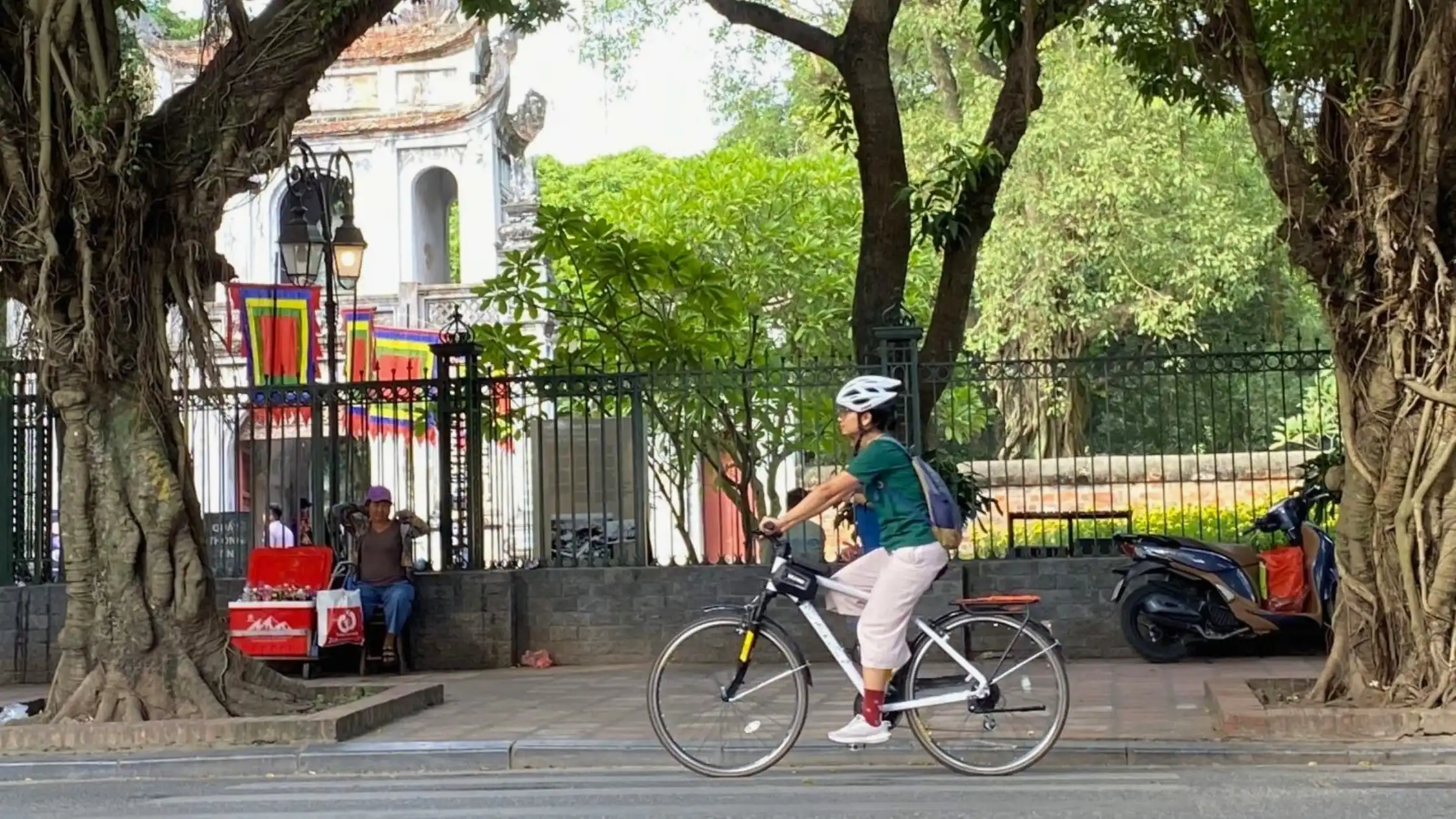
Cycling allows travellers to experience Vietnam at a pace that reveals the differences between its regions. A route in the northern mountains can involve sustained climbs, winding roads and significant changes in elevation. In contrast, cycling in the Mekong Delta is largely shaped by flat terrain, narrow rural lanes and a landscape organised around rivers and canals.
In the north, destinations such as Cao Bang offer more demanding routes, where steep terrain and winding roads are part of the experience. The reward is not simply reaching a viewpoint; cycling allows travellers to move gradually through landscapes that can be difficult to appreciate from a vehicle. Routes may pass limestone valleys, farming communities and smaller settlements between the region’s main attractions.
Further south, the Mekong Delta offers a different kind of cycling. The terrain is largely flat, and routes can follow narrow lanes between canals, orchards and villages. Distances may be less physically demanding than in the mountains, but the experience depends more on the rhythm of local life and the network of waterways that shapes how people move through the region.
For longer Vietnam cycling tours, combining regions requires careful planning. Road conditions, daily distances, elevation, weather and transfer times all affect how a programme should be paced. A well-designed itinerary does not simply add cycling days in different destinations; it considers how each route contributes a different experience and whether the transitions between them are practical for the group.
Trekking and Hiking in Northern Vietnam
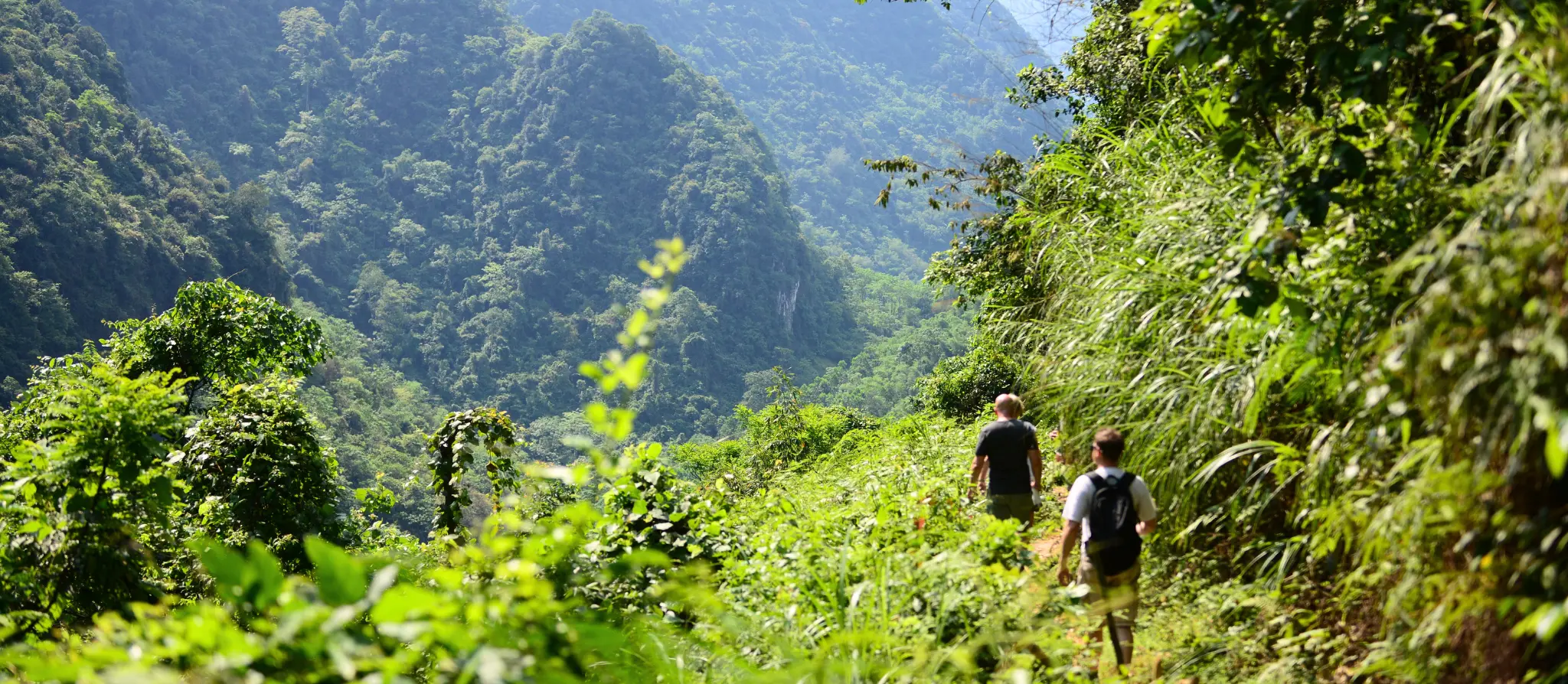
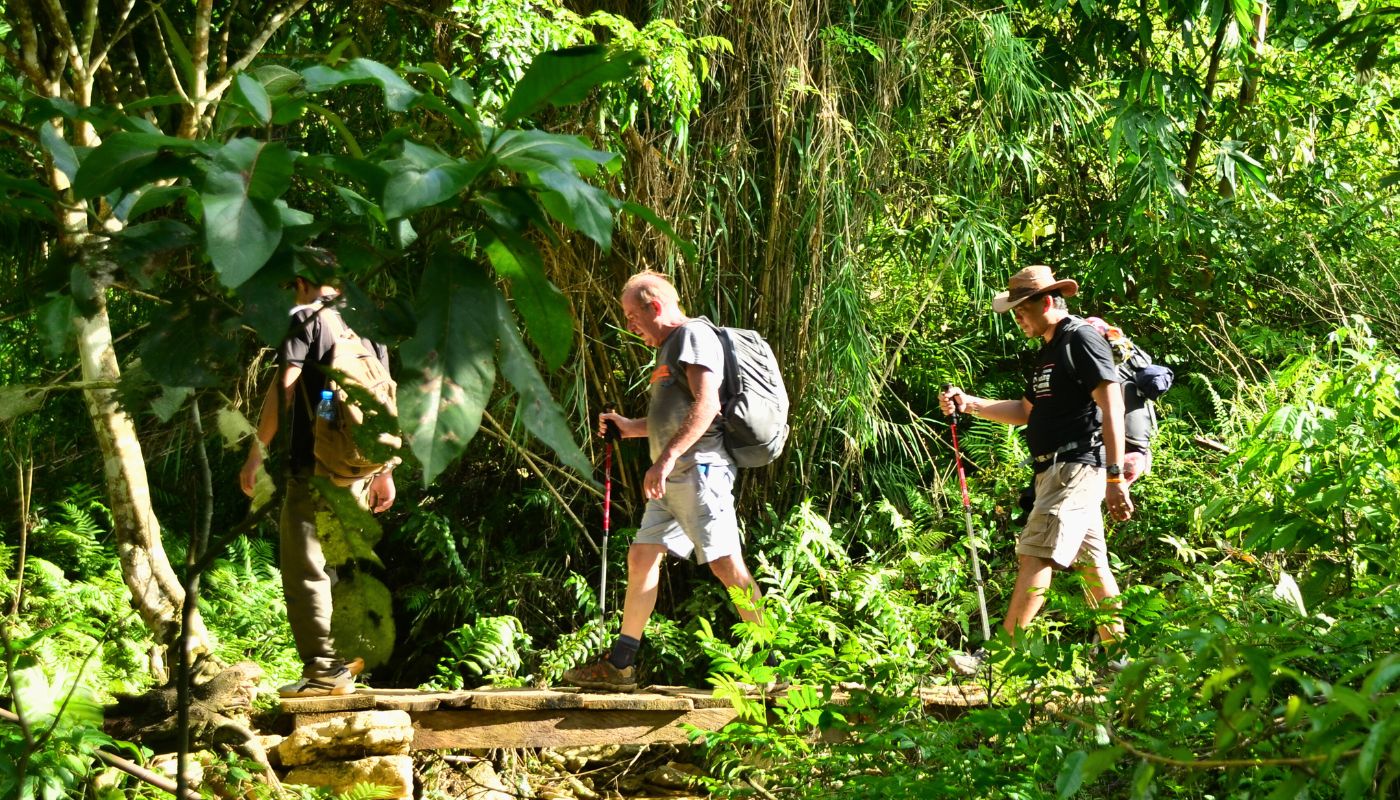
Northern Vietnam offers the country’s greatest concentration of mountain trekking opportunities, but the experience varies considerably by destination. Sapa, Ha Giang, Pu Luong and Cao Bang differ in terrain, accessibility and the type of itinerary they support, so they should not be treated as interchangeable trekking destinations.
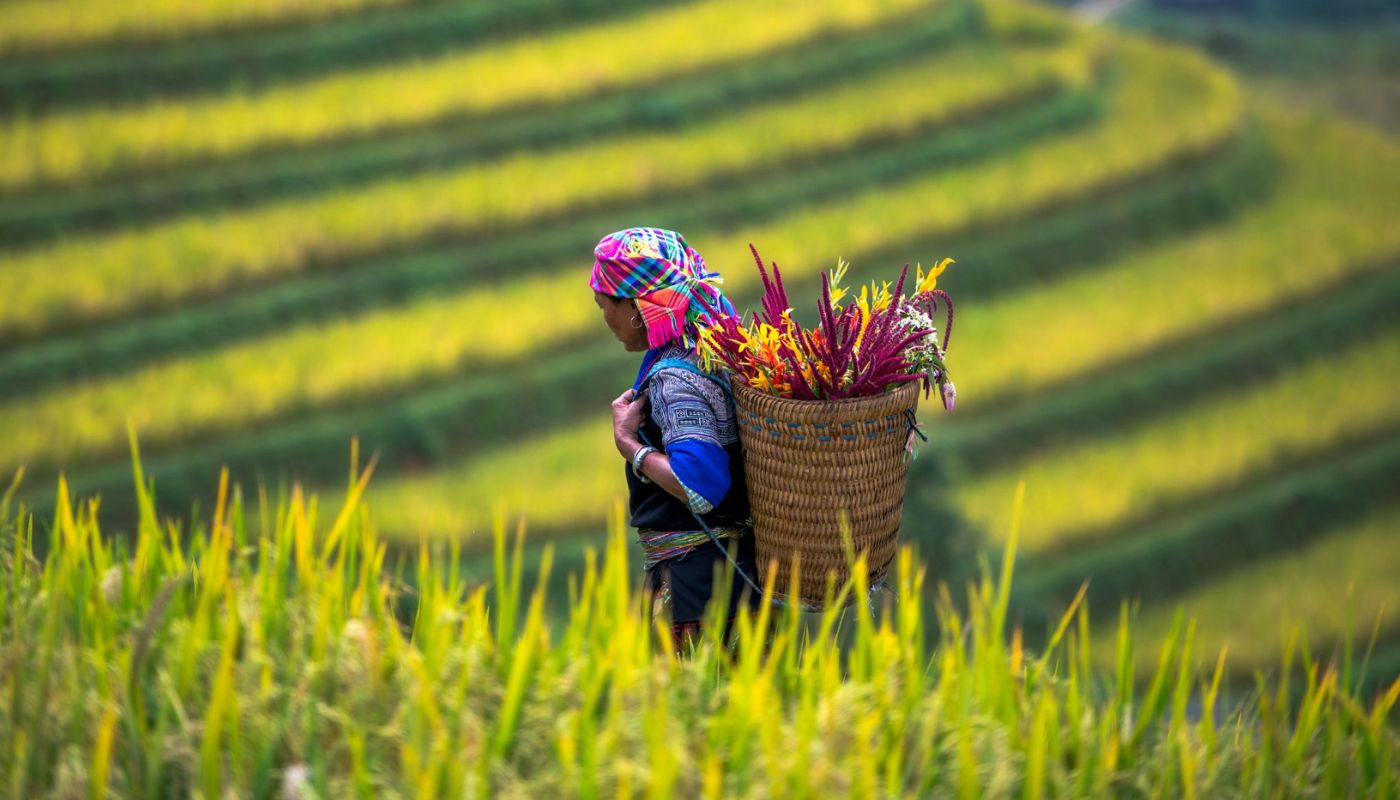
Sapa is often suited to itineraries centred on walking between valleys and villages, with established trekking routes through terraced landscapes. Ha Giang is more spread out and generally involves longer journeys between locations; trekking can be incorporated into a wider mountain itinerary where road travel and changing landscapes are also significant parts of the experience.
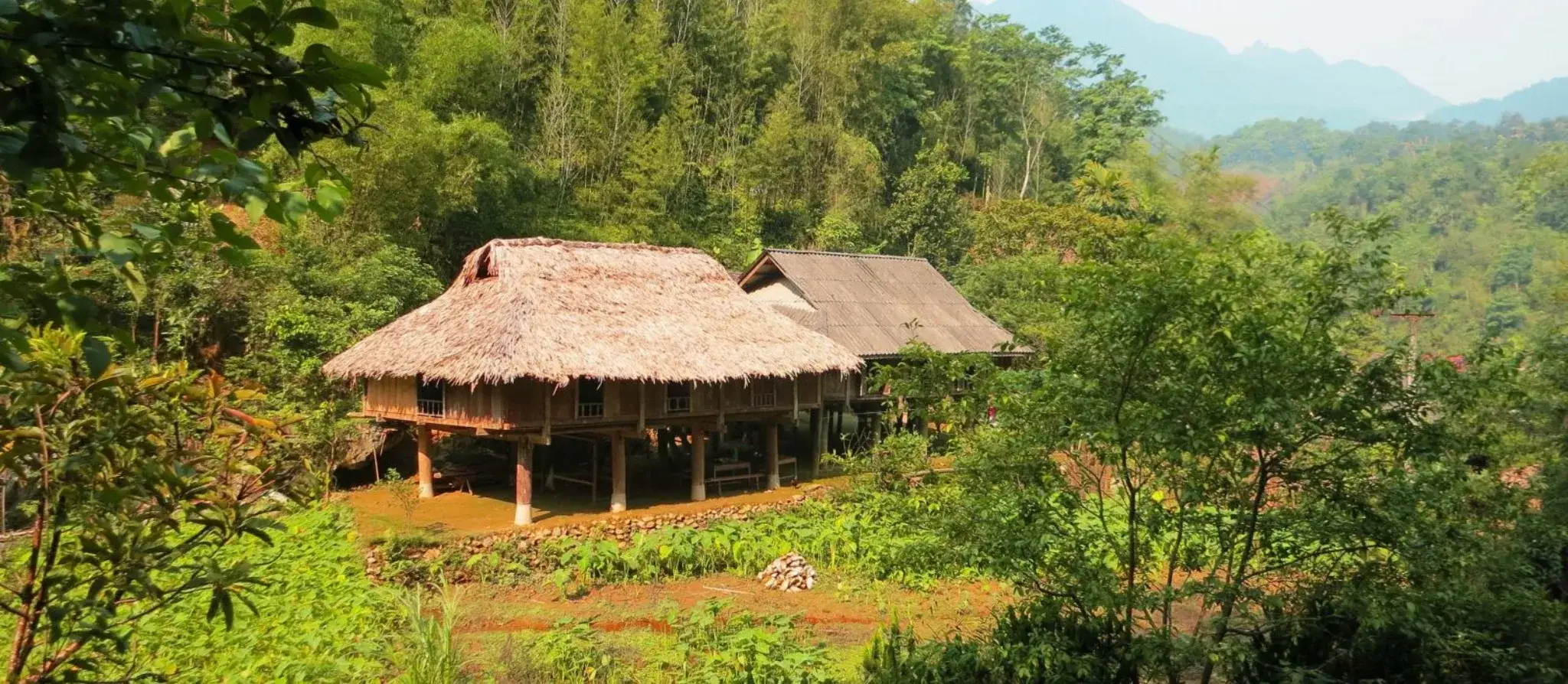
Pu Luong offers a different setting again. Its walking routes can combine rice valleys, forested areas and local villages without requiring the higher mountain terrain associated with parts of Sapa and Ha Giang. Cao Bang, in the northeast, brings another dimension through its limestone landscapes and more remote location, which can affect journey times and how the destination fits into a wider northern Vietnam programme.
When designing a trekking itinerary, the route itself is only one consideration. Daily walking distances, elevation changes, trail conditions and seasonal weather all need to be matched with the group’s fitness level and available time. For tour operators and travel agents, this makes destination selection important: the best programme is not necessarily the one with the most challenging trail, but the one whose walking experience, pace and logistics fit the travellers it is designed for.
Kayaking and Water-Based Adventures
Vietnam’s water-based adventures vary as much as its landscapes. Kayaking among the limestone islands of the northeast is a different experience from travelling through the waterways of the Mekong Delta, and each requires a different approach to itinerary planning.
In Ha Long Bay and Bai Tu Long Bay, kayaking is usually shaped by sheltered waters, limestone formations and the routes permitted within the bay. It often works as part of a cruise or a wider coastal programme rather than as the main activity for several consecutive days. Weather and sea conditions can affect the timing of activities, so itineraries need enough flexibility to accommodate changes.
The Mekong Delta offers a more land-and-water-based experience. Rather than paddling between limestone islands, travellers move through a network of rivers and smaller waterways that are closely connected to settlements, agriculture and daily transport. Water-based activities here can be combined naturally with cycling and village visits, creating a programme with shorter, varied periods of activity.
In central Vietnam, Phong Nha offers another setting where rivers, caves and forest landscapes shape outdoor experiences. However, activities in and around the national park depend on the specific route and seasonal conditions, so they should be planned around what is operating and suitable at the time of travel.
For itinerary planning, kayaking is often most effective when used as part of a broader programme rather than added simply to increase the number of activities. Group experience, weather conditions, the length of time available and the location of the activity all affect how it fits into the journey. A well-paced itinerary allows enough time for the experience itself while accounting for transfers and the conditions that can influence water-based activities.
How to Choose the Right Vietnam Adventure Tour
Choosing a Vietnam adventure tour involves more than deciding which activities sound interesting. The same activity can require very different levels of time, physical effort and travel depending on where it takes place. A mountain cycling programme in the north, for example, needs a different pace from a cycling itinerary through the Mekong Delta.
The most suitable programme usually comes down to a few practical questions: how active the group wants to be, how much time is available, which activities matter most and how much travel between destinations is realistic. When building a programme, these factors also provide a useful starting point for adapting a programme to different client profiles rather than relying on one fixed itinerary.
Choose Your Preferred Activity
The first decision is whether the tour should be built around one main activity or combine several. A cycling-focused journey, for example, can cover a wider area and make the time spent travelling between destinations part of the experience. Trekking usually requires a different approach, with the itinerary shaped around trail conditions, daily walking distances and suitable places to stay. Kayaking may work as a shorter element within a wider programme rather than the activity that determines the entire route.
For this reason, it is often useful to identify the activity that matters most before choosing destinations. Adding other experiences can create variety, but only when they fit naturally into the route. A programme built around too many activities or widely separated locations can lose time to transfers and leave less time for the experiences themselves.
Travel trade partners can use the client’s main interest as the starting point for customisation. From there, the itinerary can be adjusted with complementary activities according to the group’s available time, fitness level and preferred pace. This approach makes it easier to build a programme around a clear purpose rather than trying to include every type of adventure Vietnam offers.
Consider Fitness and Activity Level
The difficulty of an adventure tour is shaped by more than the activity itself. A day’s cycling distance may be manageable on flat roads but much more demanding when sustained climbs are involved. Similarly, a trekking route depends on elevation changes, trail conditions and the length of time spent walking, not simply the total distance.
A practical difficulty rating can help travel trade partners match a programme with the right client profile, provided the rating is based on the actual itinerary:
– Easy: Shorter activity periods, limited elevation gain and a relaxed pace, with suitable time for breaks and recovery.
– Moderate: Regular activity over several days, with longer distances or some sustained climbs and uneven terrain.
– Challenging: Longer or more physically demanding days, significant elevation changes, difficult terrain or several active days with limited recovery time.
For partners selling or designing adventure programmes, the rating should be supported by practical information rather than a label alone. Expected daily distances, approximate activity duration, elevation changes and the nature of the terrain give sales teams a clearer basis for describing the trip to their clients and managing expectations before departure.
This is also where local operational knowledge becomes important. A DMC can assess how a route works as a complete programme rather than rating each activity in isolation. A moderate trek may become more demanding when followed by a long road transfer, while several manageable cycling days can accumulate fatigue over the course of a week. Heat, rain and changing trail conditions can further affect the experience on the ground.
When developing a tailor-made programme, partners can provide information about the group’s experience, fitness and expectations to help determine appropriate daily distances, activity intensity and recovery time. The aim is not to make every itinerary as demanding as possible, but to create an activity level that fits the client profile while remaining realistic for the route, season and conditions involved.
Choose the Right Tour Duration
The length of the trip determines how much of Vietnam can realistically be included in an adventure itinerary. More destinations do not necessarily create a better programme, particularly when active days are separated by long road transfers or domestic travel. The available time should first be used to establish a logical route, then determine how many activities can comfortably fit within it.
Shorter trips are usually better focused on one region and one or two main activities. A longer programme allows more flexibility to combine destinations or introduce different types of activity, but additional days can also be used to improve pacing. A rest day, a shorter transfer or a less demanding activity may make a longer journey more manageable rather than simply filling the itinerary with more experiences.
For tour operators and travel agents, trip duration is an important starting point when developing products for different client markets. A DMC can assess whether a proposed combination of destinations and activities is operationally realistic within the available timeframe and identify where the route may require too much travel.
This approach also makes it easier to develop different versions of a programme. A shorter itinerary may focus on one region, while a longer version can add another destination or complementary activity without compromising the overall pace. The aim is to match the route to the time available, rather than trying to fit a predefined list of experiences into every Vietnam adventure tour.
Featured Vietnam Adventure Tour Ideas
The right adventure itinerary depends on how much time travellers have, which activities they want to prioritise and how demanding the overall programme should be. The examples below show different ways a Vietnam adventure tour can be structured, from a northern mountain journey focused on trekking to a longer cycling or multi-activity programme.
These are tour concepts rather than fixed itineraries. Destinations, activity levels, accommodation and trip duration can be adjusted according to the client profile and the requirements of each travel trade partner.
Northern Vietnam Mountain Adventure
A northern Vietnam mountain adventure is best built around a limited number of destinations rather than trying to cover every major mountain area in one trip. Sapa, Pu Luong, Ha Giang and Cao Bang each offer different terrain and travel requirements, and combining too many of them can result in long periods on the road.
The itinerary can be centred on trekking, with other activities added where they fit naturally into the route. Pu Luong, for example, can work well within a programme that combines walking with cycling and village-based experiences, while Ha Giang and Cao Bang generally require more time because of their distance from Hanoi and the journey between locations.
The physical demands also vary considerably within northern Vietnam. In Sapa, trekking routes can involve long ascents and descents between valleys and villages, with uneven paths becoming more difficult after rain. In Ha Giang and Cao Bang, walking may be combined with longer road journeys between locations, which affects the overall pace even when the trekking itself is not particularly long. Pu Luong generally offers a different rhythm, where routes can move between rice valleys, villages and forested areas. The itinerary therefore needs to consider not only the length of each walk, but also elevation changes, trail conditions and the travel required before or after the activity.
B2B planning takeaway: Start with the group’s available time and preferred activity level before selecting destinations. For shorter programmes, focusing on one area or two destinations with workable connections can leave more time for trekking and recovery. For longer journeys, more remote destinations can be included without compressing the itinerary. A local DMC can then help assess the route, transfer times and daily activity levels to ensure the programme is realistic before it is presented to clients.
Sample itineraries: Footprint Travel’s existing programmes show how northern mountain adventures can be structured around different trip lengths and levels of focus. Mai Chau & Pu Luong Super Trek – 5 Days is an example of a concentrated trekking programme, while Mai Chau & Pu Luong Super Trek – 8 Days allows more time for a slower-paced exploration of the same area.
For a longer journey, Trek Northern Mountains – 14 Days provides an example of a broader northern Vietnam trekking programme. North Trek & Cruise – 4 Days shows another way to combine trekking with a different experience within a shorter itinerary.
These programmes can serve as starting points rather than fixed templates for travel trade partners. The route, activity level and trip duration can be adapted around the client profile and the time available, while keeping the journey geographically and operationally realistic.
Vietnam Cycling Adventure
A Vietnam cycling adventure can take very different forms depending on the region. In Mai Chau and Pu Luong, routes move through valleys and rural landscapes, where cycling can be combined with walking and village-based experiences. The northeast presents a more demanding environment, with mountain roads, longer distances between destinations and greater changes in elevation. In the Mekong Delta, the experience shifts again towards flatter terrain, narrow rural lanes and a landscape organised around rivers and canals.
For a shorter northern programme, Cycling Mai Chau – 2 Days provides a focused cycling experience in one area. Amazing Cycling Mai Chau, Pu Luong and Trang An – 3 Days takes a different approach by linking several northern landscapes within a compact itinerary. This type of programme requires careful pacing because the cycling experience changes as the route moves between destinations.
Cycling North East – 5 Days represents a more road-focused mountain journey. Compared with cycling in Mai Chau or the Mekong Delta, the route is more dependent on how the group manages elevation, road conditions and longer travel stages. It is therefore better suited to programmes where cycling is a central part of the journey rather than a short activity added between sightseeing stops.
The Mekong Delta offers a clear contrast. Cycling Mekong – 2 Days and Cycling Mekong – 4 Days are built around a flatter environment, where routes can follow smaller roads through agricultural areas and settlements shaped by the region’s waterways. The longer version allows more time to explore the region, rather than simply increasing the daily cycling distance.
B2B planning takeaway: These regional differences give travel trade partners several ways to position a cycling programme. Mai Chau and Pu Luong can suit clients looking for cycling as part of a broader northern experience. The northeast is more appropriate when mountain roads and a physically more demanding journey are central to the product. The Mekong Delta offers a flatter alternative for groups that prefer cycling without the sustained climbs associated with mountain regions.
Cycling can also be combined with other experiences when the route supports it. Tropical Bike and Beach – 7 Days and Family Beach & Bike Vietnam – 15 Days show how the activity can be adapted for programmes where cycling is one element of a wider holiday.
Best Time for Adventure Travel in Vietnam
There is no single best time for every Vietnam adventure tour. Weather conditions vary between the north, central region and south, while the same season can affect trekking, cycling and water-based activities in different ways.
For itinerary planning, it is more useful to consider the conditions along the route than to look for one month that works across the entire country. Rainfall, temperature and seasonal weather patterns can affect trail conditions, cycling routes, water activities and travel between destinations. The sections below look at how these factors influence adventure travel in different parts of Vietnam.
Northern Vietnam
Northern Vietnam has the widest seasonal variation in the country, which makes timing particularly important for mountain-based adventure tours. Conditions can change between lowland areas and higher elevations, and the same route may feel very different depending on rainfall, temperature and visibility.
The drier months are generally easier for trekking and cycling, as mountain trails are less likely to be affected by heavy rain and road conditions are more predictable. During the colder part of the year, however, temperatures can drop significantly in higher areas, particularly in destinations such as Sapa and Ha Giang. Fog and low cloud can also reduce visibility, affecting both mountain views and road conditions.
The warmer, wetter months bring different challenges. Rain can make unpaved trekking trails muddy and slippery, while heavy rainfall may affect road travel in mountainous areas. At the same time, conditions can change quickly, so itineraries involving trekking or cycling should allow some flexibility.
The most useful approach is to match the season with the activity and the route rather than treating Northern Vietnam as having one universal adventure season. A local DMC can help assess how seasonal conditions may affect specific trails, cycling routes and transfers when designing a programme for a particular travel period.